


Steam is important in pharmaceutical manufacturing. It is used for sterilization, cleaning, and heating. But pharmaceutical production has strict rules for steam quality.
Steam that touches equipment or products must be clean. It must not bring in harmful things. This is why many pharmaceutical facilities use pure steam generators instead of normal boilers.
A good steam system works with a pharmaceutical water system. It makes high-quality steam. It also needs stable operation, sanitary design, and validation support.
This article explains what steam generators are. It also covers pure steam generators, the main types of steam generator, and how to choose the right system.
Key Takeaways
- Pure steam generators produce steam from purified feedwater and separate out droplets and contaminants, unlike normal boilers built for utility steam.
- When pure steam condenses, its quality must meet Water for Injection (WFI) limits, including the USP endotoxin limit of no more than 0.25 EU/mL.
- Wetted parts are typically sanitary 316L stainless steel, chosen for corrosion resistance and hygienic design.
- Sizing for peak steam demand from sterilizers and SIP processes matters more than average daily use.
What Are Steam Generators?
Steam generators are machines that turn water into steam. In general industry, steam is used for heating and other utility jobs.
Pharmaceutical manufacturing has higher needs. Steam quality is very important when steam is used for sterilization or SIP. The steam may touch critical surfaces or products.
Pure steam generators are a special type of steam generator. They make high-purity steam from suitable feedwater. The system usually uses purified water as feedwater.
The generator uses heat and separation to remove water droplets and contaminants. Sanitary materials and hygienic design are also important.
For pharmaceutical manufacturers, steam is not just a utility. It can be part of a quality-critical process.
What Is Pure Steam?
Pure steam is high-purity steam. It is made for applications that need controlled steam quality.
A common way to check pure steam is to test its condensate. The condensate is checked against pharmaceutical water quality rules.
Steam quality is more than temperature and pressure. The steam should also have low contaminants, low non-condensable gases, and low moisture carryover.
Endotoxins are another concern. They come from certain bacteria. They can cause serious reactions in the body.
So pharmaceutical facilities must control both feedwater quality and steam quality. The exact requirements depend on the application and regulations.
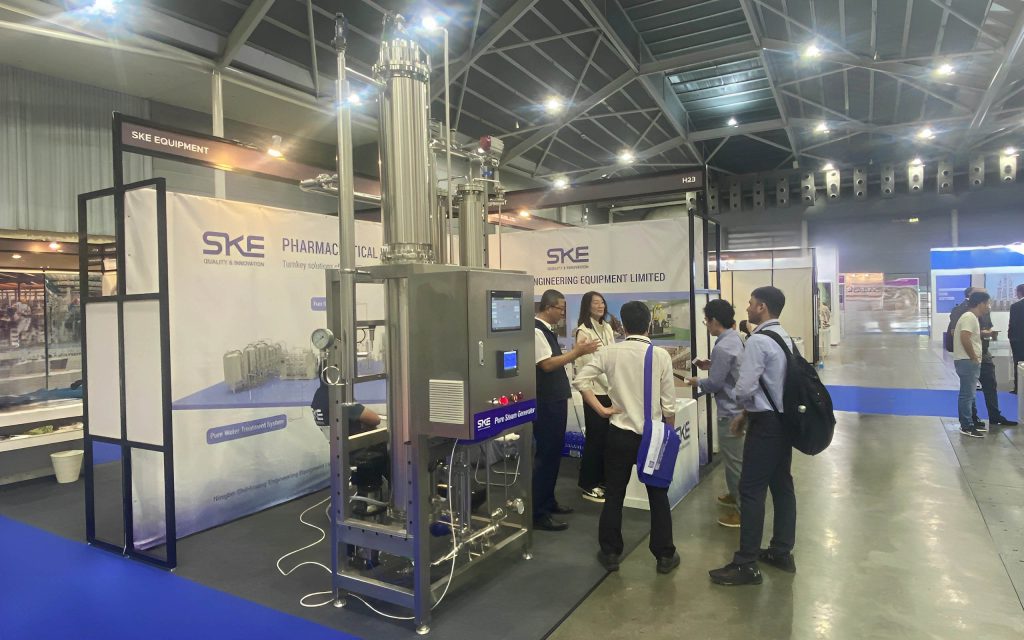
How Do Pure Steam Generators Work?
Pure steam generators work like distillation.
First, feedwater enters the generator. The water is heated until it turns into steam.
The steam then goes through a separation system. This step is important. Small water droplets can carry impurities into the steam.
A typical system may use several methods:
-
Gravity separation helps larger droplets fall back.
-
Centrifugal separation helps remove water droplets.
-
Demisters remove fine droplets before steam leaves.
The heating method can be different. Some systems use plant steam. Others use electric heating. The choice depends on the facility and project design.
Modern systems use automatic controls. They monitor pressure, temperature, water level, and other conditions. For GMP facilities, controls should also support validation.
Clean Steam vs. Pure Steam
Clean steam and pure steam are sometimes used in similar ways. But they are not the same.
Clean steam is made with controls to reduce contamination risks. Its quality depends on the application.
Pure steam is for higher-purity applications. Its condensate is checked against pharmaceutical rules.
When comparing types of steam generator, the key differences are steam quality, feedwater, and application. The table below shows the main types.
| Feature | Industrial Steam | Clean Steam | Pure Steam |
|---|---|---|---|
| Main purpose | General heating | Hygienic processes | High-purity pharmaceutical use |
| Feedwater | Treated water | Treated or purified water | Purified water |
| Steam quality | Utility level | Application-specific | Pharmaceutical level |
| Typical use | Heating | Some cleaning and sterilization | Sterilization, SIP, critical use |
| Materials | Carbon or stainless steel | Sanitary stainless steel | Sanitary stainless steel, often 316L |
| Documentation | Project dependent | Application dependent | Validation documents important |
Table 1: Comparison of Industrial Steam, Clean Steam, and Pure Steam
Types of Steam Generator in Pharmaceutical Facilities
Steam generators can be grouped in several ways. Knowing these types of steam generator helps manufacturers choose the right system.
By steam quality, there are industrial, clean, and pure steam generators. Industrial generators make utility steam. Clean generators reduce chemical contamination. Pure generators meet the highest pharmaceutical standards.
By heating method, there are electric and steam-heated generators. Electric systems use heating elements. Steam-heated systems use a heat exchanger with plant steam.
By capacity, systems range from 20 kg per hour to over 8,000 kg per hour. The right size depends on steam demand from sterilizers and SIP processes.
Each type has its own benefits. The choice depends on feedwater, peak demand, utilities, and regulations.
Key Parts of Pure Steam Generators
Pure steam generators are more than simple heated tanks. Their design affects steam quality.
1. Evaporation Chamber
This part heats the feedwater and makes steam. Good design keeps evaporation stable. It also reduces water carryover.
2. Steam Separation System
This is one of the most important parts. If too many droplets enter the steam outlet, impurities can carry over. Separation devices reduce this risk.
3. Demister or Separator
A demister removes fine droplets before steam leaves. The design depends on the generator and steam quality needs.
4. Heating System
The heating system gives the energy to make steam. Common options are plant steam heating and electric heating. The best choice depends on utilities, energy cost, and capacity.
5. Control System
Automatic controls keep operation stable. The system may monitor pressure, temperature, water level, and alarms. For pharmaceutical use, data recording can support validation.
Why Material Selection Matters
Material selection is important for pharmaceutical steam systems.
The wetted parts of pure steam generators are usually made from sanitary stainless steel. 316L stainless steel is common. It resists corrosion and suits hygienic use.
The design should also avoid areas where water can stay. Important points include smooth surfaces, hygienic piping, good drainage, good welds, and easy inspection.
Weld inspection and material records may be needed for validation. A sanitary design makes the system easier to clean and maintain.
Uses of Pure Steam in Pharmaceutical Manufacturing
Pure steam has several important uses in pharmaceutical production.
Steam Sterilization
This is the most common use. Autoclaves use steam to kill microorganisms. Steam quality, dryness, pressure, temperature, and time all affect results.
The steam quality rules should be defined by the sterilizer, process, and standards.
Sterilization-in-Place (SIP)
SIP uses steam to sterilize equipment without moving it. Steam goes into tanks, piping, valves, filters, and vessels.
The system must spread steam well and reach the right conditions everywhere.
Pharmaceutical Process Uses
Some processes need high-purity steam for heating or other jobs. In these cases, the manufacturer must check how steam quality affects the product.
Direct product contact should only be used after proper design, qualification, and validation.
How to Choose the Right Pure Steam Generator
Choosing pure steam generators is more than picking a capacity.
1. Feedwater Quality
Feedwater is a key factor. The generator needs water that meets the feedwater specification. A pharmaceutical water system is often part of the solution.
2. Peak Steam Demand
Do not size by average steam use only. Sterilizers and SIP systems can need high steam for short times. The generator must meet peak demand and keep stable pressure. Both undersizing and oversizing raise costs.
3. Heating Method
Think about the utilities you have. Electric systems work well where power is easy. Steam-heated systems work well where plant steam is available. Check energy use, installation, maintenance, and cost.
4. Regulatory and Quality Needs
Different countries and products have different rules. Define the rules before choosing equipment. This affects steam quality, materials, instruments, controls, documents, and validation.
5. Documentation and Validation Support
Pharmaceutical equipment needs more than good performance. You may need material certificates, weld records, drawings, test records, and qualification documents. Agree on the document package during design.

Pure Steam Generators and the Water System
Pure steam generators are closely linked to the pharmaceutical water system.
Feedwater quality affects steam quality. So water treatment and steam generation should be planned together.
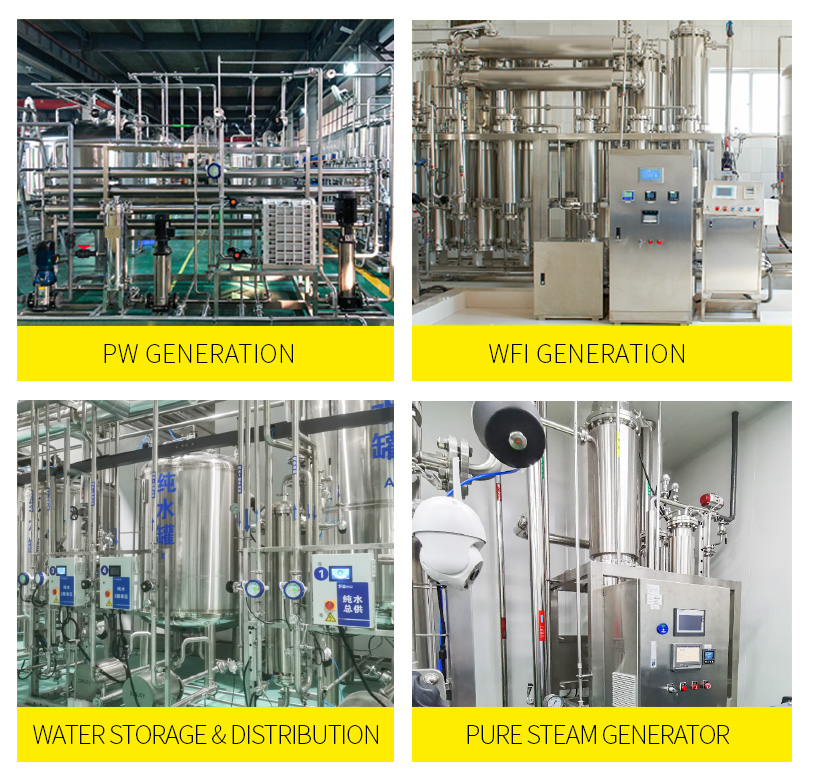
A complete utility solution may include purified water generation, storage and distribution, pure steam generation, steam distribution, control, and validation support.
An integrated design helps manufacturers get better process control and simpler project management.
Frequently Asked Questions
1.What is the difference between pure steam generators and a normal boiler?
A normal boiler makes utility steam for heating. Pure steam generators are made for much higher steam quality and sanitary conditions.
2.Can pure steam generators use tap water?
No. Pharmaceutical pure steam generators need feedwater that meets the manufacturer’s quality rules. Tap water has salts, minerals, and microorganisms. It is not suitable.
3.Is pure steam the same as WFI?
No. Pure steam and Water for Injection (WFI) are different. When pure steam condenses, its quality should meet WFI rules for endotoxins and conductivity, including the USP WFI endotoxin limit of no more than 0.25 EU/mL (ECA Academy, GMP Compliance).
4.Where is pure steam used?
It is used for steam sterilization, SIP, and other processes that need high steam quality.
5.What materials are used in pure steam generators?
Sanitary stainless steel is common for wetted parts. 316L is often used because it resists corrosion and suits hygienic use.
6.Do I need pure steam generators or clean steam generators?
It depends on the use. If steam touches sterile products or needs WFI-quality condensate, use pure steam generators. For less critical uses, clean steam generators may be enough.
Written by Mandy, Marketing Specialist at SKE Equipment / SKE&EAGLE with two years of experience covering the company’s pharmaceutical water and steam equipment. Technical details in this guide were reviewed by SKE&EAGLE’s engineering team before publication.
Pharmaceutical Steam Solutions from SKE&EAGLE
Choosing the right steam generators also means choosing a partner who knows pharmaceutical needs.
SKE&EAGLE provides pharmaceutical water and steam equipment. Our solutions cover purified water, pure steam generation, sanitary stainless steel, automatic control, and qualification support.
The system can work with a pharmaceutical water purification system. This gives a complete water-to-steam solution.
Equipment can be customized by steam capacity, feedwater quality, heating method, pressure, automation, installation, and documentation needs.
For a new facility, expansion, or upgrade, choosing the right pure steam generators early can improve reliability and long-term performance.
Need a pharmaceutical pure steam system? Contact SKE&EAGLE to discuss your steam capacity, feedwater quality, and project needs.
Official Website: https://www.ske-eagle.com/
Contact Email: info@ske-eagle.com
Follow us on Facebook for the latest industry insights: SKE & Eagle Facebook
Business Inquiries: Visit our official website and submit the contact form at the bottom.