


Every pharmaceutical manufacturer knows that a Pharmaceutical PW System must produce water that meets applicable pharmacopoeial requirements. However, final water quality depends on more than the reverse osmosis (RO) membrane or electrodeionization (EDI) unit. It also depends on the quality of the feed water entering these components.
Activated carbon filters, water softeners, and cartridge filters are often low-cost parts of a water treatment system. Yet their performance has a direct effect on downstream equipment. If pretreatment fails, RO membranes may become damaged, water quality may become unstable, and maintenance costs may rise.
This article explains how pretreatment works in a Pharmaceutical PW System, what can go wrong, and how proper monitoring helps protect equipment and maintain stable purified water production.
What Is Pretreatment in a Pharmaceutical PW System?
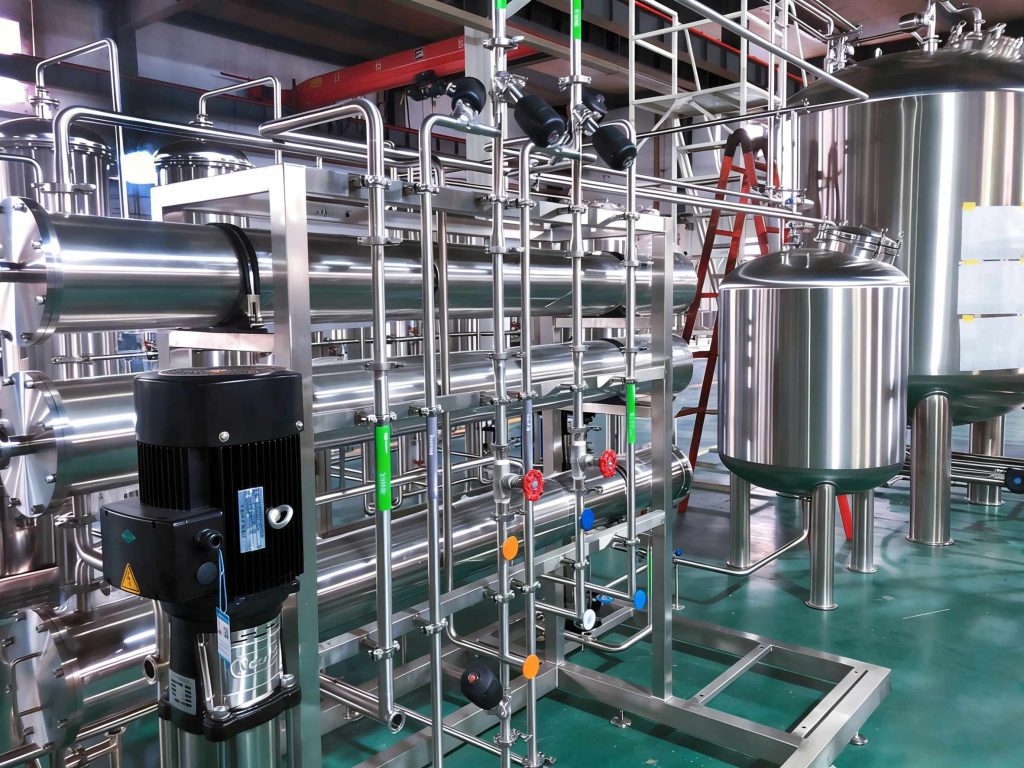
Pretreatment is the first stage of a Pharmaceutical PW System. It reduces chlorine or other oxidants, water hardness, suspended particles, and other contaminants before water enters the RO unit.
A typical pretreatment system may include activated carbon filters, water softeners, and cartridge filters. The exact design depends on the source water, the selected treatment process, and the required water quality.
Good pretreatment protects RO membranes, supports stable system performance, and reduces the risk of unplanned maintenance. It also helps pharmaceutical manufacturers keep water quality consistent over time. In short, a Pharmaceutical PW System is only as strong as its first treatment stage.
Why Pretreatment Comes First in Purified Water Treatment
Raw water is not ready for direct use in pharmaceutical production. Depending on its source, it may contain chlorine or chloramine, calcium and magnesium, suspended particles, and organic matter.
These substances create different risks for a Pharmaceutical PW System.
Chlorine and other strong oxidants can damage the polyamide layer of many RO membranes. Calcium and magnesium can form mineral scale when their concentrations become too high during RO operation. Suspended particles can block flow channels and increase membrane fouling. Organic matter can pass through early treatment stages and increase the load on downstream purification processes.
Pretreatment reduces these risks before water reaches more sensitive equipment.
A common problem is that pretreatment failure does not always cause an immediate change in final water quality. An RO unit may continue producing acceptable water while its performance slowly declines. By the time the problem becomes clear, the system may need extra cleaning, maintenance, or membrane replacement.
For this reason, pretreatment should be treated as an important part of the complete water treatment process, not as a group of simple accessories. A Pharmaceutical PW System designed without this principle will always be reactive rather than controlled.
Activated Carbon: Protecting RO Membranes from Oxidants
Activated carbon removes certain organic compounds and helps reduce chlorine and, where the carbon is appropriately selected, chloramine. It is often used to protect RO membranes from oxidant damage.
However, activated carbon has a limited treatment capacity. Its performance depends on the carbon type, bed depth, flow rate, contact time, and feed water quality. As operating conditions change, oxidant removal may become less effective.
The challenge is that carbon exhaustion may not cause an obvious change in the treated water. The RO unit may continue running, and the final water conductivity may remain within its normal range. Meanwhile, oxidants may reach the membrane and slowly reduce its performance.
How to Monitor Activated Carbon Performance
ORP (oxidation-reduction potential) monitoring can help operators identify changes in water conditions after the carbon bed. However, ORP is an indirect measurement. It does not always give a reliable estimate of chlorine or chloramine concentration under every water condition.
Where required, direct chlorine or total chlorine testing should be used to confirm that the water meets the established limits for RO feed water. Monitoring methods and alarm limits should be selected according to the source water, treatment design, and membrane manufacturer’s requirements.
Activated carbon systems also require a suitable maintenance plan. Depending on the design, this may include backwashing, scheduled inspection, carbon replacement, and measures to control microbial risks.
For a Pharmaceutical PW System, effective carbon filtration protects downstream equipment and supports stable operation. Monitoring is important because a fixed replacement schedule alone may not reflect changes in actual feed water conditions.
Water Softeners: Controlling Hardness Before RO
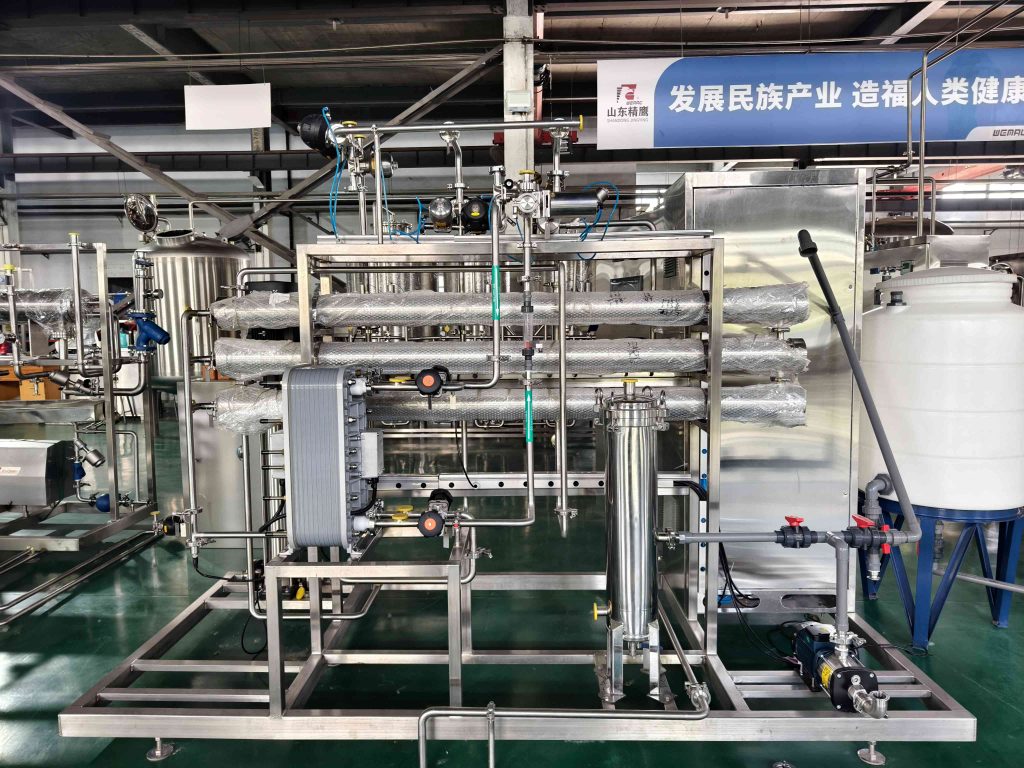
Water softeners use ion exchange to remove calcium and magnesium ions from water. These ions are replaced mainly by sodium ions as water passes through the resin bed. When the resin reaches its working capacity, a regeneration process restores its ability to remove hardness.
This technology is widely used, but the system must be operated and monitored correctly.
A softener may not remove enough hardness if regeneration is incomplete, the brine concentration is incorrect, the resin has deteriorated, or the control valve fails. In some cases, the equipment may continue to operate according to its normal schedule even though hardness is passing through the resin bed.
Why Hardness Breakthrough Matters
When calcium and magnesium enter the RO unit, their concentrations increase as water passes through the membranes. Depending on water chemistry and operating conditions, this can cause mineral scaling on the membrane surface.
Scaling can reduce water production, increase operating pressure, and lower treatment efficiency. Chemical cleaning may restore some performance, but the result depends on the type and severity of the scale. Severe or long-term scaling may cause lasting damage.
The cost of checking a softener is usually much lower than the cost of replacing RO membrane elements. A hardness test kit costs a fraction of a single membrane element, yet it is the only reliable way to confirm that the softener is doing its job.
For this reason, a Pharmaceutical PW System should include a suitable method for checking hardness after softening. Periodic hardness testing may be enough for some designs, while other systems may benefit from more frequent or continuous monitoring.
Conductivity alone cannot confirm that a softener is removing hardness effectively. Direct hardness testing is needed to verify softener performance.
Cartridge Filters: The Final Particle Barrier
Cartridge filters are commonly installed before the RO high-pressure pump. They capture suspended particles that remain after earlier treatment stages and help protect the pump and membrane from particulate fouling.
Their performance is usually assessed through differential pressure, which measures the pressure difference across the filter.
As particles accumulate, differential pressure generally increases. This indicates that the filter is becoming loaded and may need replacement. A sudden pressure drop can also require investigation because it may indicate a damaged cartridge, a seal problem, or bypass.
Common Cartridge Filter Problems
One common mistake is delaying filter replacement because cartridges are relatively inexpensive. A heavily loaded filter may restrict flow and affect system operation. A damaged cartridge may allow particles to pass into downstream equipment.
However, pressure data should always be interpreted in the context of actual flow rate and operating conditions. A pressure change does not automatically identify the cause of a problem.
In a well-designed Pharmaceutical PW System, cartridge filter maintenance should follow established replacement criteria and operating data rather than memory or convenience. This discipline matters because a loaded or damaged filter affects not only the filter itself but also the pump and membrane downstream. The cost of a replacement cartridge is minor compared with the cost of early membrane fouling.

How EP Purified Water Requirements Affect Pretreatment
European Pharmacopoeia (EP) requirements define the applicable quality standards for purified water. Relevant requirements may include conductivity, total organic carbon (TOC), and microbiological quality, according to the applicable monograph and related chapters.
These requirements focus on the quality of the purified water. Pretreatment monitoring serves a different but equally important purpose: it helps control the conditions that allow the system to produce water consistently.
For example, an RO unit may continue producing water within its normal conductivity range while membrane performance begins to decline. Similarly, a change in carbon filter performance may increase the risk of oxidant breakthrough before a clear change appears in final water quality.
This means that final water testing and equipment performance monitoring should not be treated as interchangeable activities.
Final water testing helps confirm whether the water meets the applicable quality requirements. Pretreatment monitoring helps identify developing problems before they affect downstream treatment.
A Pharmaceutical PW System therefore needs both appropriate water quality controls and a monitoring strategy suited to its design and risks. For manufacturers producing EP purified water, this dual approach is what separates a system that passes today’s test from one that keeps passing.
Comparison Table: Pretreatment Components and Their Roles
A Pharmaceutical PW System relies on each pretreatment component working together. The table below summarizes their functions, failure signs, and monitoring methods.
| Component | Main Function | Possible Failure Sign | Downstream Risk | Monitoring Method |
|---|---|---|---|---|
| Activated carbon filter | Reduces chlorine, chloramine, and certain organic compounds | Oxidant breakthrough or changes in ORP | RO membrane damage | Direct chlorine testing where appropriate, supported by ORP monitoring |
| Water softener | Removes calcium and magnesium | Hardness breakthrough | Mineral scaling on RO membranes | Periodic or continuous hardness testing |
| Cartridge filter | Captures suspended particles | Rising or abnormal differential pressure | Particulate fouling and reduced flow | Differential pressure and flow monitoring |
| RO unit | Removes dissolved substances and reduces ionic content | Changes in normalized performance data | Lower treatment efficiency or unstable water quality | Normalized flow, pressure, recovery, and conductivity data |
These monitoring methods provide different types of information. No single measurement can confirm the performance of every component. A suitable monitoring plan combines the right measurements with clear operating limits and corrective actions.
Building Pretreatment Monitoring into a Pharmaceutical PW System
At SKE & EAGLE, pretreatment can be integrated into the overall design of a Pharmaceutical PW System according to feed water conditions, process requirements, and customer specifications.
Several monitoring points can help operators identify problems early.
1. Oxidant monitoring after activated carbon
ORP monitoring can help identify changes in oxidant removal performance. Where needed, direct chlorine or chloramine testing provides additional confirmation that the water meets the established limits for the RO feed.
2. Hardness monitoring after softening
Hardness testing confirms whether the softener is removing calcium and magnesium effectively. The testing frequency should reflect the source water, softener design, and operating risk.
3. Differential pressure monitoring across cartridge filters
Tracking differential pressure helps identify filter loading and unusual operating changes. Operators can use these data to plan replacement and investigate possible cartridge damage or bypass.
4. Normalized RO performance monitoring
RO performance should be assessed using relevant operating data, including normalized permeate flow, pressure, recovery, and conductivity rejection. Normalization helps account for changes in temperature and other operating conditions.
For pharmaceutical manufacturers, this approach supports more reliable operation and provides useful information for technical review and maintenance planning. It also gives a Pharmaceutical PW System the data foundation needed for audit preparation and long-term performance review.
FAQ
1.What is the role of pretreatment in a Pharmaceutical PW System?
Pretreatment reduces oxidants, hardness, suspended particles, and other contaminants before water reaches the RO unit. It protects downstream equipment, supports stable performance, and helps maintain consistent purified water quality. In any Pharmaceutical PW System, pretreatment is the first line of defense for everything downstream.
2.How often should activated carbon be replaced?
There is no single replacement interval suitable for every system. Carbon life depends on feed water quality, carbon type, bed depth, flow rate, and operating conditions. A suitable maintenance plan should combine operating data, oxidant testing where appropriate, and the manufacturer’s recommendations.
3.Can a water softener fail without an obvious sign?
Yes. A softener may continue operating and regenerating on schedule while hardness passes through because of incomplete regeneration, resin deterioration, or valve problems. Conductivity alone cannot confirm softener performance, so direct hardness testing is necessary.
4.Why is differential pressure important for cartridge filters?
Differential pressure shows how the pressure changes as water passes through a filter. A rising value may indicate particle accumulation, while a sudden change may indicate a cartridge or sealing problem. Operators should investigate abnormal readings and assess them alongside flow rate and other operating data.
5.How does pretreatment affect EP purified water quality?
Pretreatment helps protect the treatment equipment that produces purified water. If pretreatment fails, membrane performance may decline and the system may become less able to maintain the required water quality. Effective monitoring helps identify these risks before they lead to a quality problem.
Final Thoughts
Pretreatment is often one of the least visible parts of a Pharmaceutical PW System, but its performance has a direct effect on downstream equipment. Activated carbon filters, water softeners, and cartridge filters may be relatively inexpensive, yet failures can lead to membrane damage, unplanned maintenance, and production interruptions.
At SKE & EAGLE, we consider pretreatment an important part of pharmaceutical water system design. Whether you are planning a new purified water system or reviewing an existing installation, our team can help assess feed water conditions, pretreatment requirements, monitoring options, and downstream RO protection.
Contact SKE&EAGLE to discuss a Pharmaceutical PW System designed around your production needs and water quality requirements.
Contact Email: info@ske-eagle.com
Follow us on Facebook for the latest industry insights: SKE & Eagle Facebook
Business Inquiries: Visit our official website and submit the contact form at the bottom.