


Steam is a critical utility in pharmaceutical manufacturing, widely used for sterilization, cleaning, heating, and process applications. However, not all steam is suitable for sterile production. Industrial steam may contain impurities from boilers, pipelines, or chemical additives, posing risks in GMP environments.
Pure steam generators are specifically designed to produce pharmaceutical-grade steam. By using purified feed water, advanced separation technology, and hygienic materials, they help manufacturers achieve consistent steam quality for critical processes.
In sterile production, steam quality directly affects product safety and equipment performance. Applications such as autoclaves, sterilization-in-place (SIP), and cleanroom sterilization require stable, well-controlled steam conditions.
Selecting reliable pure steam generators is therefore a key decision for pharmaceutical companies seeking GMP-compliant production systems.
What Is Pure Steam?
Pure steam is pharmaceutical-grade steam produced from controlled-quality water through evaporation and separation. Unlike industrial steam, it is designed for applications where contamination control is critical.
Pure steam quality is typically evaluated through its condensate, using indicators such as:
-
Conductivity
-
Total organic carbon (TOC)
-
Bacterial endotoxins
-
Microbial levels
When properly designed, pure steam generators can produce steam that meets the stringent requirements of pharmaceutical manufacturing.
The main difference between industrial and pharmaceutical steam lies in contamination control. Industrial steam may contain particles, corrosion products, or chemical residues that are unacceptable for direct contact with sterile equipment or pharmaceutical processes.
Pure steam generators therefore use purified water sources, corrosion-resistant materials, and efficient separation systems to maintain high steam quality.

How Do Pure Steam Generators Work?
The working principle of pure steam generators is based on evaporation, separation, and quality control. Although the process appears simple, pharmaceutical applications require precise engineering to ensure consistent performance.
1. Feed Water Evaporation
The process begins when purified feed water enters the generator. A heating source provides the energy required to convert water into steam.
Depending on facility requirements, pure steam generators may use:
-
Industrial steam heating
-
Electric heating
-
Hot water heating systems
During evaporation, dissolved impurities remain in the water phase rather than transferring into the steam.
2. Steam Separation
After evaporation, the generated steam may contain fine water droplets. These droplets can carry dissolved substances and reduce steam purity.
Pure steam generators therefore use high-efficiency separation technologies such as:
-
Demister separators
-
Gravity separation systems
-
Centrifugal separation devices
These components remove moisture droplets and improve steam dryness. A well-designed separation system is one of the most important factors determining generator performance.
3. Automatic Steam Quality Control
Modern pure steam generators use advanced control systems to maintain stable operating conditions.
PLC-based systems monitor key parameters including:
-
Pressure
-
Temperature
-
Water level
-
Conductivity
-
Alarm conditions
These control functions help operators maintain consistent steam quality and provide records for GMP validation.
Feed Water Requirements for Pure Steam Generation
Feed water quality directly impacts pure steam generator performance.
In pharmaceutical facilities, Purified Water (PW) is commonly used as feed water because it provides better control of:
-
Dissolved solids
-
Conductivity
-
Endotoxin levels
-
Scaling risks
Poor water quality can reduce heat transfer efficiency and increase maintenance requirements. Pure steam generators are therefore usually integrated with pharmaceutical water purification systems.
A complete pharmaceutical water solution may include:
-
Reverse osmosis (RO)
-
EDI systems
-
Purified water storage tanks
-
Distribution loops
-
Pure steam generation equipment
Together, these systems support consistent GMP production.

Key Components of Pure Steam Generator Systems
A complete pure steam generator system includes several critical components.
Evaporation Chamber
The evaporation chamber is where feed water is converted into steam. Its design affects production efficiency and impurity separation.
High-quality generators use optimized chamber designs to improve steam output and reduce contamination risks.
Heat Exchanger
The heat exchanger provides the energy required for evaporation. Pharmaceutical applications commonly require:
-
316L stainless steel materials
-
Hygienic design
-
Corrosion resistance
-
Prevention of cross-contamination
The heat exchanger design directly influences system reliability.
Steam Separator
The separator removes moisture droplets from steam before distribution. Efficient separation helps maintain:
-
High dryness fraction
-
Stable steam quality
-
Reduced contamination risk
Control System
The control system manages generator operation through automatic monitoring and data recording.
Modern systems support:
-
Process control
-
Alarm management
-
Operation tracking
-
Validation documentation
Steam Quality Parameters for Pharmaceutical Applications
Steam quality is one of the most important factors when selecting pure steam generators.
A reliable system should maintain stable steam characteristics to support sterilization effectiveness and GMP requirements.
Non-Condensable Gases
Non-condensable gases such as air and carbon dioxide can reduce heat transfer efficiency during sterilization.
When these gases remain in steam, they may form insulating layers on equipment surfaces and affect sterilization performance.
Pure steam generators should therefore be designed to minimize non-condensable gases.
Dryness Fraction
Dryness fraction refers to the amount of liquid water contained in steam.
High-quality steam should maintain a suitable dryness level because excessive moisture can:
-
Reduce heat transfer efficiency
-
Increase contamination risks
-
Affect sterilization results
Well-designed pure steam generators use effective separation technology to improve steam dryness.
Superheat Control
Superheated steam occurs when steam temperature exceeds the normal saturation temperature at a given pressure.
Excessive superheat may reduce condensation efficiency during sterilization, because steam transfers heat mainly through condensation.
Proper system design helps maintain suitable steam conditions for pharmaceutical applications.
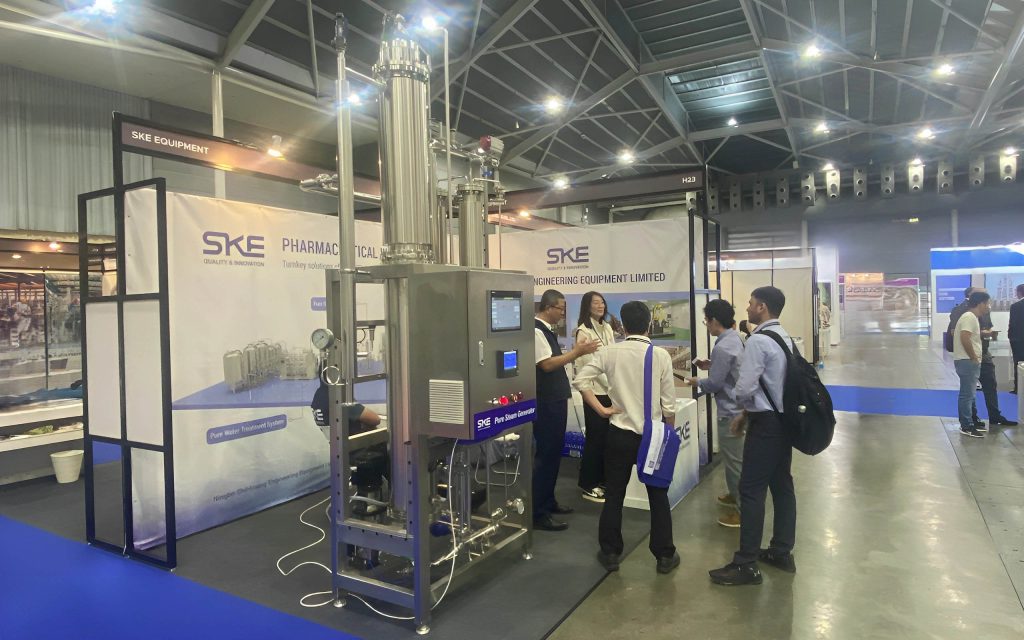
How to Select the Right Pure Steam Generators
Choosing suitable pure steam generators requires careful consideration of production requirements, facility conditions, and future expansion plans.
1. Steam Capacity
Required steam capacity depends on the number and type of connected equipment, including:
-
Autoclaves
-
SIP systems
-
Sterilization equipment
-
Production lines
A properly sized system ensures stable steam supply during peak demand. Oversized equipment increases investment and energy costs, while undersized equipment may affect production efficiency.
2. Heating Method
Different facilities may choose different heating solutions.
Steam-heated pure steam generators are suitable for plants that already have industrial steam available.
Electric heating systems may be preferred when:
-
Installation space is limited
-
Independent operation is required
-
Plant steam is unavailable
The best solution depends on operating conditions and production requirements.
3. Material and Hygienic Design
Material selection is critical for pharmaceutical equipment.
High-quality pure steam generators usually use:
-
316L stainless steel wetted parts
-
Hygienic piping design
-
Corrosion-resistant surfaces
-
Easy-to-clean structures
These features help reduce contamination risks and support GMP compliance.
Pure Steam Distribution System Design
Producing high-quality steam is only the first step. The distribution system must also protect steam quality.
Even advanced pure steam generators cannot maintain performance if the piping system is poorly designed.
A pharmaceutical steam distribution system should consider:
Proper Pipe Slope
Steam pipelines should be designed with suitable slopes to remove condensate effectively.
Condensate Management
Steam traps and drainage points help prevent water accumulation inside the system.
Material Selection
316L stainless steel is widely used in pharmaceutical steam distribution systems because of its corrosion resistance and hygienic properties.
Avoiding Dead Legs
Poor piping design may create areas where condensate and microorganisms can accumulate.
A complete solution combines reliable pure steam generators with a well-designed distribution network.
Validation and Maintenance of Pure Steam Systems
Pharmaceutical manufacturers must confirm that their steam systems operate consistently and meet production requirements.
Qualification activities usually include:
Installation Qualification (IQ)
IQ verifies that equipment installation, materials, and documentation meet approved specifications.
Operational Qualification (OQ)
OQ confirms that controls, alarms, and operating parameters function correctly.
Performance Qualification (PQ)
PQ evaluates system performance under normal production conditions.
Regular monitoring of pure steam generators may include:
-
Conductivity testing
-
TOC testing
-
Endotoxin testing
-
Steam quality evaluation
Proper maintenance helps extend equipment service life and ensures stable GMP operation.
SKE&EAGLE Pure Steam Generator Solutions
At SKE&EAGLE, we provide pharmaceutical equipment solutions designed for modern GMP manufacturing facilities.
Our pure steam generators are developed to support pharmaceutical companies that require reliable, safe, and efficient steam systems.
Key advantages include:
-
GMP-oriented equipment design
-
High-quality 316L stainless steel construction
-
Advanced steam separation technology
-
Automatic PLC control systems
-
Customized capacity solutions
-
Complete technical documentation support
Our engineering team helps customers select suitable pure steam generators based on production capacity, utility conditions, and validation requirements.
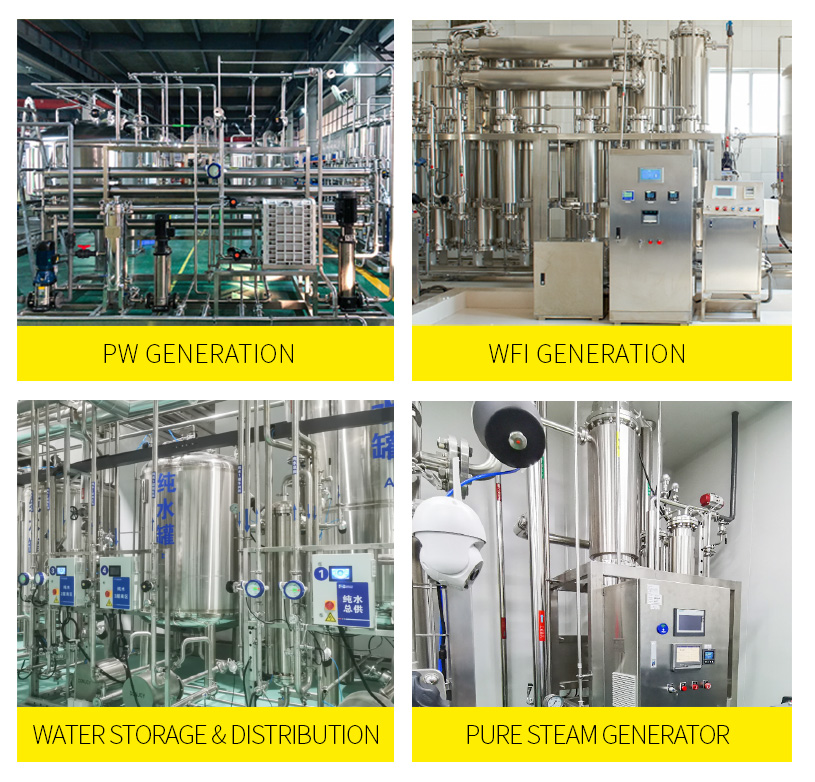
From pharmaceutical water purification systems to steam generation solutions, SKE&EAGLE provides integrated solutions for pharmaceutical manufacturers worldwide.
Frequently Asked Questions About Pure Steam Generators
1.What is the difference between clean steam and pure steam?
Clean steam is a general term for steam with controlled impurities. Pure steam is a higher-quality steam type designed for critical pharmaceutical applications where condensate quality must meet strict requirements.
2.Why are pure steam generators important in pharmaceutical manufacturing?
Pure steam generators provide controlled-quality steam for sterilization, SIP processes, and other critical applications. They help pharmaceutical companies reduce contamination risks and maintain GMP production standards.
3.Can pure steam generators use tap water as feed water?
Although some standards may allow treated drinking water as a minimum feed source, pharmaceutical facilities usually use Purified Water because it provides better control of conductivity, endotoxins, and dissolved impurities.
4.How often should pure steam quality be tested?
Testing frequency depends on facility requirements, risk assessment, and validation procedures. Pharmaceutical companies usually establish monitoring programs based on system performance and regulatory expectations.
5.How long can pure steam generators operate?
With proper water treatment, preventive maintenance, and correct operation, high-quality pure steam generators can provide reliable service for many years.
Conclusion
Pure steam generators are essential equipment for pharmaceutical facilities that require safe and reliable steam for sterile manufacturing.
By combining purified feed water, advanced separation technology, hygienic materials, and automatic control systems, modern pure steam generators help manufacturers achieve stable steam quality and GMP-compliant production.
For pharmaceutical companies planning new facilities or upgrading existing systems, selecting the right pure steam generator supplier is a key step toward long-term production reliability.
SKE&EAGLE is committed to providing professional pharmaceutical steam solutions that support safer, more efficient, and more reliable manufacturing processes.
Official Website: https://www.ske-eagle.com/
Contact Email: info@ske-eagle.com
Follow us on Facebook for the latest industry insights: SKE & Eagle Facebook
Business Inquiries: Visit our official website and submit the contact form at the bottom.