


Choosing the right high pressure steam generator is important for a pharmaceutical plant. Steam can be used for process heating, sterilization, cleanroom humidification, CIP, and other production jobs. But different applications need different steam pressure and steam quality.
A pharmaceutical plant may use plant steam, clean steam, or pure steam. The right choice depends on steam quality, pressure, temperature, capacity, feed water, materials, control systems, and pharmaceutical requirements.
This guide explains how to choose a high pressure steam generator, when a pure steam generator may be needed, and what to consider when designing a complete clean steam generation system.
Start With Your Steam Requirements
Before you select a high pressure steam generator, first define how steam will be used in your plant.
Make a list of all steam users. These may include autoclaves, sterilizers, process vessels, reactors, heat exchangers, CIP systems, and cleanroom equipment. For each application, write down the required steam pressure, temperature, flow rate, operating time, and steam quality.
It is also important to know if steam will touch the product directly or only heat equipment. Steam used on the heating side of a heat exchanger may have different requirements from steam used for sterilization.
Peak demand is another key factor. A generator that is too small may not supply enough steam when several users work at the same time. A generator that is too large can increase cost and may run poorly at low load.
A good design should include a complete steam balance. Normal demand, peak demand, pressure loss, future expansion, and standby needs should all be considered before you choose the equipment.
What Is a Pure Steam Generator?
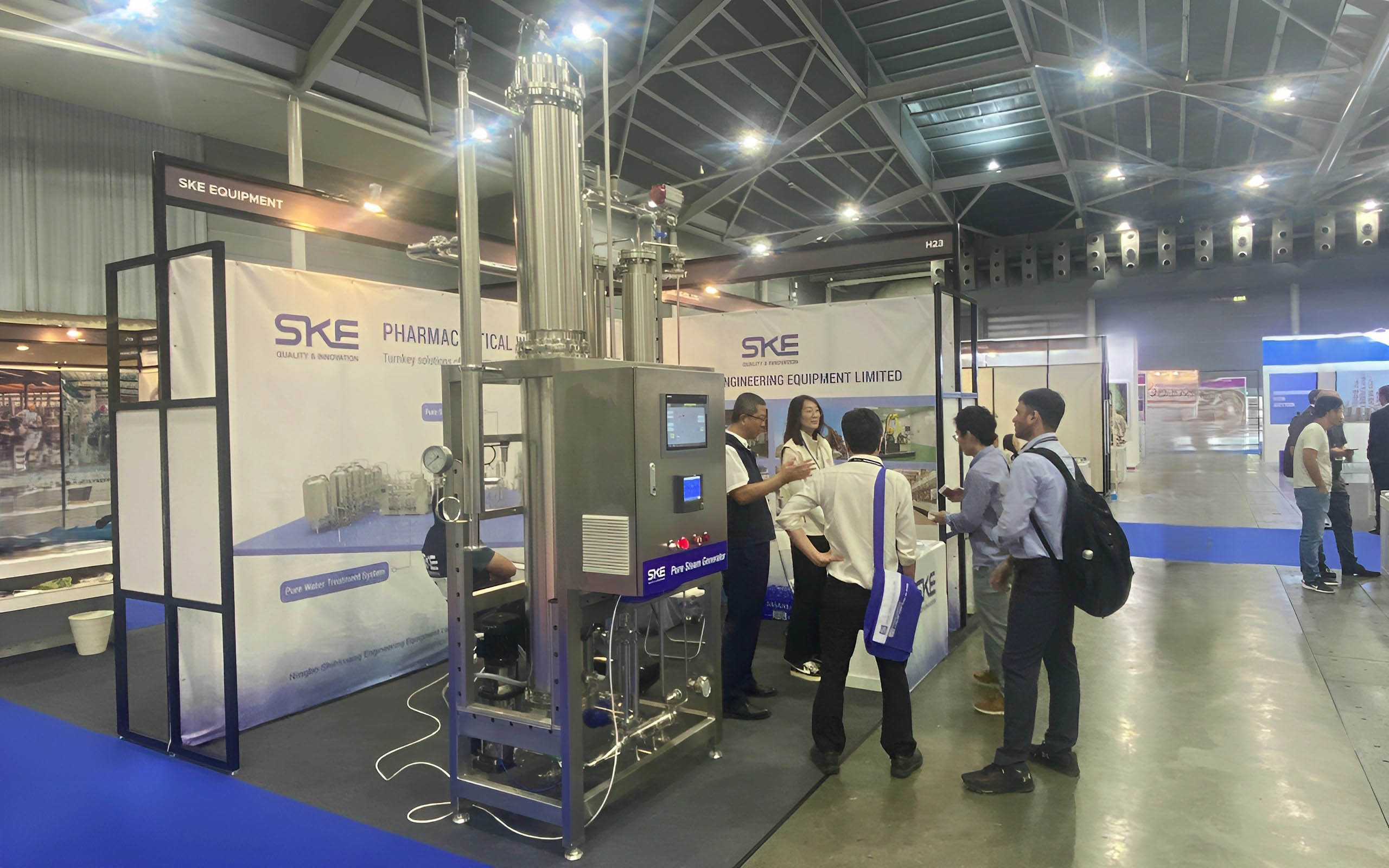
A pure steam generator is designed to produce high-quality steam for pharmaceutical applications where steam quality is critical.
Pure steam is often used for sterilization and other applications where the steam or its condensate must meet defined pharmaceutical quality requirements. Depending on the application and standards, important quality points may include endotoxin, conductivity, TOC, non-condensable gases, dryness, and superheat.
The generator uses suitably treated feed water. The required feed water quality depends on the application, pharmacopoeia requirements, and the validated system design. Purified water or WFI may be used depending on the process and project requirements.
A pure steam generator should also have a hygienic design. Wetted parts are often made from suitable stainless steel. Smooth surfaces, good drainability, controlled welding, and reduced dead legs can help lower contamination risks.
The goal is not simply to make steam at high pressure. The goal is to produce steam with stable and controlled quality for its intended pharmaceutical use.
Clean Steam vs Pure Steam
The terms clean steam and pure steam are sometimes used in similar ways, but they should not be treated as identical.
Clean steam usually means steam produced with a controlled and hygienic design for applications where contamination risk must be low.
Pure steam is often linked to pharmaceutical applications where the steam or condensate must meet defined quality requirements, especially for sterilization and other critical processes.
Terminology and acceptance criteria can vary between projects, markets, and standards. Pharmaceutical manufacturers should therefore define their requirements in the User Requirement Specification (URS) and confirm them through qualification and validation.
This difference is important when selecting a clean steam generation system. The system should be designed around the actual process and quality requirements, not only the name used for the steam.
Key Factors When Choosing a Steam Generator
Several factors should be reviewed before buying a high pressure steam generator.
1. Steam Quality
First, decide if the steam will touch the product, equipment surfaces, or sterilized parts.
For non-critical heating duties, plant steam may be enough. For pharmaceutical sterilization and other critical uses, a pure steam generator may be required.
The required steam quality should be defined before equipment selection.
2. Steam Capacity
Calculate both normal and peak steam demand.
Consider:
-
Number of steam users
-
Maximum at the same time
-
Start-up demand
-
Operating hours
-
Future expansion
-
Required standby capacity
Do not size the high pressure steam generator only from average steam use.
3. Pressure and Temperature
The pressure of the high pressure steam generator should match the process requirement. Higher pressure can give a higher steam temperature, but higher pressure is not always better.
The selected pressure must also be compatible with the generator, distribution piping, valves, sterilizers, process vessels, and other connected equipment.
For pharmaceutical sterilization, pressure should not be the only control parameter. Temperature, exposure time, air removal, steam penetration, and load configuration are also important parts of the validated sterilization cycle.
4. Feed Water Quality
Feed water has a direct effect on generator performance and steam quality.
A pharmaceutical clean steam generation system should use feed water with a quality suitable for its intended application. Depending on the project, water treatment may include RO, EDI, softening, filtration, or other methods.
The required feed water specification should be defined before selecting the high pressure steam generator.
5. Materials and Hygienic Design
For pharmaceutical applications, all wetted materials should be suitable for the process and applicable requirements.
Stainless steel is widely used because it resists corrosion and is suitable for hygienic systems. Surface finish, weld quality, drainability, piping design, and dead-leg control should also be reviewed.
A hygienic design helps reduce contamination risks and supports cleaning and maintenance.
6. Control and Monitoring
Modern high pressure steam generator systems often use PLC-based control.
Depending on the system design, monitoring may include:
-
Pressure
-
Temperature
-
Feed water level
-
Flow
-
Conductivity
-
Alarm status
-
Operating data
Automatic control can improve process consistency and reduce operator error. Data recording can also support maintenance, qualification, audits, and production records.

Matching Steam Equipment to the Application
Different applications need different steam conditions. The table below gives general guidance.
| Application | Typical Steam Type | Main Considerations |
|---|---|---|
| Autoclave sterilization | Pure steam | Validated temperature, pressure, dryness, and steam quality |
| Cleanroom humidification | Clean or pure steam | Low contamination risk and hygienic design |
| Process vessel heating | Plant or high-pressure steam | Required heat-transfer temperature |
| Reactor heating | Plant or high-pressure steam | Heating duty, pressure, and control |
| CIP heating | Plant or process steam | Temperature, capacity, and efficiency |
| Direct product-contact use | Pure steam | Applicable pharmaceutical quality requirements |
| Space heating | Plant steam | Cost, capacity, and basic safety |
Important Steam Quality Parameters
For pharmaceutical applications, steam quality is much more than pressure and temperature.
A well-designed clean steam generation system may need to control and verify several important points.
Dryness fraction affects the amount of usable heat delivered by steam. Too much moisture can reduce heating efficiency and may affect sterilization performance.
Non-condensable gases can reduce effective steam contact and heat transfer. They are therefore important in sterilization applications.
Superheat is also important. Too much superheat can affect the behavior of steam during sterilization and should be controlled according to the intended application.
Condensate quality is another important point for pure steam systems. Depending on the application, testing may include parameters such as conductivity, TOC, and endotoxin.
These parameters should be defined according to the intended use and applicable pharmaceutical requirements. The same steam specification should not automatically be applied to every application.
Validation and Documentation
For pharmaceutical facilities, equipment selection does not end with installation.
A high pressure steam generator, pure steam generator, or complete clean steam generation system may need documentation to support qualification and validation. The exact requirements depend on the application, project specification, and applicable regulations.
Typical project documentation may include:
-
Material certificates
-
Equipment drawings
-
P&ID
-
Instrument specifications
-
Calibration certificates
-
Factory Acceptance Test (FAT) documents
-
Site Acceptance Test (SAT) documents
-
Welding and surface-finish records where required
-
Operating and maintenance manuals
-
Test and commissioning records
For pharmaceutical projects, traceability is important. The supplier should be able to provide appropriate technical documentation and support the agreed testing and commissioning process.
Why Choose SKE&EAGLE?
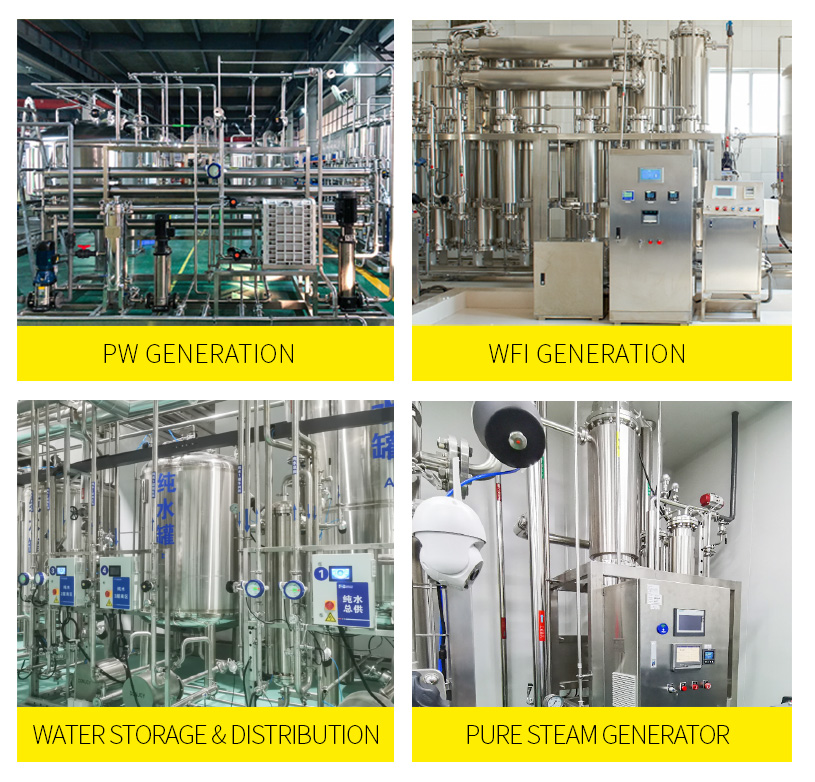
SKE&EAGLE provides pharmaceutical water and steam equipment for commercial pharmaceutical production.
Our solutions can be designed for different process requirements, including high pressure steam generators, pure steam generators, and complete clean steam generation systems.
We can support customers in defining steam capacity, pressure, feed water quality, materials, control requirements, and system configuration. Equipment can be designed with sanitary stainless-steel wetted parts and automatic control according to the project specification.
For pharmaceutical projects, technical documentation and testing are also important. SKE&EAGLE can provide project documentation and support for installation, commissioning, testing, and qualification activities according to the agreed project requirements.
The right system should not be selected only by comparing equipment prices. It should be selected according to steam quality, process requirements, compliance needs, operating cost, and long-term reliability.
FAQ
Q1: What is the difference between a high pressure steam generator and a pure steam generator?
A high pressure steam generator is mainly defined by its operating pressure and is normally selected for a specific heating or process duty. A pure steam generator is designed to produce high-quality steam for pharmaceutical applications. Pressure and steam quality are separate design factors.
Q2: Can a high pressure steam generator produce pure steam?
Not automatically. High pressure only describes the operating condition. A system intended to produce pure steam needs suitable feed water, appropriate materials, hygienic design, effective steam separation, suitable controls, and quality verification.
Q3: What feed water does a pure steam generator need?
The required feed water depends on the application, system design, and applicable standards. Purified water or WFI may be used depending on the intended use and validated system design. The feed water specification should be confirmed during system design.
Q4: How do I size a clean steam generation system?
Start by listing all steam users and their flow rates. Calculate normal and peak demand, consider simultaneous operation, pressure losses, future expansion, and any required standby capacity. The final generator capacity should be based on a complete steam balance.
Q5: What steam quality parameters should be checked?
Depending on the application, important parameters may include dryness fraction, non-condensable gases, superheat, endotoxin, conductivity, TOC, and condensate quality. The required tests should be defined according to the intended pharmaceutical use.
Q6: Does a pharmaceutical steam generator require validation?
The scope of qualification or validation depends on the application and applicable regulatory requirements. Critical pharmaceutical systems normally require appropriate testing, documentation, and qualification to demonstrate that the system performs as intended.
Conclusion
Choosing the right high pressure steam generator requires more than selecting a pressure rating. Pharmaceutical manufacturers should consider steam quality, capacity, pressure, temperature, feed water, materials, controls, documentation, and qualification requirements.
A high pressure steam generator may be suitable for process heating and other indirect heating duties, while a pure steam generator is suitable for applications where defined pharmaceutical steam quality is required. A complete clean steam generation system should be designed around the actual requirements of the facility.
The best system is one that matches the process, meets the required quality standards, provides stable operation, and supports long-term pharmaceutical production.
SKE&EAGLE can support pharmaceutical manufacturers with steam and water system design, equipment selection, documentation, installation, commissioning, and project support.
Official Website: https://www.ske-eagle.com/
Contact Email: info@ske-eagle.com
Follow us on Facebook for the latest industry insights: SKE & Eagle Facebook
Business Inquiries: Visit our official website and submit the contact form at the bottom.