

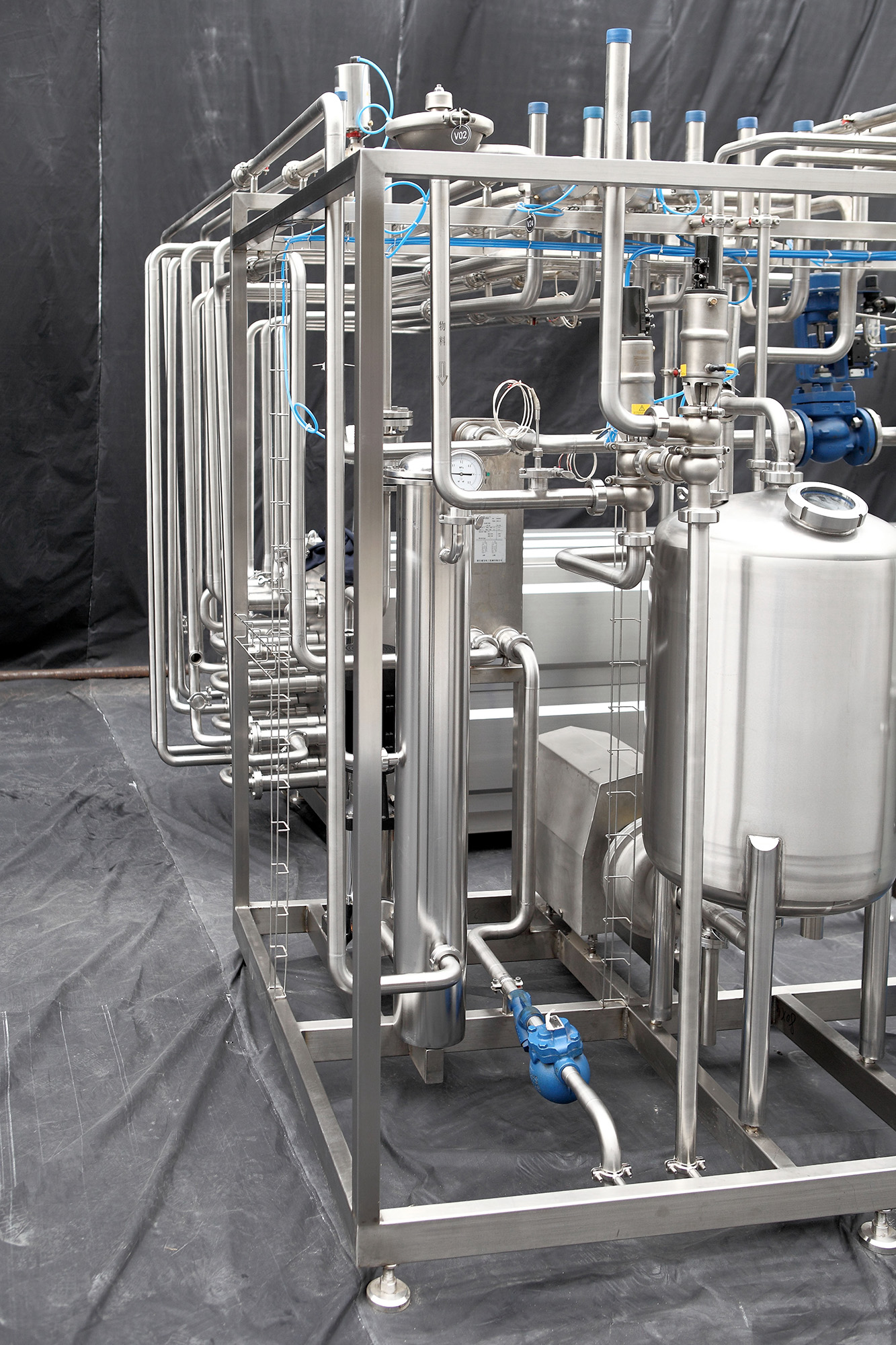
Introduction to WFI Generators
In pharmaceutical manufacturing, Water for Injection (WFI) stands as one of the highest purity water grades. A WFI generator is a specialized system engineered to produce water that meets stringent pharmacopoeial requirements for purity, endotoxin levels, and microbiological control. The generation of WFI is fundamental to ensuring drug product safety, quality, and efficacy. This article delivers a comprehensive analysis of WFI generator technology, examining the engineering fundamentals, compliance mandates, and operational practices that define modern systems.
SKE & Eagle, leveraging decades of expertise in water treatment solutions, integrates advanced engineering standards into their WFI generator systems to meet evolving industry demands. Their approach harmonizes reliability, precision control, and compliance, assuring consistent generation of pharmaceutical-grade water.
Understanding the criticality of WFI production involves appreciating its key attributes: ultrapure quality, endotoxin-free criteria, and stability during storage and distribution. A WFI generator system encompasses upstream pre-treatment, generation, storage, and distribution, supported by process instrumentation and control systems designed to maintain purity across the network.
Engineering Principles of WFI Generation
At the core of a WFI generator system lies the engineering challenge of producing ultrapure water, often achieved through distillation or membrane processes adhering to validated protocols. Traditional methods primarily include multi-effect distillation and vapor compression distillation, both designed to remove impurities including organic compounds, ionic species, and endotoxins.
Thermal distillation remains synonymous with WFI production due to its ability to deliver water compliant with major pharmacopoeial standards such as USP, EP, and JP. Systems are engineered to precisely control parameters including temperature, pressure, and reflux ratios. For instance, multi-effect distillation recycles latent heat energy efficiently, resulting in lower energy consumption without compromising water quality.
Vapor compression distillation utilizes a closed-loop compressor to recycle vapor heat, exemplifying a compact design that balances energy efficiency and product purity. Both distillation modes require sophisticated instrumentation controls to monitor conductivity, TOC (Total Organic Carbon), and endotoxin testing pathways.
Additionally, SKE & Eagle integrates automatic control systems that maintain water quality parameters within validated ranges. Their systems incorporate redundant monitoring points, automated cleaning cycles, and sanitary design principles to minimize contamination risks.
Beyond distillation, some advanced WFI generator systems utilize ultrafiltration or reverse osmosis combined with continuous sanitization technologies — however, compliance with pharmacopeia currently favors purified thermal systems.
Diagram Concept: Imagine a typical multi-effect distillation unit layered in effects (stages). Feed water enters the first effect where it is boiled, the vapor rises, condenses in subsequent effects, progressively transferring heat and separating impurities before final condensation as WFI — all monitored by comprehensive sensors managing process stability.
Compliance and Industry Standards
Compliance with international pharmacopeial standards defines the key benchmarks for any WFI generator. The United States Pharmacopeia (USP) provides specific guidelines on WFI quality including limits on conductivity, endotoxin levels, microbial count, and chemical purity.
European Pharmacopeia (EP) and Japanese Pharmacopeia (JP) share similar water quality parameters but may differ in testing methodologies or storage requirements. Manufacturers like SKE & Eagle design their WFI systems to comply across these regulations, ensuring global applicability of their water generation solutions.
Key compliance aspects include:
- Regular validation of WFI production and distribution systems to demonstrate system capability
- Sanitization protocols including hot water loops and steam-in-place (SIP) to control microbial growth
- Material selections conforming to sanitary design standards such as 3-A Sanitary Standards and ASME BPE
- Continuous monitoring of critical quality attributes via Process Analytical Technology (PAT)
The life cycle approach to compliance mandates documented risk assessments, periodic requalifications, and integration of alarms or interlocks to ensure real-time alerting of any deviations. SKE & Eagle’s commitment to these standards manifests in their engineering standards and rigorous quality assurance processes, guaranteeing a system that remains compliant throughout its operational lifespan.
For deeper insight into quality management systems related to water generation you may explore SKE & Eagle’s Quality Assurance page.
Design Philosophy and SKE & Eagle’s Approach
SKE & Eagle applies a systems-engineering design philosophy that focuses on robustness, modularity, and maintainability within their WFI generator product lines. Their core manufacturing capability emphasizes Clean-in-Place (CIP) and Steam-in-Place (SIP) compliant designs to minimize downtime while ensuring continuous compliance.
Critical design elements include:
- High-grade materials: Use of 316L stainless steel with electro-polishing to achieve surface finishes that inhibit biofilm formation.
- Sanitary connections: Tri-clamp fittings and orbital welding eliminate crevices and potential microbial harbors.
- Energy efficiency: Strategic heat recovery systems reduce operational costs while maintaining process integrity.
- Modular architecture: Facilitates easy scalability and future expansion of water systems.
Additionally, SKE & Eagle designs with redundancy and fail-safe principles, incorporating dual feed systems and automatic switchovers to ensure uninterrupted WFI supply. Their control systems leverage advanced PLC programming integrating automated process control, trending, and alarms per Good Automated Manufacturing Practices (GAMP).
The company’s engineering services department works closely with clients to deliver customized solutions that integrate seamlessly with existing water systems or newly constructed pharmaceutical manufacturing plants.
Practical Applications and Use Cases
The primary application of a WFI generator is within pharmaceutical and biotechnology facilities tasked with sterile drug manufacturing, including parenterals, injectables, and ophthalmic products. WFI provides the water base for formulation, cleaning, and sometimes as a carrier in sterile filtration processes.
Key use cases include:
- API Manufacture: Ensuring ultrapure water for synthesis and purification steps while preventing contamination of active pharmaceutical ingredients.
- Facility Cleaning: High purity water for cleaning production vessels, lines, and HVAC humidification systems.
- Laboratory Use: Preparation of culture media, analytical reagents, and product testing.
In emerging pharmaceutical technologies, WFI generators tailored by manufacturers like SKE & Eagle are essential for continuous manufacturing involving single-use systems, where water quality consistency is critical in real-time process control.
A common practical challenge involves maintaining WFI quality in storage tanks and the distribution loop over 24/7 operations. SKE & Eagle’s systems incorporate well-engineered loop design with temperature and flow controls minimizing stagnation and microbial risk.
Technological Advancements in WFI Systems
Recent innovations in WFI generator technology have focused on energy efficiency, digitalization, and validation automation. SKE & Eagle integrates these advancements seamlessly in their solutions.
Examples include:
- IoT-Enabled Monitoring: Remote condition monitoring integrated with factory automation systems enables predictive maintenance and real-time quality reports.
- Energy Recovery Improvements: Enhanced multi-effect distillation designs and vapor compression improvements deliver lower carbon footprints without compromising quality.
- Advanced Sanitization Protocols: Automated hot water sanitization cycles precisely controlled to minimize downtime and water wastage.
- AI-Assisted Analytics: Predictive control strategies optimize operational parameters improving stability in water purity and system reliability.
These technological trends align with SKE & Eagle’s vision of sustainable manufacturing integrated with modern digital frameworks critical for Industry 4.0 compliant pharmaceutical facilities.
Selection Criteria for Pharmaceutical WFI Generators
Selecting an appropriate WFI generator system hinges on multiple technical and operational factors that must align with the pharmaceutical manufacturer’s process requirements.
Essential criteria include:
- Throughput Capacity: Match system output to facility water demand with built-in margin for process peaks.
- Purity Compliance: Confirm conformity with the relevant pharmacopoeial standards and analytical capabilities for ongoing verification.
- Energy Consumption: Evaluate energy-saving features such as multi-effect distillation or vapor compression distillation technologies.
- Footprint and Modularity: Space constraints and potential future expansion influence system design.
- Maintenance and Validation: Systems that simplify routine maintenance, cleaning validation, and documentation are preferable.
SKE & Eagle’s proficiency in delivering custom-engineered water systems optimizes all these aspects — achieving balance between high reliability, operational efficiency, and strict compliance mandates.
For further guidance on water treatment system specifications, consider reviewing their Water Treatment System solutions to understand integration possibilities.
Frequently Asked Questions about WFI Generators
What is the primary function of a WFI generator?
A WFI generator’s primary function is to produce ultrapure water that meets pharmacopoeial standards for Water for Injection. This water is used in sterile pharmaceutical processes requiring the absence of endotoxins, microorganisms, and chemical impurities.
Which technologies are commonly used in WFI generators?
Common technologies include multi-effect distillation and vapor compression distillation. These thermal processes ensure removal of microbial and chemical contaminants to produce compliant WFI.
How does SKE & Eagle ensure system reliability for WFI generators?
SKE & Eagle emphasizes robust engineering practices including sanitary design, redundant process controls, continuous monitoring, and adherence to pharmaceutical-grade construction standards to ensure reliable WFI generation systems.
What are common challenges in maintaining WFI quality?
Challenges include preventing microbial contamination during storage and distribution, managing system stagnation, and ensuring continuous sanitization. Proper system design and operation protocols, such as those utilized by SKE & Eagle, mitigate these risks effectively.
Connect with SKE & Eagle for Expert WFI Generation Solutions
For professional advice on designing, validating, and operating WFI generators tailored to your facility’s needs, SKE & Eagle offers industry-leading engineering expertise anchored in decades of water treatment innovation.
Follow us on Facebook or email us at info@ske-eagle.com. We encourage you to fill out the contact form at the bottom of our website to start an informed conversation about optimizing your pharmaceutical water quality systems.