
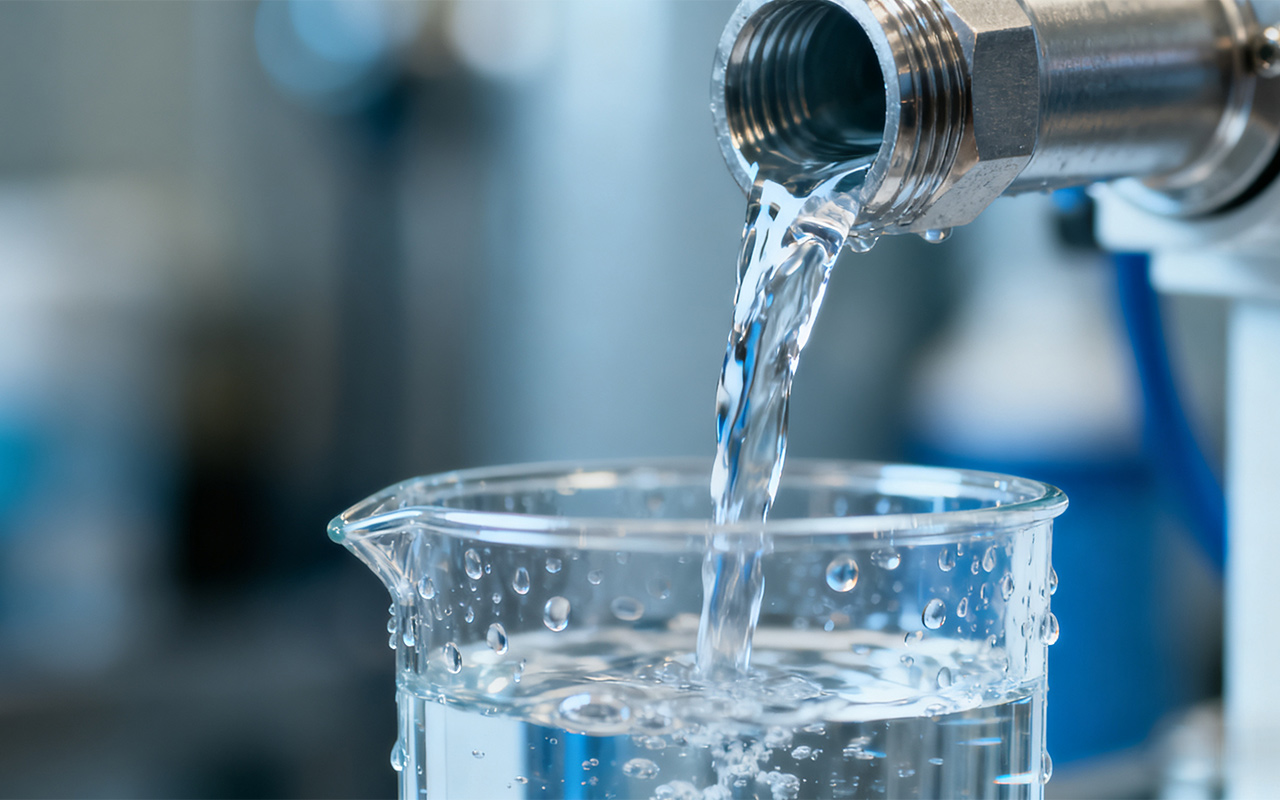
A reliable water treatment system is essential across many industries. In pharmaceutical manufacturing, water quality directly impacts product safety and regulatory compliance.
This guide covers how to operate and protect a water treatment system. It includes daily checks, common problems, and best practices. Keywords such as water filter systems and water purifier systems appear naturally, as they form key parts of the overall process.
SKE&EAGLE designs and builds pharmaceutical-grade water treatment equipment. We share practical knowledge to help operators keep their water treatment system running longer and more efficiently.
Why Proper Operation Matters
A water treatment system removes impurities, particles, ions, and microbes from source water. In pharmaceutical plants, the final product must meet strict standards such as USP or EP water for injection.
When operators follow correct procedures, the water treatment system produces consistent-quality water. When maintenance is neglected, filters clog, membranes foul, and pump components degrade prematurely. These problems raise costs and risk production stops.
Daily monitoring starts with checking key parameters. Operators track inlet pressure, flow rate, conductivity, and temperature at regular intervals. Most modern systems display these values on a control panel. Recording the numbers helps detect slow changes before they become failures.
For example, a gradual rise in differential pressure across a filter often signals the need for cleaning or replacement. Ignoring this signal forces the pump to work harder and shortens its life.
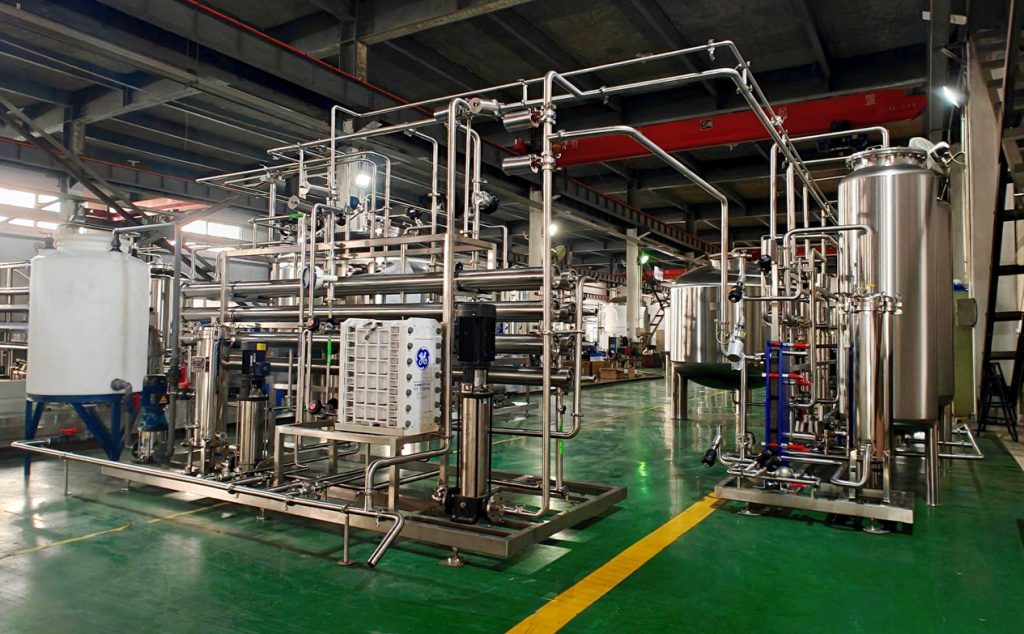
Water filter systems play a central role in the early stages of treatment. Pre-filters catch large particles and protect downstream components. Cartridge filters and bag filters are common choices. Operators must replace them according to the pressure-drop schedule rather than a fixed calendar date.
Using the wrong micron rating can either let particles through or create unnecessary resistance. Both mistakes reduce the efficiency of the water treatment system.
Water purifier systems, including reverse osmosis and electrodeionization units, handle finer purification. These stages are sensitive to feed-water quality. If pre-treatment fails, scaling or organic fouling quickly appears on membranes.
Regular cleaning cycles and proper antiscalant dosing prevent most of these issues. SKE&EAGLE systems include automated flushing and chemical-clean options that simplify this work.

Daily Checks That Protect Your Equipment
A short daily checklist keeps most problems small.
- First, walk around the skid and look for leaks at flanges, valves, and instrument ports. Even a small drip can lead to corrosion or electrical faults over time.
- Second, confirm that the feed pump runs smoothly and without unusual noise or vibration.
- Third, verify that the product water meets specified resistivity and total organic carbon (TOC) limits.
- Fourth, check chemical dosing tanks for level and concentration.
- Finally, review the alarm history on the control screen and clear any resolved messages.
These simple steps take only a few minutes yet protect expensive components. Membranes, UV lamps, and high-purity piping cost far more to replace than the time spent on inspection.
In pharmaceutical settings, documented checks also support audit readiness. Operators should record results in a logbook or electronic system so trends become visible over weeks and months.
Temperature control is another important daily task. Many water treatment systems operate best within a narrow temperature band. Cold feed water slows chemical reactions and reduces membrane flux. Hot water can damage plastic components or encourage microbial growth.
If plant water temperature changes with the seasons, operators may need to adjust heat exchangers or install additional temperature control loops. SKE&EAGLE equipment often includes temperature sensors linked to the main controller, so alarms sound before limits are exceeded.
Scheduled Maintenance for Long-Term Reliability
Beyond daily checks, planned maintenance keeps the water treatment system healthy. Manufacturers usually provide a recommended schedule based on operating hours or calendar time.
Typical tasks include replacing pre-filters every one to three months, sanitizing storage tanks and distribution loops quarterly, and performing membrane clean-in-place (CIP) procedures when flux declines by a set percentage. Annual work covers pump seal inspection, instrument calibration, and full system sanitization.
A well-organized maintenance plan reduces emergency repairs. When filters and membranes are changed on time, high-pressure pumps experience less stress. When instruments stay calibrated, operators make decisions based on accurate data rather than guesswork. In regulated industries, these records also demonstrate compliance during inspections.
Water filter systems require special attention during scheduled work. Operators should note the exact filter type, micron rating, and manufacturer part number. Using an incorrect replacement can change the pressure profile of the entire train.
After each filter change, the water treatment system needs a short rinse period so residual particles or manufacturing debris do not reach the next stage. Documenting the differential pressure before and after the change confirms that the new filter performs as expected.
Water purifier systems benefit from the same discipline. Reverse-osmosis membranes last longer when operators follow the correct clean-in-place sequence and use the right chemicals at the right concentration. Over-cleaning damages the membrane surface, while under-cleaning allows permanent fouling.
SKE&EAGLE provides clear cleaning recipes and recovery targets so plant staff can restore performance without guesswork.
Common Problems and How to Prevent Them
Fouling remains the most frequent issue in a water treatment system. Scale forms when hardness ions exceed solubility limits. Biofilm grows when nutrients and warm temperatures combine. Organic fouling appears when feed water carries oils or natural organic matter.
Each type of fouling reduces flow and increases pressure drop. Prevention starts with proper pre-treatment and continues with regular monitoring of the Langelier Saturation Index or similar scaling indices.
Pump failures rank second in cost and downtime. Cavitation, dry running, and seal leakage are the usual causes. Cavitation occurs when inlet pressure falls too low. Dry running happens if a low-level switch fails or operators forget to open a valve. Mechanical seals wear faster when water contains abrasive particles.
Installing adequate suction strainers, maintaining proper net positive suction head, and selecting the correct seal material all help extend pump life.
Microbial control is critical in pharmaceutical applications. Even after purification, bacteria can grow in stagnant sections of the distribution loop. Continuous recirculation, periodic hot-water sanitization, and carefully designed dead-leg-free piping reduce this risk.
UV units and ozone systems provide additional barriers. Operators must replace UV lamps according to the manufacturer’s operating-hour rating and clean the quartz sleeves so light intensity stays high enough to kill microbes.
Recommended Maintenance Intervals
| Component | Typical Interval | Key Action | Notes |
|---|---|---|---|
| Pre-filters | 1–3 months or ΔP limit | Replace cartridges or bags | Record differential pressure |
| RO membranes | Clean when flux drops 10–15% | Perform CIP cycle | Follow chemical recipe exactly |
| EDI modules | Quarterly inspection | Check for scaling and leaks | Monitor product resistivity |
| Storage tanks | Every 3 months | Drain, clean, and sanitize | Use validated procedure |
| Distribution loop | Continuous recirculation | Hot-water or chemical sanitize | Keep velocity above 1 m/s (3.28 ft/s) |
| Instruments | Annually | Calibrate conductivity and TOC | Use certified standards |
| High-pressure pumps | 6–12 months | Inspect seals and bearings | Check vibration levels |
| UV lamps | According to operating hours | Replace lamp and clean sleeve | Verify intensity after change |
This table gives a practical starting point. Actual intervals depend on feed-water quality, operating hours, and system design. SKE&EAGLE engineers adjust the schedule for each installation during commissioning.
Protecting the System During Shutdowns and Restarts
Planned shutdowns still require care. If the water treatment system will stop for more than a few days, operators should flush the membranes with clean water and then fill them with a preservative solution.
Stagnant liquid in partially filled tanks encourages microbial proliferation. Tanks should be drained and dried, or kept under a nitrogen blanket where possible. Before restart, a full sanitization cycle is usually required to bring the water treatment system back into validated status.
Emergency power failures create special risks. When pumps stop suddenly, water can stagnate and pressure can drop in critical sections. Uninterruptible power supplies (UPS) for the control system and automated restart logic help mitigate these risks.
After power returns, operators must verify that all valves return to the correct positions and that no alarms remain active before releasing product water for use.

Training and Documentation Support Reliable Operation
Even the best equipment fails when operators lack clear instructions. Training should cover normal operation, alarm response, and basic troubleshooting. Written standard operating procedures must match the actual control screens and valve positions.
When SKE&EAGLE delivers a new water treatment system, we provide site-specific manuals and hands-on training so plant staff can work confidently from day one.
Documentation also supports continuous improvement. Trend graphs of pressure, flow, and quality parameters reveal gradual changes that daily checks might miss. Comparing current performance with original commissioning data shows whether the water treatment system still meets design intent.
When performance declines, the records help identify the root cause faster and reduce the time needed for corrective action.
FAQ: Common Questions About Water Treatment System Care
1.How often should I replace filters in a water filter system?
Replace filters when differential pressure reaches the manufacturer’s limit or according to the validated schedule. Fixed calendar dates alone are less reliable because feed-water quality can change.
2.What is the best way to protect reverse-osmosis membranes?
Maintain proper pre-treatment, dose antiscalant correctly, clean membranes when flux declines, and avoid operating outside the recommended pH and temperature ranges.
3.Can I use the same cleaning chemicals for all stages of a water purifier system?
No. Each stage has specific chemical compatibility. Always follow the system supplier’s cleaning recipes to avoid damage.
4.Why does my conductivity rise after a weekend shutdown?
Stagnation allows ions or microbes to increase. A short flush and sanitization cycle usually restores the correct quality.
5.What happens if I ignore rising differential pressure?
Pumps work harder, energy use rises, and membranes or filters can be damaged permanently. Early action is always cheaper.
6.Is hot-water sanitization better than chemical sanitization?
Both methods work when applied correctly. Hot water avoids chemical residues but requires materials that can handle the temperature. Chemical methods are useful when heat is not practical.
Conclusion
A well-operated water treatment system delivers consistent pure water and protects the investment made in the equipment. Daily checks, scheduled maintenance, and timely response to alarms form the foundation of reliable performance.
Water filter systems and water purifier systems both benefit from the same disciplined approach. SKE&EAGLE continues to support pharmaceutical manufacturers with robust designs and practical guidance, so every water treatment system runs safely and efficiently for years.
For customized system engineering solutions or integration of high-performance water treatment technologies, please contact SKE & Eagle. Our professional team collaborates closely with industrial partners to design, implement, and maintain solutions tailored to your operational needs.
Official Website: https://www.ske-eagle.com/
Contact Email: info@ske-eagle.com
Follow us on Facebook for the latest industry insights: SKE & Eagle Facebook
Business Inquiries: Visit our official website and submit the contact form at the bottom.