

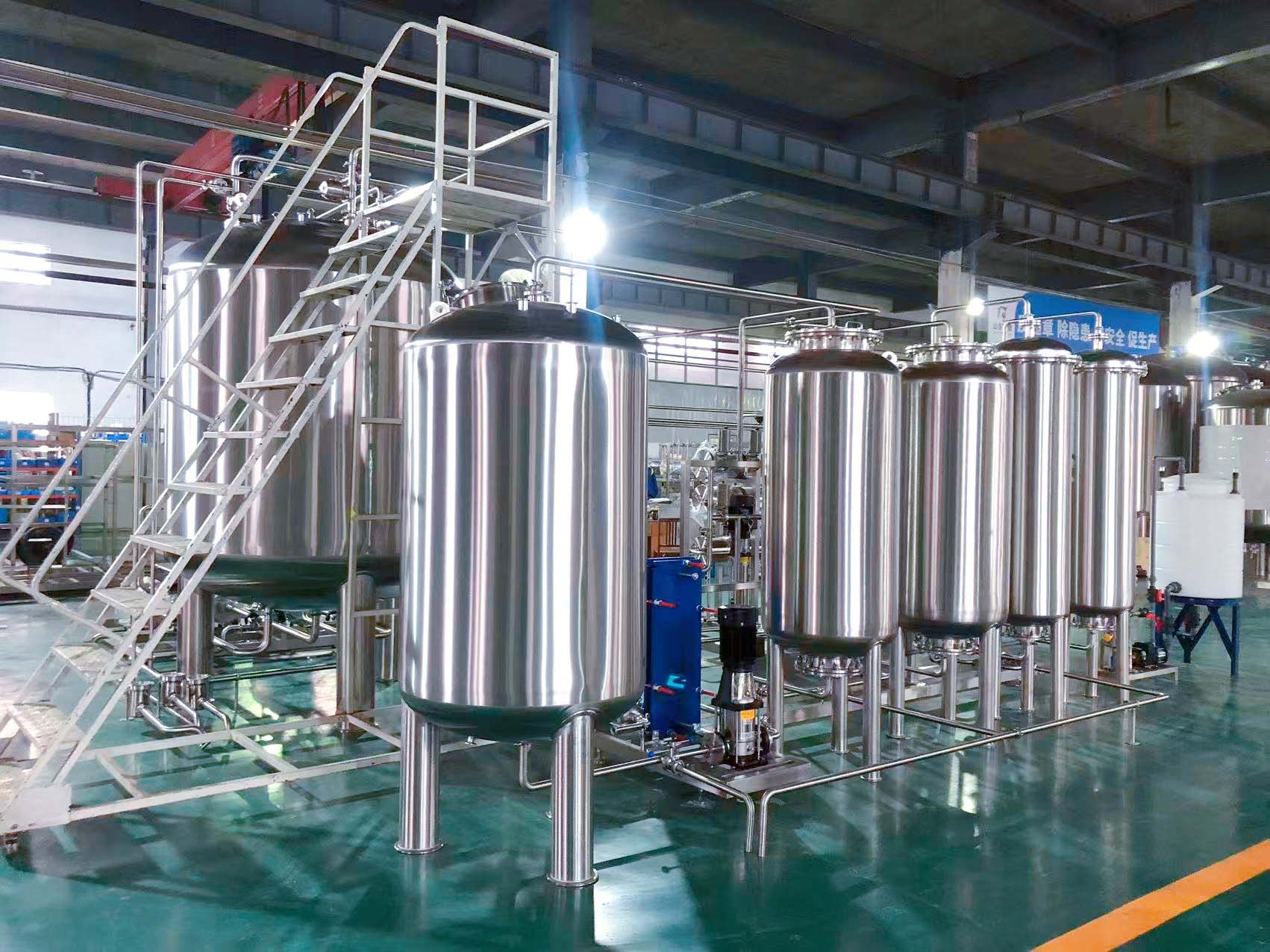
Water is the most ubiquitous raw material in the global pharma sector, yet it is often underestimated as a cornerstone of product safety, regulatory compliance, and manufacturing efficiency. Water in pharmaceutical industry is not just a simple solvent or cleaning agent—it is a regulated component that directly impacts patient health, brand reputation, and bottom-line profitability. Even minor impurities in water can derail entire production batches, which is why mastering water in pharmaceutical industry standards is non-negotiable for every reputable manufacturer. For global pharma brands and equipment suppliers like SKE&EAGLE, understanding the nuances of water quality, usage, and governance is critical to thriving in competitive international markets.
This guide breaks down everything you need to know about regulated water usage, common pitfalls, and best practices centered around water in pharmaceutical industry protocols. We dive into water for pharmaceutical purposes standards, real-world applications, and actionable strategies to avoid costly mistakes while optimizing operations. Whether you operate a small-scale API facility or a large sterile production plant, mastering water in pharmaceutical industry management is the first step to consistent compliance and high-quality output.
Why Water in Pharmaceutical Industry Is Non-Negotiable for Regulatory Success
Regulatory bodies worldwide—including the USP, EP, FDA, and WHO—enforce strict guidelines for water pharmaceutical use, as contaminated water is one of the top causes of pharma product failures.Water in pharmaceutical industry is held to far stricter purity benchmarks than any other industrial sector, because water interacts with active pharmaceutical ingredients (APIs), excipients, and equipment surfaces throughout production. Poor water quality can alter chemical composition, foster microbial growth, and introduce endotoxins that pose severe health risks to patients, making compliance for water in pharmaceutical industry non-negotiable.
Every batch of medication, from oral tablets to injectable therapies, relies on purified water that meets predefined quality benchmarks. Water used in pharmaceutical industry must undergo rigorous purification, testing, and monitoring to eliminate contaminants such as heavy metals, microbes, organic compounds, and particulate matter. For manufacturers, cutting corners on water treatment not only violates compliance but also puts patients at risk—making water governance a moral and business imperative.

Core Grades of Water for Pharmaceutical Purposes: A Quick Comparison Table
Not all water is created equal in pharma manufacturing, and understanding grade distinctions is core to water in pharmaceutical industry compliance. Different production stages require specific water grades, each with unique purity standards and use cases tailored to water in pharmaceutical industry requirements. Below is a comprehensive table outlining the key grades of water for pharmaceutical purposes, their regulatory thresholds, and primary applications to streamline your quality control processes.
| Water Grade | Key Regulatory Standards | Purity Requirements | Primary Water Use in Pharmaceutical Industry |
| Purified Water (PW) | USP <1231>, EP 5.1.3 | Low ionic/organic impurities, controlled bioburden | Non-parenteral product formulation, equipment cleaning, laboratory testing |
| Water for Injection (WFI) | USP <1231>, EP 0169 | Zero endotoxins, ultra-low microbial count, high chemical purity | Injectable drugs, sterile products, parenteral nutrition preparation |
| Pure Steam | USP, EP GMP Standards | Condensate matches WFI/PW purity, no additives | Sterilization of equipment, piping, and product contact surfaces |
| Drinking Water (Feed Water) | WHO, EPA Drinking Water Guidelines | Safe for human consumption, basic contaminant controls | Initial equipment rinsing, feed water for purification systems |
This table simplifies the classification ofwater used in pharmaceutical industry and aligns with standard water in pharmaceutical industry frameworks, helping manufacturers select the right grade for each process and avoid cross-contamination risks. Pairing the correct water type with your production workflow is critical to meeting GMP requirements and avoiding costly rework or compliance gaps related to water in pharmaceutical industry.
Key Applications of Water in Pharmaceutical Industry Across Production Stages
Water in pharmaceutical industry serves dozens of critical functions across the entire manufacturing lifecycle, from raw material processing to final product packaging. Every stage of production relies on regulated water in pharmaceutical industry protocols to maintain purity and consistency. Understanding these applications helps manufacturers design targeted water treatment systems and implement robust monitoring protocols for water in pharmaceutical industry. The most common uses include ingredient formulation, equipment sanitation, API synthesis, and laboratory quality testing.
In formulation, water for pharmaceutical purposes acts as a primary solvent for APIs and excipients, ensuring uniform mixing and consistent product potency. For equipment cleaning, water removes residual drugs, contaminants, and biofilms to prevent cross-batch contamination—a top priority for sterile manufacturing. Even laboratory testing relies on high-purity water to ensure accurate test results and reliable quality checks.
Water pharmaceutical use also extends to utility processes, such as heating, cooling, and humidification in controlled manufacturing environments. These indirect uses still require strict quality controls, as any contact with product surfaces can compromise purity. Every drop of water that enters a pharma facility, whether direct or indirect, must be treated and monitored to align with industry standards.

Top 3 Costly Mistakes in Water Use in Pharmaceutical Industry
Even experienced pharma manufacturers make avoidable errors with water management that violate water in pharmaceutical industry rules and lead to compliance failures and financial losses. The most common mistake is inadequate monitoring of bioburden and endotoxin levels, which allows microbial growth in storage tanks and piping—one of the most prevalent risks in water in pharmaceutical industry management. Biofilms are particularly problematic, as they shield bacteria from standard disinfection and contaminate entire water systems over time, compromising water in pharmaceutical industry integrity.
A second critical error is using the wrong water grade for a production task—such as employing purified water instead of WFI for injectable products. This violation immediately renders batches non-compliant and requires full disposal, wasting raw materials and labor. Thirdly, neglecting regular maintenance of water purification systems (RO, distillation, UV treatment) leads to equipment failure, inconsistent water quality, and unplanned production downtime.
These mistakes highlight why proactive water management is far more cost-effective than reactive fixes. Investing in reliable purification equipment and routine testing safeguards compliance, reduces waste, and protects your brand’s global reputation. For international manufacturers, adhering to strict water used in pharmaceutical industry standards also simplifies market entry across different regulatory regions.
How to Optimize Water Pharmaceutical Use for Efficiency & Compliance
Optimizing water in pharmaceutical industry operations balances purity, compliance, and sustainability—key goals for modern pharma manufacturers focused on water in pharmaceutical industry excellence. Start by conducting a full audit of your water usage to identify waste points and inefficiencies, such as overuse of high-grade water for low-risk tasks that don’t meet strict water in pharmaceutical industry criteria. Implementing closed-loop water systems can reduce consumption by up to 40% while maintaining strict purity controls aligned with water in pharmaceutical industry standards.
Next, invest in automated monitoring systems that track conductivity, TOC, bioburden, and endotoxin levels in real time. These systems provide instant alerts for quality deviations, allowing teams to address issues before batches are affected. Partnering with reputable equipment suppliers like SKE&EAGLE ensures access to cutting-edge purification and monitoring tools designed specifically for global pharma standards.
Training your team on water for pharmaceutical purposes protocols is equally vital. Staff must understand regulatory requirements, proper system operation, and contamination prevention tactics to maintain consistent water quality. Regular refresher training and documented SOPs create a culture of quality and reduce human error in water management.
FAQ: Answering Top Questions About Water in Pharmaceutical Industry
Below are the most frequently asked questions aboutwater use in pharmaceutical industry, covering compliance, quality, and operational best practices for global manufacturers.
Q1: What is the difference between water for pharmaceutical purposes and regular industrial water?
A: Regular industrial water is treated for basic industrial use, with minimal purity controls and no regulatory oversight for patient safety. Water for pharmaceutical purposes is strictly regulated by global pharmacopeias, with mandatory limits on microbes, endotoxins, chemicals, and particulates. It is purpose-built to ensure medication safety and GMP compliance, making it far more purified and monitored than standard industrial water.
Q2: How often should water used in pharmaceutical industry be tested?
A: Testing frequency depends on water grade and usage: high-purity grades like WFI require continuous real-time monitoring and daily microbial testing, while purified water typically needs weekly chemical and bioburden testing. Feed water should be tested monthly to ensure it meets baseline standards. All testing must be documented for regulatory audits, with clear alert and action levels for quality deviations.
Q3: What are the biggest contaminants to watch for in water pharmaceutical use?
A: The most hazardous contaminants are microbial pathogens, endotoxins, heavy metals, organic compounds, and particulate matter. Endotoxins are particularly dangerous for injectable products, as they can cause severe fever and septic shock in patients. Biofilms in piping and storage tanks are a common source of recurring contamination, requiring regular sanitization to eliminate.
Q4: Can recycled water be used for pharmaceutical purposes?
A: Yes, recycled water can be used in pharmaceutical industry only after extensive re-purification to meet regulatory standards. Closed-loop systems treat and reuse wastewater from non-critical processes, reducing water consumption and environmental impact. However, recycled water must never be used for sterile or injectable product manufacturing without full revalidation to meet WFI or PW standards.
Q5: How does SKE&EAGLE support water quality in pharmaceutical manufacturing?
A: SKE&EAGLE designs and supplies premium water purification, monitoring, and storage equipment tailored for global pharma standards. Our solutions ensure consistent production of water for pharmaceutical purposes, automate compliance tracking, and minimize contamination risks. We provide end-to-end support for system installation, validation, and maintenance, helping international manufacturers maintain seamless water quality and regulatory compliance.
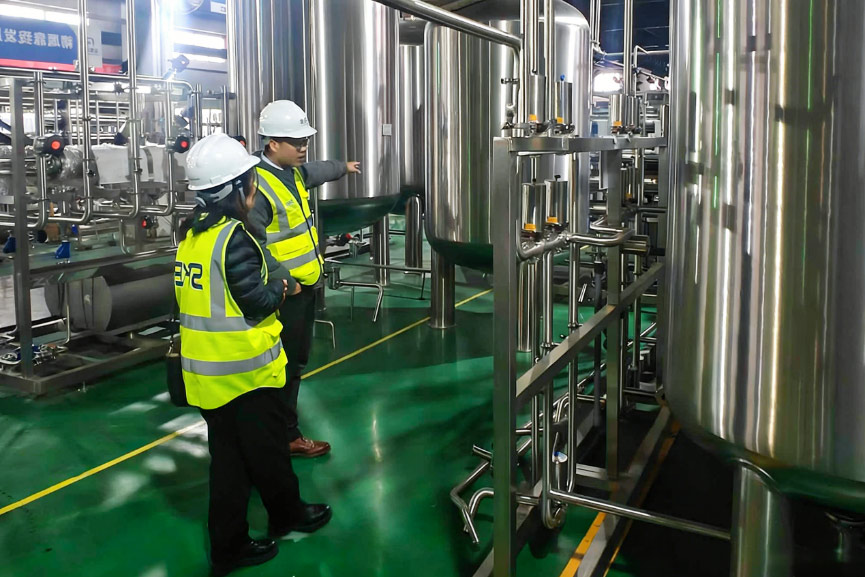
Final Thoughts: Elevate Your Pharma Operations With Strategic Water Management
In the highly regulated pharmaceutical sector, water in pharmaceutical industry is not a secondary concern—it is a foundational element of success that defines product safety and regulatory standing. Cutting corners on water purity or water in pharmaceutical industry compliance leads to devastating consequences, including recalls, fines, and reputational damage. Proactive, strategic water in pharmaceutical industry management drives efficiency, safety, and long-term profitability, and every manufacturer must prioritize water quality as fiercely as they prioritize API purity to protect patients and their brand.
By understanding water pharmaceutical use guidelines, implementing robust purification systems, and conducting rigorous monitoring, you can eliminate contamination risks and streamline regulatory audits. Partnering with experienced equipment providers like SKE&EAGLE further ensures your water systems are built to meet global standards, adapt to evolving regulations, and support sustainable, high-quality production.
For international pharma manufacturers, mastering water in pharmaceutical industry protocols is the key to scaling operations, entering new markets, and building trust with healthcare providers and patients worldwide. Never overlook the power of pure, compliant water rooted in water in pharmaceutical industry best practices—it is the lifeblood of safe and effective pharmaceutical manufacturing.