

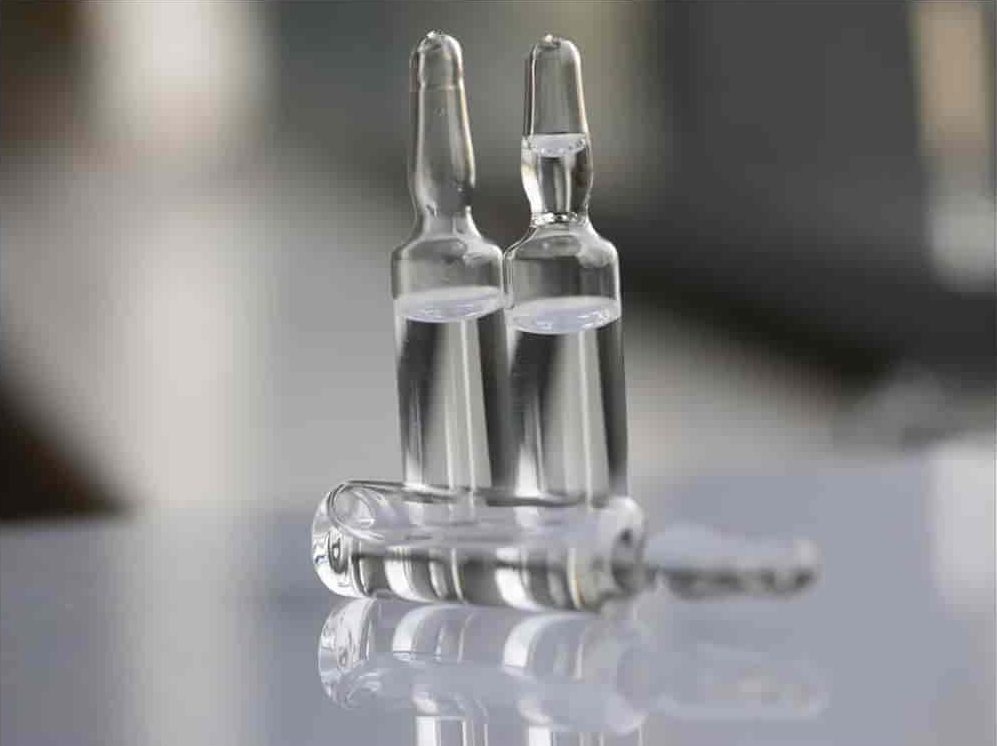
Introduction to Water for Injection Production
Water for Injection (WFI) is a critical pharmaceutical-grade water type used in sterile manufacturing processes, including parenteral solutions, dialysis, and injectable drugs. Achieving the stringent purity requirements for WFI involves an intricate combination of water treatment technologies, engineering precision, and rigorous quality standards.
At its core, WFI production requires eliminating microbial contamination, endotoxins, and pyrogens while maintaining ultra-high levels of chemical and particulate purity. Due to its directly injectable application into the human body, water for injection demands reliability and assurance of consistently meeting regulatory expectations.
SKE & Eagle, recognized for its engineering standards and comprehensive water treatment solutions, has contributed substantially to the design and manufacture of advanced WFI systems that combine proven purification technologies with robust control systems. These advancements ensure pharmaceutical manufacturers maintain continuous compliance and operational efficiency.
This article will explore detailed aspects surrounding water for injection production, including regulatory frameworks, engineering challenges, latest technologies, quality control measures, and future innovations.
Regulatory and Quality Standards for WFI
Understanding the regulatory frameworks that govern Water for Injection production is paramount. Various pharmacopeias set strict criteria for purity, endotoxin levels, and microbial counts. The United States Pharmacopeia (USP), European Pharmacopeia (Ph. Eur.), and Japanese Pharmacopoeia (JP) outline these standards clearly.
Key requirements for WFI include:
- Endotoxin Limits: Endotoxin levels must not exceed 0.25 EU/mL, necessitating stringent biological contamination controls.
- Microbial Criteria: WFI systems require validated sanitization to maintain absence of viable microorganisms.
- Chemical Purity: Total organic carbon (TOC) is a primary chemical purity indicator, with limits generally not exceeding 500 ppb or as specified by pharmacopeials.
Regulations also dictate routine monitoring and validation of purification systems, including periodic endotoxin testing and microbial enumeration to verify the system maintains continuous compliance.
SKE & Eagle’s technology integrates automated monitoring systems capable of real-time endotoxin and TOC measurement, supporting compliance with guidelines such as USP <1231> and Ph. Eur. monographs.
Additionally, validation protocols emphasize installation qualification (IQ), operational qualification (OQ), and performance qualification (PQ) stages. These are essential for ensuring that the WFI production system performs according to design specifications under operational conditions.
For pharmaceutical manufacturers exploring or maintaining compliance, understanding these standards is fundamental to selecting and operating water systems that meet rigorous industry expectations.
Water for Injection Production Methods and Technologies
The production of Water for Injection involves multiple purification steps, each targeting a specific range of impurities. Technologies commonly employed include reverse osmosis (RO), ultrafiltration, distillation, and electrodeionization. The choice of technology directly impacts the system’s ability to meet quality, sustainability, and energy efficiency goals.
Multistage Distillation: Traditionally, WFI has been produced by multistage distillation. This method effectively removes endotoxins and pyrogens through vaporization and subsequent condensation, ensuring ultrapure output. However, distillation systems often entail higher operational costs and energy consumption.
SKE & Eagle’s distillation technologies are engineered for optimal thermal efficiency and system longevity, incorporating corrosion-resistant materials suitable for ultra-pure water applications.
Reverse Osmosis with Ultrafiltration and Thermal Sanitization: Modern pharmaceutical facilities increasingly adopt membrane-based technologies, particularly enhanced RO combined with ultrafiltration membranes and thermal sanitization protocols. This hybrid approach enables continuous WFI production with lower energy consumption while maintaining compliance with pharmacopeial standards.
Electrodeionization (EDI): EDI technology uses electrical currents to remove ionized species continuously and can be integrated after RO to polish water quality further, enhancing system efficiency and reducing chemical waste.
The choice between distillation and membrane-based production depends on factors such as plant size, energy availability, sustainability goals, and capital expenditure. SKE & Eagle consults closely with partners to tailor systems incorporating the most appropriate technologies for each application.
Diagram (described): Imagine a flow diagram starting with pretreatment (such as carbon filtration, softening), followed by RO and ultrafiltration units, then either passing through a distillation column or EDI unit, and ending in WFI storage tanks fitted with continuous circulation and sanitization loops.
The complexity of design ensures each stage complements the next, preventing microbial ingress and ensuring stable output quality.
For further architectural insights into advanced water purification systems, SKE & Eagle’s pharmaceutical water systems solutions provide exhaustive resources and technical case studies.
Engineering Challenges and Design Solutions
Producing Water for Injection at pharmaceutical-grade purity presents many engineering challenges. The primary concerns include maintaining sterility throughout the system, minimizing dead legs and contamination risk, and ensuring thermal sanitization without compromising material integrity.
Material Selection: The entire system – from piping to storage tanks – must be constructed from materials resistant to corrosion and compatible with aggressive sanitization methods (e.g., stainless steel 316L). SKE & Eagle applies rigorous material standards aligned with ASTM and ASME certifications to optimize longevity and safety.
Looping and Circulation: Continuous circulation in WFI distribution loops is critical to prevent microbial proliferation. System design must minimize stagnation points and dead legs. Sophisticated CAD modeling tools help engineers from SKE & Eagle design optimized pipe geometry that maximizes turbulent flow velocity, essential for avoiding biofilm formation.
Sanitization Protocols: Thermal sanitization (hot water loops) or chemical sanitization is integrated into the design. Engineering the heating elements and insulation to maintain temperature with minimal energy loss while providing uniform heat distribution demands advanced thermal system design expertise.
Control and Automation: Modern systems incorporate automated control valves, temperature and conductivity sensors, and real-time monitoring dashboards connected to SCADA systems. These precise controls safeguard water quality and enable early fault detection.
Scalability and Maintenance: Another considerable challenge is designing a system scalable to future production expansions yet maintainable with minimal downtime. Modular engineering approaches provided by SKE & Eagle help reduce operational interruptions and facilitate rapid service access.
Throughout the design phase, risk assessment methodologies such as FMEA (Failure Mode and Effects Analysis) are utilized to identify potential failure points and formulate preventive maintenance schedules.
An illustrative example involves loop design: ensuring that all piping has a slope to discharge condensate, combined with weld inspection protocols per ASME BPE guidelines, significantly reduces contamination risks.
These engineering innovations reflect the core manufacturing capabilities and reliability standards that define SKE & Eagle’s approach to pharmaceutical water systems engineering.
System Reliability and Supply Chain Considerations
The reliability of Water for Injection production systems is critical for uninterrupted pharmaceutical manufacturing. Supply chain robustness and comprehensive lifecycle support from design through maintenance form the backbone of system dependability.
Component Quality and Traceability: Using certified components with traceable origin and quality documentation reduces risks associated with unexpected failures or contaminations.
Redundancy and Fail-Safe Design: Skilled application of redundancy principles in pumps, sensors, and control electronics ensures systems continue operating even when components fail.
SKE & Eagle’s vertical integration and commitment to quality management under ISO 9001, combined with detailed documentation and training support, enable pharmaceutical clients to maintain highest reliability and regulatory compliance.
Preventative Maintenance: Scheduled inspections and predictive maintenance driven by IoT-enabled sensors minimize unplanned downtimes.
Operational Training and Support: Beyond supplying equipment, continuous training programs ensure operators fully understand system parameters and can react promptly to deviations.
With global supply chain challenges, SKE & Eagle emphasizes local sourcing of raw materials and modular system designs to reduce lead times and optimize spare parts availability.
In-depth insights on integrated system reliability and maintenance strategies can also be found in the company’s literature on clean-in-place solutions, critical for ensuring sanitized system performance.
Inspection, Validation, and Quality Control Practices
Rigorous inspection and systematic validation are indispensable in Water for Injection production to guarantee compliance and patient safety.
Validation Protocols: During commissioning, IQ, OQ, and PQ validate installation, operational limits, and system performance, respectively. This includes microbial challenge testing, endotoxin assays, and TOC measurements.
Routine Monitoring: Online sensors continuously track conductivity, temperature, flow rate, and TOC. Sampling ports strategically placed along the distribution loop enable periodic microbial sampling without system interruption.
Calibration and Documentation: Maintaining traceable calibration of test instruments ensures data reliability – a critical factor audited by regulatory agencies.
Continuous Improvement: Root cause analysis of deviations and trend analysis of quality parameters facilitate proactive interventions.
Incorporating advanced digital data logging and electronic batch records further supports compliance and quality control efficiency.
SKE & Eagle’s expertly designed validation systems align with guidelines from USP <1072> and cGMP, extending to integrated automation resources that simplify documentation and verification processes.
For additional information on quality assurance processes in clean water manufacturing, see SKE & Eagle’s validation services.
Future Trends and Innovations in WFI Production
The pharmaceutical industry continually evolves, driving innovation in Water for Injection production technologies and practices.
Sustainability and Energy Efficiency: New systems increasingly focus on reducing energy consumption via heat recovery and hybrid membrane-distillation processes. SKE & Eagle is pioneering equipment designs that integrate renewable energy sources for thermal processes reducing carbon footprint.
Real-Time Molecular Monitoring: Advances in sensor technology facilitate continuous endotoxin and TOC monitoring at molecular levels, enabling immediate corrective actions.
AI-Driven Process Optimization: Implementation of artificial intelligence and predictive analytics to anticipate system stress points, optimize sanitization cycles, and improve preventive maintenance scheduling.
Modular and Flexible System Architectures: Increasing demand for rapid pharmaceutical product changes is ushering modular WFI systems allowing flexible scale-up or down and integration with existing cleanroom infrastructure.
Regulatory Evolution: Emerging standards are likely to further emphasize risk-based approaches and continuous verification, influencing future design priorities.
SKE & Eagle is actively engaged in R&D collaborations focusing on these trends to deliver next-generation water treatment solutions that align with evolving pharmaceutical manufacturing practices and sustainability goals.
Frequently Asked Questions
What is the main purpose of Water for Injection in pharmaceuticals?
Water for Injection is used to prepare sterile pharmaceutical products that are injected directly into the body, requiring the highest purity standards to avoid contamination and ensure patient safety.
Which technologies are commonly used in water for injection production?
Common technologies include multistage distillation, reverse osmosis combined with ultrafiltration, electrodeionization, and thermal sanitization techniques to achieve the ultra-purity required for WFI.
How does SKE & Eagle ensure reliability in Water for Injection production systems?
SKE & Eagle ensures reliability through robust engineering design, use of high-quality materials, integration of automated monitoring and control systems, and adherence to rigorous validation and maintenance protocols.
What are the typical quality control measures for Water for Injection?
Quality control measures include continuous monitoring of endotoxin levels, microbial assessments, total organic carbon testing, conductivity measurements, and routine validation according to international pharmacopeia standards.
What future innovations are anticipated in the Water for Injection industry?
Future innovations focus on sustainability, real-time molecular monitoring, AI-driven process optimization, modular system architectures, and evolving regulatory compliance to enhance efficiency and reduce environmental footprint.
Contact SKE & Eagle for Advanced Water Treatment Solutions
For expert advice, advanced engineering support, and customized Water for Injection production systems, please connect with SKE & Eagle’s team. If you have questions or are considering modernization of your pharmaceutical water systems, feel free to reach out.
Connect with us:
Facebook: SKE & Eagle Facebook
Email: info@ske-eagle.com
We encourage you to visit our website and fill out the contact form at the bottom of the page to discuss your specific project needs with our engineers and product specialists.