

Introduction to Sterile Processing Equipment
Sterile processing equipment plays a critical role in modern healthcare facilities, ensuring that medical instruments and supplies are free from microbial contamination. This is a foundational element for infection control, patient safety, and compliance with global healthcare standards.
As hospitals and clinics push for higher standards of hygiene and operational efficiency, the technology behind sterile processing has evolved significantly. Equipment must not only deliver consistent sterilization performance but also meet rigorous engineering and safety standards, a challenge expertly addressed by companies such as SKE & Eagle.
Understanding the technical facets and practical considerations of sterile processing equipment requires insight into the variety of equipment types, the engineering principles that govern their design, and their integration within healthcare systems. This comprehensive article explores these dimensions in depth, providing expert-driven information designed to guide professionals in selecting, operating, and maintaining sterile processing equipment.
Types and Technologies of Sterile Processing Equipment
The sterile processing workflow includes multiple stages, each served by specific equipment designed to optimize decontamination, cleaning, sterilization, and storage. There are several primary categories of equipment commonly employed in healthcare sterile processing departments:
- Washer-Disinfectors: Automated systems that clean and thermally disinfect reusable medical devices through high-pressure water jets and detergents with precise temperature control.
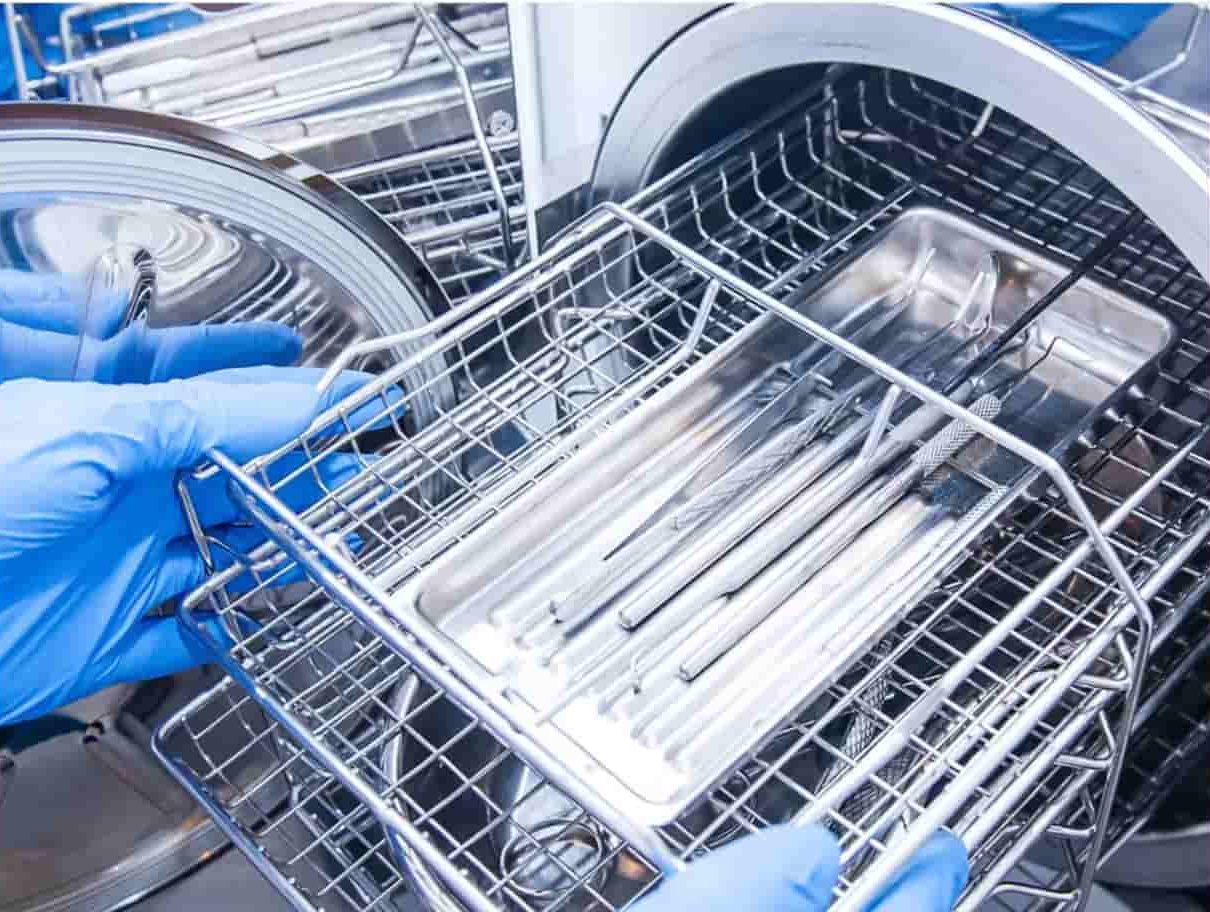
- Steam Sterilizers (Autoclaves): Utilize saturated steam under pressure to kill microbial life, widely regarded as the gold standard for sterilization due to their reliability and effectiveness.
- Low-Temperature Sterilizers: Employ chemical sterilants such as hydrogen peroxide vapor or ozone for heat-sensitive instruments.
- Ultrasonic Cleaners: Leverage high-frequency sound waves to disrupt and remove contaminants from instruments before sterilization.
- Dry Heat Sterilizers: Use high heat without moisture, suitable for powders and oils resistant materials.
The choice among these technologies depends on the load type, instrument material, and operational throughput requirements.
Figure 1: Conceptual workflow of sterile processing utilizing multiple equipment types integrated to form a contamination-free processing cycle.
SKE & Eagle contributes to this field by engineering robust stainless-steel automated washers and sterilizers that comply with stringent FDA and ISO standards. Their medical equipment solutions are designed for repeatable performance and system integration flexibility to optimize hospital sterile processing departments.
Design and Engineering Standards in Sterile Processing
Designing sterile processing equipment requires adherence to multiple international standards that govern safety, efficacy, and usability. Key standards influencing design include:
- ISO 13485: Quality management systems for medical devices, ensuring equipment is designed with risk-based approach and user safety as priorities.
- ANSI/AAMI ST79: Comprehensive guide for steam sterilization and sterility assurance in healthcare facilities.
- FDA 510(k) Clearance: Regulatory clearance for devices intended for sterilization purposes in the United States.
- EN 285: European standard for large steam sterilizers.
- UL and CE Marking: Safety certifications addressing electrical and mechanical safety compliance relevant to sterile processing equipment.
Engineers at SKE & Eagle embody these standards by integrating high-precision controls, corrosion-resistant materials, and modular design concepts. This ensures that the equipment not only meets regulatory requirements but also supports seamless field servicing and operational scalability.
In practice, the engineering process incorporates rigorous validation protocols that simulate operational load conditions and contamination challenges to certify consistent sterilization outcomes.
Operational Principles and Safety in Sterile Processing
At the core of sterile processing equipment operation is the principle of microbial inactivation through validated physical or chemical actions. The principal mechanisms include:
- Thermal Inactivation: Steam sterilizers operate by exposing microbial contaminants to saturated steam at defined pressures and temperatures for specified dwell times, effectively denaturing proteins and lethal damage to nucleic acids.
- Chemical Sterilization: Low-temperature sterilizers use reactive agents like vaporized hydrogen peroxide, ozone, or ethylene oxide to oxidize microbial components.
- Mechanical Cleaning: Washer-disinfectors use agitation, detergents, and rinsing stages to physically remove bioburden prior to sterilization.
Safety protocols are meticulously designed to prevent operator exposure to high temperatures, harmful chemicals, or biohazards. Modern systems by SKE & Eagle incorporate smart sensors and automatic cycle validation to detect anomalies in temperature, pressure, or chemical concentration. This engineering approach enhances infection control and workplace safety.
Additionally, integration with hospital information systems via network connectivity allows precise record-keeping and traceability for sterile instrument batches, critical for compliance and healthcare quality assurance.
Use Cases and Practical Applications in Healthcare
Sterile processing equipment is applied across a variety of healthcare environments including:
- Hospitals and Surgical Centers: Central sterile supply departments utilize comprehensive sterile processing systems to manage high throughput of surgical instruments, endoscopes, and implantable devices.
- Dental Clinics: Require small-scale washers and autoclaves optimized for diverse dental tools.
- Laboratories and Research Facilities: Use sterilizers for biohazardous waste and laboratory glassware.
- Pharmaceutical Manufacturing: Employ sterilization equipment ensuring equipment and product sterility.
One illustrative case is the deployment of SKE & Eagle’s turnkey sterilization systems in multi-hospital networks, where equipment modularity and software interfaces enable custom workflows catering to specific departmental needs.
Through robust engineering, these applications contribute to minimizing hospital-acquired infections, reducing instrument turnaround times, and maintaining compliance with evolving healthcare regulations worldwide.
Criteria for Selecting Optimal Sterile Processing Equipment
Selecting the right sterile processing equipment requires multidisciplinary evaluation based on:
- Load Types and Volume: Matching equipment capacity and cycle types to the instruments and supplies processed to maximize efficiency.
- Material Compatibility: Ensuring sterilization method is compatible with instrument materials to avoid damage.
- Compliance Requirements: Confirming equipment certification meets applicable regulatory and accreditation standards.
- Operational Workflow Integration: Assessing ease of integration with existing hospital software, transport systems, and space constraints.
- Maintenance and Serviceability: Evaluating longevity, ease of maintenance, and local service support.
Buyers should perform lifecycle cost analysis including utility consumption, consumables, and downtime factors.
SKE & Eagle offers extensive consultation services to customize solutions that align with healthcare facility needs, backed by decades of industry expertise and in-depth knowledge of sterile processing dynamics.
Ensuring Quality and System Reliability in Sterile Processing
Equipment reliability directly impacts healthcare outcomes, which requires robust quality management during manufacturing and operation. Best practices include:
- Material Selection: Using corrosion-resistant stainless steel alloys and high durability components.
- Precision Engineering: Tight tolerances in chamber construction and control systems to maintain stable sterilization parameters.
- Redundancy and Fail-Safes: Multiple sensor feedback systems to detect deviations and automatically adjust or halt cycles.
- Continuous Monitoring: Integrated diagnostics and connectivity features enable real-time performance tracking.
- Validation and Routine Testing: Adherence to protocols such as Bowie-Dick test, biological indicators, and chemical integrators to verify sterilization efficacy.
SKE & Eagle’s manufacturing philosophy emphasizes design for maintainability and upgradeability, ensuring that sterile processing equipment remains at peak performance through its operational lifecycle.
Frequently Asked Questions about Sterile Processing Equipment
What is sterile processing equipment used for?
Sterile processing equipment is used to clean, disinfect, sterilize, and store medical instruments and supplies to prevent infection and ensure patient safety in healthcare settings.
How does steam sterilization work in sterile processing equipment?
Steam sterilization works by exposing instruments to saturated steam under pressure at high temperatures, effectively killing all forms of microbial life through protein denaturation and cell membrane disruption.
What standards should sterile processing equipment comply with?
Equipment should comply with standards such as ISO 13485, ANSI/AAMI ST79, FDA 510(k) clearance, EN 285, and have applicable UL or CE safety certifications.
How does SKE & Eagle support sterile processing equipment quality?
SKE & Eagle incorporates industry-leading engineering standards, corrosion-resistant materials, precise control systems, and modular design approaches to deliver reliable sterile processing equipment tailored to healthcare facilities.
What factors should be considered when selecting sterile processing equipment?
Consider the type and volume of loads, material compatibility, compliance with regulations, integration with existing workflows, and maintainability when selecting sterile processing equipment.
Get in Touch with SKE & Eagle
For healthcare professionals and facility managers seeking advanced sterile processing equipment solutions, SKE & Eagle’s expert team offers consultation to align engineering rigor with operational needs.
Engage with our specialists to explore tailored options and technology insights or inquire about sterile processing systems optimized for your facility.
Follow us on Facebook for latest product updates and industry news: SKE & Eagle Facebook
Or email us directly at info@ske-eagle.com to initiate a conversation.
We encourage you to fill out the contact form at the bottom of our website for personalized assistance and to discover how to upgrade your sterile processing department with innovative technology.