

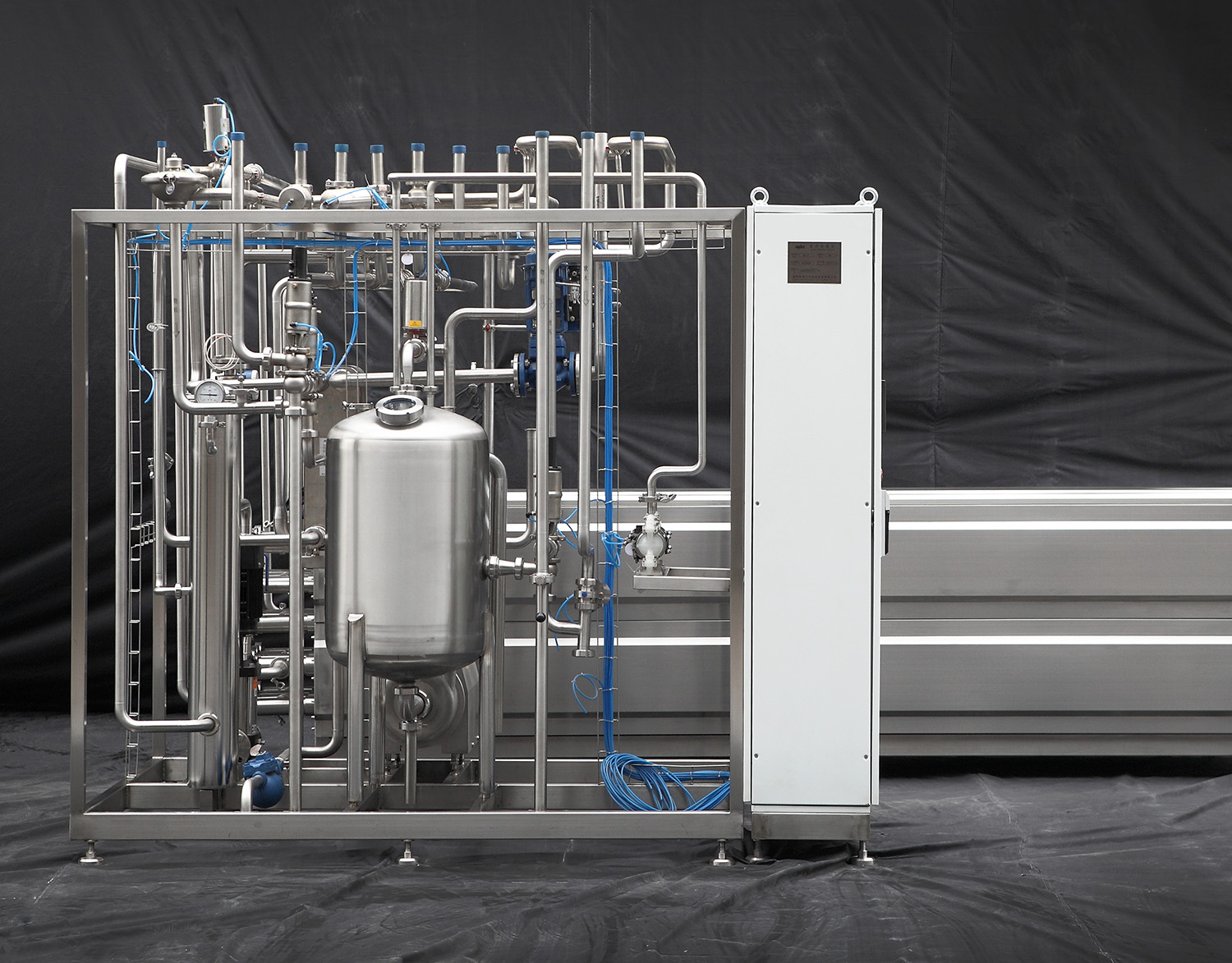
Overview of Small Brewery Equipment
Small brewery equipment forms the backbone of craft and microbrewery operations worldwide, facilitating the production of high-quality beer at reduced scales without compromising product consistency or flavor complexity. Unlike large-scale commercial breweries, small breweries emphasize flexibility, modular design, and cost-effective scalability. The selection, engineering, and integration of brewery equipment is a complex process drawing on multidisciplinary expertise in mechanical engineering, process control, and fluid dynamics.
At its core, typical small brewery equipment includes mash tuns, lauter tuns, boil kettles, fermenters, heat exchangers, and packaging lines—each playing critical roles in the brewing stages from mashing and lautering to fermentation and conditioning. Engineering precision in these components directly impacts flavor profiles and production efficiency. Technological advances in materials, such as corrosion-resistant stainless steel and insulation, have further propelled small brewery capabilities, allowing superior thermal retention and sanitary conditions.
SKE & Eagle, a leader in industrial water treatment and process equipment, underscores the importance of integrating advanced water processing technologies in breweries to ensure optimal water quality—the fundamental ingredient in brewing. Their expertise fosters system reliability and product quality through industry-leading membrane filtration technology and sterilization solutions customized for beverage manufacturing.
As consumer demand increasingly tilts toward craft brews with unique flavor signatures, the role of custom process equipment built on flexible design philosophies has surged. Small brewery operators benefit highly from modular, scalable setups that allow tailored expansions without wholesale investment, facilitating innovation and experimentation.
This article offers a deep technical dive into small brewery equipment essentials, encompassing design, operation, water treatment integration, and industry compliance, while weaving in practical insights from SKE & Eagle’s process engineering leadership.
Design Principles and Engineering Considerations
Crafting an effective small brewery layout and equipment suite requires thorough analysis of process flows, fluid dynamics, thermodynamics, and sanitation protocols. The design must harmonize manufacturing standards with space constraints, energy efficiency, and ease of maintenance.
Engineering small brewery equipment starts with understanding batch sizes and targeted product variety, influencing the dimensioning of mash tuns, fermenters, and storage vessels. Closed-loop temperature control systems are integral to mash and fermentation stages, as thermal profiles dictate enzymatic activity and yeast metabolism. The use of sensors and automated controls enhances reproducibility and adherence to quality standards.
Material selection significantly impacts longevity and hygiene compliance. Stainless steel grades like 304 and 316L offer excellent corrosion resistance and surface smoothness critical for cleanable brewing vessels. Fabrication techniques such as orbital welding reduce crevices where bacteria can harbor.
Thermal insulation plays a crucial role in minimizing energy loss. Insulated fermenters and jacketed kettles allow precise heat retention or dissipation. Modern breweries integrate computer modeling to simulate heat transfer and fluid flow, optimizing vessel geometry for uniform temperature distribution, which is vital for effective mashing and fermentation.
Space efficiency requires innovative design ideation, especially for urban microbreweries. Vertical integration of equipment, multi-use vessels, and modular components help maximize limited footprints. SKE & Eagle’s engineering team often collaborates with breweries to implement space-conscious equipment solutions that preserve operational flexibility.
Incorporating automation and data acquisition systems also elevates operational precision. Advanced controls enable remote monitoring of temperature, pressure, and flow rates during brewing, ensuring consistency batch to batch. Furthermore, automated CIP (clean-in-place) systems reduce downtime and labor costs while adhering to strict hygiene standards essential for product safety.
To summarize, the engineering approach to small brewery equipment synthesizes advanced material science, process control, and ergonomic design, aiming for reliability, efficiency, and regulatory compliance while supporting artisanal creativity.
Core Equipment Types and Their Functions
Understanding the roles and technical specifications of core small brewery equipment is essential for optimal process performance. Below we discuss the primary components and their engineering details.
Mash Tun
The mash tun is typically a jacketed vessel designed for the enzymatic conversion of starches into fermentable sugars. Precision temperature control, achieved through steam jackets or electric heating elements, maintains the mashing temperature typically between 62°C and 72°C to maximize enzymatic activity.
Internal manifolds or sparge arms facilitate even water distribution, and an agitator may be employed to promote homogeneity. Thermal insulation and carefully designed vessel geometry support energy efficiency.
Lauter Tun
The lauter tun separates malt solids from wort; its bottom is fitted with a false bottom, allowing wort to be drained while retaining grain bed integrity. Flow rate control through gradual draining and sparging ensures clarity and extract efficiency.
Materials must be food-grade stainless steel with smooth welds to prevent bacterial contamination. Engineering-wise, hydraulics and fluid bed dynamics are critical considerations for lauter tun designs.
Boil Kettle
Boil kettles bring the wort to a rolling boil, typically lasting 60 to 90 minutes, for sterilization and hop extraction. Steam jackets or direct fire burners provide heat, and agitation systems prevent scorching.
Vessel size and agitation methods influence hop utilization and clarity. Vapor handling systems may be integrated to capture and condense volatiles.
Fermentation Vessels
Fermenters are among the most critical vessels, available as cylindroconical or open-top designs in small breweries. Temperature control jackets and pressure relief valves ensure stable, controlled fermentation conditions.
SKE & Eagle’s experience in water treatment systems complements brewery operations by supplying precise water quality standards, critical for yeast health and fermentation consistency.
Heat Exchangers
Plate or shell-and-tube heat exchangers rapidly cool hot wort post-boil to yeast pitching temperatures. Materials resist corrosion from wort acidity and sanitizing chemicals.
Packaging Equipment
In smaller breweries, bottling or kegging lines are designed to minimize oxygen ingress and maintain carbonation levels. Semi-automated fillers and cappers ensure controlled throughput with sanitation protocols tightly regulated.
Linking to SKE & Eagle’s filtration solutions provides breweries with reliable membrane filters to remove contaminants prior to packaging without compromising taste or aroma.
This integrated equipment ecosystem supports the complete brewing process—from raw materials through fermentation to packaging—with an emphasis on sanitary design, precision control, and sustainable operation.
Water Treatment Integration in Small Breweries
Water quality is paramount in brewing; it constitutes over 90% of the beer’s volume and influences flavor, mouthfeel, and stability. Effective water treatment ensures removal of undesirable chemicals, microbes, and solids while preserving beneficial mineral content.
Small breweries face unique challenges in consistent water treatment due to scale and variable source water profiles. SKE & Eagle specializes in tailored water treatment systems incorporating state-of-the-art membrane filtration technology, such as reverse osmosis and ultrafiltration, aligning with brewing specifications.
Typical treatment stages include:
- Pre-filtration to remove sediments and particulates;
- Activated carbon filtration to address chlorine and organic contaminants;
- Softening or ion exchange for hardness adjustment;
- Membrane filtration to ensure microbiological purity;
- UV sterilization or ozonation for disinfection without chemical residuals.
The engineering design ensures operating pressures and flow rates are compatible with brewery water usage demands. Automation further allows real-time monitoring of water quality parameters to maintain brewing consistency.
SKE & Eagle’s integrated solutions provide scalable and modular water treatment plants adaptable to production expansions or water source changes. Their engineering standards emphasize system reliability, ease of integration with existing infrastructure, and minimal footprint.
Water treatment also intersects with environmental compliance and sustainability goals. Treated effluents meet strict discharge requirements, and water reuse strategies reduce operational costs and ecological impact.
Operation Best Practices and Maintenance
Efficient operation of small brewery equipment requires rigorous maintenance programs, staff training, and procedural adherence to safeguard product quality and equipment uptime. Preventive maintenance strategies focus on:
- Regular inspection of welds and seals;
- Calibration of temperature and pressure sensors;
- Scheduled cleaning using CIP systems tailored to equipment design;
- Timely replacement of gaskets and valves;
- Lubrication of moving mechanical parts where applicable.
Operational protocols also include sanitation routines critical to preventing microbial contamination. Fermentation vessels especially demand stringent cleaning and sterilization.
Modern breweries benefit from implementing digital twin models and Condition Based Monitoring (CBM). These engineering tools enable predictive maintenance, reducing unexpected downtime and extending equipment service life.
SKE & Eagle supports operational excellence by offering advisory services grounded in engineering experience to optimize system performance and troubleshoot common brew house issues.
Training programs for operators emphasize understanding the process control instrumentation and the relationship between brewing variables and product outcomes, reinforcing quality assurance frameworks.
Industry Standards, Compliance, and Quality Assurance
Small brewery equipment must comply with multiple local and international standards covering food safety, pressure vessel codes, and environmental regulations. Common applicable standards include:
- ASME Boiler and Pressure Vessel Code (BPVC) Section VIII for pressure vessels;
- 3-A Sanitary Standards for food and beverage equipment hygiene;
- FDA regulations regarding food contact materials;
- Local health department and environmental agency statutes;
- ISO 9001 for quality management systems.
Designers and manufacturers like SKE & Eagle rigorously apply these standards in fabrication and testing protocols. Advanced welding inspection, surface finish measurements, and material certifications ensure adherence.
Traceability of materials and component certification documentation supports brewery audits and regulatory inspections. Incorporating robust quality management processes reduces contamination risk and assures consumer safety.
Moreover, environmental compliance includes managing wastewater discharge. SKE & Eagle’s expertise in industrial water treatment supports breweries in meeting these obligations efficiently.
A thorough understanding of these compliance frameworks and continuous quality audits are essential elements in small brewery operational success.
Future Trends and Innovations in Brewery Equipment
The craft brewing industry continuously embraces technological innovations enhancing operational efficiency, environmental sustainability, and product diversity. Emerging trends in small brewery equipment include:
- Digitalization and IoT Integration: Smart sensors and cloud-based process controls allow data-driven brewing with enhanced precision and remote management.
- Energy-efficient Systems: Thermal energy recovery and solar integration reduce operational carbon footprints.
- Modular, Mobile Equipment: Designed for rapid deployment or flexible reconfiguration supporting contract brewing.
- Advanced Water Reuse Technologies: Closing water loops to minimize consumption, supported by sophisticated membrane bioreactors.
- Automated Cleaning Innovations: Using robotics or novel cleaning chemistries to optimize CIP systems while reducing chemical usage.
SKE & Eagle stays at the forefront by integrating advanced water treatment innovations and process equipment customizations aligned with these trends, supporting small breweries in evolving their capability and sustainability footprint.
As regulatory pressures heighten and consumer environmental consciousness rises, small breweries investing in state-of-the-art equipment are positioned to leverage operational cost savings while appealing to eco-aware markets.
Frequently Asked Questions
What is the most important factor when selecting small brewery equipment?
The most important factor is aligning equipment capacity, design, and control features with your brewing process goals, batch size, and product variety to ensure efficiency and consistent quality. Additionally, sourcing equipment compliant with food safety and sanitary standards is critical.
How does water treatment affect small brewery operations?
Water treatment directly influences the flavor, safety, and stability of beer. Proper conditioning removes off-flavors and contaminants, while balancing mineral content beneficial to brewing chemistry and yeast health. Integrating reliable water treatment solutions from providers like SKE & Eagle ensures consistent water quality to maintain product standardization.
What maintenance practices are recommended for small brewery equipment?
Regular preventive maintenance including inspection of welds, seals, and instrumentation calibration is vital. Automated CIP cleaning cycles should be followed rigorously to maintain sanitation. Additional use of condition monitoring tools can predict equipment wear and prevent unexpected failures.
Can small brewery equipment be customized to support specialty beers?
Yes, flexible and modular equipment designs allow modification to accommodate diverse brewing techniques and ingredients, enabling production of specialty beers. Collaborating with experienced manufacturers like SKE & Eagle can help tailor equipment to unique process requirements.
What compliance standards must small brewery equipment meet?
Equipment must comply with sanitary design standards such as 3-A, pressure vessel codes (ASME Section VIII), FDA material safety requirements, and local environmental discharge regulations. Ensuring equipment is certified according to these standards guarantees safe and legal operation.
Contact SKE & Eagle for Expert Guidance on Brewery Equipment
For professional consultation on selecting and optimizing small brewery equipment and integrated water treatment solutions, please connect with SKE & Eagle. Visit the contact form at the bottom of our website to discuss your specific needs.
Follow us on Facebook for industry updates: SKE & Eagle Facebook
Or email us directly at info@ske-eagle.com