
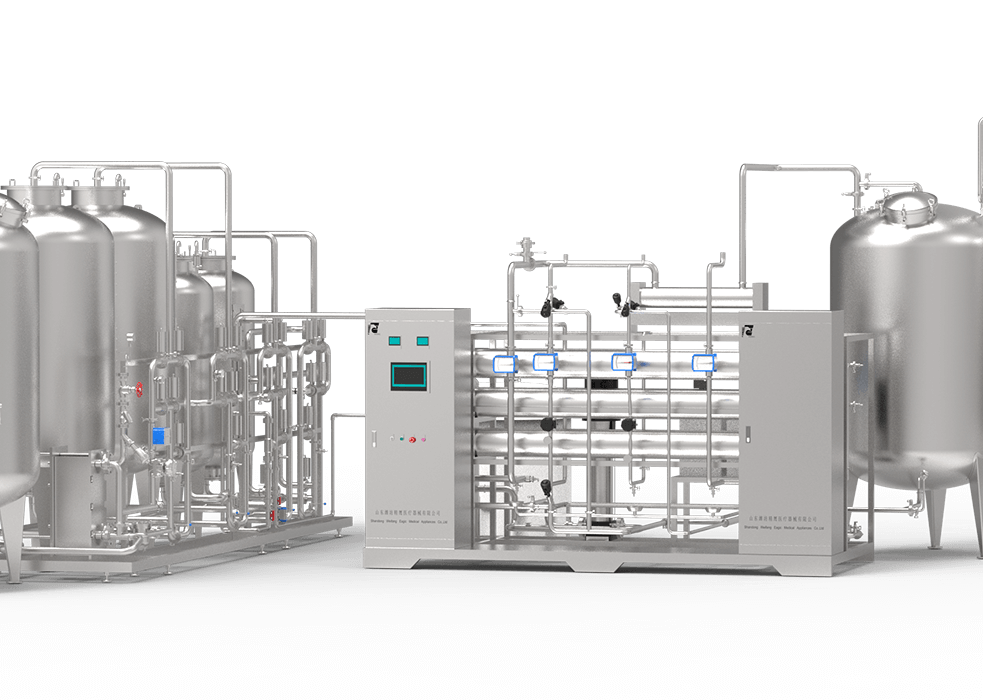
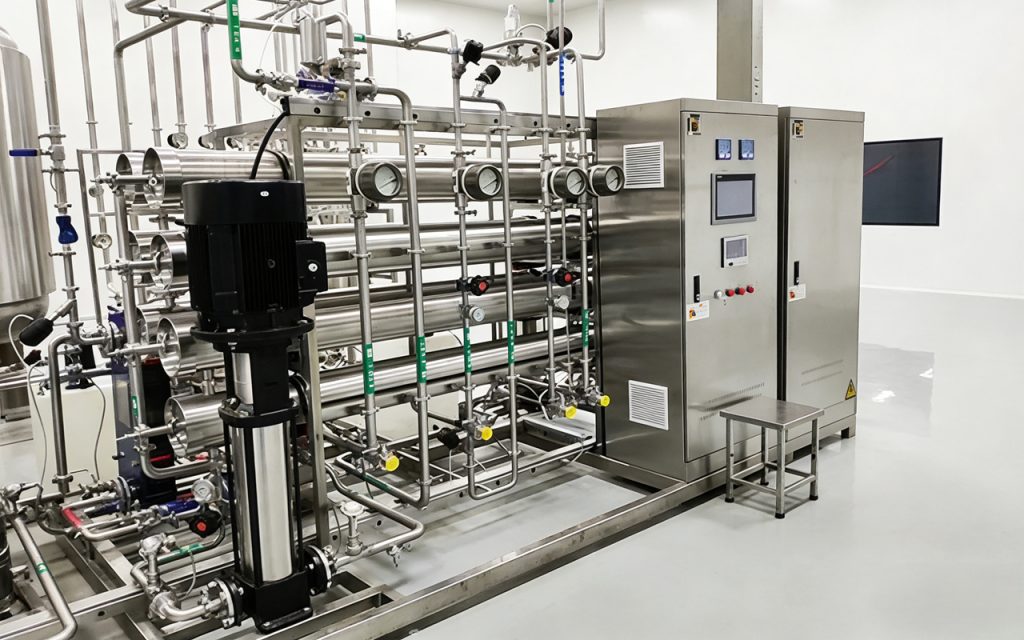
A reverse osmosis system is a key part of pharmaceutical water production. It removes dissolved salts and many other impurities from feed water. But even a good RO membrane cannot work well without proper pretreatment.
When permeate conductivity rises or water output drops, operators often think the membrane has failed. The real problem may start before water reaches the reverse osmosis system. Poor chlorine removal, weak water softening, and microbial growth in pretreatment equipment can all damage RO system performance. These problems may lead to membrane replacement, higher costs, and production stops. For pharmaceutical manufacturers, pretreatment is an important part of reverse osmosis system design and quality control.
This article explains how pretreatment affects membrane life, how common failures develop, and what to consider when designing a reliable reverse osmosis system.
Why RO Membranes Need Proper Pretreatment
Most pharmaceutical reverse osmosis systems use thin-film composite polyamide membranes. These membranes let water molecules pass while rejecting most dissolved salts. Salt rejection can usually reach 95%–99% or higher.
However, these membranes have limits. They are sensitive to oxidizing agents, mineral scaling, and biological fouling. Three pretreatment steps help protect the membrane:
-
Activated carbon filtration removes leftover chlorine and some organic substances.
-
Water softening reduces calcium and magnesium hardness to lower scaling risk.
-
Proper filtration and sanitization help control particles and microbial growth before the RO stage.
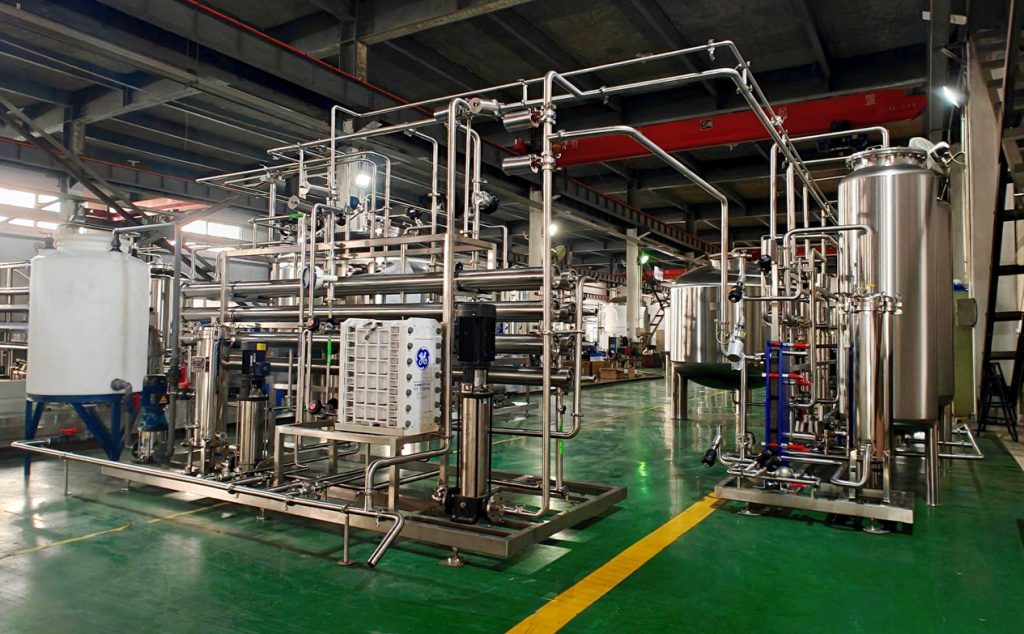
If any step fails, the reverse osmosis system may need higher pressure, produce less water, show higher permeate conductivity, or need more frequent cleaning. A pharmaceutical RO system should be designed as one integrated process, not a group of separate filters and membrane units.

How Activated Carbon Filtration Protects the Membrane
Chlorine is one of the biggest risks to polyamide RO membranes. Many water supplies use chlorine to control microorganisms. But leftover chlorine can damage the membrane.
When free chlorine reaches the reverse osmosis system, it can break down the membrane’s active layer. This damage is usually permanent. The membrane may still make water, but its salt rejection can drop. This is why activated carbon filtration is common in pharmaceutical reverse osmosis system pretreatment.
How Carbon Filters Remove Chlorine
Activated carbon removes free chlorine mainly through a chemical process that turns chlorine into chloride. Carbon media can also adsorb some organic compounds.
But activated carbon does not have unlimited capacity. Several conditions can reduce its performance:
-
High chlorine concentration: More chlorine uses up the carbon media faster.
-
Media exhaustion: Over time, the carbon bed loses part of its chlorine removal capacity.
-
Channeling: Water may pass through low-resistance paths instead of touching the full carbon bed.
-
Poor maintenance: Wrong backwashing and unsuitable conditions can reduce performance.
When these problems occur, chlorine may pass through the carbon filter and reach the RO membrane.
Warning Signs of Chlorine Breakthrough
| Warning Sign | Possible Cause | Recommended Action |
|---|---|---|
| Rising permeate conductivity | Possible membrane oxidation | Check free chlorine after carbon filtration |
| Chlorine found after carbon | Media exhaustion or channeling | Inspect carbon bed and replace media if needed |
| Falling salt rejection | Possible membrane damage | Check feed water quality and membrane performance |
| Lower permeate flow | Membrane fouling or other problems | Review pressure, temperature, flow, and pretreatment |
Water Softening: Preventing Mineral Scaling
Chlorine can damage an RO membrane quickly. Mineral scaling usually develops more slowly, but it can cause serious problems.
Feed water often contains calcium and magnesium ions. During reverse osmosis, some water passes through the membrane as permeate. Dissolved minerals become more concentrated in the reject stream. If mineral levels go above their solubility limits, deposits may form on the membrane surface. Calcium carbonate is a common cause of RO scaling.
Why Water Hardness Matters
A water softener uses sodium ion exchange resin to remove calcium and magnesium ions. As hard water passes through the resin, calcium and magnesium are exchanged for sodium. This lowers water hardness before it enters the reverse osmosis system.
But a water softener must be correctly sized, regenerated, and monitored. Common problems include too little salt for regeneration, wrong regeneration settings, exhausted resin, and failure to detect hardness breakthrough. When the softener stops removing hardness well, calcium and magnesium can enter the RO system and raise scaling risk.
Microbial Control: An Often Overlooked Risk
Chemical and mineral problems are not the only threats. Microbial growth in pretreatment equipment is another important concern for any reverse osmosis system.
Activated carbon has a large surface area for adsorption. But it can also support microbial growth when organic nutrients and suitable conditions are present. Bacteria may attach to the carbon surface and form biofilm. Over time, microorganisms can detach and enter downstream equipment. If they reach the RO membrane, they may cause biological fouling.
How Biofilm Affects RO Performance
Biofilm is a sticky layer that holds bacteria together and helps them attach to surfaces. This structure makes biofilm hard to remove. Biofilm growth can cause higher pressure drop, lower RO permeate flow, more frequent membrane cleaning, and higher risk of microbial contamination in downstream stages. For pharmaceutical manufacturers, microbial control must cover the whole water treatment process, not only the final storage and distribution system.
Sanitization Must Match Equipment Materials
Different pretreatment and RO parts may need different sanitization methods. Chemical sanitization, hot water sanitization, and other validated methods may be used depending on equipment design and process needs.
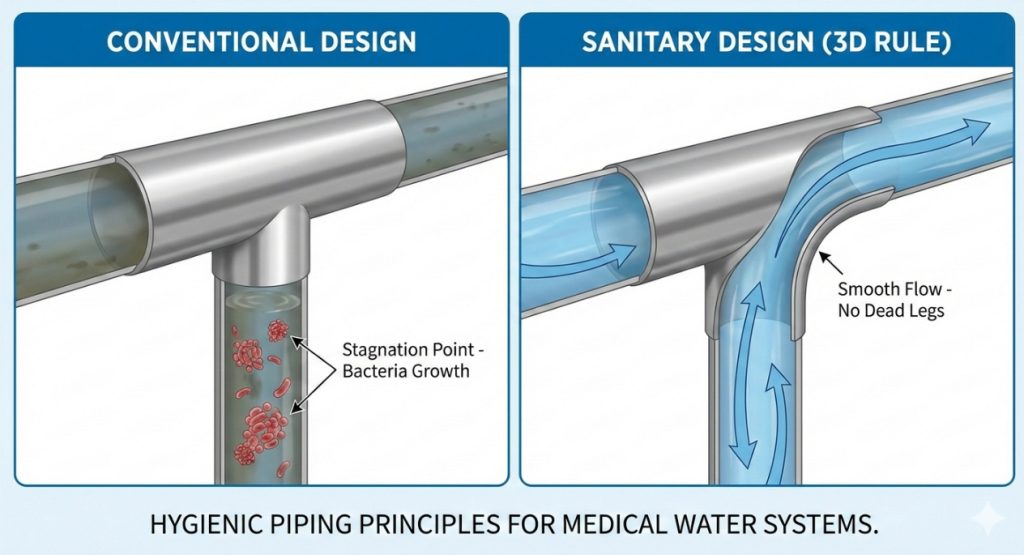
Thermal sanitization should only be used when the RO membrane elements, pressure vessels, seals, and related parts are designed and approved for the required temperature and time. Not every RO membrane can handle hot water sanitization. A good sanitization plan should consider material compatibility, temperature and contact time, water circulation and drainage, dead-leg control, and verification of effectiveness. SKE&EAGLE considers sanitization needs during reverse osmosis system design to help reduce microbial risk and support long-term operation.
Common Pretreatment Failures and Their Effects
Different pretreatment problems can produce similar RO symptoms. For example, lower permeate flow may come from scaling, organic fouling, biological fouling, or unsuitable operating conditions. Operators should check the full treatment process instead of replacing the RO membrane right away.
| Pretreatment Problem | Main Mechanism | Possible RO Consequence | Recommended Control |
|---|---|---|---|
| Carbon media exhaustion | Chlorine passes through | Membrane oxidation and lower salt rejection | Chlorine monitoring and media replacement |
| Softener exhaustion | Calcium and magnesium pass through | Mineral scaling and higher pressure drop | Hardness monitoring and regeneration checks |
| Carbon bed biofilm | Microorganisms enter downstream | Biological fouling | Suitable sanitization and microbial control |
| Carbon bed channeling | Water bypasses part of the media | Incomplete chlorine removal | Backwashing and bed inspection |
| Poor particle filtration | Suspended solids enter the RO stage | Membrane fouling | Proper filtration and differential pressure monitoring |
How to Design a More Reliable Pretreatment System
Reliable RO performance starts with correct pretreatment design. Manufacturers should not choose filters and softeners only by price or nominal capacity. The design must consider feed water quality, production demand, membrane specifications, and long-term maintenance needs.
1. Analyze Feed Water Before Equipment Selection
Feed water quality decides the pretreatment process. Important parameters include total dissolved solids (TDS), water hardness, free chlorine and total chlorine, turbidity and suspended solids, iron and manganese, silica, organic matter, and microbial conditions. A complete water analysis helps engineers select suitable filtration, carbon treatment, and softening equipment for the reverse osmosis system.
2. Set Monitoring Points at Critical Locations
Monitoring should focus on parameters that can directly affect RO performance. Important locations include:
-
After the activated carbon filter: residual chlorine.
-
After the water softener: water hardness.
-
Before the RO membrane: feed pressure and water quality.
-
After the RO membrane: permeate conductivity and flow rate.
These measurements help operators find problems before they cause serious membrane damage.
3. Establish Alarm and Action Limits
Monitoring equipment is useful only when operators know what to do with the results. Manufacturers should set suitable alarm and action limits based on water quality risks, membrane specifications, and operating experience. A chlorine breakthrough alarm should trigger a defined response, such as checking the carbon bed and protecting the RO membrane from unsuitable feed water. The same principle applies to hardness breakthrough and abnormal RO conditions.
4. Plan Maintenance and Sanitization
Pretreatment equipment needs regular maintenance. Carbon media replacement should be based on actual feed water conditions, monitoring results, and validated procedures, not only on a fixed calendar interval. Water softeners need regular regeneration checks and salt supply management. Sanitization procedures should cover the relevant parts of the water treatment system and be checked for effectiveness.
5. Consider the Entire Pharmaceutical Water System
A reverse osmosis system does not work alone. Its performance affects downstream equipment such as EDI modules, storage tanks, distribution systems, and final purification stages. A well-designed pharmaceutical water treatment system must consider the links between pretreatment, RO, downstream purification, and water quality monitoring. This integrated approach helps reduce unexpected maintenance and supports steady purified water production.
Frequently Asked Questions
Q1: How often should activated carbon media be replaced in a pharmaceutical reverse osmosis system?
There is no universal replacement interval. Carbon media service life depends on feed water chlorine level, water flow, operating hours, and media performance. A common interval may be 6–12 months. But replacement should be based on monitoring results and approved maintenance procedures.
Q2: Can a chlorine-damaged RO membrane be restored?
Chlorine oxidation of polyamide membrane material is usually permanent. Chemical cleaning may improve performance when fouling is present. But it cannot restore an oxidized membrane’s original salt rejection. If membrane damage is confirmed, replacement may be necessary.
Q3: Why is a water softener important before a reverse osmosis system?
A water softener removes calcium and magnesium ions through sodium ion exchange. This lowers water hardness and helps prevent mineral scaling on the RO membrane. Proper regeneration and hardness monitoring are needed to keep performance.
Q4: What does a positive LSI value mean for an RO system?
A positive LSI means water tends to form calcium carbonate scale. However, scaling risk in a reverse osmosis system also depends on recovery rate, concentrate composition, pH, temperature, and other minerals. Engineers should evaluate these factors together when designing pretreatment.
Q5: Does every pharmaceutical RO membrane support hot water sanitization?
No. Thermal sanitization depends on the membrane material and the design limits of the full RO assembly. Always check the membrane maker’s temperature and exposure specifications before choosing a thermal sanitization procedure.
Q6: What parameters should be monitored in pharmaceutical RO pretreatment?
Important parameters include residual chlorine after carbon filtration, hardness after softening, feed water pressure, differential pressure, permeate conductivity, and water flow. More parameters may be needed based on feed water quality and system risk assessment.
Q7: How does SKE&EAGLE improve reverse osmosis system reliability?
SKE&EAGLE designs pharmaceutical water treatment systems with integrated pretreatment, RO equipment, monitoring, and control functions. The design considers feed water quality, membrane protection, sanitization needs, and downstream water treatment requirements.
About SKE&EAGLE
SKE&EAGLE is a pharmaceutical water equipment manufacturer specializing in purified water systems, water for injection generation systems, and related pharmaceutical water treatment equipment.
We provide integrated engineering solutions for pharmaceutical manufacturers, covering system design, equipment manufacturing, installation, commissioning, and technical support.
By focusing on pretreatment quality, RO performance, and overall system reliability, SKE&EAGLE helps pharmaceutical manufacturers build water treatment systems that support stable production and applicable pharmacopeia requirements.
Contact SKE&EAGLE to discuss your reverse osmosis system design, pretreatment requirements, or existing water treatment system upgrades.
Contact Email: info@ske-eagle.com
Follow us on Facebook for the latest industry insights: SKE & Eagle Facebook
Business Inquiries: Visit our official website and submit the contact form at the bottom.