

Meta Description: Learn how a Purified Water Treatment System works in pharma. Simple guide on technology, standards, and maintenance. SKE&EAGLE builds reliable systems.
Introduction: Why Water Matters in Pharma
Water is everywhere in a pharmaceutical factory. It cleans machines. It is used in liquid medicines. It is used in laboratories. But in pharma, water is not just water. It is a raw material. It must be very clean.
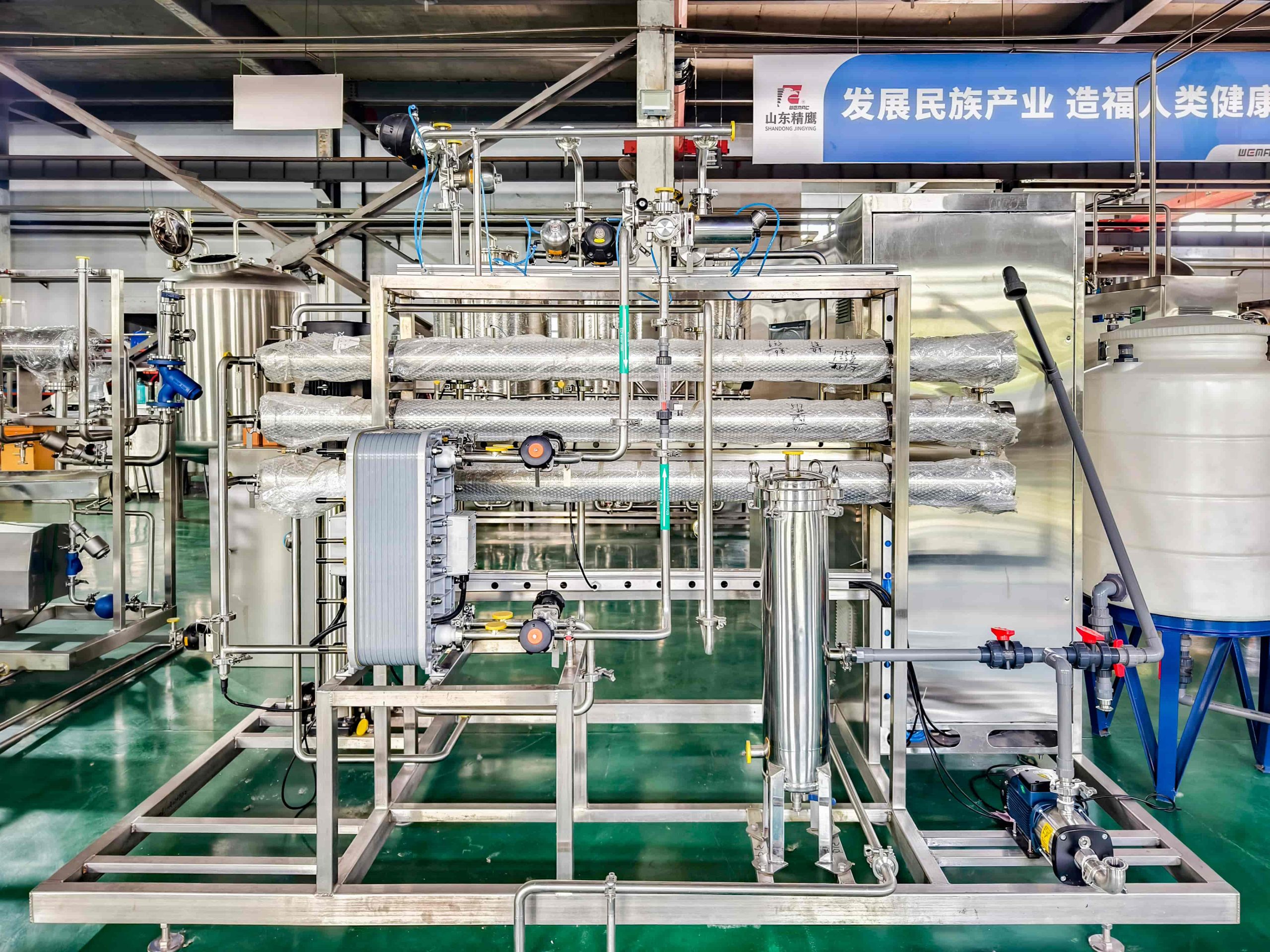
A Purified Water Treatment System is the machine that makes this clean water. It is not a simple filter. It is a full system with many steps. The system removes dirt, salt, bacteria, and other bad things from water.
If the water is not clean, the medicine can be unsafe. Patients can get sick. The company can face recalls and legal problems. That is why every pharma factory needs a good Purified Water Treatment System.
This article explains how these systems work. It covers the technology, the quality rules, and common mistakes. It also explains how SKE&EAGLE can help you.
What Does a Purified Water Treatment System Do?
A Purified Water Treatment System takes tap water and makes it pure. The water goes through many steps. Each step removes something different.
First, the water passes through large filters. These filters catch sand and dirt. Next, carbon filters remove chlorine. Chlorine is in tap water, but it can damage the system later. Then, a softener removes calcium and magnesium. These minerals can cause scale.
After these first steps, the main cleaning begins. Reverse osmosis (RO) is the most important part. RO pushes water through a special membrane. The membrane stops salt and bacteria. It lets clean water pass through. Many systems then use electrodeionization (EDI). EDI uses electricity to remove the last ions. This step makes the water very pure.
Finally, the clean water is stored in a tank. It flows through stainless steel pipes to the places where it is needed. The whole Purified Water Treatment System is built to stop bacteria from growing. Hot water or ozone is often used to keep the system clean.
The Main Technologies Inside the System
It helps to know the parts of a Purified Water Treatment System. Each part has a clear job.
Reverse Osmosis (RO) is the heart of the system. It removes most of the salt and bacteria. A good RO membrane is why the Purified Water Treatment System can make water with low conductivity.
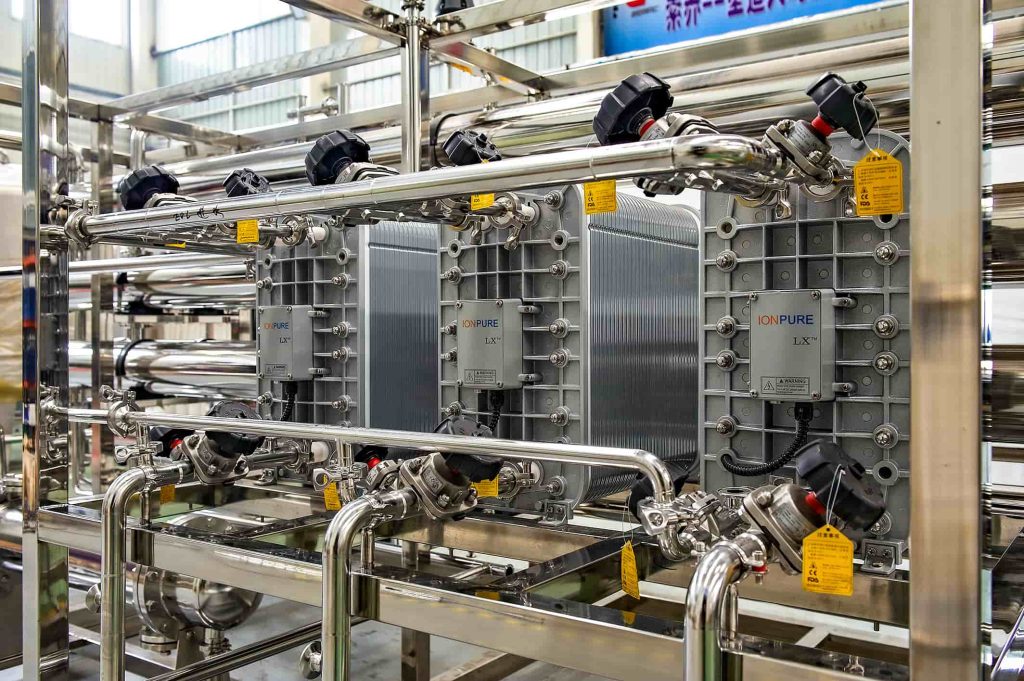
Electrodeionization (EDI) is a polishing step. It removes the small amount of ions left after RO. EDI does not need strong chemicals to clean itself. This makes the system safer and better for the environment.
Ultraviolet (UV) light kills bacteria. UV light also breaks down some organic matter. A good Purified Water Treatment System puts UV after EDI and before the storage tank.
Ultrafiltration (UF) can remove endotoxins. Endotoxins are parts of dead bacteria. They can cause fever in patients. UF is important for some products.
The table below shows the main steps of a typical Purified Water Treatment System.
| Treatment Step | Main Job | What It Removes |
|---|---|---|
| Multimedia Filter | Catch big particles | Sand, dirt |
| Carbon Filter | Remove chlorine | Chlorine, some organics |
| Water Softener | Remove hard minerals | Calcium, magnesium |
| Reverse Osmosis (RO) | Remove salt and bacteria | Ions, bacteria, large organics |
| Electrodeionization (EDI) | Remove last ions | Leftover ions |
| UV Light | Kill bacteria | Bacteria, some organics |
| Ultrafiltration (UF) | Control endotoxins | Endotoxins, viruses |
The Quality Rules for Purified Water
A Purified Water Treatment System must follow strict rules. These rules come from pharmacopoeias. The most common are the USP (United States) and the EP (Europe).
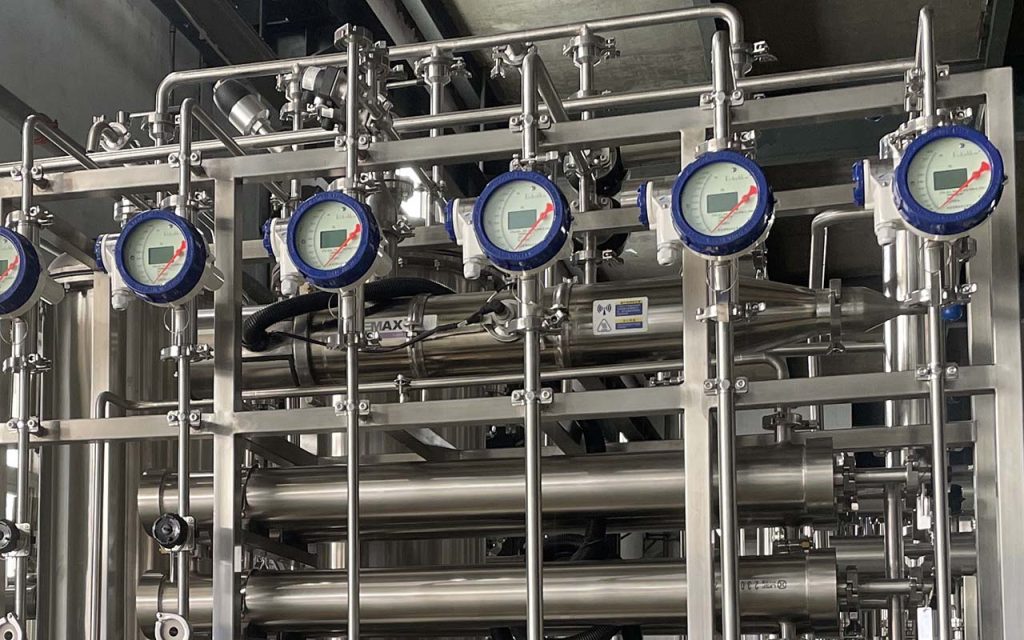
The two main chemical tests are conductivity and TOC. Conductivity shows how much salt is in the water. TOC shows how much organic carbon is in the water. Both must be low. A good Purified Water Treatment System checks these values often.
Microbiology is also very important. Water is a good place for bacteria to grow. Bacteria can form a slime layer called biofilm on pipes and tanks. Biofilm is hard to remove. It keeps releasing bacteria into the water. So, a Purified Water Treatment System must be cleaned regularly. Hot water at 80°C or more is a common way to clean it. Ozone is another way.
Regulators also want the system to be validated. Validation means proving the system always makes good water. This includes installation checks, operation checks, and performance checks. After any big change or repair, the system may need validation again.
Common Mistakes When Running the System
Even a good Purified Water Treatment System can fail if people run it badly. Here are the most common mistakes.
Skipping cleaning cycles. Some workers wait longer between hot water cleanings to save energy. This is a bad idea. Biofilm can grow fast. Once biofilm is inside a Purified Water Treatment System, it is very hard to remove. The cost to fix it is much higher than the energy saved.
Not caring for the first filters. RO membranes are expensive. They are also easy to damage. If the carbon filter is old, chlorine can pass through and destroy the membrane. If the softener fails, calcium can coat the membrane. A good maintenance plan protects the heart of the Purified Water Treatment System.
Bad sampling. Water test results are only useful if the sample is good. If workers take samples from the wrong place, or use dirty containers, the results mean nothing. Samples must come from the right points on the Purified Water Treatment System.
Poor records. Regulators want to see complete records. This includes cleaning logs, repair records, and test data. Missing records can cause problems in an inspection, even if the water is clean.
How SKE&EAGLE Helps You
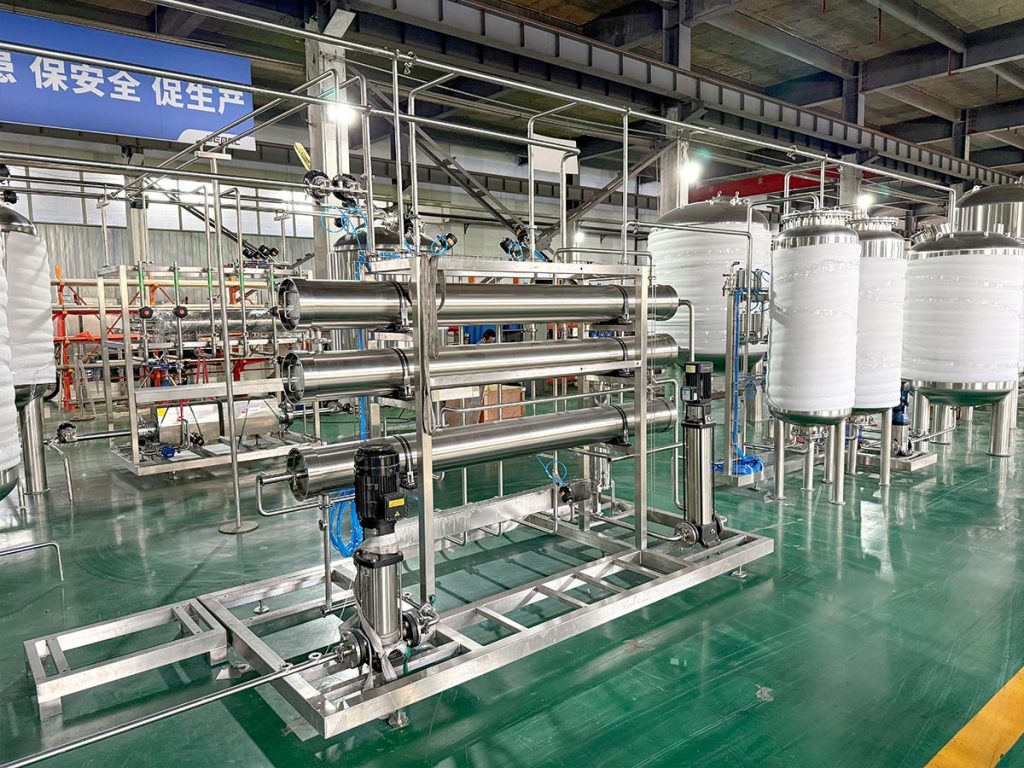
Choosing the right partner for your Purified Water Treatment System is very important. SKE&EAGLE is a maker of pharma water equipment. We have many years of experience in design, building, and validation support.
We know that every factory is different. The tap water is different in every city. The amount of water needed changes as business grows. The rules are different in each country. That is why we do not offer one fixed solution. Our Purified Water Treatment System designs are flexible. They work for small research labs and for large factories.
Our systems use good materials. Parts that touch water are made of 316L stainless steel. The pipes are designed for good flow and full draining. The control system shows real-time data and keeps records for audits.
We also help our clients after the sale. From the first water test to the final performance check, our team works with your engineers. We provide documents that satisfy regulators. We also offer spare parts and service to keep your Purified Water Treatment System working for many years.
Frequently Asked Questions (FAQ)
Q1: What is the difference between purified water and water for injection?
Purified Water (PW) is used in non-sterile products and for cleaning. Water for Injection (WFI) is a higher grade. It must have very low endotoxins. A standard Purified Water Treatment System makes PW. WFI usually needs extra steps or a separate system.
Q2: How often should a Purified Water Treatment System be cleaned?
Most pharma factories clean their water loops at least once a week. Some clean more often. The right frequency depends on the system design, test results, and local rules. Hot water at 80°C or more is the most common method. Your validation plan should state the frequency and the pass limits.
Q3: Can I use this water in the laboratory?
Yes, but check your lab rules first. Water from a pharma Purified Water Treatment System is usually pure enough for general lab work. Some tests need even purer water. Always check your method before using it for critical lab work.
Q4: How long does an RO membrane last?
With good first filters and regular care, RO membranes can last three to five years. Sometimes they last longer. It depends on the feed water, the pressure, and how often they are cleaned. When salt removal drops or pressure needs rise, it is time to replace them. Regular monitoring helps you plan.
Q5: Why is conductivity not enough to prove water quality?
Conductivity only shows salt. It does not show organics, bacteria, or endotoxins. Water can have low conductivity but still have high TOC or bacteria. That is why a full monitoring plan for a Purified Water Treatment System includes conductivity, TOC, bacteria counts, and endotoxin tests where needed. One test alone gives a false sense of safety.
Conclusion: A Good System Protects Your Product
A Purified Water Treatment System is one of the most important investments in a pharma factory. It touches every part of production. It affects product quality, regulatory status, and patient safety. Knowing how the system works, what rules it must follow, and how to care for it is important for everyone in pharma.
If you are building a new factory, growing capacity, or replacing an old system, choose a partner who knows the science and the rules. SKE&EAGLE is ready to help you build a Purified Water Treatment System that works well every day. Contact our team to talk about your water needs and find the right solution for your factory.
Contact Email: info@ske-eagle.com
Follow us on Facebook for the latest industry insights: SKE & Eagle Facebook
Business Inquiries: Visit our official website and submit the contact form at the bottom.