

”
What Is a Purified Water System?
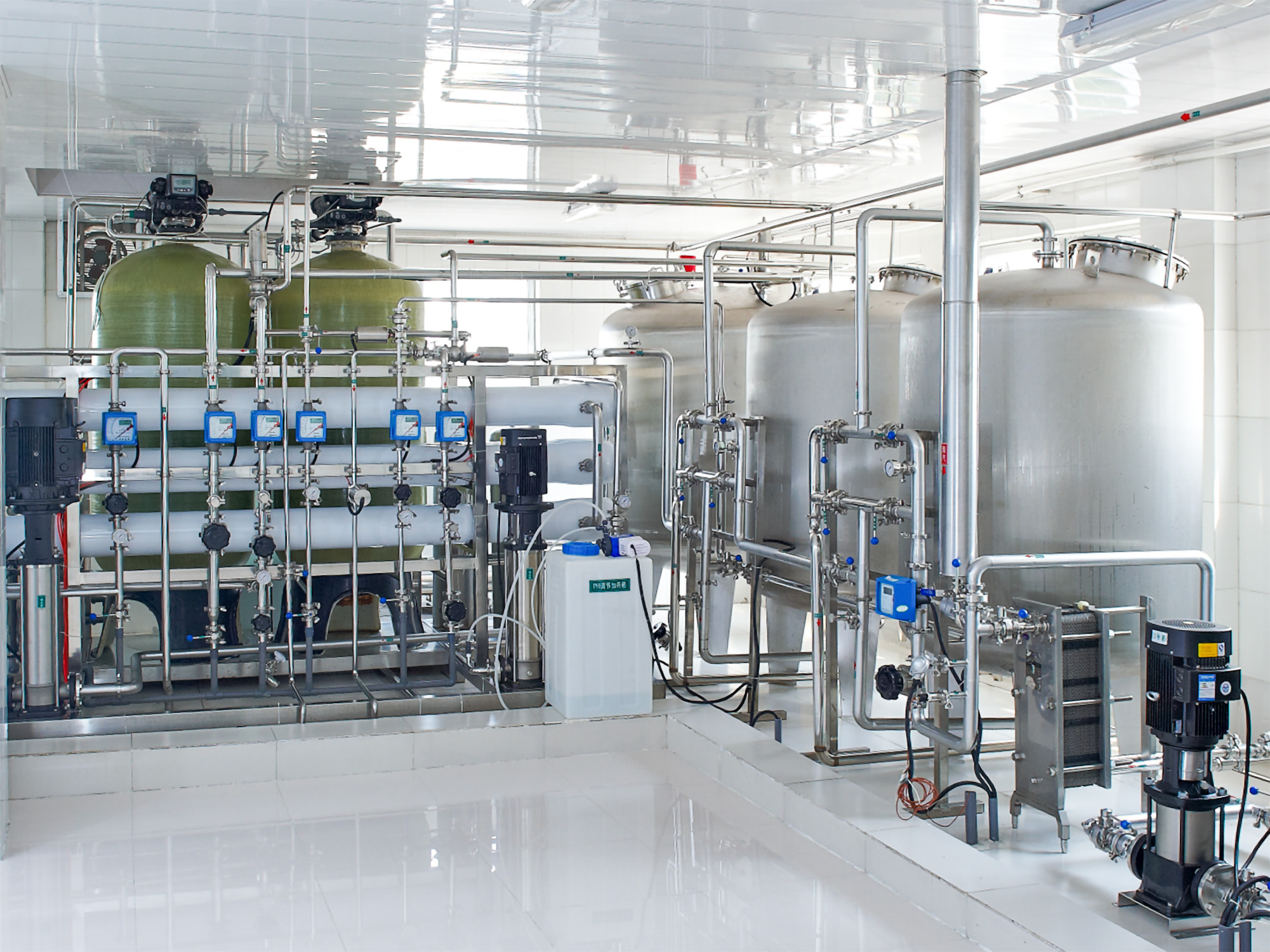
A purified water system is an engineered water treatment process and associated equipment designed to produce water of very high purity, suitable for specialized industrial, pharmaceutical, food, and microelectronic applications. Unlike general potable water systems, these systems rigorously remove particulate matter, dissolved solids, microorganisms, and organic impurities to meet stringent purity standards.
Purified water systems are often the backbone in manufacturing facilities requiring precise water quality. The typical objective is the elimination of contaminants that interfere with sensitive processes, such as active pharmaceutical ingredient (API) synthesis, sterile product formulation, and semiconductor wafer rinsing.
These systems consist of multiple stages, including pre-treatment, reverse osmosis (RO), deionization (DI), ultraviolet (UV) sterilization, and ultrafiltration or microfiltration. Purified water quality is validated according to defined standards, such as USP Purified Water, EP Purified Water, or equivalent pharmacopoeia criteria, as well as ISO and ASTM specifications.
From an engineering perspective, a purified water system integrates fluid dynamics, materials compatibility, and microbiological control to ensure reliable, consistent delivery of water at the required flow rate and pressure, in compliance with industry regulations.
To ensure system longevity, operational efficiency, and water purity, state-of-the-art purification solutions deploy robust pump systems, advanced filtration media, and instrumentation platforms for automated monitoring and control. This is where the manufacturing capabilities and engineering philosophy of companies like SKE & Eagle come into play—combining rigorous quality standards with innovative design to produce highly reliable purified water systems.
Core Technologies in Purified Water Systems
Purity in water systems is attained through a combination of physical, chemical, and biological purification technologies. The core stages generally include:
- Pre-Treatment: Typically involves multimedia filtration, activated carbon adsorption, and water softening to remove suspended solids, chlorine, and hardness ions which can degrade downstream equipment.
- Reverse Osmosis (RO): Employs semi-permeable membranes that remove up to 99% of dissolved salts, organic material, viruses, and bacteria. RO membranes are the cornerstone of purified water production due to their efficacy and reliability.
- Deionization (DI): Often performed using mixed-bed ion exchange resins, DI removes residual ionic contaminants after RO, achieving ultra-low conductivity levels critical for pharmaceutical-grade water.
- Ultraviolet Sterilization (UV): UV lamps at specific wavelengths deactivate microbial DNA without introducing chemicals, ensuring biological control within the storage and delivery loop.
- Ultrafiltration and Microfiltration: Utilize membranes with pore sizes ranging from 0.01 to 0.1 microns, filtering out endotoxins and fine particulates to achieve water suitable for parenteral or high-purity manufacturing environments.
Supplementary technologies include ozone injection for oxidation of organic contaminants, continuous water quality monitoring sensors for TOC (Total Organic Carbon), resistivity, and microbial counts.
A key engineering concern is the hydraulic design of the system loop—optimizing flow velocity to minimize biofilm formation while preventing excessive energy consumption. SKE & Eagle’s water treatment systems employ proprietary engineering insights to maintain hygienic surfaces and automated CIP (Clean-In-Place) protocols.
Understanding the individual and combined functionality of these core technologies is essential to specifying, operating, and maintaining efficient purified water systems that meet operational goals and regulatory requirements.
Design Principles and Engineering Standards
The design of purified water systems must balance performance reliability, ease of validation, operational safety, and compliance with internationally recognized standards. This starts with a comprehensive process design incorporating redundancy, sanitary construction, and real-time monitoring.
Important engineering principles include:
- Material Selection: All wetted components—pipes, valves, pumps, fittings—must be constructed from corrosion-resistant, inert materials like 316L stainless steel or FDA-compliant polymers to prevent leaching and biofilm.
- Surface Finish: Polished or electropolished internal surfaces reduce microbial adhesion and facilitate effective CIP cycles.
- System Configuration: Loop designs accommodate continuous circulation of purified water to limit microbial proliferation. SKE & Eagle designs integrate strategically placed sampling points compliant with USP Chapter 1231.
- Redundancy and Automation: Critical components such as pumps and UV sterilizers are configured with backups. Automation via PLC control systems supports real-time quality alarms and streamlined operations.
- Compliance: Adherence to standards including USP Purified Water and EP monographs, ASTM D5127, ISO 14644 (cleanroom compatibility), and 21 CFR Part 11 for data integrity in validation.
To achieve these design goals, SKE & Eagle’s engineering standards emphasize modular construction and robust documentation that enable efficient commissioning and qualification.
Engineering teams must incorporate risk assessments and lifecycle analyses to optimize system uptime, reduce maintenance costs, and maintain water quality consistency under variable feedwater source conditions.
Furthermore, modern purified water systems integrate digital twins and IoT-enabled sensors to provide predictive maintenance insights, operational diagnostics, and long-term performance analytics—features that SKE & Eagle has pioneered in their advanced solutions.
Industrial Applications and Use Cases
Purified water systems operate across several critical industries. Understanding specific application requirements drives precise system customization.
Pharmaceutical Manufacturing: Purified water is indispensable for API synthesis, drug formulation, and cleaning processes. Compliance with USP and EP standards necessitates systems that produce endotoxin-free, pyrogen-free water. SKE & Eagle’s pharmaceutical water systems support large-scale batch production and continuous manufacturing models.
Biotechnology: Cell culture media, fermentation processes, and diagnostic reagent preparation require ultrapure water with controlled TOC and microbial load.
Food and Beverage Industry: Purified water ensures hygiene, flavor consistency, and shelf life. Systems typically need to satisfy both US FDA and EU food safety regulations while delivering high throughput.
Microelectronics and Semiconductor Fabrication: Ultra-high purity water is essential for wafer rinsing and chemical dilution. Systems include multi-barrier filtration to remove nanoscale particles, dissolved ions, and organic contaminants, ensuring zero interference with photoresist processes.
Laboratories and Research Institutes: Consistent availability of purified water supports analytical procedures and instrument operation, influencing data accuracy.
The flexibility and scalability of purified water systems are critical. For example, SKE & Eagle’s modular designs and advanced instrumentation enable seamless adaptation from small pilot plants to full-scale manufacturing, guaranteeing consistent quality across all volumes.
Additionally, specialized applications may mandate integration with other utilities (e.g., WFI – Water for Injection systems) or combination water treatment trains to meet multi-tiered water quality specifications.
Compliance and Quality Assurance
Purified water systems must be fully compliant with national and international regulations. These regulations ensure that water purity meets safety, efficacy, and operational reliability standards.
Regulatory guidelines include:
- United States Pharmacopeia (USP) 1231: Protocols for water system design, validation, and monitoring.
- European Pharmacopoeia (EP): Standards for purified water and WFI to ensure pharmaceutical manufacturing quality.
- FDA 21 CFR Parts 210 and 211: Good Manufacturing Practice (GMP) for pharmaceuticals requiring validated purified water systems.
- ISO 9001 and ISO 14001: Quality and environmental management systems relevant to water treatment process suppliers.
- WHO Guidelines for Drinking Water Quality: For systems involved in food and beverage sectors.
Quality Assurance (QA) processes entail rigorous testing and documentation such as:
- Routine microbial surveillance including heterotrophic plate counts.
- Conductivity and resistivity measurements to confirm ionic purity.
- TOC analysis for organic carbon levels.
- Endotoxin testing where applicable.
- Validation protocols including Installation Qualification (IQ), Operational Qualification (OQ), and Performance Qualification (PQ).
Here, the precision-engineered components and process controls from manufacturers like SKE & Eagle enhance system validation confidence, thanks to their comprehensive documentation, sanitary design features, and digitally controlled process automation.
Continuous Quality Monitoring (CQM) with automated alerting supports proactive troubleshooting to maintain compliance and reduce downtime.
Common Myths and Misconceptions
Despite the advanced engineering of purified water systems, several misconceptions persist:
- Myth: “All purified water systems are the same.”
Reality: System design, component material, and operational parameters vary widely by application and manufacturer, affecting water quality and reliability. Engineering expertise, such as that at SKE & Eagle, directly impacts system performance. - Myth: “Chemical additives are necessary to maintain water purity.”
Reality: Effective physical processes (RO, DI, UV) eliminate the need for chemical biocides in many systems, which aligns with pharmaceutical purity requirements. - Myth: “Purified water is sterile.”
Reality: Purified water is free of many contaminants but is not necessarily sterile unless undergoing additional processes to create Water for Injection (WFI) quality. - Myth: “Maintenance is not critical after system installation.”
Reality: Routine maintenance—including filter replacement, sanitization cycles, and instrumentation calibration—is essential for system integrity and water quality continuity.
Understanding these realities allows engineers and operators to select and manage purified water systems appropriately and benefit from innovations in design and operation.
Integration with SKE & Eagle Solutions
SKE & Eagle stands out as a trusted partner for supplying engineered purified water systems that meet the demanding requirements of various industries. Their comprehensive capabilities include:
- Turnkey system design and fabrication leveraging world-class materials and craftsmanship.
- Advanced water treatment technologies integrated with proprietary control systems for precise quality monitoring.
- End-to-end project management from conceptual design through validation support.
- Custom modular configurations to fit unique space constraints and flow requirements.
- Robust documentation aligned with industry regulatory guidelines for seamless qualification.
For example, SKE & Eagle’s precision-engineered water treatment systems incorporate stainless steel sanitary piping solutions that minimize microbial contamination and support efficient CIP protocols. Their engineering standards uphold material traceability, weld quality, and surface finish superiorities.
By collaborating with SKE & Eagle, operators leverage decades of manufacturing expertise and continuous improvement philosophies, resulting in purified water systems that emphasize design reliability, operational efficiency, and compliance readiness.
Learn more about their water treatment solutions that highlight this engineering excellence.
Maintenance and Operational Best Practices
Maintaining a purified water system at peak performance requires a structured preventative maintenance schedule, monitoring, and staff training. Best practices include:
- Scheduled Filter and Membrane Replacement: RO membranes and DI resins degrade over time; adherence to manufacturer-recommended lifecycle ensures water quality.
- Sanitization Protocols: Regular CIP and SIP (Steam-In-Place) cycles limit biofilm buildup and microbial contamination.
- Real-Time Water Quality Monitoring: Use of TOC analyzers, conductivity sensors, and microbial probes to detect anomalies immediately.
- Operator Training: Skilled personnel are trained in system operation, troubleshooting, and documentation to ensure compliance with operational SOPs.
- Verification and Validation: Periodic microbiological and chemical testing confirm ongoing system performance per regulatory and internal quality standards.
- Documentation and Traceability: Maintaining detailed maintenance logs, calibration records, and deviation reports provides audit readiness.
The sophisticated designs of SKE & Eagle’s precision manufactured components simplify maintenance activities by ensuring accessibility and ease of cleaning, contributing to reduced downtime and lower operational costs.
Following these operational best practices secures long-term system reliability and supports optimal purity required by sensitive production applications.
FAQ about Purified Water Systems
What defines a purified water system compared to potable water systems?
Purified water systems deliver water meeting stringent purity standards by removing dissolved solids, microorganisms, and organic contaminants that potable water systems are not designed to handle.
Which industries require purified water systems?
Pharmaceutical, biotechnology, food and beverage, microelectronic manufacturing, and laboratory research sectors commonly use purified water due to strict water purity requirements.
How does SKE & Eagle ensure reliability in purified water system design?
SKE & Eagle applies rigorous engineering standards, high-grade materials, modular design approaches, and automation to create systems that comply with regulations and maintain consistent water quality.
What maintenance practices are essential for purified water systems?
Regular filter and membrane replacements, sanitization cycles, routine quality monitoring, and documentation are critical to preserving system performance and compliance.
Can purified water systems be customized to specific production needs?
Yes, systems are tailored based on flow rate, water quality targets, industry standards, and space considerations. SKE & Eagle specializes in modular and customizable solutions to meet unique client requirements.
Contact SKE & Eagle
For expert advice and engineered purified water system solutions tailored to your industry’s needs, we invite you to reach out to SKE & Eagle. Our specialists provide in-depth consultation and support from design through commissioning.
Connect with us on Facebook or email us directly at info@ske-eagle.com.
To get started, please fill out the contact form at the bottom of our website, and a member of our engineering team will be in touch promptly.
”