

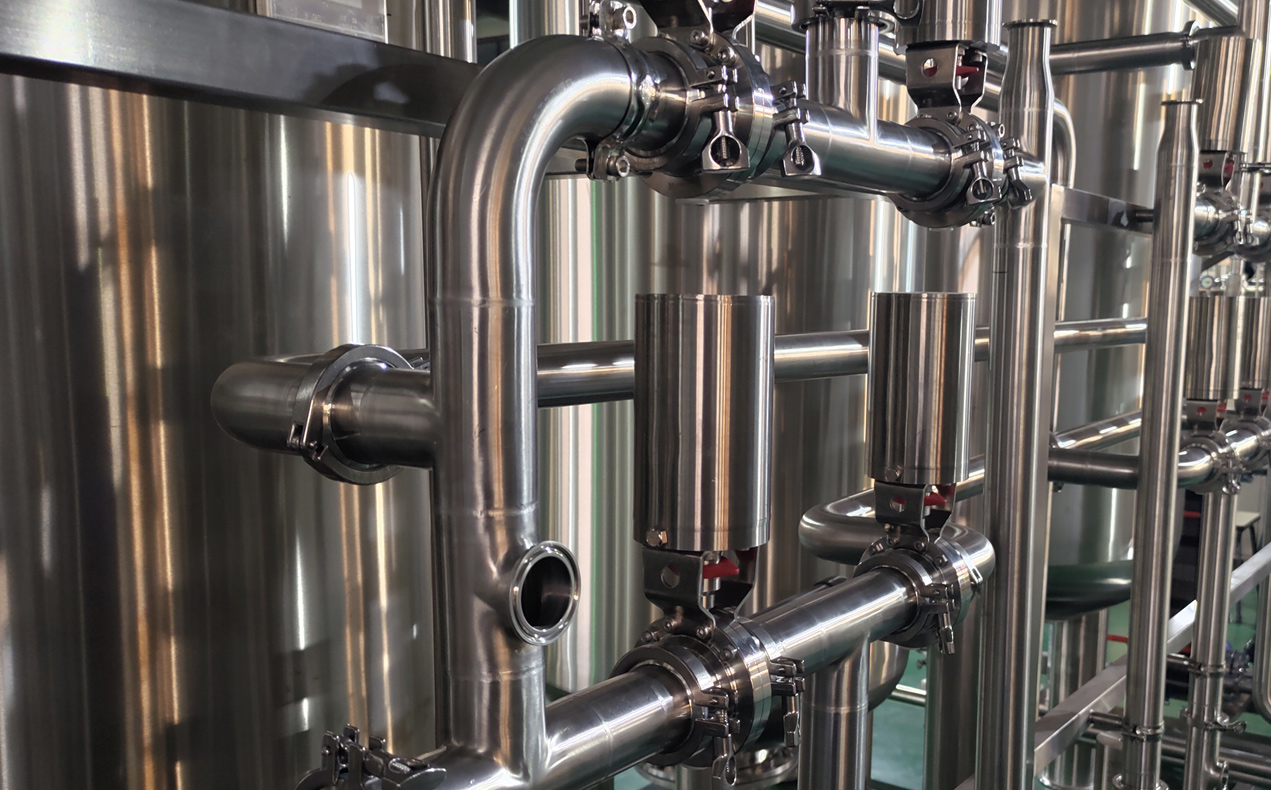
In the pharmaceutical industry, water is more than just a basic ingredient—it is a critical component that directly impacts product quality, patient safety, and regulatory compliance. Pharmaceutical water, especially purified water for pharmaceutical use, is the backbone of countless manufacturing processes, from API synthesis to dosage form preparation. However, many pharmaceutical manufacturers unknowingly make costly mistakes when selecting or implementing water treatment in pharmaceutical industry systems, leading to non-compliance, product recalls, and reputational damage. This article uncovers the 7 most dangerous mistakes to avoid, while guiding you toward reliable, compliant solutions that protect your brand and patients.
At SKE&EAGLE, we specialize in designing and manufacturing high-performance pharmaceutical water treatment equipment tailored to the unique needs of global pharmaceutical companies. With decades of experience in water treatment in pharmaceutical industry, we understand the strict regulatory requirements (GMP, USP, EP, WHO) that govern purified water for pharmaceutical use. Our goal is to help you navigate the complexities of pharmaceutical water systems, avoid common pitfalls, and ensure consistent, high-quality water for your operations.
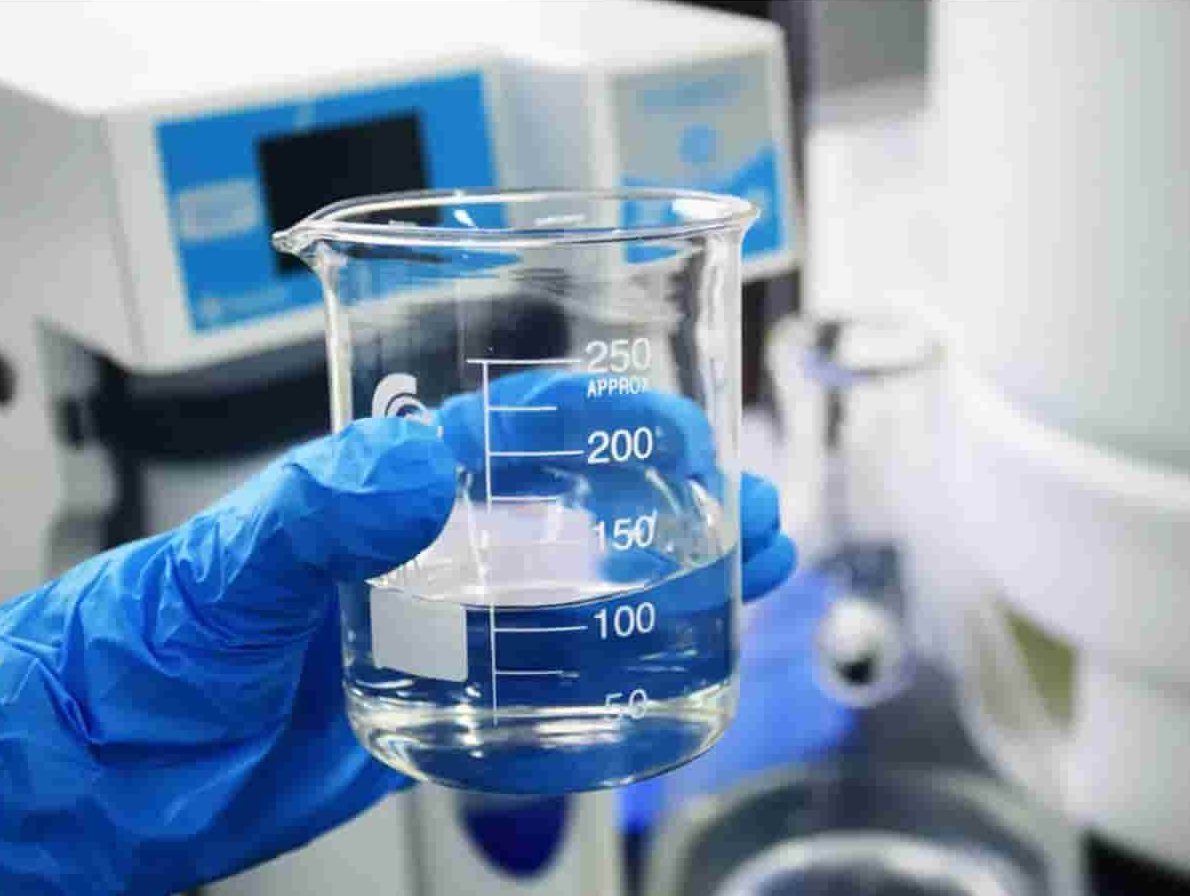
1.Ignoring Regulatory Standards for Purified Water for Pharmaceutical Use
One of the most costly mistakes pharmaceutical manufacturers make is cutting corners on regulatory compliance for purified water for pharmaceutical use. Regulatory bodies like the FDA, EMA, and WHO have strict guidelines for pharmaceutical water, including purified water, which is defined as water that meets specific chemical, microbial, and physical specifications (USP <1231>, EP 0169, WHO GMP guidelines). Failing to adhere to these standards can result in inspection failures, product seizures, and even legal penalties.
Many companies mistakenly assume that “pure water” from any source is sufficient for pharmaceutical use. However, tap water, even filtered tap water, contains impurities (heavy metals, organic compounds, microorganisms) that can contaminate medications, reduce efficacy, or cause adverse patient reactions. Purified water for pharmaceutical use requires specialized treatment processes to remove these contaminants, and every step must be validated to meet regulatory requirements. SKE&EAGLE’s systems are fully compliant with global standards, ensuring your purified water meets or exceeds USP, EP, and WHO specifications.
2.Underestimating the Importance of Water Treatment in Pharmaceutical Industry
Water treatment in pharmaceutical industry is not a one-time investment—it is an ongoing process that requires careful planning, maintenance, and monitoring. A common mistake is treating water treatment as an afterthought, rather than integrating it into the overall manufacturing strategy. This leads to inefficient systems, frequent breakdowns, and inconsistent water quality, all of which put your products and compliance at risk.
Pharmaceutical water treatment systems must be designed to handle the specific needs of your operations, whether you require purified water for oral formulations, topical medications, or as feedwater for injection water (WFI) systems. Factors like raw water quality, production volume, and regulatory requirements must be considered to ensure the system is reliable and efficient. SKE&EAGLE’s team of experts works with you to assess your needs and design a customized water treatment solution that aligns with your goals and complies with all relevant standards.
3.Choosing Low-Quality Equipment for Purified Water for Pharmaceutical Use
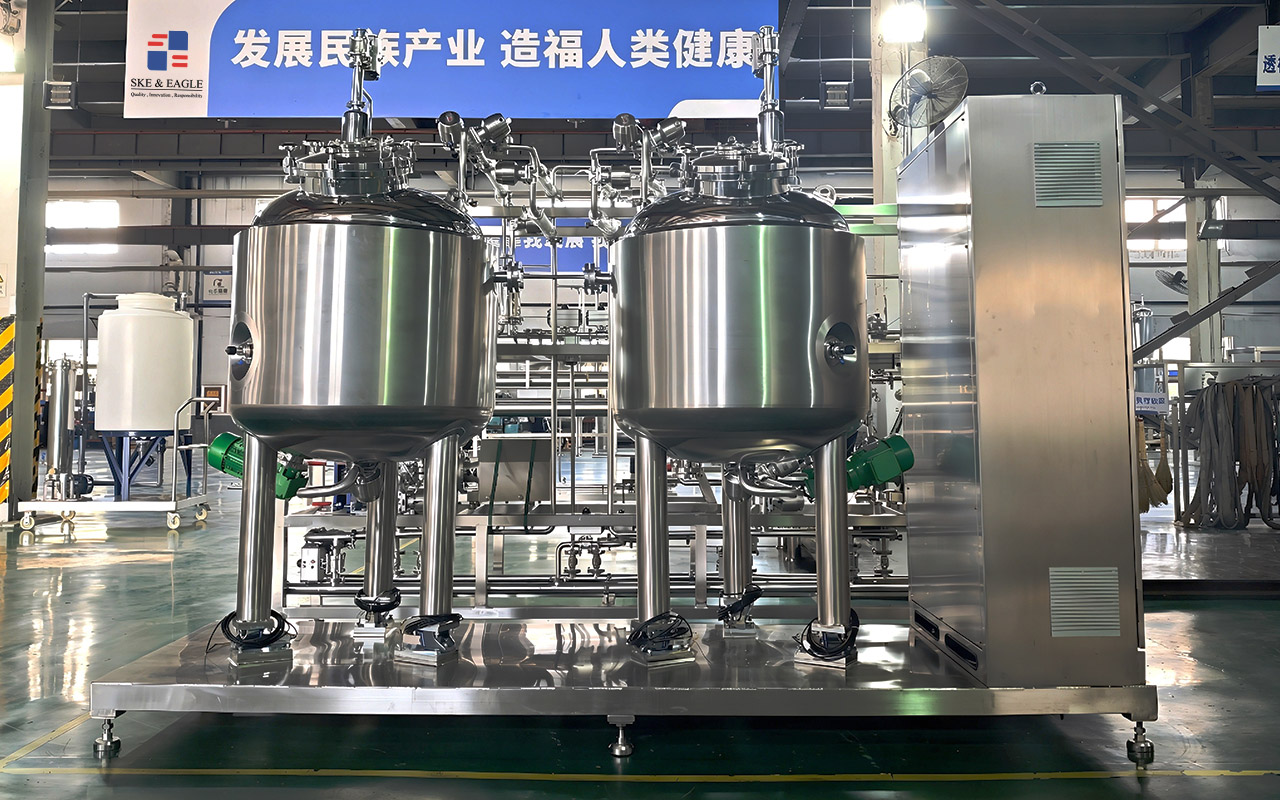
Another critical mistake is selecting low-cost, low-quality equipment for producing purified water for pharmaceutical use. While budget constraints are understandable, cutting costs on water treatment equipment often leads to higher long-term expenses, including frequent repairs, replacement parts, and non-compliance issues. Low-quality systems may fail to remove contaminants effectively, leading to microbial growth, chemical residues, or inconsistent water quality.
SKE&EAGLE’s pharmaceutical water treatment equipment is built with high-grade materials (316L stainless steel, food-grade membranes) and advanced technology to ensure durability, reliability, and consistent performance. Our systems are designed to minimize downtime, reduce maintenance costs, and deliver purified water that meets the strictest pharmaceutical standards. Investing in high-quality equipment from a trusted manufacturer like SKE&EAGLE is the best way to avoid costly mistakes and protect your operations.
Key Specifications of Purified Water for Pharmaceutical Use (vs. Other Pharmaceutical Water Grades)
Understanding the differences between various grades of pharmaceutical water is essential for avoiding compliance mistakes. The table below outlines the key specifications for purified water for pharmaceutical use, compared to other common grades, to help you select the right water for your applications.
| Water Grade | Key Specifications (USP/EP/WHO) | Common Applications | Treatment Processes |
| Purified Water for Pharmaceutical Use | Conductivity ≤5.1 µS/cm (25℃); Microbial count ≤100 CFU/mL; TOC ≤0.5 mg/L; No endotoxins required | Oral formulations, topical medications, equipment cleaning, API synthesis (non-sterile) | Reverse Osmosis (RO), Electrodeionization (EDI), Filtration, Softening |
| Water for Injection (WFI) | Conductivity ≤1.3 µS/cm (25℃); Sterile; Endotoxin ≤0.25 EU/mL; TOC ≤0.2 mg/L | Injections, sterile formulations, medical device cleaning | RO + EDI + Distillation (Multi-Effect or Vapor Compression) |
| Drinking Water (Potable Water) | Meets local drinking water standards (e.g., GB 5749-2022, EPA standards) | Equipment pre-cleaning, non-critical process steps | Basic filtration, disinfection |
4.Neglecting System Validation and Monitoring
Regulatory bodies require that all pharmaceutical water treatment systems be validated to ensure they consistently produce water that meets specifications. A common mistake is skipping or rushing the validation process (DQ, IQ, OQ, PQ) or failing to implement ongoing monitoring. Without proper validation and monitoring, you cannot prove that your system is producing compliant purified water for pharmaceutical use, which is a violation of GMP guidelines.
SKE&EAGLE’s systems come with comprehensive validation support, including documentation, testing, and training to help you complete DQ, IQ, OQ, and PQ efficiently. We also integrate advanced monitoring systems (online conductivity, TOC, microbial sensors) to provide real-time data on water quality, ensuring you can quickly identify and address any issues before they impact your operations. Ongoing monitoring is critical for maintaining compliance and ensuring consistent water quality over time.
5.Overlooking Maintenance and Sanitization
Even the best water treatment systems require regular maintenance and sanitization to perform optimally. A common mistake is neglecting routine maintenance, such as filter replacement, membrane cleaning, or system sanitization, which can lead to reduced performance, microbial growth, and system failure. In the pharmaceutical industry, microbial contamination of purified water can result in product recalls, which are costly and damaging to your brand.
SKE&EAGLE provides comprehensive maintenance and support services to ensure your water treatment system remains in top condition. Our team of experts can help you develop a customized maintenance schedule, including regular sanitization (ozone, or pure steam) to prevent microbial growth and biofilm formation. We also offer remote monitoring and troubleshooting to minimize downtime and ensure your system continues to produce high-quality purified water for pharmaceutical use.
6.Failing to Consider Scalability for Future Growth
Many pharmaceutical manufacturers choose water treatment systems that meet their current needs but fail to consider future growth. As your production volume increases or your product portfolio expands, your water treatment needs will change. A system that is too small or inflexible will require costly upgrades or replacements, disrupting your operations and increasing expenses.
SKE&EAGLE’s water treatment systems are designed with scalability in mind. Our modular designs allow you to easily expand your system as your needs grow, without major downtime or costly modifications. Whether you need to increase production capacity, add new treatment processes, or adapt to new regulatory requirements, our systems can be customized to meet your evolving needs. This flexibility ensures that your investment in water treatment in pharmaceutical industry will serve you well for years to come.
7.Not Partnering with a Trusted Expert in Pharmaceutical Water Systems
The final and most critical mistake is attempting to navigate the complexities of purified water for pharmaceutical use and water treatment in pharmaceutical industry without the help of a trusted expert. Pharmaceutical water systems are complex, and regulatory requirements are constantly evolving. Without the right expertise, you risk making costly mistakes that could impact your compliance, product quality, and bottom line.
SKE&EAGLE is more than a manufacturer—we are your partner in pharmaceutical water solutions. Our team of experts has decades of experience in designing, manufacturing, and supporting water treatment systems for the global pharmaceutical industry. We understand the unique challenges you face and are committed to providing you with the guidance, equipment, and support you need to avoid common mistakes and achieve long-term success. From system design to maintenance and compliance, we are with you every step of the way.
FAQ: Purified Water for Pharmaceutical Use & Water Treatment in Pharmaceutical Industry
Below are the most frequently asked questions about purified water for pharmaceutical use and water treatment in pharmaceutical industry, based on our experience working with global pharmaceutical manufacturers. If you have additional questions, our team is always available to help.
Q1: What is the difference between purified water for pharmaceutical use and water for injection (WFI)?
Purified water for pharmaceutical use is designed for non-sterile applications, such as oral formulations, topical medications, and equipment cleaning. It meets strict chemical and microbial standards but does not require sterility or endotoxin control. WFI, on the other hand, is a higher-grade pharmaceutical water that is sterile and free of endotoxins, used for injections, sterile formulations, and medical device cleaning. WFI is typically produced by distilling purified water to meet the strictest standards.
Q2: How often should I sanitize my purified water system?
The frequency of sanitization depends on several factors, including system design, water quality, and regulatory requirements. In general, pharmaceutical water systems should be sanitized at least once every 2–4 weeks to prevent microbial growth and biofilm formation. However, some systems may require more frequent sanitization based on usage and environmental conditions. SKE&EAGLE can help you develop a sanitization schedule tailored to your specific system and operations, ensuring compliance with GMP guidelines.
Q3: What regulatory standards apply to purified water for pharmaceutical use?
Purified water for pharmaceutical use is governed by several global regulatory standards, including the United States Pharmacopeia (USP <1231>), European Pharmacopeia (EP 0169), and World Health Organization (WHO) GMP guidelines. These standards specify the chemical, microbial, and physical requirements for purified water, as well as the design, validation, and monitoring of water treatment systems. It is critical to ensure your system meets these standards to avoid non-compliance penalties.
Q4: Can SKE&EAGLE customize a water treatment system for my specific needs?
Yes! At SKE&EAGLE, we specialize in customized water treatment solutions for the pharmaceutical industry. We work closely with you to assess your raw water quality, production volume, regulatory requirements, and future growth plans to design a system that meets your unique needs. Our modular designs allow for flexibility and scalability, ensuring your system can adapt as your operations evolve. Whether you need a small-scale system for a laboratory or a large-scale system for mass production, we have the expertise to deliver a solution that works for you.
Q5: How long does it take to install and validate a purified water system?
The installation and validation timeline varies depending on the size and complexity of the system. Typically, small to medium-sized systems can be installed within 2–4 weeks, while larger, more complex systems may take 6–8 weeks. Validation (DQ, IQ, OQ, PQ) usually takes an additional 2–4 weeks, depending on regulatory requirements and testing needs. SKE&EAGLE works efficiently to minimize downtime and ensure your system is up and running as quickly as possible, while ensuring full compliance with all relevant standards.
Avoid Mistakes, Ensure Compliance with SKE&EAGLE
Choosing the right purified water for pharmaceutical use and water treatment in pharmaceutical industry is critical for your success. By avoiding the 7 mistakes outlined in this article and partnering with a trusted expert like SKE&EAGLE, you can ensure your water treatment system is compliant, reliable, and efficient. Our high-quality equipment, comprehensive support, and expertise in global regulatory standards will help you protect your product quality, patient safety, and brand reputation.
Contact SKE&EAGLE today to learn more about our pharmaceutical water treatment solutions and how we can help you avoid costly mistakes and achieve long-term compliance. Let us be your partner in creating a safer, more efficient pharmaceutical manufacturing process.