

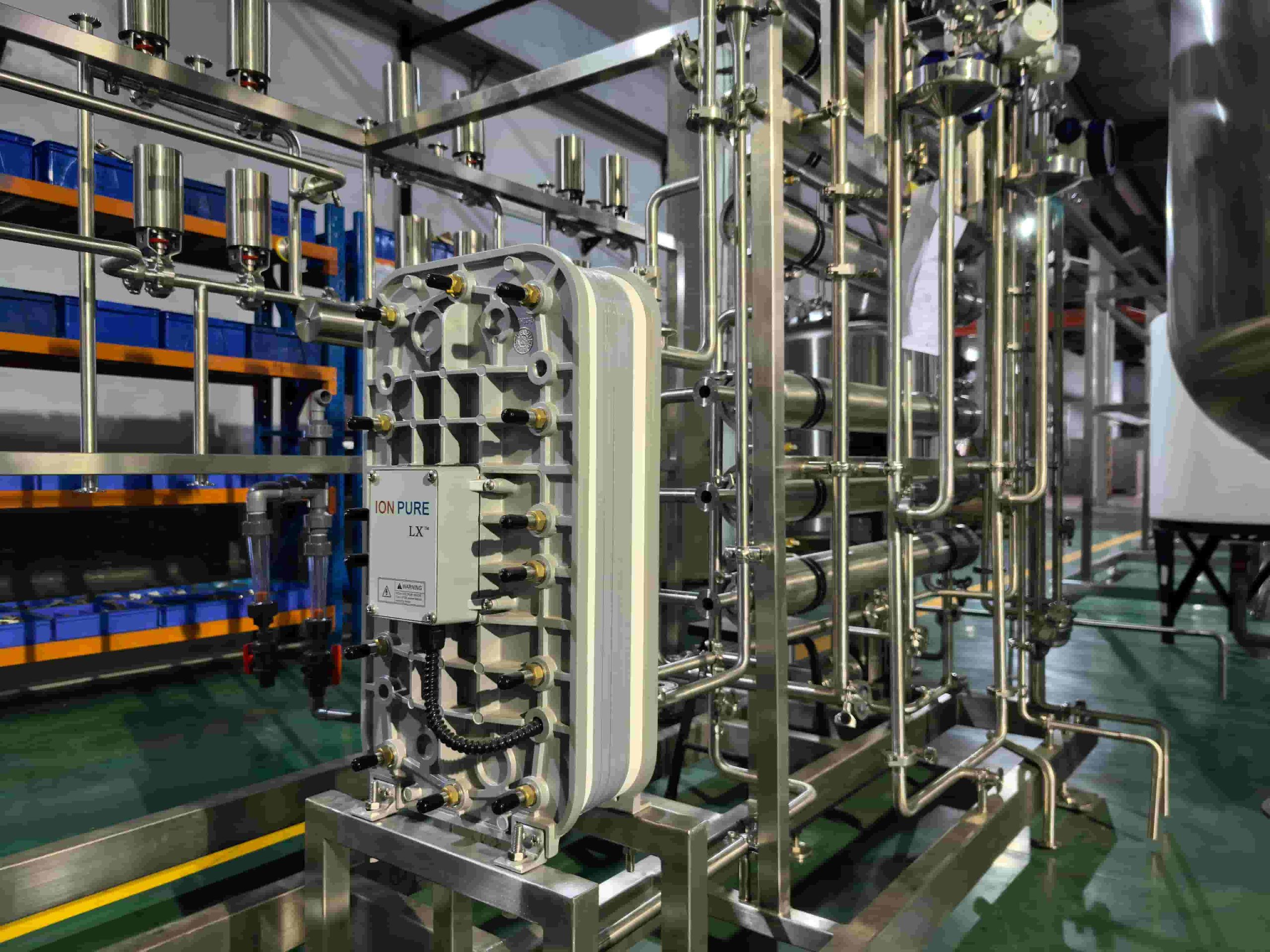
Overview of Pharmaceutical Water Systems
Pharmaceutical water systems represent the backbone of drug manufacturing and biomedical processes, delivering ultrapure water tailored for sensitive applications. Their indispensable role extends across purified water (PW), water for injection (WFI), and highly purified water used in formulation, cleaning, and analytical testing. Achieving and maintaining water purity in such systems requires a sophisticated blend of engineering excellence, stringent compliance, and operational reliability.
The core function of a pharmaceutical water system is to remove microbiological contaminants, organic impurities, dissolved solids, and endotoxins, ensuring a water quality that aligns with pharmacopeial standards such as USP, EP, and JP. Transitioning raw feedwater through a series of physical and chemical treatments, these systems uphold the safety and efficacy of pharmaceutical products. SKE & Eagle contributes cutting-edge expertise in the design and manufacture of components integral to advanced water treatment solutions. Their capabilities stretch from advanced ultrafiltration modules to corrosion-resistant piping tailored for pharma-grade applications.
This article delves comprehensively into the facets of pharmaceutical water systems, exploring engineering best practices, component technologies, regulatory implications, and validation strategies, while illuminating the practical considerations manufacturers face when implementing robust water purification infrastructure.
Design Principles and Engineering Standards
Designing a pharmaceutical water system transcends conventional water treatment engineering, demanding adherence to exacting design principles governed by regulatory authorities and industry best practices. At the foundation lies the requirement for system design that minimizes microbial contamination risk, limits endotoxin levels, and facilitates routine sanitization.
Key engineering standards include:
- Material Selection: Use of stainless steel 316L construction and high-purity polymers like PTFE, PVDF ensures corrosion resistance and bio-compatibility.
- System Architecture: Loop systems and forward-feed designs optimize water flow, reduce dead legs, and enhance hygienic circulation.
- Surface Finish: Polished interior pipework with Ra values below 0.8 µm to inhibit biofilm formation and permit effective cleaning.
- Sanitization Capability: Integration of thermal (hot water) or chemical sanitization methodologies for effective microbial control.
SKE & Eagle’s engineering philosophy aligns with these standards, emphasizing modularity, scalable manufacturing capabilities, and stringent quality systems. Their custom-engineered components support high-purity flow paths, delivering consistent water quality and system longevity.
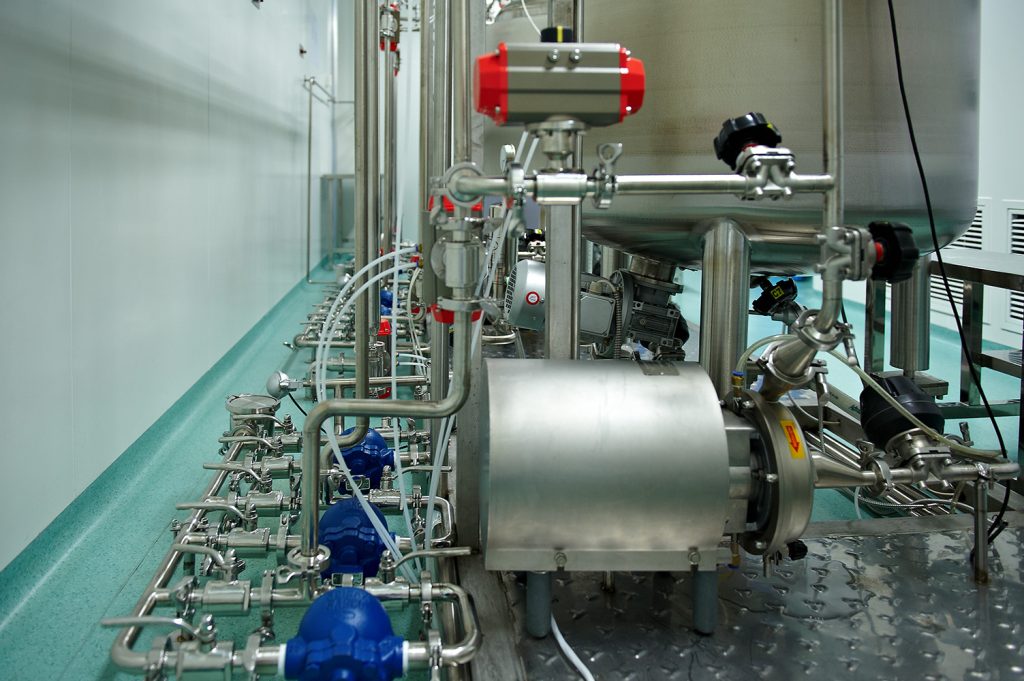
Key Technologies and Components
A pharmaceutical water system integrates a range of treatment technologies to progressively remove contaminants. The selection and combination of these components depend heavily on feedwater characteristics, desired product water quality, and operational conditions.
Typical technology sequence includes:
- Pre-treatment: Coarse filtration, carbon filters (activated carbon), and water softeners reduce particulates, chlorine, and hardness that impair downstream components.
- Reverse Osmosis (RO): The primary membrane-based technology removing dissolved solids and organic molecules, delivering high-quality purified water. SKE & Eagle’s expertise ensures precision-engineered RO systems that balance flux rate and salt rejection optimized for pharmaceutical standards.
- Ultrafiltration (UF): Removes endotoxins and microorganisms, critical for Water for Injection systems. Ultrafiltration modules supplied by SKE & Eagle feature advanced hollow fiber membranes designed for durability and high throughput.
- Deionization (DI) Units: Mixed or separate bed ion exchange resins further polish water purity, removing ionic contaminants to trace levels.
- UV Oxidation Systems: Ultraviolet treatment is often incorporated to control biofilm and degrade trace organic compounds.
- Storage & Distribution: Sanitizable storage tanks coupled with looped distribution piping maintain water quality en route to point-of-use applications.
SKE & Eagle’s engineering standards ensure these components are manufactured with precision tolerances, hygienic connections, and corrosion-resistant materials. Their water treatment solutions include custom-engineered vessels and piping systems enabling seamless integration of pre-treatment and advanced purification steps.
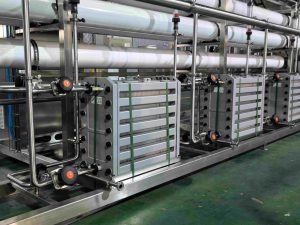
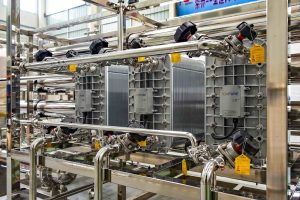
Regulatory Framework and Compliance
Pharmaceutical water systems are subject to rigorous regulatory scrutiny given their direct impact on drug safety and efficacy. Key regulatory and pharmacopeial standards include:
- United States Pharmacopeia (USP) Purified Water and Water for Injection Monographs: Define microbiological limits, chemical specifications, and system requirements.
- European Pharmacopeia (EP): Parallel standards with emphasis on endotoxin limits for Water for Injection, temperature of sanitization, and sampling protocols.
- Japan Pharmacopeia (JP): Similar stringent guidelines with region-specific additional requirements.
- 21 CFR Part 210 and 211: FDA regulations enforcing good manufacturing practices (GMP) for water system design, operation, and documentation.
- ISPE Good Practice Guides and PDA Technical Reports: Industry best practice documents providing comprehensive guidance on water system validation, maintenance, and operation.
Compliance entails a well-documented water system lifecycle including design qualification (DQ), installation qualification (IQ), operational qualification (OQ), and performance qualification (PQ). The documentation must demonstrate the system’s ability to consistently produce water meeting pharmacopoeial purity requirements.
SKE & Eagle supports pharmaceutical manufacturers by providing components and engineering services designed to meet or exceed these regulatory expectations, facilitating smoother qualification and audit processes.
Validation and Maintenance Strategies
Validation of pharmaceutical water systems is a multidisciplinary effort combining microbiology, chemistry, and engineering disciplines. Establishing system performance criteria, critical parameters, and acceptance limits per regulatory standards is fundamental.
Steps typically include:
- Pre-Validation Testing: Initial commissioning tests and baseline water quality assessments.
- Challenge Testing: Microbial and chemical challenges to ensure system robustness.
- Routine Sampling: Scheduled sampling locations throughout the system to monitor endotoxins, conductivity, total organic carbon (TOC), and microbial levels.
- Sanitization Performance: Demonstration of effective sanitization protocols via microbial reduction studies.
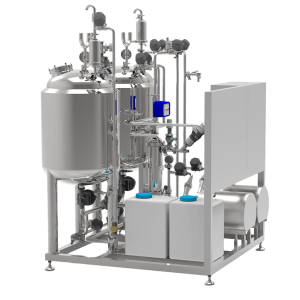
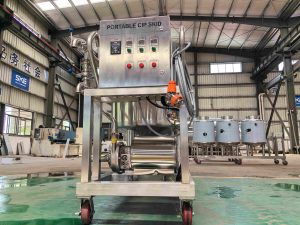
Maintenance strategies combine routine inspection of components, filter replacements, cleaning-in-place (CIP) protocols, and timely response to alarms and deviations. Employing automated control systems with real-time monitoring enhances operational efficiency and data integrity.
Future Trends and Innovations
Pharmaceutical water systems continue evolving driven by technological advances and regulatory expectations. Significant emerging trends include:
- Digitization and IoT Integration: Smart sensors and IoT-enabled devices provide continuous monitoring and remote diagnostics, improving data accuracy and operational transparency.
- Advanced Membrane Technologies: Next-generation membranes with enhanced fouling resistance and higher selectivity increase system efficiency.
- Energy-Efficient Designs: Systems optimized to reduce energy consumption while maintaining sanitization efficacy contribute to sustainability goals.
- Hybrid Treatment Solutions: Combination of RO, EDI (electrodeionization), and UV oxidation tailored for bespoke applications.
- Modular and Prefabricated Systems: Accelerate deployment timelines and reduce installation risks.
SKE & Eagle invests continuously in research and development to integrate these advancements into their water treatment solutions, helping pharmaceutical manufacturers future-proof their infrastructure while upholding the highest purity standards.
Internal link: Discover more about water treatment solutions incorporating cutting-edge technology by SKE & Eagle.
Frequently Asked Questions
What distinguishes Water for Injection (WFI) systems from Purified Water (PW) systems in pharmaceuticals?
Water for Injection systems require higher purity standards than Purified Water systems. WFI must be free of endotoxins and pyrogens, typically achieved through distillation or ultrafiltration and thermal sanitization. PW is generally used for non-injectable formulations and cleaning, with less stringent endotoxin limits.
How does SKE & Eagle ensure compliance with pharmaceutical water system regulations?
SKE & Eagle incorporates rigorous engineering standards, quality manufacturing processes, and system testing aligned with USP, EP, and GMP guidelines. Their solutions facilitate validation and documentation required for regulatory approvals, ensuring consistent delivery of pharmaceutical-grade water.
What maintenance practices optimize pharmaceutical water system longevity?
Routine microbial monitoring, filter change-outs, periodic sanitization (thermal or chemical), and prompt addressing of alarms are essential. Additionally, maintaining flow velocity and verifying instrument calibration ensure system integrity over time.
Can modular pharmaceutical water systems shorten project timelines?
Yes. Modular and prefabricated systems manufactured off-site can reduce installation time, minimize onsite disruptions, and improve quality control. SKE & Eagle offers tailored modular solutions that can expedite commissioning without compromising on compliance or performance.
Contact SKE & Eagle for Advanced Pharmaceutical Water System Solutions
For expert guidance and innovative water treatment solutions tailored to pharmaceutical applications, we invite you to reach out to SKE & Eagle’s team of engineers and industry specialists. Whether you are planning a new installation, system upgrade, or require technical consultation, our commitment to engineering excellence and quality ensures your water system meets the highest standards.
Connect with us on Facebook or send inquiries via email at info@ske-eagle.com. Please visit our website and fill out the contact form at the bottom of the page to start a conversation about your pharmaceutical water system requirements.