

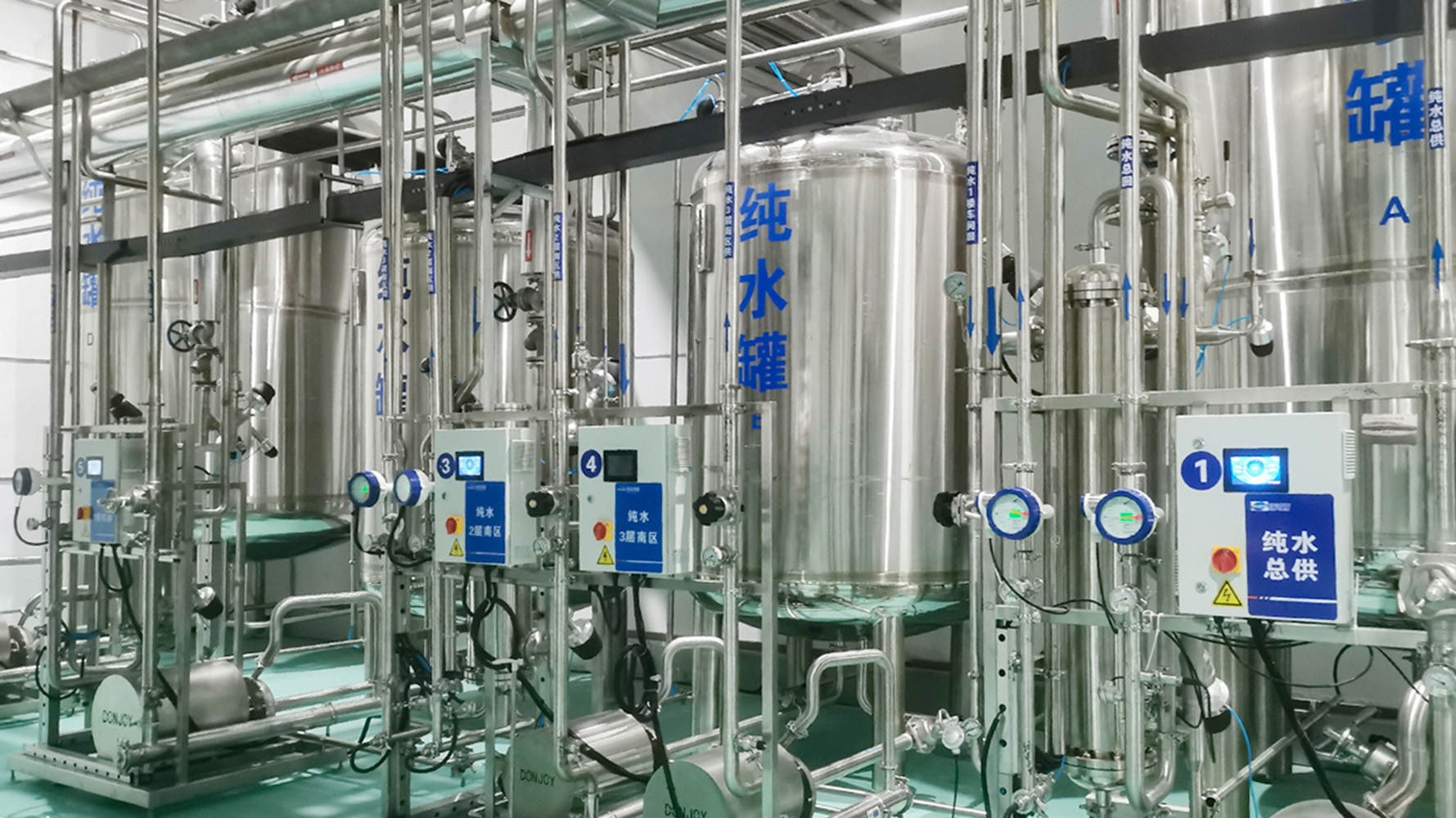
Introduction to Pharmaceutical Water Plants
The pharmaceutical industry demands the highest purity water to ensure quality, safety, and efficacy of medicinal products. A pharmaceutical water plant is a highly engineered facility designed to produce purified water (PW), water for injection (WFI), and other grades of pharmaceutical-grade water critical for drug formulation, cleaning, and manufacturing processes. With stringent regulatory oversight, these plants must achieve system reliability, consistency, and compliance with standards such as USP, EP, and JP.
SKE & Eagle, leveraging decades of expertise in industrial water treatment, delivers cutting-edge solutions tailored for pharmaceutical water plants. Their proven manufacturing capabilities ensure robust, modular systems engineered for optimized performance and long-term operational excellence.
The core of a pharmaceutical water plant encompasses advanced physical and chemical purification technologies that deliver ultra-pure water compliant with global pharmacopoeias. This article examines the engineering principles, design standards, regulatory requirements, challenges, and future innovations defining pharmaceutical water plants in 2025.
Key Technologies and Manufacturing Processes
Pharmaceutical water plants employ sophisticated water treatment technologies optimized for maximum contaminant removal, microbial control, and continuous quality assurance. Understanding the technical foundations of these processes is essential for design engineers, quality experts, and plant operators.
1. Pretreatment Systems
Raw water entering the pharmaceutical water plant undergoes pretreatment to remove suspended solids, chlorine, organic matter, and hardness to safeguard downstream equipment. Common pretreatment steps include multimedia filtration, activated carbon filters, and water softening through ion exchange resins. SKE & Eagle’s engineered pretreatment modules ensure consistent feed water quality facilitating optimal operations of critical membrane systems.
2. Reverse Osmosis (RO) Systems
RO membranes are the cornerstone technology, removing dissolved salts, bacteria, endotoxins, and organic impurities. Modern pharmaceutical RO systems are designed with high rejection membranes, feedwater staging, and energy recovery to balance efficiency and throughput. SKE & Eagle integrates precision-engineered RO assemblies with automatic control valves and instrumentation to ensure dependable productivity and ease of validation.
3. Water Polishing and Ultrapurification
Post-RO treatment is vital for producing Water for Injection (WFI) or Highly Purified Water (HPW). Technologies include ultrafiltration (UF), electrodeionization (EDI), distillation, and UV oxidation. The choice depends on purity specifications and regulatory alignment.
Distillation Plants: While still a gold standard for WFI in many regions, distillation units require advanced materials and clean design. SKE & Eagle’s distillation systems comply with ASME and cGMP construction codes, utilizing corrosion-resistant stainless steel with sanitary piping for steam generation and condensate collection.
EDI Technology: For continuous production of HPW, EDI offers chemical-free ion removal, reduced operating costs, and simplified regeneration. SKE & Eagle’s EDI modules are engineered for minimal footprint with high durability suitable for 24/7 pharmaceutical plant operations.
4. Storage and Distribution.
Pharmaceutical water is stored and distributed within looped piping networks made from sanitary-grade materials such as 316L stainless steel. System design minimizes dead legs and biofilm formation. Automated temperature controls and continuous recirculation preserve water quality. SKE & Eagle’s distribution pumps are designed for quiet performance, efficiency, and compliance with hygiene standards.
Selection of technologies involves balancing capital expenditure, process complexity, operating environment, and specific end-use water quality. SKE & Eagle provides complete engineering consultation to customize system architecture for pharmaceutical clients.
System Design and Engineering Considerations
The reliability and compliance of a pharmaceutical water plant begin at the engineering design phase, where integration of process, instrumentation, and control (PIC) systems defines resultant water quality and maintainability. SKE & Eagle’s engineering philosophy emphasizes modularity, material compatibility, hygienic design, and future scalability.
Sanitary Mechanical Design
All wetted surfaces within a pharmaceutical water plant system must be corrosion-resistant, smooth, and easily cleanable. Typically, 316L stainless steel with electropolished finishes (Ra ≤ 0.4 µm) is used. Seamless welding with orbital welding techniques ensures crevice-free joints, minimizing microbial harborage.
Piping and Instrumentation
Looped distribution piping is sized to maintain turbulent flow (1.5 to 3 m/s) preventing biofilm formation. Special attention is given to valve types—sanitary diaphragm valves and automatic drain valves facilitate cleaning. Instruments for conductivity, TOC, and microbial monitoring are strategically placed for real-time control.
Automated Control and Monitoring
Modern pharmaceutical water plants rely heavily on SCADA systems for continuous surveillance, alarm thresholds, and data logging compliant with 21 CFR Part 11. SKE & Eagle integrates intelligent PLC controls with human-machine interfaces (HMIs), ensuring operators can visualize system performance and invoke corrective actions promptly.
Cleaning In Place (CIP) and Sterilization
Designed with cleanability in mind, systems incorporate automated CIP cycles employing caustic, acid washes, and sanitization via hot water or steam. Validation of CIP efficacy mandates precise temperature control and chemical dosing. SKE & Eagle’s systems feature built-in protocols reducing manual labor and increasing reproducibility.
Redundancy and Fail-safe Measures
To secure continuous availability, critical components—pumps, membranes, control loops—are configured redundantly. Bypass lines and automatic switchover valves reduce downtime during maintenance. These engineering controls ensure pharmaceutical manufacturing operations experience no water disruptions.
Bringing together these design elements demands cross-disciplinary expertise in chemical engineering, instrumentation, and regulatory affairs—areas where SKE & Eagle consistently demonstrates authoritative capability through their project track record and engineering standards.
Regulatory Standards and Compliance Requirements
Pharmaceutical water plants must comply with stringent regulatory frameworks to safeguard patient health and product integrity. Global pharmacopoeias (USP, EP, JP), FDA guidelines, and EU GMP Annex 1 dictate the quality attributes, testing methods, system design criteria, and documentation standards.
USP, EP, and JP Water Quality Standards
Pharmaceutical water grades include:
– Purified Water (PW) for non-injectable drug preparation
– Water for Injection (WFI) for parenteral and sterile product formulation
– Highly Purified Water (HPW) where specified
Each grade has specific maximum allowable limits for parameters such as chemical contaminants, microbial counts, endotoxins, conductivity, and total organic carbon (TOC). For example, WFI must contain endotoxins below 0.25 EU/mL and be free from pyrogenic substances.
Current Good Manufacturing Practices (cGMP)
Water systems must be designed and operated under cGMP which enforces:
- Validation of system design, installation, operation, and performance
- Comprehensive documentation covering SOPs, maintenance logs, and deviation management
- Qualification of equipment and personnel training
- Change control and risk management processes
SKE & Eagle supports clients through full lifecycle validation protocols, meeting FDA and global agency expectations while facilitating inspection readiness.
Environmental and Safety Regulations
Disposal of waste streams (concentrate, sanitizing agents) from pharmaceutical water plants must comply with environmental laws. Equipment must also incorporate safety features to prevent chemical exposure and microbial hazards. Systems designed by SKE & Eagle include comprehensive safety interlocks and low environmental impact processes.
Water Quality Monitoring and Validation
Consistent monitoring and validation are cornerstones for ensuring pharmaceutical water plants deliver water of the correct purity throughout production and distribution phases. The process involves continuous analytical measurements, periodic physical inspections, and microbiological testing.
Critical Quality Attributes (CQAs)
Water quality parameters monitored typically include:
– Conductivity and resistivity
– pH
– Total Organic Carbon (TOC)
– Microbial bioburden (CFU counts)
– Endotoxins
– Turbidity and residual chlorine
Advanced sensor technologies allow online, real-time measurement and alarm generation. SKE & Eagle integrates these intelligent analytics within their water plants for seamless Quality by Design (QbD) management.
Validation Documentation and Procedures
Process validation follows predefined protocols:
– Installation Qualification (IQ)
– Operational Qualification (OQ)
– Performance Qualification (PQ)
These ensure that the system performs as intended under all expected operating parameters. A collaborative approach with SKE & Eagle’s engineering and quality teams enables comprehensive documentation adhering to compliance auditing requirements.
Microbiological Control and Biofilm Prevention
Microbial contamination is a primary risk in pharmaceutical water systems. Prevention strategies include using sanitary design, regular sanitization cycles, and rapid microbial testing methods such as ATP bioluminescence. Validation of sanitation processes and biofilm control are critical quality checkpoints.
By combining robust design with state-of-the-art monitoring and validation, pharmaceutical plants minimize contamination risks and maintain uninterrupted water quality.
Common Challenges and Myths in Pharmaceutical Water Systems
Challenge 1: Maintaining Consistent Water Temperature in Distribution Loops
Water temperature affects microbial growth and system contamination rates. It is a common misconception that maintaining a single temperature range is sufficient. However, temperature gradients caused by inadequate looping or insulation lead to biofilm formation.
SKE & Eagle addresses this by engineering uniform recirculation loops, using thermal insulation, and installing multiple temperature sensors with active feedback control, ensuring system-wide temperature stability.
Challenge 2: Over-reliance on Chemical Sanitization
Another myth is the exclusive use of chemical agents for system sanitization. Chemical methods alone can degrade system materials and leave residues, impacting product quality.
Modern systems integrate multiple sanitization strategies — thermal, chemical, and UV irradiation — coordinated by automated CIP cycles to balance efficacy with equipment integrity.
Challenge 3: Misunderstanding Validation Requirements
Organizations often underestimate the scope and complexity of validation documentation, risking compliance gaps. Validation is a continuous lifecycle process involving requalification after changes or repairs.
SKE & Eagle’s team assists pharmaceutical companies in establishing practical validation strategies and training programs to keep pace with evolving regulatory landscapes.
Challenge 4: Belief That Pure Water Systems Are “One-size-fits-all”
Water quality requirements vary dramatically based on pharmaceutical product type and manufacturing processes. Uniform system designs overlook specific contaminant profiles and operational parameters.
Consultation with experienced providers like SKE & Eagle ensures tailored system selection meeting precise industrial and regulatory demands.
Practical Applications and Case Studies
Pharmaceutical water plants are central to various application scenarios including sterile drug manufacturing, injectable products, cleaning of critical equipment, and formulation of oral suspensions. Their water quality directly influences batch quality, regulatory approvals, and product recalls.
Case Study 1: Enhanced WFI Production for Injectable Drugs
A leading pharmaceutical company implemented a dual distillation and EDI system supplied by SKE & Eagle to produce WFI meeting USP purity with minimized downtime. The system incorporated redundant pumps, automated CIP cycles, and advanced control systems. Post-installation, the plant reported:
- Zero regulatory non-conformities during FDA audit
- Reduced microbial excursions by 40%
- Improved energy efficiency by 15%
Case Study 2: Modular Pure Water Plant for Oral Solid Dosage Production
In response to rapid site scale-up, SKE & Eagle delivered a modular pharmaceutical water system capable of delivering PW compliant with EP standards within a tight construction timetable. The plant’s compact design integrated pretreatment, RO, and loop distribution beneath the main building, saving valuable floor space.
These practical applications demonstrate how robust engineering, intelligent integration of technologies, and adherence to pharmacopeial standards result in operational excellence.
Learn more about SKE & Eagle’s bespoke water treatment plant solutions and their industry-leading design and manufacturing capabilities.
Future Trends in Pharmaceutical Water Treatment
The pharmaceutical water sector is evolving rapidly with technological innovation, stricter regulations, and digital transformation. Key trends shaping the next decade include:
1. Digital Twins and Predictive Maintenance
Simulation of water plant processes through digital twins allows real-time predictive maintenance and process optimization. SKE & Eagle is pioneering integration of AI-driven analytics within water plant control platforms for reducing downtime and extending equipment life.
2. Green and Sustainable Water Treatment
Environmental concerns drive adoption of energy-efficient RO membranes, chemical-free regeneration, and water reuse systems. Designs minimize waste streams and integrate renewable energy sources effectively.
3. Advanced Disinfection Technologies
Ultrasonic cleaning, advanced oxidation processes, and novel UV-C LED technologies promise enhanced microbial control with reduced chemical dependency.
4. Modular and Prefabricated Plants
Factory-built modular systems reduce installation time and costs, enabling fast deployment for pharmaceutical businesses expanding globally. SKE & Eagle’s modular approach combines engineering precision with ease of transport and scalability.
Staying abreast of these trends is crucial for pharmaceutical manufacturers committed to future-proofing their water infrastructure amid increasing quality expectations and environmental considerations.
Frequently Asked Questions about Pharmaceutical Water Plant
What are the main types of water used in pharmaceutical manufacturing?
Pharmaceutical water plants primarily produce Purified Water (PW), Water for Injection (WFI), and Highly Purified Water (HPW), each meeting different quality criteria for various pharmaceutical processes.
How does SKE & Eagle contribute to pharmaceutical water plant technology?
SKE & Eagle provides engineering expertise, advanced water treatment systems integrating RO, distillation, and EDI, alongside compliance-focused design and manufacturing, ensuring consistent pharmaceutical water plant performance.
What are the critical factors in designing a pharmaceutical water distribution system?
Key factors include sanitary piping materials, looped recirculation to avoid stagnation, temperature control, seamless welds, and automated controls for continuous microbial and chemical quality monitoring.
Why is validation important in pharmaceutical water plants?
Validation ensures that the pharmaceutical water plant consistently produces water meeting strict purity and microbial standards required for pharmaceutical manufacturing by demonstrating system performance and compliance.
What are emerging trends in pharmaceutical water plant design?
Emerging trends include the use of digital twins, predictive maintenance, greener water treatment technologies, modular system designs, and next-gen disinfection methods enhancing operational efficiency and compliance.
Contact SKE & Eagle for Expert Pharmaceutical Water Plant Solutions
For specialized advice and engineered systems tailored to your pharmaceutical water plant requirements, connect with SKE & Eagle’s experts. Our commitment to quality, innovation, and regulatory compliance ensures your water systems exceed industry standards.
Follow us on Facebook or contact us via email at info@ske-eagle.com.
Visit the contact form at the bottom of our website to initiate your project consultation.