

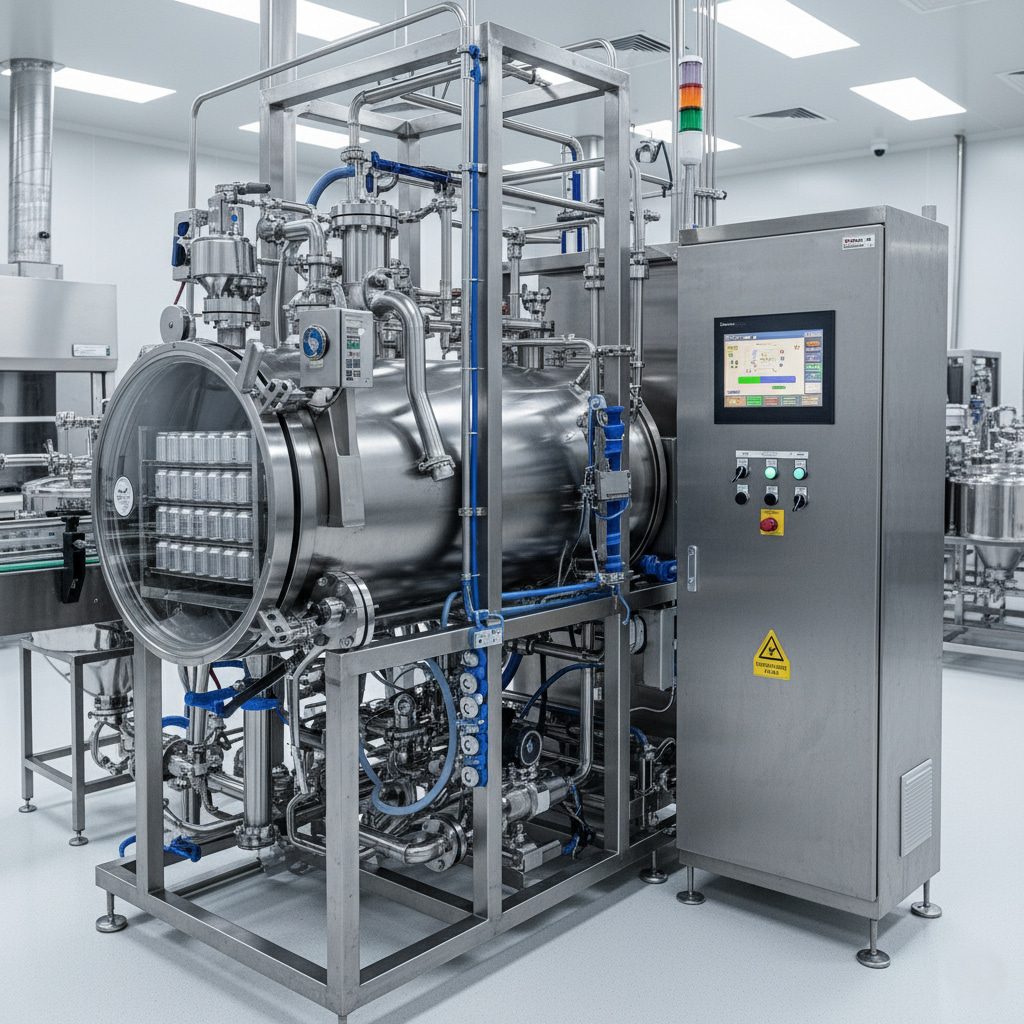
Key Components and Engineering Principles
Successful pharmaceutical system design rests upon a foundation of core components and engineering principles that ensure performance, hygiene, and adaptability. These include the system layout, selection of materials, fluid dynamics, and automation controls.
System Layout and Process Flow
The layout defines process flow, minimizing the risk of cross-contamination and ease of maintenance. Designs often feature unidirectional flow with minimal dead legs. The use of modular or skidded systems improves scalability and reduces installation time.
Material Selection
Material compatibility is paramount due to the corrosive nature of cleaning agents and the need for inert surfaces that do not interact with pharmaceutical compounds. Stainless steel, particularly 316L, and high-grade polymers are standard. Surface finish quality (typically 20-30 microinch Ra) is essential to prevent microbial biofilms.
Fluid Dynamics and Piping Design
Hydraulic design optimizes pressure, flow rates, and temperature to maintain sterile conditions. Computational fluid dynamics (CFD) is increasingly applied during design to reduce stagnation points and ensure uniform velocity profiles.
Instrumentation and Automation
Real-time monitoring using sensors for pressure, temperature, flow, and conductivity integrates with distributed control systems (DCS) for automated process control and data logging. Automation enhances repeatability and compliance with 21 CFR Part 11 requirements.
SKE & Eagle specializes in integrating precise instrumentation and control systems within pharmaceutical designs, assuring operational transparency and process integrity.
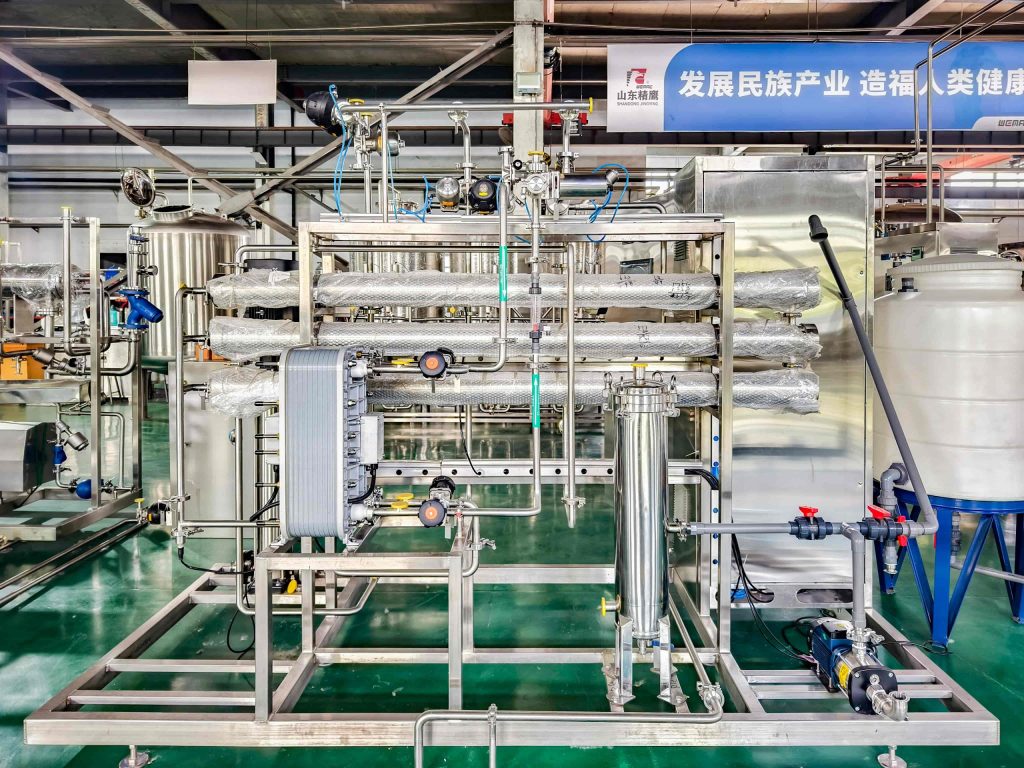
Regulatory Compliance and Industry Standards
Pharmaceutical system design is governed by numerous regulatory and industry standards that guarantee safety, product quality, and traceability throughout manufacturing. Some of the most influential include:
Current Good Manufacturing Practices (cGMP)
cGMP regulations by the FDA and other agencies mandate quality systems ensuring products are consistently produced and controlled. System design must facilitate cleaning, maintenance, and validation procedures aligned with these practices.
Pharmaceutical Water Standards
Purified Water (PW), Water for Injection (WFI), and Highly Purified Water systems must comply with standards such as USP, EP, and JP. Design considerations include material compatibility, system sanitization, and microbial control. Our detailed coverage of pharmaceutical water systems highlights how compliance is embedded in system architecture.
International Organization for Standardization (ISO)
ISO 14644 (cleanrooms), ISO 13485 (medical devices), and ISO 9001 (quality management) also impact system design considerations.
Validation and Qualification
System design must support installation qualification (IQ), operational qualification (OQ), and performance qualification (PQ). These steps verify that systems meet design specifications and operate as intended in the production environment.
Integrating compliance into pharmaceutical system design is essential to avoid costly redesigns and audit failures. SKE & Eagle’s engineering approach prioritizes compliance from concept through commissioning, ensuring robust validation support.
Water Treatment and Purification Systems
Water treatment is a cornerstone of pharmaceutical system design, given the critical quality attributes required for water used in drug formulation and cleaning. The design of these systems involves multiple stages of purification, distribution, and monitoring.
Purification Technologies
Key purification technologies include reverse osmosis (RO), ultrafiltration (UF), deionization (DI), UV sterilization, and continuous distillation. Systems are engineered to reduce particulate, microbial burden, endo-toxins, and organic contaminants.
Distribution System Design
Design concepts emphasize closed-loop piping with continuous circulation to maintain microbial control and chemical integrity of pharmaceutical-grade water. Dead legs and low flow velocity zones must be avoided to prevent biofilm formation.
Monitoring and Control
Automated sampling and analysis of parameters such as conductivity, TOC, and microbial counts ensure compliance and proactive maintenance. These systems benefit from SKE & Eagle’s precise instrumentation and seamless integration.
For a comprehensive understanding of these advanced technologies integrated into system design, see SKE & Eagle’s insights on water purification systems tailored for pharmaceutical applications.
Clean-in-Place (CIP) and Sterilization Systems
CIP and sterilization systems are integral to pharmaceutical system design, addressing the need for hygienic, repeatable cleaning cycles without dismantling equipment. These systems protect product integrity and comply with regulatory hygiene requirements.
CIP System Architecture
CIP systems utilize automated control sequences to circulate cleaning agents and rinse water through process lines. The design includes dedicated tanks, pumps, valves, and heat exchangers. The selection of piping configuration and surface finishes is critical to prevent microbial harborage.


Sterilization Methods
Steam-in-place (SIP) is the most common approach for sterilizing pharmaceutical equipment. System design incorporates robust steam supply circuits, temperature and pressure controls, and validation protocols. Alternative sterilization techniques may include vaporized hydrogen peroxide (VHP) or chemical sterilants.
Automation and Validation
Automated control and logging during CIP/SIP cycles ensure reproducibility and traceability. Integration with facility control systems offers real-time status monitoring and alarms. Validation demonstrates the effectiveness of cleaning and sterilization, essential in regulatory submissions.
SKE & Eagle’s advanced expertise in custom CIP system engineering ensures designs optimize cleaning efficiency while minimizing water and chemical usage, promoting sustainability.
System Reliability, Quality, and Validation
Pharmaceutical system design must prioritize reliability and quality assurance, given the critical nature of product safety. All components and systems undergo rigorous testing and validation processes to ensure they meet or exceed manufacturing needs.
Engineering Quality Standards
Adherence to engineering standards such as ASME BPE supports hygienic design with traceability. Weld quality, surface finishes, and cleanability are documented meticulously.
System Redundancy and Maintenance
Critical systems often incorporate redundancy in pumps, instrumentation, and controls to maintain uptime and avoid batch losses. Predictive maintenance strategies, enabled by IoT sensors, help anticipate equipment failure.
Validation Protocols
Validation encompasses design qualification (DQ), IQ, OQ, PQ, and ongoing process verification. This comprehensive approach ensures that systems perform reliably under operational conditions and maintain product integrity.
Frequently Asked Questions about Pharmaceutical System Design
What are the most important considerations in pharmaceutical system design?
Critical considerations include compliance with regulatory requirements such as cGMP, material compatibility, hygienic design to prevent contamination, system validation capabilities, and integration of automated controls for consistent process operation.
How does water treatment factor into pharmaceutical system design?
Water treatment is fundamental, as pharmaceutical manufacturing relies on high-purity water. Systems are designed to include multi-stage purification, continuous circulation, and real-time quality monitoring to ensure water meets stringent pharmacopoeial standards.
Why is Clean-in-Place (CIP) important in pharmaceutical system design?
CIP systems enable efficient, repeatable cleaning of process equipment without disassembly, reducing downtime and contamination risk. Proper CIP design supports regulatory compliance and ensures process hygiene.
Connect with SKE & Eagle for Your Pharmaceutical System Design Needs
For more detailed guidance on pharmaceutical system design and to explore customized engineering solutions, we invite you to reach out to the experts at SKE & Eagle. Our team is ready to collaborate and support your manufacturing goals.
- Follow us on Facebook: SKE & Eagle Facebook Page
- Email us directly: info@ske-eagle.com
Alternatively, please visit our contact page to fill out the inquiry form and connect with our expert consultants.