


- 1. Fundamentals and Importance of Pharmaceutical Steam Systems
- 2. Core Components and Engineering Design of Steam Systems
- 3. Clean Steam Generation: Standards and Quality Control
- 4. Steam System Operation, Maintenance, and Validation
- 5. SKE & Eagle’s Role in Advanced Pharmaceutical Steam Solutions
- 6. Common Myths and Engineering Challenges in Steam Systems
- Frequently Asked Questions
1. Fundamentals and Importance of Pharmaceutical Steam Systems
Pharmaceutical steam systems are critical infrastructures in the life sciences and healthcare manufacturing sectors. They provide the indispensable high-quality steam necessary for sterilization, cleaning, heating, and process control operations. This steam must strictly comply with stringent purity, pressure, temperature, and dryness specifications to prevent contamination risks and to ensure regulatory compliance.
Steam is utilized in a myriad of pharmaceutical processes, including autoclave sterilization, humidification in clean zones, heating of reactors, and preparation of formulations. The unique requirement is for clean steam: steam generated under controlled conditions that minimize the presence of particulates, microorganisms, and chemical impurities.
Engineering a pharmaceutical steam system demands an integrated understanding of thermodynamics, fluid mechanics, microbiological control, and materials science. It is imperative that all components—from boilers to distribution piping and steam traps—adhere not only to functional standards but also to the quality directives compliant with cGMP and pharmacopeia requirements such as USP and EP.
The criticality of these systems explains why manufacturers like SKE & Eagle invest heavily in system reliability, quality design, and extensive validation protocols. Leveraging decades of industry experience, SKE & Eagle’s pharmaceutical steam solutions ensure operational efficiency and regulatory peace of mind.
To fully appreciate pharmaceutical steam systems, it is essential to be familiar with the types of steam used in pharmaceutical environments:
- Utility Steam: Generic steam often used for heating utilities but not acceptable for direct product contact.
- Clean Steam: Steam generated from treated water specifically designed for sterilization and product-contact functions.
- Pure Steam: Clean steam further purified, often used in processes like injection and ophthalmics that require the highest purity level.
Understanding these distinctions guides the design and qualification of pharmaceutical steam systems that uphold patient safety and product efficacy.
2. Core Components and Engineering Design of Steam Systems
The architecture of a pharmaceutical steam system involves several key components engineered to maintain the integrity and quality of steam delivered throughout manufacturing facilities.
Steam Generators and Pure Steam Generators
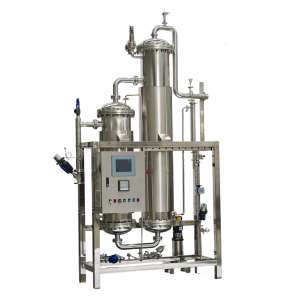
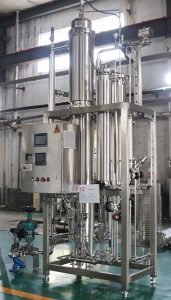
For pharmaceutical clean and pure steam, dedicated steam generators are employed. These units vaporize treated water under sterile conditions, ensuring steam free of pyrogens and particulates. The design typically includes continuous monitoring of water quality, precise temperature controls, and hygienic construction materials such as stainless steel 316L.
Distribution Piping and Components
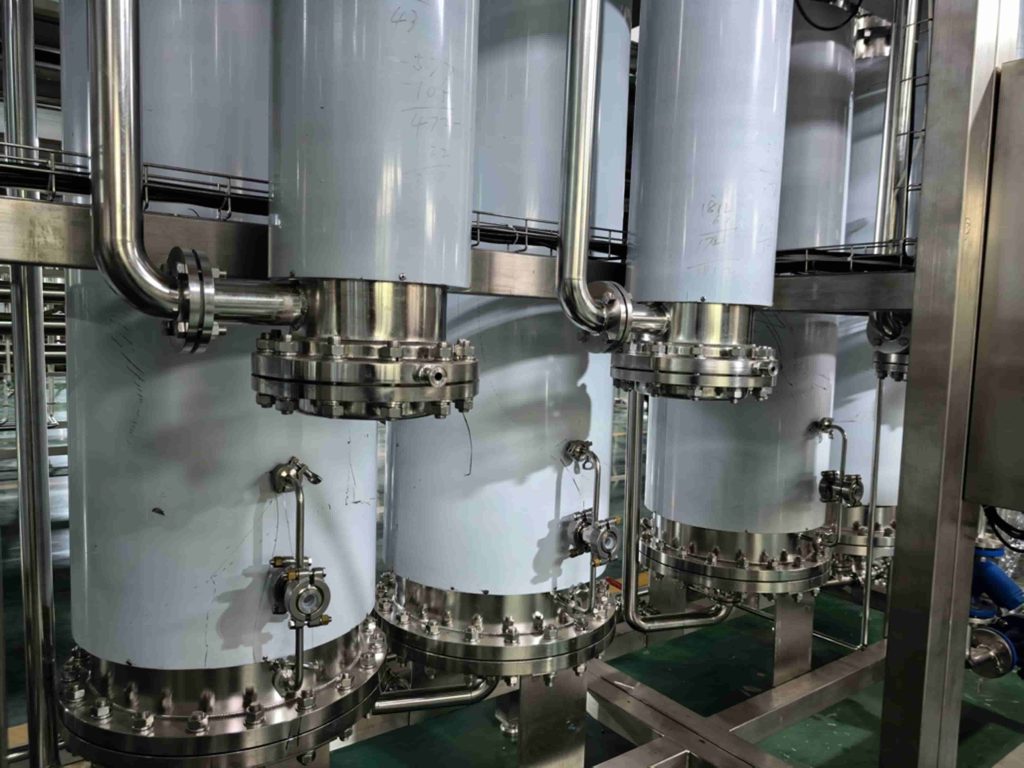
The distribution network uses sanitary piping with orbital welded seams to reduce biofilm risks. Slope gradients, trap installations, and drain points must be meticulously engineered to prevent condensate accumulation, which can impair steam quality and heat transfer efficiency.


Instrumentation and Control Systems
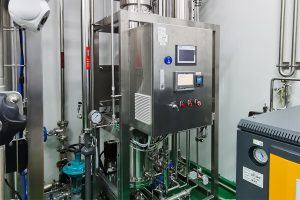
Advanced pressure, temperature, and conductivity sensors integrated with PLC (Programmable Logic Controller) systems enable real-time monitoring and automatic control. This integration is essential for compliance with data integrity practices and cGMP.
SKE & Eagle’s engineering teams emphasize robust instrumentation selection paired with customized control strategies to optimize steam system performance, minimize downtime, and facilitate compliance during audits.
3. Clean Steam Generation: Standards and Quality Control
Clean steam generation in pharmaceutical manufacturing is subject to stringent regulatory and quality control standards to ensure patient safety and product sterility.
Regulatory Frameworks
Pharma steam systems must conform to standards including USP Purified Water and Steam, European Pharmacopeia, ASME BPE (BioProcessing Equipment), and FDA guidelines. Each mandates specific methods for steam purity, endotoxin levels, and system validation.
Water Treatment and Feed Water Quality
The quality of water before vaporization significantly affects steam quality. Pretreatment steps often include reverse osmosis, UV sterilization, deionization, and filtration. These eliminate microbial contamination and chemical impurities such as dissolved solids and chlorine.
Continuous Steam Monitoring
Implementation of inline particle counters, conductivity sensors, and biological indicators is standard practice. These sensors provide real-time data assuring that clean steam maintains dryness >99.5%, minimal microbial load, and no material leaching.
SKE & Eagle integrates Water Treatment solutions with pharmaceutical steam systems to form holistic purification loops, thereby enhancing the quality and reliability of steam generation.
4. Steam System Operation, Maintenance, and Validation
| Category | Key Points |
|---|---|
| Overview | Optimal operation and maintenance ensure steam system longevity, product safety and regulatory compliance. |
| Operational Best Practices | Controlled startup/shutdown, pressure regulation, condensate removal and water chemistry management; operator SOP training is critical to avoid contamination. |
| Maintenance Programs | Scheduled maintenance (boiler inspection, trap check, valve calibration, generator cleaning); predictive maintenance reduces unplanned downtime. |
| Validation and Qualification | Comprises IQ, OQ and PQ to verify system meets design specs and produces qualified steam; SKE & Eagle’s engineering standards streamline validation via modularity and integrated monitoring. |
5. SKE & Eagle’s Role in Advanced Pharmaceutical Steam Solutions
SKE & Eagle stands out as a leader in providing engineered solutions customized for pharmaceutical steam systems. The company’s reputation derives from decades of experience serving regulated industries with complex process water and steam needs.
Their core competencies include:
- Water treatment expertise ensuring first-rate feed water quality for superior steam generation;
- Custom-engineered steam generation and distribution systems designed for sterility assurance;
- Rigorous quality control and validation support aligned with international pharmacopeia and cGMP;
- Integrated monitoring and control systems that enhance operational transparency and compliance;
- Engineering philosophy centered on reliability, modularity, and ease of maintenance: enabling reduced total cost of ownership.
By leveraging advanced engineering methodologies and strict manufacturing standards, SKE & Eagle solutions reduce microbial risks and improve process efficiency, critically contributing to building trust with pharmaceutical manufacturers.
For more on system integration and performance optimization, review SKE & Eagle’s detailed capabilities in pharmaceutical water treatment and process water services.
6. Common Myths and Engineering Challenges in Steam Systems
Despite the wide adoption of pharmaceutical steam systems, some prevalent misconceptions and technical challenges remain among industry professionals.
Myth 1: “All Steam is Equal”
A common misunderstanding is that all steam generated by boilers is suitable for sterilization. However, untreated utility steam often contains oil, particulates, and microorganisms. Only clean or pure steam generated by specific pharmaceutical steam generators meets required purity standards.
Myth 2: “Steam Traps Are Optional”
In reality, steam traps are crucial to remove condensate and prevent water hammer, which can damage piping and equipment while compromising steam quality.
Engineering Challenge: Maintaining Steam Sterility
The biggest ongoing challenge is preventing microbial ingress in distribution systems. This requires ultra-smooth piping finishes, continuous system sterilization, and vigilant monitoring. Advances in automation and material science, as applied by engineering leaders like SKE & Eagle, continue to address these challenges.
Frequently Asked Questions about Pharmaceutical Steam Systems
What distinguishes clean steam from utility steam in pharmaceutical processes?
Clean steam is generated from treated water under sterile conditions, ensuring minimal particulates and microorganisms, suitable for direct product contact and sterilization. Utility steam is typically untreated and intended only for non-product contact applications like heating utilities.
How does SKE & Eagle ensure the reliability of pharmaceutical steam systems?
SKE & Eagle employs an engineering philosophy emphasizing robust design, high-quality materials, stringent manufacturing standards, and integration of advanced monitoring and control systems to ensure system reliability and compliance.
What validation steps are critical for pharmaceutical steam systems?
Validation typically includes Installation Qualification (IQ), Operational Qualification (OQ), and Performance Qualification (PQ) to confirm the steam system consistently produces steam meeting purity and operational specifications.
Why is continuous monitoring important in a pharmaceutical steam system?
Continuous monitoring of parameters such as steam purity, temperature, and pressure ensures that steam quality remains within stringent specification limits, thereby preventing contamination and ensuring process integrity.
Connect with SKE & Eagle for Expert Pharmaceutical Steam System Solutions
For more detailed information or to discuss your pharmaceutical steam system requirements, please contact SKE & Eagle’s technical team. We invite you to fill out the contact form at the bottom of our website to engage with our experts.
Follow us on Facebook or email us directly at info@ske-eagle.com for prompt support.
Harness advanced engineering insights and time-tested solutions to elevate your pharmaceutical steam system’s performance with SKE & Eagle.