

Contents:
Introduction to Pharmaceutical Plant Equipment
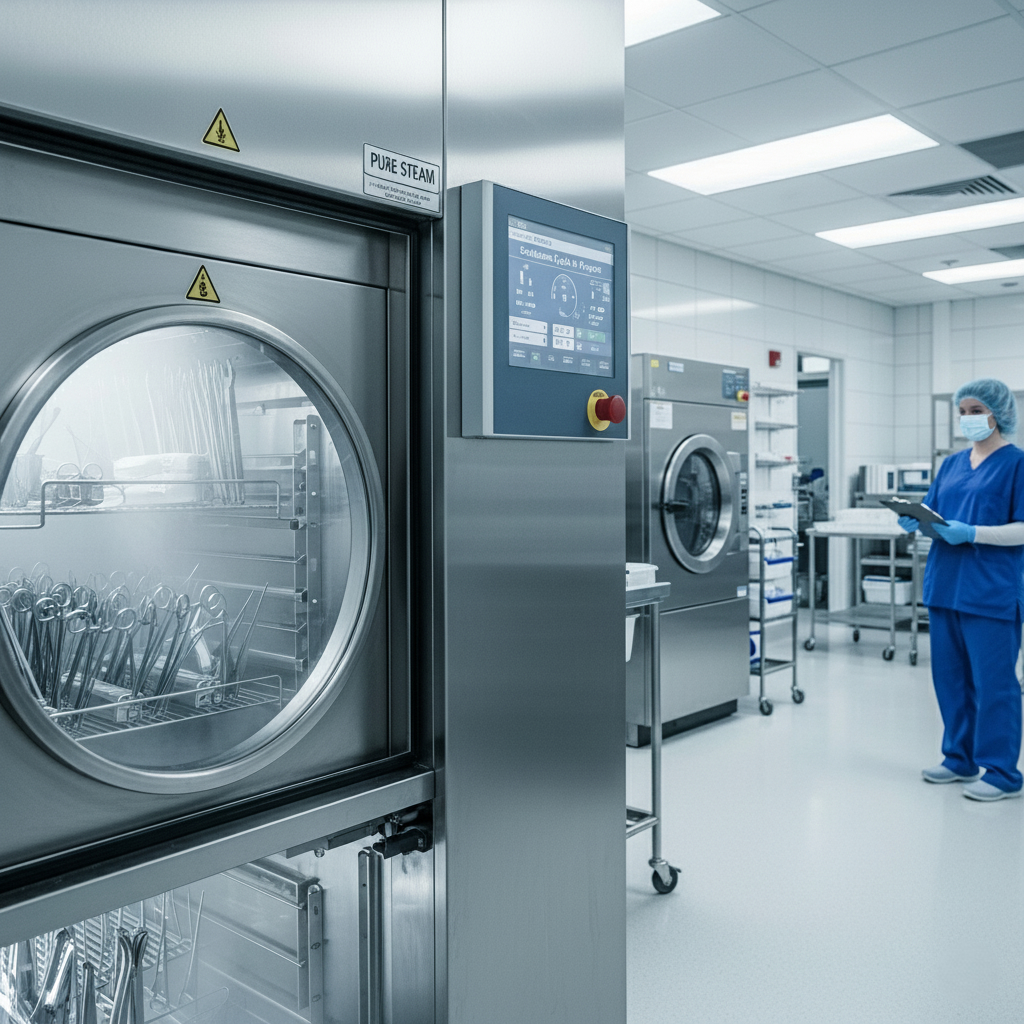
Pharmaceutical plant equipment forms the cornerstone of modern drug manufacturing, driving critical processes such as formulation, mixing, sterilization, packaging, and quality control. The complexity of pharmaceutical production mandates specialized machinery designed to comply with stringent regulatory and quality standards, ensuring patient safety and product efficacy.
The term pharmaceutical plant equipment encompasses a broad spectrum of devices, from stainless steel reactors to advanced clean-in-place (CIP) systems, process skids, and filtration technologies. These systems are meticulously engineered to maintain sterile environments, optimize throughput, and guarantee reproducibility at scale.
This article presents an authoritative and deeply technical exploration of pharmaceutical plant equipment focusing on the engineering design principles, applicable compliance standards, selection methodology, reliability factors, and integration of water treatment solutions. Insights into SKE & Eagle’s core manufacturing capabilities will demonstrate how industry-leading engineering and quality standards advance pharmaceutical equipment functionality.
Through this comprehensive guide, engineers, project managers, and procurement specialists will gain a detailed understanding of the critical factors that influence equipment performance and lifecycle in pharma manufacturing plants.
Design and Engineering Standards in Pharmaceutical Plant Equipment
Design and engineering standards form the foundational blueprint for developing pharmaceutical plant equipment. These standards reflect regulatory mandates, quality system requirements, and best engineering practices to ensure equipment safety, compliance, and operational efficiency.
Key standards governing pharmaceutical equipment design include:
- cGMP (current Good Manufacturing Practices): Enforced by regulatory agencies such as the FDA and EMA to govern design, fabrication, and validation processes ensuring product quality and safety.
- ASME BPE (Bioprocessing Equipment): Provides detailed criteria for materials, surface finishes, welding, and fabrication tailored specifically for hygienic bioprocessing applications.
- ISO 14644-series: Specifies cleanroom and associated controlled environment standards essential to managing contamination risks.
Pharmaceutical equipment design emphasizes hygienic construction with stainless steel 316L as the material of choice due to its corrosion resistance and cleanability. Welding techniques follow ASME BPE guidelines to minimize crevices and potential contamination points.
Modern pharmaceutical equipment integrates advanced engineering principles such as:
- Modular construction: allowing flexibility and scalability for evolving manufacturing processes.
- Automation readiness: designing for integration with process control systems to enhance precision and reduce human error.
- Clean-in-place (CIP) and Steam-in-place (SIP) capability: thereby ensuring rapid and thorough sanitation without dismantling equipment.
Engineering teams at manufacturers like SKE & Eagle apply these standards rigorously to deliver custom-built equipment solutions that meet client-specific regulatory and production needs.
Furthermore, digital modeling and Finite Element Analysis (FEA) simulations play a pivotal role in stress analysis and fatigue life assessment, ensuring mechanical robustness under cyclic operational loads inherent in pharmaceutical plants.
Selection Criteria for Pharmaceutical Processing Equipment
Choosing the correct pharmaceutical plant equipment requires a nuanced understanding of process requirements, material compatibility, scalability, and compliance considerations. This section elaborates the primary criteria engineering and procurement teams must evaluate.
1. Process Compatibility and Material Considerations
The equipment selected must be compatible with the chemical and physical nature of the pharmaceutical products processed. This includes:
- Resistance to corrosive or abrasive materials
- Compatibility with solvents, APIs (active pharmaceutical ingredients), and excipients
- Material surface finishes that prevent product adherence and permit easy cleaning
For instance, vessels and piping fabricated from 316L stainless steel with electropolished surfaces support hygienic operation and minimize microbial contamination risk.
2. Production Capacity and Scalability
Equipment should be sized to meet current throughput targets while allowing flexibility for future capacity expansions. Modular system architectures are increasingly preferred to enable phased scaling.
3. Regulatory Compliance and Validation Readiness
All selected equipment must facilitate process validation, calibration, and qualification procedures per cGMP expectations. Features that support automated data logging and system diagnostics enhance validation confidence.
4. Integration with Automation and Control Systems
Modern pharmaceutical plants employ advanced automation for process control and traceability. Equipment should support communication protocols such as OPC-UA or PROFIBUS to integrate seamlessly into plant DCS/SCADA systems.
5. Maintenance and Lifecycle Costs
Reliable systems with low maintenance requirements reduce operational downtime and costs. Equipment from manufacturers known for robust designs and strong after-sales support, such as SKE & Eagle, often represent preferred choices.
Other considerations include energy efficiency, footprint optimization, and ergonomic access for operators.
By thoroughly analyzing these criteria, pharmaceutical companies mitigate risks during equipment commissioning, optimize operational efficiency, and ensure long-term regulatory adherence.
System Reliability and Quality Management
Reliability in pharmaceutical plant equipment is paramount, as unplanned outages or process deviations directly impact product quality, regulatory compliance, and commercial delivery timelines. A comprehensive quality management approach underpins system reliability.
Core aspects of ensuring reliability include:
- Robust design redundancy: Incorporating fail-safe mechanisms and redundant critical components to prevent single points of failure.
- Preventive maintenance programs: Scheduled inspection and upkeep prevent unscheduled downtimes.
- Continuous monitoring: Integration of sensor networks and predictive analytics for early fault detection.
- Stringent supplier quality management: Partnering with proven equipment manufacturers ensuring component traceability and process consistency.
For example, SKE & Eagle employs industry-leading engineering standards and quality systems, ensuring all manufactured equipment undergoes rigorous testing including hydrostatic testing, non-destructive weld examination, and surface finish validation.
Equally important is rigorous validation onsite during installation and commissioning. Validation protocols like IQ/OQ/PQ (Installation, Operational, Performance Qualification) are followed to systematically verify equipment conformity.
Quality management also extends to documentation practices, where master documents and electronic batch records guarantee traceability and compliance with FDA 21 CFR Part 11.
In pharmaceutical manufacturing, a holistic approach to reliability reduces risk, protects investment, and contributes directly to high product yield and patient safety.
Role of Water Treatment Equipment in Pharmaceutical Plants
Water quality is critical in pharmaceutical manufacturing; purified water (PW), water for injection (WFI), and clean steam are essential utilities. Water treatment equipment and systems ensure the highest purity levels and continuous supply to facilitate safe production.
The role of water treatment in pharmaceutical plants includes:
- Removal of particulates, dissolved solids, microorganisms, endotoxins, and pyrogens
- Provision of compliant water qualities tailored for specific pharma processes like formulation and cleaning
- Supporting validation and regulatory compliance through system design and monitoring
Typical stages in pharmaceutical water treatment include:
- Pre-treatment: Multimedia filtration, activated carbon, and softening.
- Primary purification: Reverse osmosis, nanofiltration.
- Final purification: Ultrafiltration or distillation for WFI.
- Storage and distribution: Sanitary design tanks and piping with continuous sanitization capability.
SKE & Eagle’s water treatment solutions incorporate these critical technologies with a focus on system reliability, automated control, and compliance to USP and EP standards. Their integrated systems ensure clean water purity consistent with evolving pharmacopeia requirements.
System design also addresses potential microbial control challenges via looped distribution, thermal or chemical sanitization, and real-time water quality monitoring.
Understanding the criticality of high purity water, pharmaceutical manufacturers often prefer working with experienced engineering partners like SKE & Eagle, who deliver turnkey water treatment equipment fully customizable to client specifications and local regulatory demands.
SKE & Eagle’s Contributions and Technological Strengths
SKE & Eagle has built a reputation as a leading manufacturer of sophisticated industrial and pharmaceutical plant equipment leveraging advanced engineering, precision manufacturing, and integrated system solutions.
Their strengths lie in:
- Engineering Expertise: Multi-disciplinary teams expertly blend process engineering, mechanical design, and automation to deliver optimized solutions.
- Manufacturing Excellence: State-of-the-art fabrication facilities enable precise execution of stainless steel systems with strict adherence to hygienic design norms.
- Water Treatment Solutions: Comprehensive capabilities covering purification, storage, and distribution systems engineered in compliance with pharmaceutical standards.
- Custom Solutions: Flexible system design accommodating varying capacities, utilities, and integration complexities.
- Global Quality Standards: Products aligned with cGMP, ASME BPE, and ISO guidelines ensuring international market acceptance.
Collaborating with SKE & Eagle enables pharmaceutical firms to benefit from turnkey equipment packages, backed by thorough validation documentation and attentive after-sales support. Their commitment to system reliability and process integrity underscores their engineering philosophy.
For a deeper dive into their capabilities, visit their capabilities overview.
Common Myths and Challenges in Pharmaceutical Equipment Operation
Misinformation and operational challenges around pharmaceutical plant equipment can pose risks for manufacturing efficiency and product quality. It is essential to debunk myths and highlight common obstacles faced by pharma manufacturers.
Myth 1: All Stainless Steel Equipment is the Same
While stainless steel is the preferred material, the source, alloy composition, surface treatment, and welding quality differ significantly. High-purity grades such as 316L with electropolished finishes are mandatory to meet pharmaceutical hygiene requirements. Inferior materials may compromise sterility.
Myth 2: Validation is a One-Time Activity
Validation is an ongoing process. Equipment must undergo periodic requalification, preventative maintenance, and monitoring to ensure continued compliance and performance.
Myth 3: Automation Removes the Need for Skilled Operators
Automation enhances consistency but does not replace the requirement for skilled personnel who understand process nuances and can intervene in exceptions or emergencies.
Challenges Include:
- Managing contamination risks in complex multi-product facilities
- Balancing equipment uptime with stringent cleaning and sanitization schedules
- Ensuring data integrity and system cybersecurity within automated environments
Addressing these challenges with a combination of technology from trusted manufacturers like SKE & Eagle and robust operational protocols ensures pharmaceutical plants achieve high reliability and quality outcomes.
Frequently Asked Questions about Pharmaceutical Plant Equipment
What are the essential considerations when selecting pharmaceutical plant equipment?
Selection should focus on process compatibility, regulatory compliance, scalability, automation integration, and maintenance requirements to ensure equipment meets both manufacturing and quality demands.
How does water treatment equipment impact pharmaceutical manufacturing?
Pharmaceutical water treatment equipment produces ultra-pure water essential for formulation, cleaning, and sterilization. Properly designed systems ensure water quality meets stringent pharmacopeial standards to safeguard product integrity.
Why is system reliability critical in pharmaceutical plant equipment?
Reliable equipment prevents production downtime, ensures consistent product quality, and helps maintain strict compliance with regulatory frameworks, ultimately protecting patient safety and company reputation.
How does SKE & Eagle support pharmaceutical equipment manufacturing?
SKE & Eagle provides engineering expertise and precision manufacturing for pharma-grade equipment, including custom stainless steel systems and advanced water treatment solutions, all built to rigorous quality and regulatory standards.
Connect with SKE & Eagle for Pharmaceutical Plant Equipment Expertise
For expert guidance on selecting and integrating pharmaceutical plant equipment that meets your manufacturing and regulatory needs, we invite you to reach out to the professionals at SKE & Eagle.
Join our community and stay informed on the latest advancements by following us on Facebook, or contact us directly via email at info@ske-eagle.com.
Visit our website and fill out the contact form at the bottom of the page to discuss your project requirements and explore tailored equipment solutions.