

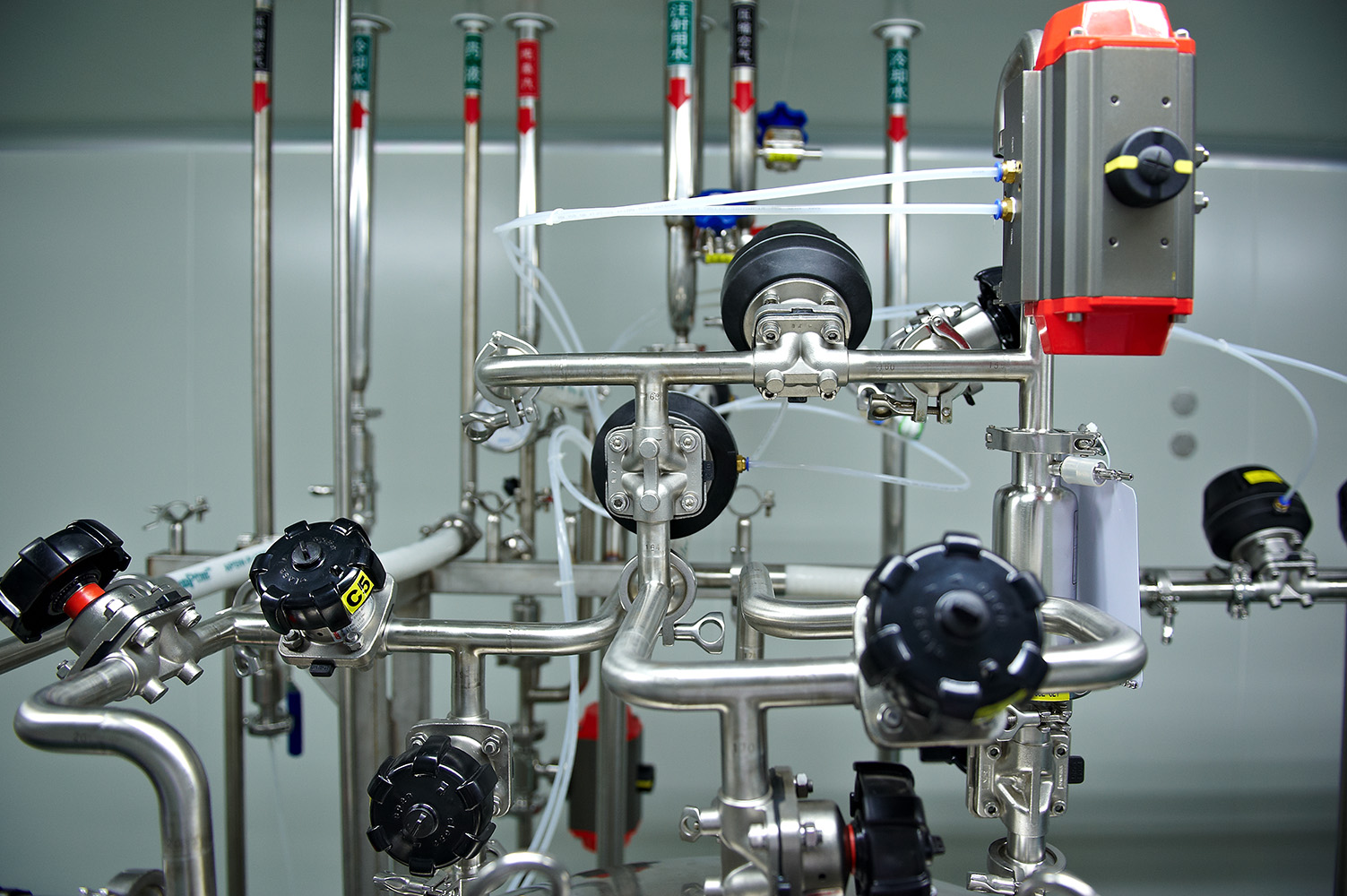
Overview and Importance of Pharmaceutical Piping Systems
Pharmaceutical piping systems are the critical infrastructure at the core of biopharmaceutical and pharmaceutical manufacturing facilities. They provide a closed and controlled conduit for transporting fluids such as purified water, steam, cleaning agents, chemicals, and APIs (Active Pharmaceutical Ingredients) throughout manufacturing processes. The design and engineering of a pharmaceutical piping system are pivotal for ensuring product purity, preventing cross-contamination, and maintaining regulatory compliance.
At SKE & Eagle, our extensive experience in high-standard industrial manufacturing emphasizes the significance of these piping systems, aligning well with our core capabilities in water treatment solutions and sanitary engineering systems. We understand the unique needs that pharmaceutical environments demand — ultra-clean processing coupled with sustainable and safe operational integrity.
Pharmaceutical piping differs substantially from standard piping in its rigorous hygiene requirements, material challenges, and architectural complexity due to the integration of automated instrumentation and process control. This article explores the comprehensive facets of pharmaceutical piping systems, grounded in advanced engineering practice and industry expertise.
Design Principles and Engineering Standards
The key engineering principles applied include:
- Sanitary Design: Minimizing areas where fluids can stagnate, allowing smooth laminar flow and minimizing microbial harboring.
- Cleanability: Ease of cleaning and sterilization must be prioritized; this involves design techniques like dead-leg minimization and smooth orbital welding.
- Material Compatibility: Ensuring chemical inertness and resistance to corrosion especially when contacting APIs or cleaning agents.
- Pressure & Thermal Management: Safe operating pressures and temperatures need careful calculation and validation to prevent leaks or failures.
The design also integrates instrumentation for pressure, flow, temperature, and conductivity monitoring essential for process validation and real-time system control. At SKE & Eagle, our engineering teams implement rigorous simulation and testing protocols to optimize piping layouts, leveraging proprietary expertise aligned with ISO and GMP (Good Manufacturing Practice) principles.

Material Selection and Corrosion Resistance
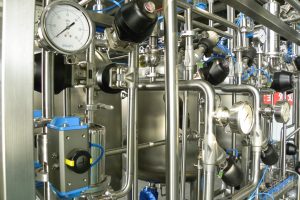
Material choice in pharmaceutical piping systems is crucial to product safety and system longevity. The predominant material used is stainless steel — specifically 316L grade — favored for its excellent corrosion resistance, mechanical strength, and smooth surface finish achievable through electropolishing. SKE & Eagle incorporates state-of-the-art manufacturing processes to precision-fabricate such stainless-steel components adhering to exacting tolerances.
Secondary materials sometimes include high-purity polymers or fluoropolymers like PTFE or PFA for specialized tubing where flexibility or chemical resistance is critical. However, stainless steel remains the industry gold standard due to its robustness and proven hygienic properties.
Key considerations during material selection also include resistance to various cleaning agents such as peracetic acid, hydrogen peroxide, and caustics commonly used in CIP processes. Engineers must also account for potential contamination from welding residues or surface imperfections; thus, advanced surface treatments and passivation are mandatory to ensure inert surfaces.
Our products leverage tight chromium oxide layers to maintain surface integrity, while manufacturing aligns with SKE & Eagle’s filtration solutions to safeguard system purity.
Sanitary Technology & Clean-in-Place (CIP) Systems
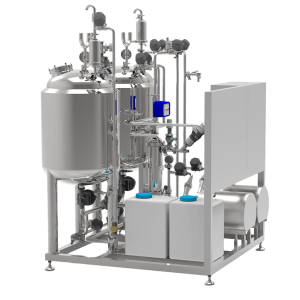
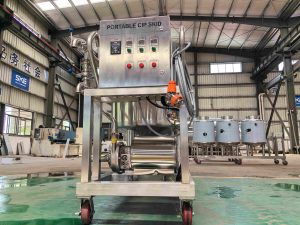
Sanitary technology in pharmaceutical piping applies best practices and advanced design to ensure sterilization and hygiene between production batches. Clean-in-Place (CIP) systems are engineered to clean pipelines automatically without disassembly, employing carefully calibrated spray balls, recirculation pumps, and controlled cleaning agent concentrations.
The complexity involved in CIP implementation demands precision in sanitary valve selection, flow path design, and easy drainability. SKE & Eagle integrates modular hygienic components that facilitate effective CIP systems, fostering reduced downtime and simplified validation procedures.
Moreover, Clean-Out-of-Place (COP) can be combined with CIP technology for certain components requiring periodic manual sanitation. Effective CIP operations guarantee 100% surface coverage of cleaning agents under appropriate temperature and contact time parameters — key to preventing biofilm formation.
In line with SKE & Eagle chemical dosing control, automated cleaning leads to higher process efficiency, traceability, and safety.
Common Misconceptions and Troubleshooting
Despite the mature technology, pharmaceutical piping systems are subject to misunderstandings that can compromise operational effectiveness:
- Myth: All stainless steel piping is equally hygienic. In reality, surface finish, welding quality, and system design significantly impact hygiene. Poor orbital welds or surface roughness can harbor microbes.
- Myth: Larger pipe diameters always improve flow and hygiene. Oversizing pipes can cause low flow velocity, leading to stagnant zones—dead legs—that harbor contamination.
- Misconception: CIP cycles can be shortened arbitrarily. Insufficient cleaning contact time or temperature risks inadequate bioburden removal.
Troubleshooting common problems like pressure drops, non-uniform flow distribution, or microbial contamination requires systematic investigation incorporating flow modeling, microbiological analysis, and adherence to engineering controls.
SKE & Eagle supports pharmaceutical clients by applying advanced diagnostic tools and industry knowledge to optimize system design and maintenance strategies that mitigate these issues.
Ensuring System Reliability and Maintenance
A pharmaceutical piping system’s value depends on its consistent operational reliability across production cycles. Achieving this requires regular preventive maintenance, real-time condition monitoring, and rapid intervention protocols.
Key factors include:
- Periodic inspection: Ultrasonic testing of welds, surface integrity assessments, and pressure leak testing.
- Instrumentation calibration: Ensuring validation of sensors that monitor flow rates, temperature, and pressure within tolerance.
- Valve and gasket replacement: Scheduled because their wear can lead to leaks or contamination.
- Documentation and data management: Maintaining detailed logs for traceability and compliance.
SKE & Eagle’s in-house engineering standards emphasize reliability through design-for-maintainability, employing modular piping sections and utilizing standardized components that simplify repair and reduce downtime.
Such a forward-looking approach not only ensures compliance but supports efficient production output in highly regulated pharmaceutical environments.
Frequently Asked Questions about Pharmaceutical Piping Systems
What materials are recommended for pharmaceutical piping systems?
Stainless steel 316L is the industry standard due to its durability, corrosion resistance, and hygienic surface finish. High-purity polymers can be used for specialized applications.
How does the design of a pharmaceutical piping system prevent contamination?
By minimizing dead legs, applying smooth surface finishes, using sanitary fittings, and enabling effective clean-in-place (CIP) systems, contamination risks are greatly reduced.
Why is compliance with ASME BPE important for pharmaceutical piping?
ASME BPE provides criteria specific to bioprocessing equipment ensuring systems meet hygienic standards suitable for pharmaceutical manufacturing and regulatory approval.
How can system reliability be maximized for pharmaceutical piping?
Through preventive maintenance, regular inspection, condition monitoring, validated cleaning cycles, and use of high-quality engineering components consistent with industry best practices.
What role does SKE & Eagle play in pharmaceutical piping systems?
SKE & Eagle leverages advanced industrial engineering, quality manufacturing, and water treatment expertise to provide components and systems designed to meet pharmaceutical piping specifications and operational requirements.