

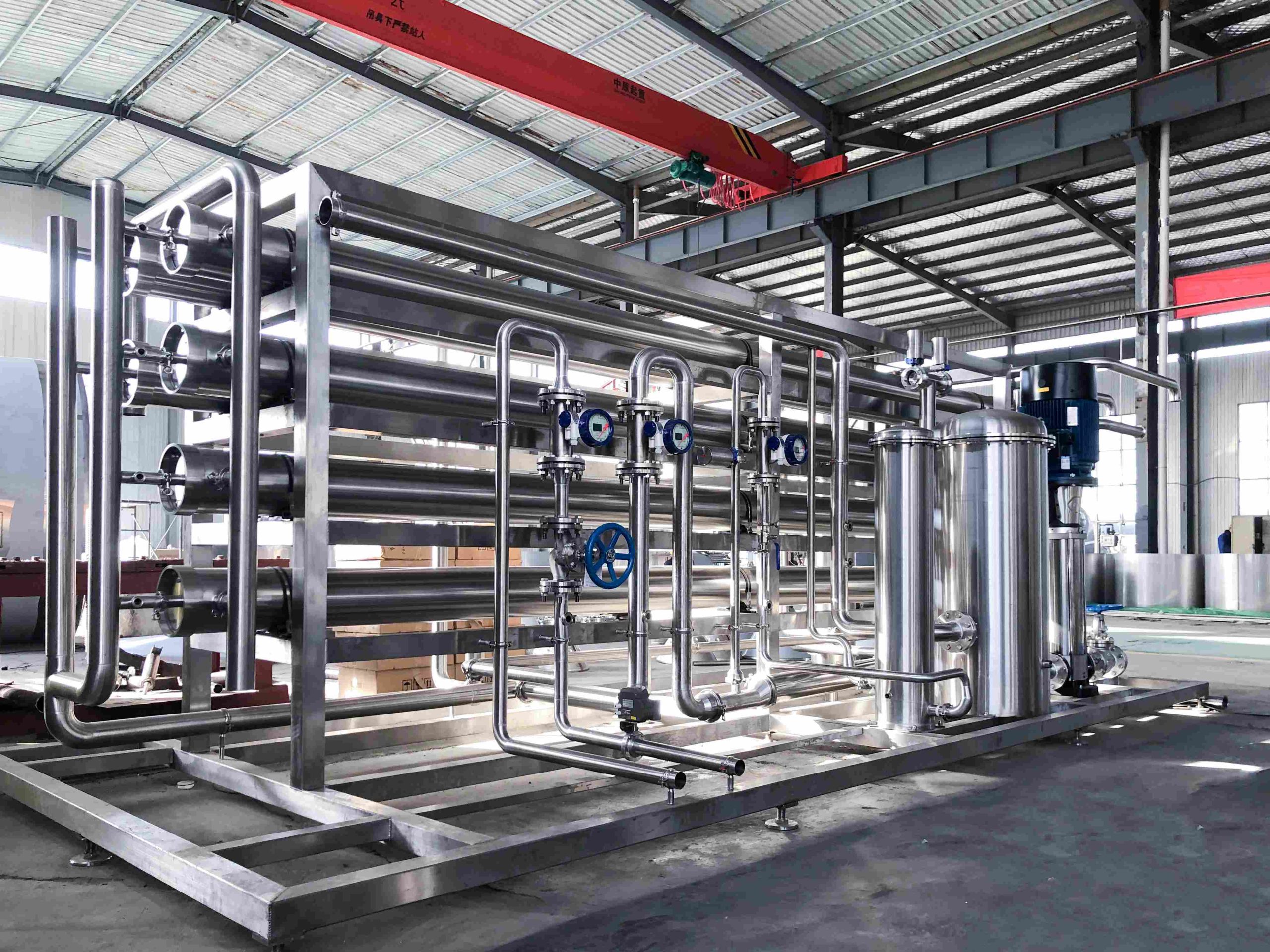
The Importance of Pharmaceutical Equipment Maintenance
Pharmaceutical equipment maintenance is a critical pillar underpinning the operational integrity and regulatory compliance of pharmaceutical manufacturing facilities. Given the highly sensitive nature of drug production, any disruption or failure of equipment can result in significant safety risks, production downtime, and non-compliance penalties.
Maintenance in this context is not simply about repairing machinery but involves systematic, ongoing processes ensuring that pharmaceutical equipment operates at peak performance levels. This encompasses preventive, predictive, and corrective maintenance approaches designed to reduce unplanned outages and extend equipment life cycles.
The financial implications of poor pharmaceutical equipment maintenance include costly recalls, wasted raw materials, and potential harm to patient health. Therefore, embedding a robust maintenance culture aligned with industry-specific engineering standards—as advocated by leading firms such as SKE & Eagle—supports both operational excellence and brand trustworthiness.
Furthermore, pharmaceutical manufacturing equipment often functions under strict environmental controls and precision conditions. Maintaining calibration accuracy and cleanliness standards is paramount to uphold Good Manufacturing Practices (GMP). This means maintenance must take into account stringent hygiene protocols, traceability of maintenance activities, and document control to satisfy regulatory audits.
In conclusion, pharmaceutical equipment maintenance is indispensable for ensuring product safety, manufacturing efficiency, and compliance adherence. It demands a holistic engineering perspective blending technical acumen with regulatory knowledge and operational foresight.
Effective Maintenance Strategies in Pharma Industry
Designing effective pharmaceutical equipment maintenance strategies requires a nuanced understanding of equipment function, operational schedules, and risk assessments. Two predominant maintenance strategies dominate the pharmaceutical sector: preventive maintenance (PM) and predictive maintenance (PdM).
Preventive Maintenance (PM) involves scheduled inspections and servicing activities at predetermined intervals based on manufacturer recommendations or historical performance data. This approach is critical to preempt undesirable failure modes in pumps, valves, sterilizers, and other core components commonly used in pharmaceutical production lines. SKE & Eagle’s manufacturing process engineering employs strict PM protocols designed to minimize process interruptions and maintain system reliability.
Predictive Maintenance (PdM), fueled by condition-monitoring technologies such as vibration analysis, infrared thermography, and ultrasonic testing, allows for real-time assessment of equipment health. PdM enables maintenance teams to prioritize interventions based on quantitative condition data, optimizing maintenance resources while reducing risk. Such strategies align well with Industry 4.0 paradigms increasingly adopted in pharmaceutical manufacturing.
Integrating Computerized Maintenance Management Systems (CMMS) also supports strategy efficacy by facilitating comprehensive asset registers, maintenance scheduling, and documentation workflows for audits. SKE & Eagle maintains advanced in-house CMMS platforms to maximize process visibility and maintenance traceability.
Tailoring maintenance strategies to different equipment classes—such as clean-in-place (CIP) systems, mixers, or lyophilizers—maximizes asset uptime while ensuring compliance. An adaptive, data-driven methodology that incorporates lifecycle cost analysis and failure mode effects analysis (FMEA) underpins high-reliability pharmaceutical operations.
Compliance Standards and Regulatory Requirements
Pharmaceutical equipment maintenance must conform to multiple compliance frameworks including GMP, FDA 21 CFR Part 11, and international pharmacopoeial standards. Adhering to these regulations mandates rigorous qualification procedures (IQ/OQ/PQ) and routine validation of equipment post-maintenance.
A critical aspect is maintaining complete documentation that provides traceability for maintenance tasks, calibration results, and deviation reports. Regulatory agencies emphasize the “state of control” during manufacturing; thus, any maintenance activity disrupting process capability or equipment integrity must be carefully evaluated and documented.
SKE & Eagle’s engineering teams specialize in designing equipment that supports regulatory compliance through modular construction, hygienic design, and built-in validation capabilities. Their water purification and treatment systems, integral in pharmaceutical processes, incorporate advanced monitoring to satisfy USP purified water standards.
Equipment preventive maintenance schedules are often derived from a combination of risk assessments and validation protocols. For instance, critical process components like steam generators or autoclaves require frequent verification to prevent contamination risks, ensuring compliance with FDA and EMA guidelines.
Additionally, maintenance personnel require continuous training on cGMP requirements and SOP adherence. This ensures maintenance activities uphold product quality and comply with internal and external audits, a philosophy deeply embedded in SKE & Eagle’s workforce development.
Key Components and Their Maintenance Needs
Pharmaceutical manufacturing relies on a complex array of equipment, each with unique maintenance requirements critical to maintaining process integrity. Understanding these components’ functions and vulnerabilities allows focused maintenance planning.
Process Pumps: Integral for fluid transfer, pumps require regular inspection of seals, bearings, and impellers to prevent leakage and capacity loss. SKE & Eagle’s expertise in pump manufacturing ensures advanced design standards that reduce wear and facilitate easier maintenance access.
Valves and Actuators: These components regulate flow, pressure, and safety parameters. Maintenance focuses on actuator calibration, leakage tests, and lubrication to avoid operational failures that could interrupt sterile conditions.
Heat Exchangers and Boilers: Essential for temperature control, they necessitate descaling, pressure testing, and instrumentation calibration to maintain precise thermal conditions for reaction and sterilization stages.
Water Treatment Units: Pharmaceutical-grade water systems, such as reverse osmosis and ultrafiltration units, demand stringent membrane cleaning and replacement schedules. This sustains water purity standards central to product quality, a domain where SKE & Eagle’s water purification technologies excel.
Clean-in-Place (CIP) Systems: Automated cleaning systems require regular validation of spray nozzles, piping, and control parameters to guarantee sanitary conditions while minimizing downtime.
Understanding the wear profiles and operational stresses on these components allows engineers to implement targeted maintenance, minimizing risk while enhancing overall equipment lifecycle management.

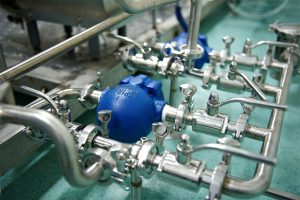
Common Challenges and Solutions in Maintenance
Pharmaceutical equipment maintenance faces multiple challenges such as unplanned downtime, complex validation requirements, and balancing production pressures with rigorous quality demands.
A frequent obstacle is equipment obsolescence, wherein outdated machinery lacks spare parts or fails to align with evolving process standards. Proactive asset lifecycle management embedded within SKE & Eagle’s design philosophy helps mitigate these risks by recommending forward-compatible technologies with modular upgrade paths.
Another challenge arises from cleanroom and sterile production constraints, which limit maintenance access and procedures to preserve aseptic environments. Employing validated clean-in-place systems and remote condition monitoring devices reduces the need for intrusive interventions.
Documentation rigor also represents a considerable hurdle. Maintenance activities must be logged with impeccable detail to pass audits, necessitating digitized record-keeping systems and clear SOPs.
Staff expertise gaps may compromise maintenance efficacy. To address this, SKE & Eagle invests in training programs emphasizing engineering fundamentals, regulatory requirements, and technical troubleshooting skills specific to pharmaceutical equipment.
Solutions synthesizing predictive analytics with preventive routines, combined with a robust change management process, yield resilient maintenance frameworks that optimize asset availability and compliance steadiness.
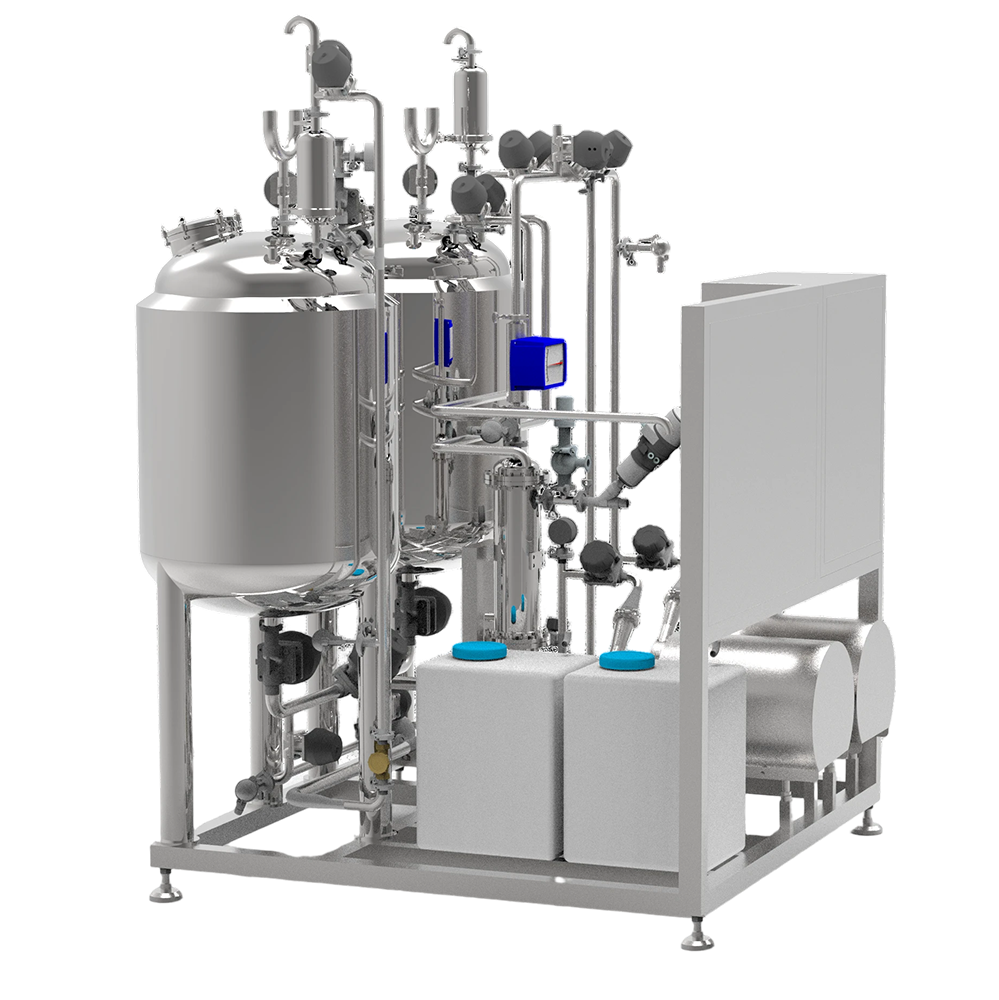
Role of Water Treatment Systems in Equipment Longevity
Water purity is foundational to pharmaceutical manufacturing quality, impacting both process output and equipment integrity. Pharmaceutical equipment maintenance intimately ties into the performance and upkeep of water treatment systems.
SKE & Eagle’s comprehensive portfolio of water treatment equipment, including reverse osmosis and ultrafiltration membranes, exemplifies engineering designed to reduce fouling, corrosion, and scale formation on downstream equipment.
Preventive maintenance of water treatment systems—which includes membrane cleaning, filter replacement, and system sanitization—is essential to preserve water quality that complies with pharmacopeial standards such as USP and EP. Poor maintenance can lead to microbiological contamination, clogged piping, and increased wear on pumps and valves.
Routine monitoring of conductivity, TOC (Total Organic Carbon), and microbial counts ensures early detection of water system deterioration. Advanced automated control systems integrated by SKE & Eagle facilitate continuous water quality assurance with minimal manual intervention.
By prioritizing water system maintenance within the overall pharmaceutical equipment maintenance plan, manufacturers can prevent costly downtime and maintain hygienic process conditions essential for drug safety and efficacy.
FAQ on Pharmaceutical Equipment Maintenance
What is the primary goal of pharmaceutical equipment maintenance?
The primary goal is to ensure reliable, safe, and compliant operation of pharmaceutical equipment to maintain product quality and avoid production downtime.
How often should pharmaceutical equipment be maintained?
Maintenance frequency depends on equipment type, usage intensity, and regulatory guidelines but typically includes scheduled preventive maintenance at manufacturer-recommended intervals supported by condition-based checks.
What role does water treatment play in pharmaceutical equipment maintenance?
Water treatment systems ensure the purity of process water, preventing corrosion and contamination, thus reducing wear on equipment and maintaining compliance with pharmacopeial standards.
How does SKE & Eagle support pharmaceutical equipment maintenance?
SKE & Eagle offers engineered solutions and advanced water purification technologies designed to optimize equipment reliability and support regulatory adherence through quality manufacturing and system design expertise.
Contact SKE & Eagle for Further Assistance
For expert guidance on pharmaceutical equipment maintenance or to discuss optimizing your manufacturing processes through advanced engineering solutions, we invite you to connect with SKE & Eagle. Please fill out the contact form available at the bottom of our website to initiate a professional consultation.
Stay connected with us on Facebook or reach out directly via email at info@ske-eagle.com.
Together, we can ensure your pharmaceutical equipment maintenance strategies uphold the highest standards of reliability, compliance, and operational excellence.