

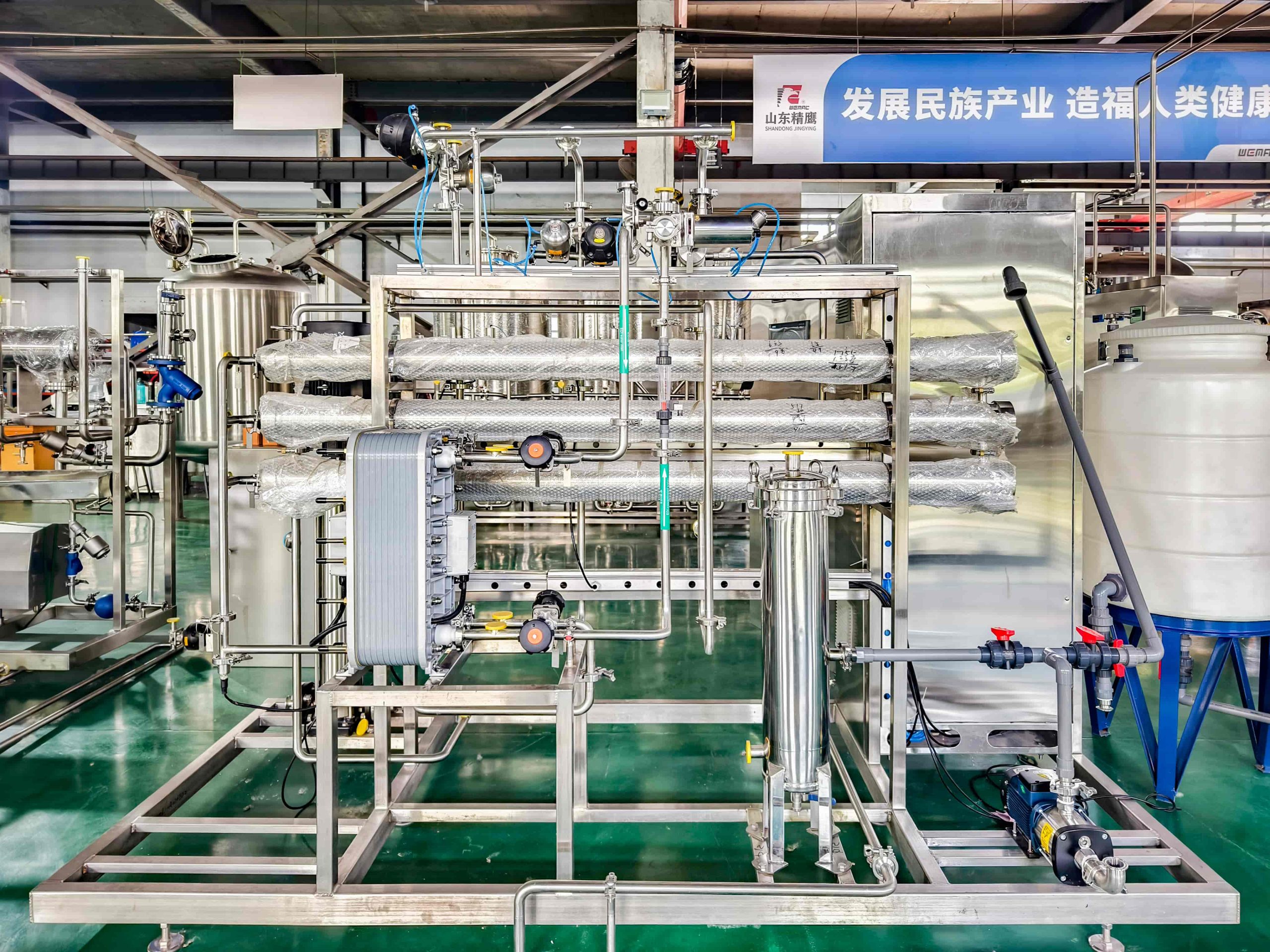
- Installation quality is the foundation every later qualification stage depends on: IQ verification only confirms installation matches spec, it can’t fix a spec that was wrong to begin with.
- Commissioning, the functional testing phase between installation and formal qualification, catches integration issues (utilities, controls, interfaces) that individual component testing misses.
- Retroactive documentation remains one of the most cited gaps in later qualification stages, and it traces back to installation records that weren’t captured in real time.
What Does Proper Pharmaceutical Equipment Installation Involve?
Installation covers physical placement, utility connections (power, water, steam, compressed air), and initial mechanical setup to the approved design specification. Every weld, pipe run, and instrument placement gets checked against documentation here, because Installation Qualification (IQ) later only confirms that what got installed matches what was specified, it can’t retroactively fix a design or installation error.
Getting this stage right the first time avoids the single most expensive mistake in equipment deployment: discovering an installation deviation during formal qualification, after the utilities are already connected and the schedule assumes qualification testing, not rework.
What Is Commissioning and How Does It Differ From Qualification?
Commissioning is functional testing to confirm equipment operates correctly, before the formal, documented qualification (IQ/OQ/PQ) process begins. It’s where engineering teams catch integration problems, control system communication, utility supply adequacy, interface compatibility between connected systems, that individual component specs don’t reveal on their own.
Water system commissioning specifically needs to verify supply capacity and quality match what downstream pharmaceutical processes require before that water system feeds into a validated production line. Treating commissioning as a formality rather than genuine functional testing is a common source of qualification delays later, since problems found during OQ cost far more time to fix than the same problems found during commissioning.
Why Does System Integration Testing Matter During Installation?
Pharmaceutical equipment rarely operates in isolation, water systems feed CIP/SIP skids, control systems talk to plant-wide monitoring, utilities have to supply multiple connected systems simultaneously without capacity conflicts. Testing components individually and assuming integration will work is a common and costly mistake; verifying actual data flow, utility capacity under simultaneous demand, and control system handoffs during commissioning catches issues that pass every individual component test but fail together.
What Documentation Does Installation Require?
Installation records need to be captured in real time, not reconstructed afterward. Retroactive documentation is consistently one of the most cited gaps in later formal qualification stages, and it almost always traces back to installation and commissioning records that weren’t logged as the work happened. Complete, contemporaneous documentation at installation makes every subsequent IQ/OQ/PQ stage faster and less contentious during audit.
Frequently Asked Questions
What is the difference between installation and commissioning?
Installation covers physical placement and utility connections to specification. Commissioning is the functional testing phase after installation that verifies equipment and connected systems actually work together correctly, before formal IQ/OQ/PQ qualification begins.
Why does system integration testing matter separately from component testing?
Individual components can each pass their own tests while still failing when connected, due to utility capacity conflicts, control system communication issues, or interface incompatibilities that only show up when systems operate together.
Why is real-time installation documentation important?
Retroactive documentation is one of the most commonly cited gaps in later qualification audits. Recording installation and commissioning activity as it happens, rather than reconstructing it afterward, makes subsequent IQ/OQ/PQ stages faster and reduces audit risk.
SKE & Eagle Installation and Commissioning Support
SKE & Eagle provides installation and commissioning support for water purification systems and CIP/SIP systems, with documentation practices built to support downstream IQ/OQ/PQ qualification. See our IQ/OQ/PQ validation guide for what happens after commissioning.