

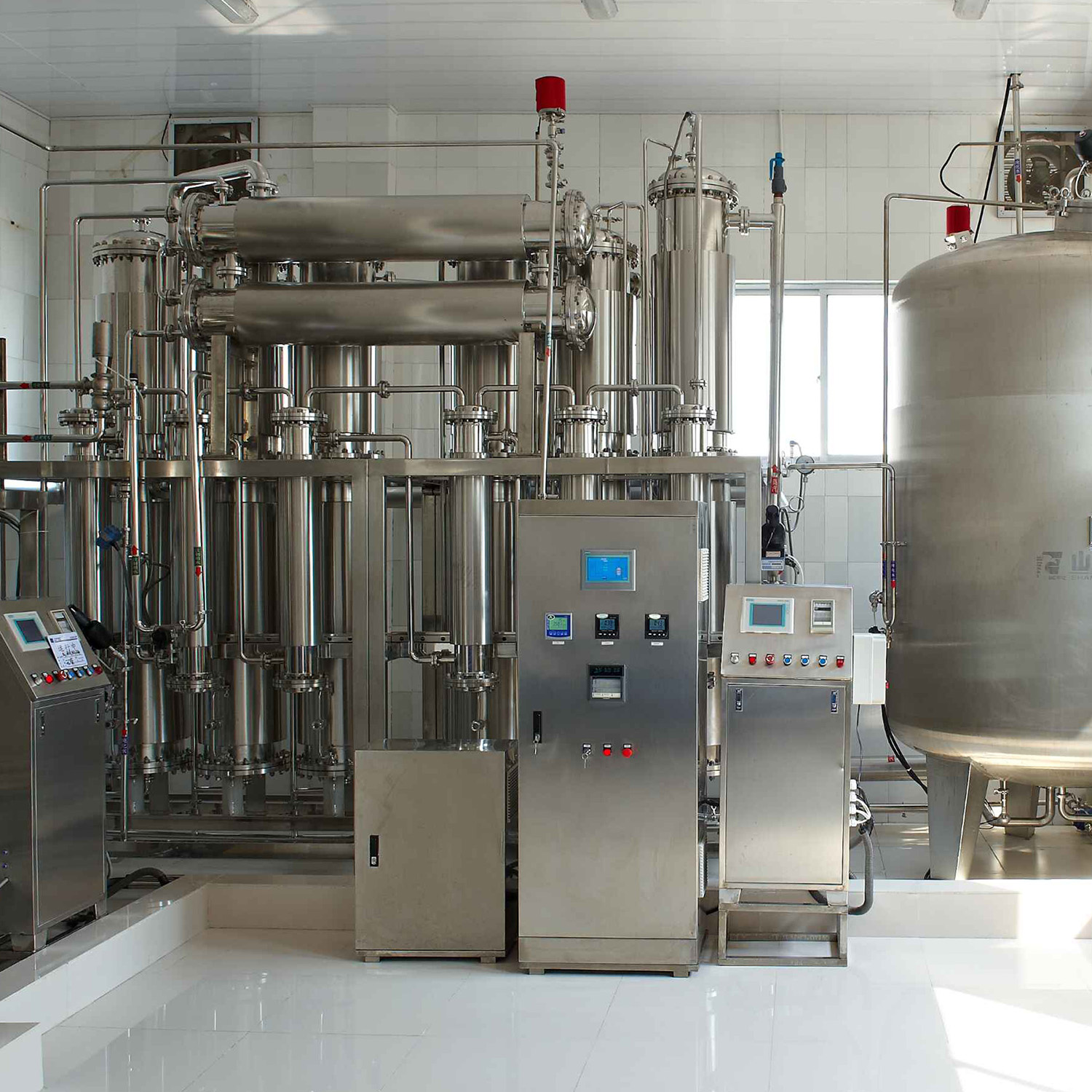
1. Overview of Pharmaceutical CIP Systems
The pharmaceutical industry is held to the highest standards of hygiene and process integrity. Central to maintaining these standards is the effective use of a Pharmaceutical CIP System—Clean-in-Place technology engineered to cleanse the interiors of processing equipment without disassembly. Pharmaceutical CIP systems have become essential in minimizing contamination risk, reducing downtime, and ensuring process efficiency.
These systems utilize sophisticated cycles of rinsing, detergent washing, and sanitizing, carefully controlled to meet stringent validation requirements. They are crucial for lines handling active pharmaceutical ingredients (API), sterile products, and biopharmaceutical formulations, where cross-contamination or microbial presence can invalidate entire batches.
Understanding the core components and operational framework of pharmaceutical CIP systems is pivotal for manufacturers aiming to uphold cGMP (Current Good Manufacturing Practice) compliance and product integrity. Typically, a pharmaceutical CIP system includes an array of sensors, pumps, valves, and control systems integrated into an automated setup, enabling repeatable and verifiable cleaning cycles.
SKE & Eagle’s expertise in custom water treatment solutions and engineering standards plays a significant role in optimizing the design and function of pharmaceutical CIP systems. Their advanced manufacturing capabilities ensure that CIP systems are not only compliant but also reliable, easy to maintain, and aligned with industry best practices.
2. Engineering Design Principles for Pharmaceutical CIP Systems
Designing a pharmaceutical CIP system requires meticulous attention to fluid dynamics, materials compatibility, and automation controls. The core objective is to deliver precise fluid flow, temperature control, and chemical concentrations to effectively cleanse product contact surfaces.
Fluid Dynamics and Hydraulic Design
An optimal cleaning process demands turbulent flow regimes within the piping and equipment to remove soil and biofilm effectively. Turbulence enhances shear forces on surfaces, improving cleanability. Engineers must calculate flow velocities tailored to equipment geometry, ensuring coverage without dead legs which harbor contaminants.
Materials and Surface Finish
Pharmaceutical CIP systems are fabricated using stainless steel grades such as 316L, favored for their corrosion resistance and compliance with hygienic standards. The internal surface finish typically requires a roughness average (Ra) below 0.8 microns to minimize bacterial adhesion and facilitate cleaning. Polishing techniques such as electropolishing may be employed for optimal surface smoothness.
Automation and Control Systems
Control architecture is fundamental in pharmaceutical CIP design. Systems integrate Programmable Logic Controllers (PLC) with Human Machine Interfaces (HMI) to program and monitor cleaning cycles, record cycle parameters, and report deviations. Real-time feedback through flow meters, conductivity sensors, and temperature probes ensures validation and process consistency.
Modularity and Scalability
CIP skid designs by manufacturers like SKE & Eagle emphasize modularity, allowing easy scale-up for larger production volumes or diverse pharmaceutical product lines. Modular designs also facilitate maintenance and system upgrades without disrupting manufacturing schedules.
Incorporating advanced water treatment technologies into system design enhances cleaning fluid quality, reducing residual contaminants and chemical consumption, thereby achieving sustainable operations.

3. Integration of Water Treatment Solutions in Pharmaceutical CIP
Water quality is a pivotal factor in pharmaceutical CIP systems. The cleaning efficiency and system longevity depend on water purity, particularly concerning microbial load, conductivity, and mineral content.
Key Water Quality Parameters
Pharmaceutical CIP systems typically use Purified Water (PW) or Water for Injection (WFI). These waters must meet Pharmacopeial standards such as USP or EP, involving strict limits on Total Organic Carbon (TOC), microbial counts, and endotoxin levels.
Water Treatment Technologies
Water treatment solutions integrated with CIP systems include reverse osmosis, ultrafiltration, ultraviolet sterilization, and deionization. These technologies ensure delivery of water that minimizes the risk of biofilm formation and reduces chemical usage in CIP cycles.
Advanced Control and Monitoring
SKE & Eagle’s engineering capability includes designing integrated water treatment and CIP packages, where water parameters are continuously monitored and controlled in real-time, ensuring consistent cleaning fluid quality that supports regulatory expectations.
Environmental Considerations
Optimizing water use and chemical dosing not only reduces operational costs but also aligns with sustainability goals in pharma manufacturing. Recovering and recycling rinse water through advanced filtration systems is becoming a best practice in industry-leading operations.
Learn more about these innovations in detail on the water treatment solutions page.
4. System Reliability and Quality Assurance
Ensuring pharmaceutical CIP systems are reliable means prioritizing quality throughout manufacturing, assembly, and validation phases. The robustness of the system directly impacts manufacturing uptime and product quality assurance.
Manufacturing Standards and Quality Controls
SKE & Eagle operate under strict ISO and industry-specific quality management standards. Components are sourced based on traceability and material certification, critical in pharmaceutical environments.
Redundancy and Fail-Safe Features
CIP systems are often designed with redundancy in pumps, heating elements, and control sensors to prevent downtime during critical cleaning cycles. Fail-safe logic embedded in PLC programs shuts down processes on detecting parameter deviations, preserving system and product integrity.
Maintenance and Predictive Diagnostics
Routine maintenance backed by predictive analytics maximizes system availability. Integration of IoT sensors for vibration, temperature, and flow enables early detection of wear and faults, allowing proactive servicing without production interruption.
Continuous Improvement via Data Analytics
Data harvested from CIP system operations help refine cleaning protocols, reducing cycle time and chemical consumption while maintaining efficacy. This scientific approach to optimizing cleaning reinforces quality assurance and operational excellence.
Explore SKE & Eagle’s commitment to engineering quality through their engineering and quality philosophy.
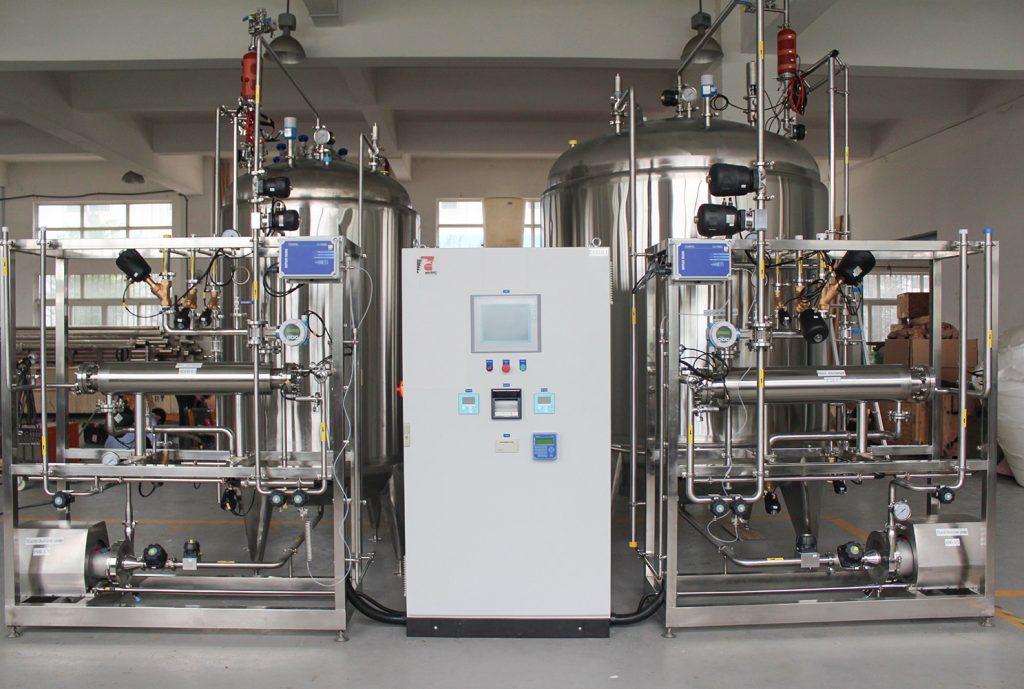
5. Operational Best Practices and Maintenance
The operation of a pharmaceutical CIP system requires trained personnel who understand both the cleaning protocols and the system controls. Best practices optimize cleaning efficacy, ensure regulatory compliance, and prolong equipment life.
Cycle Design and Optimization
Cleaning cycles should be tailored to the soil type, material of construction, and surface configuration of equipment. Pre-rinse, detergent wash, intermediate rinse, sanitization, and final rinse sequences are optimized through empirical testing and validation.
Operator Training
Operators are trained not only on system operation but also on recognizing system alerts and deviations. Skillful handling of cleaning chemicals and adherence to safety protocols is critical.
Scheduled Maintenance
CIP systems require periodic calibration of sensors, inspection of seals and valves, and replacement of consumables to sustain performance. Maintenance schedules must be documented and integrated into quality systems.
System Cleaning Validation and Revalidation
Routine efficacy tests ensure the CIP system consistently meets cleaning validation requirements. Changes in product or cleaning agents often require formal protocol updates and revalidation under cGMP.
Many pharmaceutical manufacturers partner with experts like SKE & Eagle to implement operable and maintainable CIP systems that meet rigorous operational demands.
6. Common Myths and Misconceptions about Pharmaceutical CIP Systems
Misinformation or assumptions about CIP can lead to suboptimal designs or operational errors. Addressing common myths helps manufacturers harness the full potential of CIP technology.
| Common Myths | Scientific Facts | Impact on Compliance / Efficiency | Correct Approach |
|---|---|---|---|
| Manual Cleaning is Always More Thorough than CIP | Well-designed CIP systems provide repeatable and validated cleaning. | Human error can lead to batch rejection. | Prioritize CIP with periodic manual review. |
| CIP Systems are One-Size-Fits-All | Parameters must be customized based on product/equipment. | Incomplete cleaning or waste of consumables. | Implement customized cycle design. |
| Higher Chemical Concentrations Always Mean Better Cleaning | Overuse leads to residue and equipment corrosion. | Product safety risks and increased maintenance costs. | Adopt precise chemical dosing combined with hydraulic optimization. |
| CIP Systems Eliminate the Need for Validation | Validation is the core of compliance. | Audit failure or system downtime. | Complete the full IQ/OQ/PQ validation process. |
7. Future Trends in Pharmaceutical CIP Systems
The pharmaceutical cleaning technology landscape is evolving rapidly, driven by advances in automation, data analytics, and sustainability imperatives.
Smart CIP Systems with AI and Machine Learning
Emerging systems leverage AI to adapt cleaning parameters in real-time based on process feedback, improving efficiency and reducing chemical and water consumption.
Enhanced Integration with MES and ERP
Deeper connectivity permits precise scheduling, traceability, and predictive maintenance, aligning CIP operations with broader manufacturing goals.
Sustainable Cleaning Technologies
Innovations such as enzymatic detergents, ultrasonic-assisted cleaning, and closed-loop water recycling are being incorporated to meet environmental goals without sacrificing cleaning efficacy.
Modular and Flexible Designs
Future pharmaceutical CIP systems will offer plug-and-play modules adaptable to multiple process lines, facilitating rapid changeovers and innovation adoption.
SKE & Eagle’s continuous innovation in water treatment and engineering reflects the trajectory of future pharmaceutical CIP systems, emphasizing sustainability and technological excellence.
Frequently Asked Questions about Pharmaceutical CIP System
What is the primary purpose of a pharmaceutical CIP system?
The primary purpose of a pharmaceutical CIP system is to clean the internal surfaces of processing equipment without disassembly, ensuring removal of product residues and microbial contamination to maintain hygiene and comply with regulatory standards.
How does water quality impact pharmaceutical CIP system performance?
Water quality critically affects the efficacy of cleaning cycles; low microbial count, correct conductivity, and absence of impurities prevent residues and biofilm formation. Integrating advanced water treatment ensures consistent high-quality water, essential for effective pharmaceutical CIP operation.
What are common regulatory considerations for pharmaceutical CIP systems?
Pharmaceutical CIP systems must comply with cGMP guidelines, FDA 21 CFR Part 11 for electronic records, and EMA Annex 1 for aseptic processing. Validation through IQ/OQ/PQ and documented cleaning protocols are mandatory to demonstrate cleaning effectiveness and system reliability.
How does SKE & Eagle support pharmaceutical CIP system design?
SKE & Eagle provide expert engineering, advanced manufacturing capabilities, and integrated water treatment solutions tailored to pharmaceutical CIP systems. Their systems emphasize reliability, compliance, and modular automation aligned with industry best practices and regulatory standards.
What are future trends shaping pharmaceutical CIP systems?
Future trends include AI-driven adaptive cleaning cycles, enhanced data integration with MES/ERP, sustainable cleaning technologies such as enzymatic detergents and water recycling, and increasingly modular, flexible system designs to support evolving pharmaceutical production requirements.
Contact SKE & Eagle for Expert Pharmaceutical CIP Solutions
For detailed consultation on pharmaceutical CIP systems, engineering design, and integrated water treatment solutions, connect with our expert team. We encourage you to fill out the contact form located at the bottom of our website to discuss your specific requirements.
Follow us on Facebook for the latest industry insights: SKE & Eagle Facebook
Or send your inquiries by email to: info@ske-eagle.com