

”
Overview of Industrial Water Treatment
Industrial water treatment encompasses a broad suite of processes and engineering strategies aimed at conditioning water for various industrial uses—whether it is feedwater for boilers, process water for manufacturing, cooling water for large systems, or wastewater treatment before discharge or reuse. Given the critical importance of water quality on equipment longevity, operational efficiency, and environmental compliance, the design of industrial water treatment systems requires a precise understanding of water chemistry, flow requirements, and process demands.
The main objective in industrial water treatment is to remove contaminants such as suspended solids, dissolved minerals, organic compounds, and pathogens. These contaminants vary according to the source water (surface, groundwater, municipal supply) and the industry’s specific water quality needs. Common contaminants in industrial contexts include hardness-causing calcium and magnesium ions, iron and manganese, silica, chlorides, and organic matter polluting wastewater streams.
Industrial water treatment solutions often fall into two categories: pretreatment to protect process equipment and enhance operational reliability, and post-treatment aimed at meeting environmental discharge standards or enabling water reuse. Pretreatment addresses scaling, corrosion, fouling, and microbial control, while post-treatment tends to be more focused on treatment technologies that reduce pollutant loads.
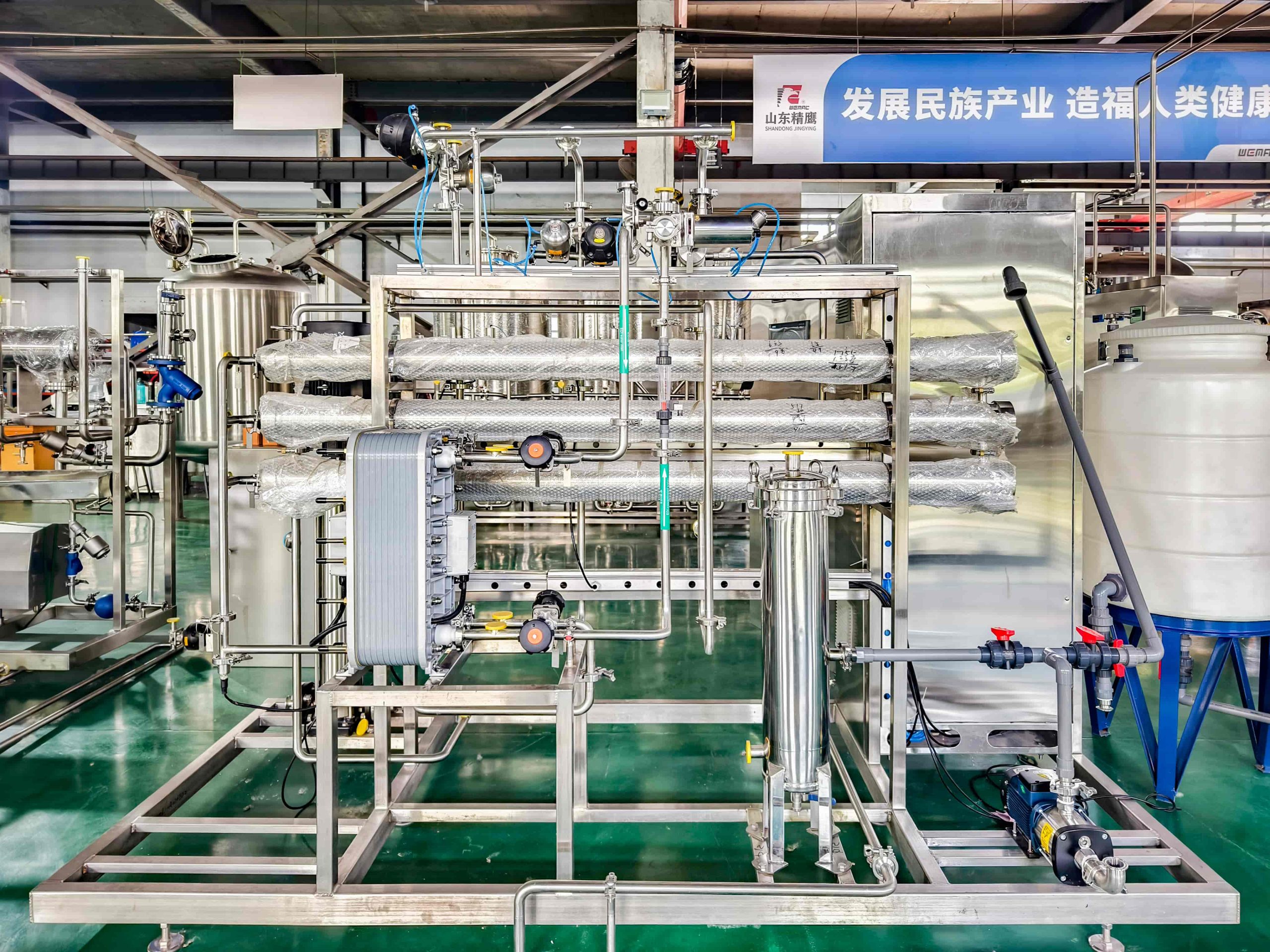
The complexity of industrial water treatment systems necessitates robust design and advanced manufacturing capabilities. SKE & Eagle exemplifies industry leadership by coupling precision engineering with quality materials to deliver systems that stand up to rigorous industrial demands and provide sustainable operational performance.
Key Industrial Water Treatment Technologies
Industrial water treatment integrates multiple technologies to achieve desired water quality levels. Selection of technology depends on raw water characteristics, process water requirements, and regulatory demands. The principal technologies include:
1. Filtration Systems
Filtration removes particulate matter, suspended solids, and turbidity. Technologies range from simple multimedia filters to advanced membrane filters. SKE & Eagle’s industrial filter solutions are designed with carefully engineered media layers, optimal flow dynamics, and durable vessel construction to ensure long-lasting operational integrity.
2. Coagulation and Flocculation
This chemical process aggregates fine particles and colloids into larger flocs, facilitating their removal by sedimentation or filtration. Industrial applications benefit from optimized reagent dosing systems paired with high-efficiency flocculation tanks engineered for turbulent mixing.
3. Ion Exchange Technologies
Ion exchange is pivotal in hardness removal and demineralization. Cation and anion exchange resins chemically replace ionic contaminants in water, ensuring the water meets stringent purity standards required for boilers, cooling towers, and manufacturing processes.
4. Reverse Osmosis (RO) and Nanofiltration (NF)
Membrane-based technologies like RO and NF allow for the removal of dissolved salts, organics, bacteria, and viruses by applying pressure to push water through semi-permeable membranes. RO systems require meticulous design considerations such as feedwater pretreatment, pressure vessel specifications, and membrane element selection for prolonged system life.
5. Chemical Treatment and Disinfection
Chemical dosing systems add scale inhibitors, corrosion inhibitors, and biocides to protect industrial water systems. Disinfection methods via chlorine, ozone, or ultraviolet (UV) light ensure microbiological stability in water circuits.
6. Sludge Handling and Wastewater Treatment
Post-treatment often generates sludge and residuals requiring further processing. Effective sludge management designs integrate thickening, dewatering, and neutralization stages, ensuring regulatory compliance and minimizing environmental footprint.
Each technology integrates synergistically in a customized water treatment system engineered with robustness and efficiency. For example, SKE & Eagle’s modular industrial water treatment systems combine these processes into scalable solutions tailored for diverse industrial applications.
Operational Principles of Industrial Water Treatment Systems
The successful operation of industrial water treatment systems depends on a thorough understanding of physicochemical and biological principles. Key operational concepts include:
Water Quality Analysis and Monitoring
Real-time monitoring of parameters such as pH, turbidity, conductivity, hardness, and microbiological counts is essential for system control. Advanced sensor integration allows predictive maintenance and ensures water quality targets are consistently met.
Flow Hydraulics and Process Integration
Optimizing flow rates, pressure drops, and retention times within treatment vessels drives system performance. Systems engineered by SKE & Eagle leverage computational fluid dynamics insights to optimize flow regimes and avoid stagnant zones where fouling could initiate.
Chemical Reaction Kinetics
Chemical dosing must account for reaction rates, mixing parameters, and dosage optimization to avoid under- or overdosing. Accurate control systems prevent corrosion or scaling and reduce operational costs.
Membrane Filtration Dynamics
For membranes, critical considerations include pressure differentials, fouling rate, cleaning protocols, and lifespan. Proper pretreatment and maintenance extend membrane life and system reliability.
Automation and Control
Modern industrial water treatment incorporates automated control systems with programmable logic controllers (PLCs) to manage dosing pumps, valves, and sensors. This automation allows for adaptive responses to changing process conditions, improving overall efficiency.
Engineering design standards, including those followed by SKE & Eagle, incorporate rigorous testing and validation protocols to ensure systems operate within defined parameters under varied industrial conditions—underscoring reliability and longevity.
Applications Across Industry Sectors
Industrial water treatment is a critical infrastructure component across multiple sectors. Each sector demands tailored water quality specifications and treatment challenges:
Power Generation
Boiler feedwater conditioning requires ultra-pure water with minimal dissolved solids to prevent scaling and corrosion. Cooling tower water treatment targets biofouling, corrosion, and scale, using integrated chemical and filtration systems.
Chemical Manufacturing
Process water quality directly influences reaction yields and product purity. Treatment systems are designed to handle high contaminant loads and often include multi-stage filtration and chemical dosing.
Food and Beverage
Water used for processing and cleaning must comply with strict sanitary standards. Treatment commonly includes disinfection, softening, and filtration ensuring microbial safety without compromising taste or quality.
Pharmaceuticals
Purified water with low ionic and microbial content is mandatory. Systems integrate reverse osmosis, deionization, and UV sterilization adhering to stringent regulatory frameworks.
Mining and Metals
Water used for mineral processing contains suspended solids and heavy metals requiring advanced flotation, sedimentation, and chemical treatment technologies.
Across these industries, customized solutions engineered by experts at SKE & Eagle address specific water challenges, utilizing their heritage in system reliability and robust manufacturing to build enduring treatment plants optimized for sector-specific demands.
Selection Criteria for Industrial Water Treatment Solutions
Choosing the appropriate industrial water treatment system involves comprehensive evaluation of multiple factors:
Source Water Characteristics
Detailed analysis of feedwater composition, including hardness, salinity, organic load, and microbial contamination directs technology choice and system configuration.
Water Quality Objectives
Clearly defined target water quality parameters—such as total dissolved solids (TDS), turbidity, chlorides, and biological safety—guide system complexity and component selection.
Capacity and Flow Rate
Systems must accommodate peak and average demands ensuring no process interruption. Scalability features enable future capacity expansion.
Operational Sustainability and Maintenance
Systems with modular components and accessible control points simplify routine maintenance and reduce downtime. Automation capabilities enhance operational efficiency.
Regulatory Compliance and Environmental Impact
Meeting local discharge regulations and internal sustainability goals is a major criterion. Technologies that enable water reuse reduce environmental footprint and operational water costs.
Cost-effectiveness and Lifecycle Considerations
Capital expenditures balanced against operational, maintenance, and replacement costs determine total cost of ownership. High reliability and SKE & Eagle’s adherence to engineering quality standards offer long-term value.
SKE & Eagle supports clients through detailed consultation and system customization detailed on their consulting services page, helping customers make well-informed treatment selections aligned with business objectives.
Compliance Standards and Environmental Regulations
Industrial water treatment systems operate in an increasingly regulated environment. Compliance with international, national, and local standards ensures ecosystem protection and corporate sustainability:
Environmental Protection Agency (EPA) Guidelines
In the United States and globally, EPA regulations restrict levels of pollutants in discharge water streams. Treatment systems must achieve thresholds for biochemical oxygen demand (BOD), total suspended solids (TSS), heavy metals, and pH balance.
ISO and Industry-Specific Standards
ISO 14001 environmental management and ISO 9001 quality management standards influence design protocols, emphasizing consistent performance and environmental responsibility.
Occupational Safety and OSHA Standards
Safe handling of treatment chemicals and system operation mandates compliance with labor safety standards, minimizing worker risk and ensuring process safety.
Local and Regional Permits
Municipal regulations can impose treatment discharge limits more stringent than federal requirements. Systems must be configured to satisfy the strictest applicable standards.
Adhering to these standards is critical for installations like the advanced wastewater treatment solutions engineered by SKE & Eagle, where multi-barrier treatment steps guarantee both environmental compliance and sustainability.
SKE & Eagle’s Engineering Philosophy & Solutions
SKE & Eagle has established itself as a leading manufacturer of industrial water treatment systems owing to a commitment to engineering precision, reliability, and sustainable design principles. Key elements defining their approach include:
Robust System Design
Leveraging advanced materials and proven fabrication techniques, SKE & Eagle systems ensure long service life and withstand harsh industrial conditions. The company’s multidisciplinary engineering team integrates mechanical, chemical, and control engineering expertise to tailor systems for complex water treatment challenges.
Modular and Customizable Solutions
Recognizing diverse industry needs, SKE & Eagle delivers modular water treatment units that can be scaled or combined for large treatment plants or compact installations, minimizing footprint without compromising capacity.
Innovative Technology Integration
Their systems incorporate cutting-edge membrane technologies, automated control platforms, and sustainable sludge management practices that align with industry best practices and environmental stewardship.
Quality Assurance and Certification
SKE & Eagle’s products undergo rigorous quality assurance processes during manufacturing and testing, compliant with international standards to ensure predictable system performance and operational safety.
Customer-Centered Support
From design consulting to commissioning and after-sales maintenance, SKE & Eagle offers comprehensive support, helping customers maximize treatment efficiency and minimize downtime. More information is available on the services overview page.
Through the integration of these principles, SKE & Eagle addresses industrial water treatment challenges with solutions that are not only technically excellent but also aligned with evolving industrial requirements for sustainability and regulatory compliance.
Future Trends in Industrial Water Treatment
The industrial water treatment landscape continues to evolve rapidly driven by technological innovation, stricter regulations, and growing sustainability imperatives. Anticipated trends include:
Digitalization and Industry 4.0 Integration
Enhanced use of IoT sensors, AI-driven analytics, and machine learning algorithms will enable predictive maintenance, optimized dosing, and real-time water quality adjustments improving system effectiveness and reducing operational costs.
Advanced Membranes and Nanotechnology
Emerging membrane materials will offer higher permeability, fouling resistance, and selective contaminant removal, expanding applications for high-purity water generation and reuse schemes.
Energy-Efficient and Green Treatment Solutions
Systems utilizing renewable energy sources and energy recovery designs will reduce carbon footprints while maintaining treatment efficacy. Enhanced reuse and zero-liquid discharge solutions will gain prominence.
Decentralized Treatment Systems
Modular, compact water treatment units will become more prevalent, allowing onsite water reuse and adaptability in remote or constrained industrial environments.
SKE & Eagle actively researches and implements these innovations, ensuring their product line evolves to meet tomorrow’s industrial water treatment challenges with reliability and engineering excellence.
Frequently Asked Questions
Industrial water treatment refers to the purification and conditioning of water used in industrial processes to protect equipment, meet process specifications, and comply with environmental regulations. It is essential for operational reliability, efficiency, and sustainability.
Common technologies include filtration, coagulation and flocculation, ion exchange, reverse osmosis, chemical dosing, disinfection, and sludge management. Systems often integrate multiple technologies customized for specific industrial needs.
SKE & Eagle utilizes advanced manufacturing and engineering expertise to design robust, modular, and customizable industrial water treatment systems. Their focus on quality, system reliability, and innovative technology integration supports diverse industrial water challenges.
Challenges include variable feedwater quality, achieving strict discharge standards, minimizing operational costs, handling high flow rates, and integrating automation for system efficiency and monitoring.
Future trends include digitalization with AI and IoT, advanced membrane technologies, energy-efficient systems, decentralized treatment units, and greater emphasis on water reuse and zero discharge solutions.
Follow us on Facebook or reach out via email at info@ske-eagle.com.
We invite you to fill out the contact form at the bottom of the SKE & Eagle website to begin your water treatment solutions journey.
“