

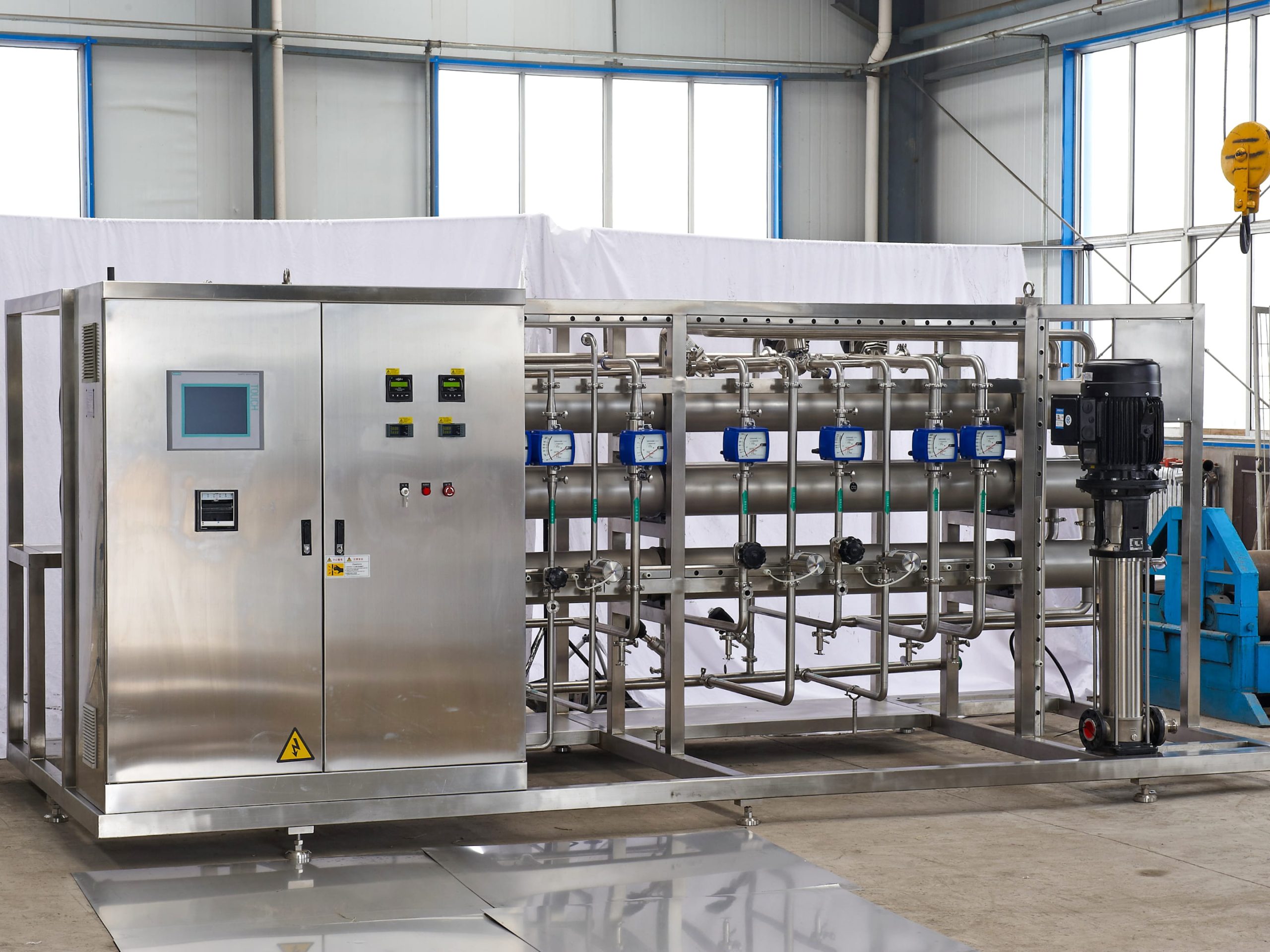
1. Overview of Industrial Brewery Equipment
Industrial brewery equipment forms the backbone of large-scale beer production facilities. This equipment encompasses the full spectrum of machinery and systems used throughout the brewing process—from raw material handling and mashing to fermentation, maturation, filtration, and packaging. The scale, complexity, and technical sophistication of these machines require specialized engineering approaches that ensure optimal flavor consistency, operational efficiency, and scalability.
At the core of modern industrial breweries is a marriage of traditional brewing expertise and cutting-edge process technology. This includes large-capacity brewhouses with precision temperature control, advanced heat exchangers, centrifuges for clarification, and packaging lines capable of high throughput. Manufacturers like SKE & Eagle integrate decades of industry expertise and engineering standards to deliver equipment that aligns with stringent sanitary and operational compliance while enabling flexibility for product diversification.
The successful deployment of industrial brewery equipment hinges on an in-depth understanding of brewing chemistry, process fluid dynamics, thermal management, and material science. Robust design philosophies aimed at minimizing contamination risk, ensuring cleanability, and simplifying maintenance represent critical factors in equipment reliability and product quality assurance.
Internal links further explain related technologies such as process vessels and heat exchanger systems offered by manufacturers specializing in industrial process solutions.
2. Design and Engineering Principles in Brewery Machinery
The design and engineering of industrial brewery equipment adhere to a set of rigorous principles focused on hygiene, efficiency, durability, and user safety. Modern brewery machinery involves several fundamental components: brewhouse vessels, fermentation tanks, filtration units, heat exchangers, and packaging machinery. Each serves distinct functions but must seamlessly integrate to ensure uninterrupted product flow.
Materials selection is paramount; stainless steel 304 and 316 grades dominate equipment construction due to their corrosion resistance, ease of cleaning, and mechanical strength. The surface finish of internal contact surfaces is engineered to achieve Ra values between 0.4 to 0.8 μm to minimize microbial adhesion and facilitate clean-in-place (CIP) procedures.
Thermal insulation and jacket design optimize temperature uniformity during mashing and fermentation. SKE & Eagle’s engineering solutions incorporate advanced jacketed vessel technology with multi-zone temperature controls, enabling precise thermal regulation critical to yeast performance and enzyme activity.
Mechanically, brewery vessels feature sanitary agitators and CIP spray balls designed following ASME and 3-A Sanitary Standards to allow effective cleaning and mixing without compromising vessel integrity or contaminating the wort and beer product.
Moreover, manufacturers apply computational fluid dynamics (CFD) simulations during design phases to optimize fluid flow patterns within tanks and pipelines, reducing dead zones and ensuring homogeneity. This simulation-based approach leads to enhanced fermentation consistency and operational predictability.
3. Automation and Control Systems in Industrial Breweries
Automation is revolutionizing the industrial brewery equipment space by reducing manual intervention and enhancing process repeatability. Programmable logic controllers (PLCs) and distributed control systems (DCS) have become ubiquitous in modern breweries, enabling real-time monitoring and control of temperature, pressure, flow rates, and pH levels.
Automation integration includes advanced sensors such as dissolved oxygen meters, density sensors, and turbidity analyzers that provide critical data for process optimization. These sensors feed into supervisory control and data acquisition (SCADA) systems, facilitating comprehensive process visualization and data logging for quality assurance and traceability.
SKE & Eagle’s brewery systems incorporate modular automation architectures that can be customized to specific brewery layouts and process steps. Their expertise extends to developing user-friendly human-machine interfaces (HMI) that enhance operator interaction and minimize potential errors.
Furthermore, automation reduces product loss and energy consumption by optimizing cleaning cycles, process timings, and ingredient dosing. With remote monitoring capabilities, operators can oversee plant performance offsite, enabling quick reaction to deviations and preventive maintenance scheduling.
4. Key Selection Criteria for Brewery Equipment
Selecting appropriate industrial brewery equipment involves multiple technical considerations tailored to process requirements, capacity, and product type. Critical factors include:
- Capacity and Scalability: The equipment must accommodate current production volumes and permit future expansion without necessitating entire system replacement.
- Material Compatibility: Compliance with food-grade material requirements and resistance to cleaning chemicals and process acids is essential.
- Thermal Efficiency: Equipment with optimized insulation and heat transfer capabilities reduces energy demand and improves process consistency.
- User Interface and Maintenance: Accessibility for cleaning, inspection, and routine maintenance reduces downtime and compliance risks.
- Automation Readiness: Equipment should support current and future automation needs including sensor integration and remote control.
- Compliance Certification: Verification against sanitary design certifications such as ASME, 3-A, and EHEDG ensures regulatory adherence and product safety.
Understanding batch versus continuous process requirements also influences equipment choice—continuous fermentation tanks and centrifuges may be appropriate for highly automated facilities that require sustained throughput, whereas batch systems are adaptable to smaller craft brewers.
Given the complexity, collaboration with manufacturers possessing deep domain expertise, such as SKE & Eagle’s case study solutions, can optimize equipment procurement and lifecycle performance.
5. Compliance Standards and Quality Assurance in Brewery Equipment
Brewery equipment must adhere to strict compliance and quality standards to safeguard product integrity and consumer safety. Key regulatory frameworks include:
- ASME Boiler and Pressure Vessel Code: Governs the design and manufacture of pressurized brewery vessels.
- 3-A Sanitary Standards: Defines design criteria for hygiene and cleanability in food and beverage equipment.
- EHEDG Guidelines: European standards emphasizing hygienic engineering and design.
- FDA Food Safety Modernization Act (FSMA): Regulates ingredient and processing safety in the United States.
Quality assurance practices during manufacturing incorporate non-destructive testing (NDT), weld inspections, and surface finish verification. SKE & Eagle’s adherence to these standards ensures system reliability and operational safety, evidenced in their documented certifications and quality audit trail.
Moreover, validation of clean-in-place (CIP) systems integrated within brewery equipment is crucial. Correctly designed CIP protocols prevent cross-contamination and microbial growth, supporting compliance with Hazard Analysis and Critical Control Points (HACCP) frameworks and Good Manufacturing Practices (GMP).
6. Maintenance Strategies and System Reliability
Industries rely on the consistent performance of industrial brewery equipment to meet production schedules and product quality demands. Maintenance strategies must be proactive and predictive, focusing on minimizing downtime and extending equipment lifecycle.
Common maintenance approaches include preventive maintenance schedules for mechanical parts such as agitators, valves, and pumps. Condition monitoring through vibration analysis, thermography, and lubricant analysis identifies early warning signs of wear or failure.
Reliability engineering applied during the design and operational phase ensures that brewery equipment withstands rigors of continuous operation. Factors such as fatigue resistance of weld joints, corrosion allowance in vessel materials, and redundancy for critical system components improve uptime.
SKE & Eagle’s advanced manufacturing procedures incorporate quality control checkpoints and robustness testing that align with this reliability focus. Partnering with such industry experts enhances operational continuity in demanding production environments.
7. Water Treatment Solutions for Brewery Operations
Water quality profoundly influences beer taste, fermentation kinetics, and equipment longevity. Industrial breweries incorporate sophisticated water treatment systems to control water hardness, mineral content, and microbial contamination.
SKE & Eagle offers integrated water treatment solutions including ultrafiltration, reverse osmosis, and UV disinfection modules designed for seamless integration into brewery infrastructure. Tailored water conditioning removes chlorine, heavy metals, and organic impurities that may affect yeast performance or flavor profile.
By employing advanced membrane filtration technologies and multi-stage treatment, breweries can achieve precise water chemistry parameters that conform to product formulation needs and regulatory limits. Additionally, water recycling techniques contribute to sustainability goals by reducing fresh water demand.
Effective pretreatment systems also protect downstream brewery equipment from scaling and corrosion, reducing maintenance costs and downtime.
8. Future Trends and Innovations in Industrial Brewery Equipment
The industrial brewery equipment sector is undergoing rapid technological evolution driven by sustainability imperatives, digital transformation, and consumer demand for product diversity. Future advances are likely to focus on:
- Smart Brewing Systems: Integration of AI and machine learning for predictive analytics, process optimization, and automated quality control.
- Energy Efficiency: Development of heat recovery systems, anaerobic digestion for waste-to-energy conversion, and renewable energy integration.
- Modular Equipment Designs: Enhanced flexibility through plug-and-play processing units to adapt quickly to new recipes or market trends.
- Advanced Materials: Use of antimicrobial coatings, composites, and next-generation stainless steels to improve hygiene and durability.
- Augmented Reality (AR): Assistance systems for remote troubleshooting and operator training to reduce errors and improve maintenance response times.
Manufacturers like SKE & Eagle invest in R&D and collaborate with brewing industry leaders to pioneer these innovations. Their approach combines traditional engineering quality with forward-looking technologies to future-proof brewery equipment assets.
FAQ
What constitutes industrial brewery equipment?
Industrial brewery equipment includes all machinery and vessels used in large-scale beer production, such as fermentation tanks, brewhouses, heat exchangers, filtration units, and packaging lines.
How does automation improve industrial brewery equipment performance?
Automation enhances performance by enabling precise control over process variables, reducing manual errors, optimizing energy use, and facilitating real-time monitoring and data-based decision-making throughout the brewing process.
What are key compliance standards for brewery equipment?
Important standards include ASME Boiler and Pressure Vessel Code, 3-A Sanitary Standards, EHEDG guidelines, and FDA FSMA requirements that regulate design, hygiene, and safety aspects of brewery equipment.
Why is water treatment essential in industrial breweries?
Water treatment controls the chemical and microbial characteristics of water used in brewing, ensuring product consistency, protecting yeast health, preventing equipment damage, and complying with safety standards.
How does equipment design impact brewery product quality?
Equipment design influences temperature control, sanitary conditions, and mixing efficiency, all of which affect fermentation performance, flavor profile, and contamination risk, thereby directly impacting final product quality.
Contact SKE & Eagle for Advanced Industrial Brewery Equipment Solutions
If you are exploring high-performance industrial brewery equipment engineered with precision and innovation, we invite you to connect with SKE & Eagle’s experts. Our team is ready to discuss how our custom engineering capabilities and water treatment solutions can help optimize your brewery operations.
Reach out via our Facebook profile or email us directly at info@ske-eagle.com. For detailed inquiries, please fill out the contact form at the bottom of our website, and we will respond promptly.