

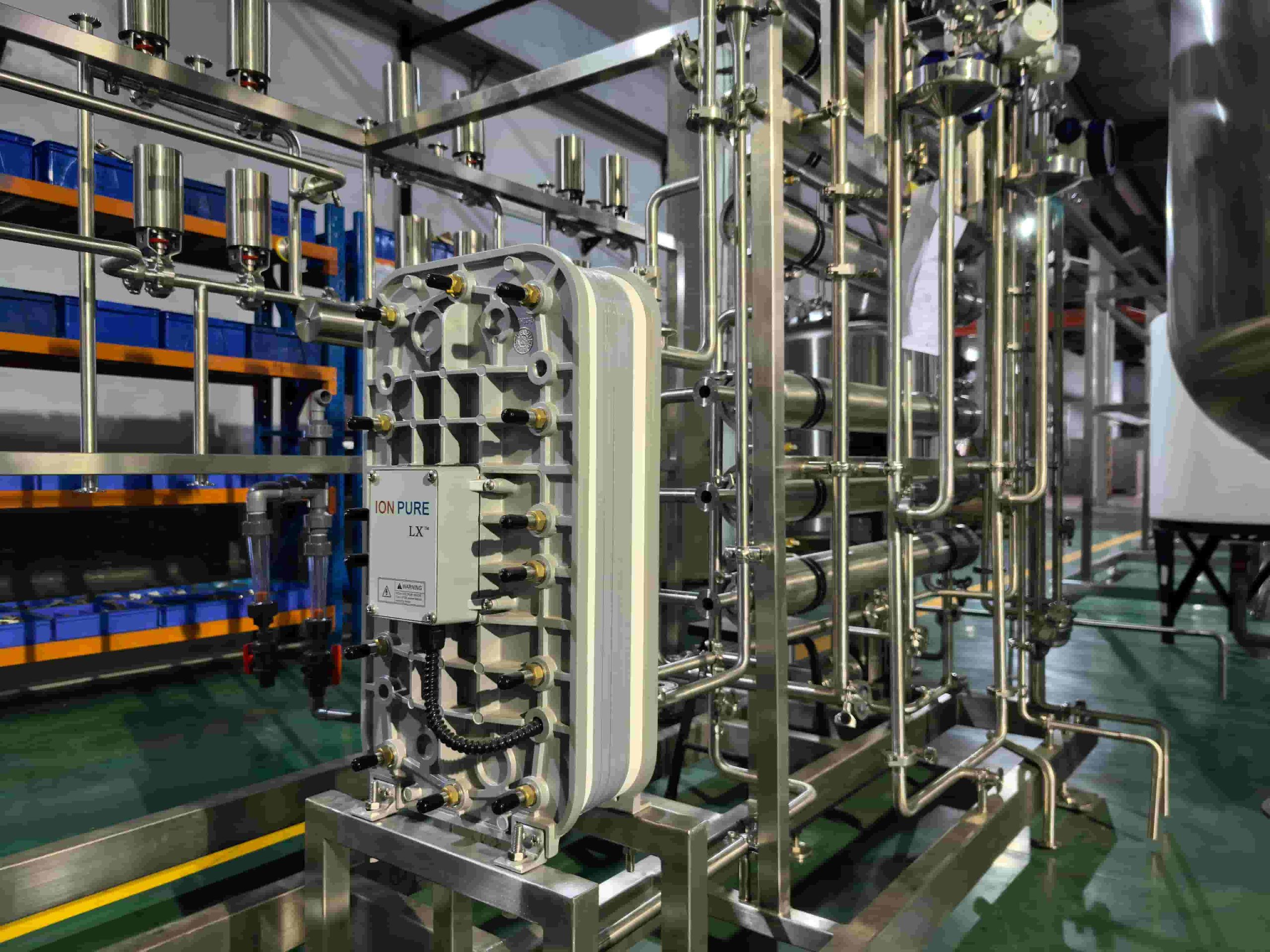
1. Overview of Herbal Extraction Equipment
Herbal extraction equipment plays a pivotal role in the pharmaceutical, nutraceutical, cosmetic, and food industries by enabling the efficient isolation of bioactive compounds from plant materials. This extraction is crucial for producing herbal extracts with consistent potency, purity, and efficacy. With increasing demand for natural products and the shift towards sustainability in manufacturing, understanding the wide array of herbal extraction equipment is essential for engineers and process technicians.
The extraction process involves breaking down plant cellular structures and dissolving targeted phytochemicals in selected solvents or through physical methods. Equipment ranges from traditional macerators and percolators to sophisticated ultrasonic and supercritical fluid extraction systems. Modern herbal extraction equipment integrates precise temperature control, solvent recycling, and automation to enhance throughput and extraction yield.
Companies like SKE & Eagle specialize in engineering advanced water treatment systems supporting the extraction process, ensuring system reliability and compliance with stringent manufacturing standards. Leveraging their expertise in materials science and fluid dynamics, SKE & Eagle’s solutions also enhance solvent purity and operational safety, critical to preserving extract quality.
Effective herbal extraction equipment optimizes parameters such as solvent selection, temperature, pressure, and extraction time to maximize active ingredient recovery while minimizing degradation. This overview sets the stage for a detailed exploration of the technological principles and engineering best practices covered in subsequent sections.
2. Technological Principles Behind Herbal Extraction
At the core of herbal extraction equipment function lies the principle of mass transfer, where targeted phytochemicals are selectively dissolved from raw plant matrix into a solvent phase. Understanding solvent properties (polarity, viscosity), plant material characteristics (cell wall composition, particle size), and thermodynamic conditions (temperature, pressure) is essential to engineering effective extraction systems.
Common extraction methods utilized by herbal extraction equipment include:
- Maceration: Soaking plant material in solvents at ambient temperature, typically requiring long contact times. Equipment often includes jacketed tanks to maintain temperature.
- Percolation: Continuous solvent flow through plant beds, improving extraction efficiency versus maceration. Requires precise flow control equipment and uniform packing to avoid channeling.
- Ultrasonic Extraction: Use of ultrasonic waves to create cavitation and disrupt plant cells, promoting rapid solute release. Equipment features ultrasonic transducers and requires careful calibration to avoid overheating or degradation.
- Supercritical Fluid Extraction (SFE): Employs supercritical CO2 as a solvent above its critical point, affording tunable solvency for selective extraction. Complex equipment includes high-pressure vessels, compressors, and heat exchangers.
These methods can be combined or adapted depending on target compounds, scale, and desired purity. For example, SKE & Eagle’s engineering standards emphasize integrating reliable thermal regulation and solvent recycling systems to optimize supercritical extraction yield and reduce environmental impact.
Mass transfer rate in herbal extraction is dependent on:
- Surface area of plant particles
- Solvent-to-solid ratios
- Temperature and agitation intensity
- Solvent polarity matching with target compounds
The equipment design must allow precise adjustment and control of these parameters to ensure reproducibility and process scalability in pharmaceutical or nutraceutical production environments.
3. Design and Manufacturing Considerations
Designing herbal extraction equipment requires a multidisciplinary engineering approach — combining chemical, mechanical, and process engineering principles. Equipment must meet strict hygiene standards, withstand corrosive solvents, and provide consistent operating parameters.
Key design elements in herbal extraction equipment include:
- Material Selection: Stainless steel alloys, especially 316L, are preferred for their corrosion resistance, ease of cleaning, and compliance with GMP standards.
- Thermal Control Systems: Jacketed vessels paired with precise thermostatic controls maintain solvent temperature to prevent thermal degradation of sensitive herbal constituents.
- Agitation and Mixing: Variable speed impellers or ultrasonic transducers enable uniform solvent contact and cell disruption.
- Pressure Vessels: For advanced methods like SFE, robust design with pressure relief systems and certified welds ensure operator safety and process stability.
- Automation and Instrumentation: Integration of sensors for temperature, pressure, and solvent flow rate alongside PLC control allows enhanced process monitoring and repeatability.
SKE & Eagle’s manufacturing capabilities extend to precision fabrication of extraction system components, grounded in international standards such as ASME and FDA GMP guidelines. Their approach emphasizes reliability, modularity, and integration ease with upstream and downstream processing units.
Engineers must consider:
- Ease of cleaning and sanitation to prevent cross-contamination
- Minimizing solvent losses through vapor recovery technologies
- Compliance with environmental and safety regulations
- System scalability for pilot to full industrial scale extraction
With a focus on sustainability, modern herbal extraction equipment design increasingly incorporates solvent recycling features and water treatment solutions. SKE & Eagle’s expertise in integrated water treatment systems ensures that solvent quality and water purity meet extraction process high standards, directly impacting extract consistency.
4. Integration of Water Treatment in Herbal Extraction
Water quality profoundly influences the extraction process, especially when aqueous solvents or water-based extractions are involved. Contaminants in process water can introduce impurities, negatively affect bioactive compound stability, and complicate downstream purification.
Herbal extraction equipment often operates in conjunction with advanced water treatment systems to assure high-purity water supply. These systems include:
- Reverse Osmosis (RO) for dissolved solids removal
- Ultrafiltration to extract microorganisms and colloids
- Deionization (DI) for ionic contaminants
- UV sterilization to maintain microbiological control
SKE & Eagle specialize in designing and manufacturing custom water treatment equipment engineered for seamless integration with herbal extraction lines. Their systems maintain required water resistivity and purity levels, supporting stringent pharmaceutical and natural product manufacturing standards.
A water treatment system integrated with herbal extraction equipment also reduces process downtime and maintenance frequency due to scaling or biofilm formation in piping and vessels. SKE & Eagle’s approach ensures enhanced system reliability and operational efficiency via rigorous quality controls and engineering standards.
Diagram (described): Imagine a flow schematic showing upstream water entering an RO unit, followed by UV sterilizer and DI tank, finally feeding purified water into an extraction vessel. This ensures water consistency critical for herbal extraction.
5. Operation and Maintenance Best Practices
Efficient operation of herbal extraction equipment requires skilled personnel and adherence to detailed protocols to guarantee product quality, equipment longevity, and workplace safety. This involves:
- Pre-extraction system checks for leaks, calibration of sensors, and solvent levels
- Strict control of process parameters such as temperature, pressure, and solvent flow
- Monitoring of extraction yields, color, and purity to detect deviations promptly
- Routine cleaning and sanitation schedules to prevent microbial growth and contamination
- Scheduled maintenance of agitators, pumps, valves, and seals to avoid unscheduled downtime
SKE & Eagle emphasizes operator training and comprehensive documentation aligned with their engineering solutions to improve system uptime and extraction consistency. They also incorporate remote monitoring technologies enabling real-time diagnostics and predictive maintenance strategies.
Practical considerations when operating herbal extraction equipment include solvent compatibility, hazardous material handling, and environmental control. Sophisticated filtration and vapor recovery units integrated into the system help mitigate solvent emissions, promoting sustainability.
Case studies show that thorough preventive maintenance reduces repair costs by up to 30% and ensures the equipment operates within validated parameters, essential for regulatory compliance.
6. Compliance and Regulatory Standards
Herbal extraction equipment must comply with diverse international standards to ensure safety, quality assurance, and environmental responsibility. These include:
- Good Manufacturing Practice (GMP): Essential for pharmaceuticals and nutraceuticals, ensuring traceability, sanitation, and process control.
- ASME Boiler and Pressure Vessel Code: Governs construction and inspection of pressure vessels, critical for extraction systems using high pressures.
- FDA guidelines: Outline requirements for equipment qualification, cleaning protocols, and documentation.
- Environmental Protection Agency (EPA) standards: Regulate solvent emissions and waste disposal.
Herbal extraction equipment manufacturers like SKE & Eagle integrate these regulatory requirements early in the design and manufacturing process. Their commitment to quality management systems ensures equipment meets or exceeds compliance benchmarks.
Periodic audits and validation studies verify equipment reproducibility and user safety, which is paramount to product efficacy and consumer trust.
7. Common Myths and Misconceptions in Herbal Extraction
The herbal extraction field is often surrounded by misconceptions affecting procurement and process design decisions. Some common myths include:
- Myth: All herbal extracts can be obtained with a single extraction method.
Fact: Different plant matrices and phytochemicals require tailored extraction techniques to maximize quality. - Myth: Higher temperature always improves extraction yield.
Fact: Excessive heat can degrade thermolabile compounds; thus, temperature must be carefully controlled. - Myth: Extraction equipment is generic and interchangeable across different herbal products.
Fact: Equipment must be selected and designed specifically to the botanical species and intended use. - Myth: Solvent purity is secondary to extraction efficiency.
Fact: Poor solvent quality negatively impacts extract purity and safety, underscoring the importance of water treatment integration.
Dispelling these myths with factual engineering knowledge facilitates better procurement and operational decisions, aligning with industry best practices found in publications and expert insights like those shared by SKE & Eagle.
8. Future Trends and Innovations in Herbal Extraction Equipment
The herbal extraction technology landscape is evolving rapidly with innovations focused on sustainability, efficiency, and process intensification. Emerging trends include:
- Green Extraction Methods: Utilization of environmentally friendly solvents such as water, ethanol, or supercritical CO2 to reduce chemical hazards.
- Integration with Bioreactors: Combining extraction with biotransformation inside single systems to enhance yield of rare metabolites.
- AI and IoT Monitoring: Leveraging real-time data analytics and predictive maintenance to optimize extraction cycles and system uptime.
- Modular Equipment Designs: Facilitating scalability and customization for multiple extraction processes without major system overhauls.
SKE & Eagle continues to pioneer advanced water treatment technologies and automated control systems that align with these future trends, enabling clients to future-proof their herbal extract manufacturing and meet evolving regulatory and market demands.
Plant-based product innovation will increasingly depend on robust, flexible extraction equipment combined with smart manufacturing practices that prioritize quality, safety, and environmental impact.
Frequently Asked Questions
Supercritical fluid extraction equipment using CO2 is considered highly efficient for extracting sensitive compounds because it operates at moderate temperatures and allows selective extraction through pressure and temperature adjustments.
Water treatment ensures removal of impurities and contaminants from process water, which is critical to preventing quality degradation, microbial contamination, and ensuring consistency in herbal extraction processes, especially for aqueous extractions.
Safety standards such as ASME Boiler and Pressure Vessel Code, FDA GMP guidelines, and OSHA regulations govern the design, construction, and operation of herbal extraction equipment to ensure safe handling of pressure and hazardous solvents.
Yes, herbal extraction equipment can and should be customized based on botanical characteristics, target compounds, and process scale. Customization includes solvent type selection, vessel configuration, and agitation methods to optimize extraction efficiency.
Companies with robust engineering and manufacturing capabilities, like SKE & Eagle, offer integrated herbal extraction systems coupled with industry-leading water treatment solutions designed for system reliability and compliance.
Contact SKE & Eagle for Expert Herbal Extraction Solutions
For advanced solutions in herbal extraction equipment and integrated water treatment systems, connect with the engineering experts at SKE & Eagle. Explore cutting-edge technology designed for reliability and compliance at our contact page.
Engage with us on Facebook: SKE & Eagle Facebook
Or reach out via email: info@ske-eagle.com
We encourage you to fill out the contact form at the bottom of our website for personalized assistance and expert consultation.