

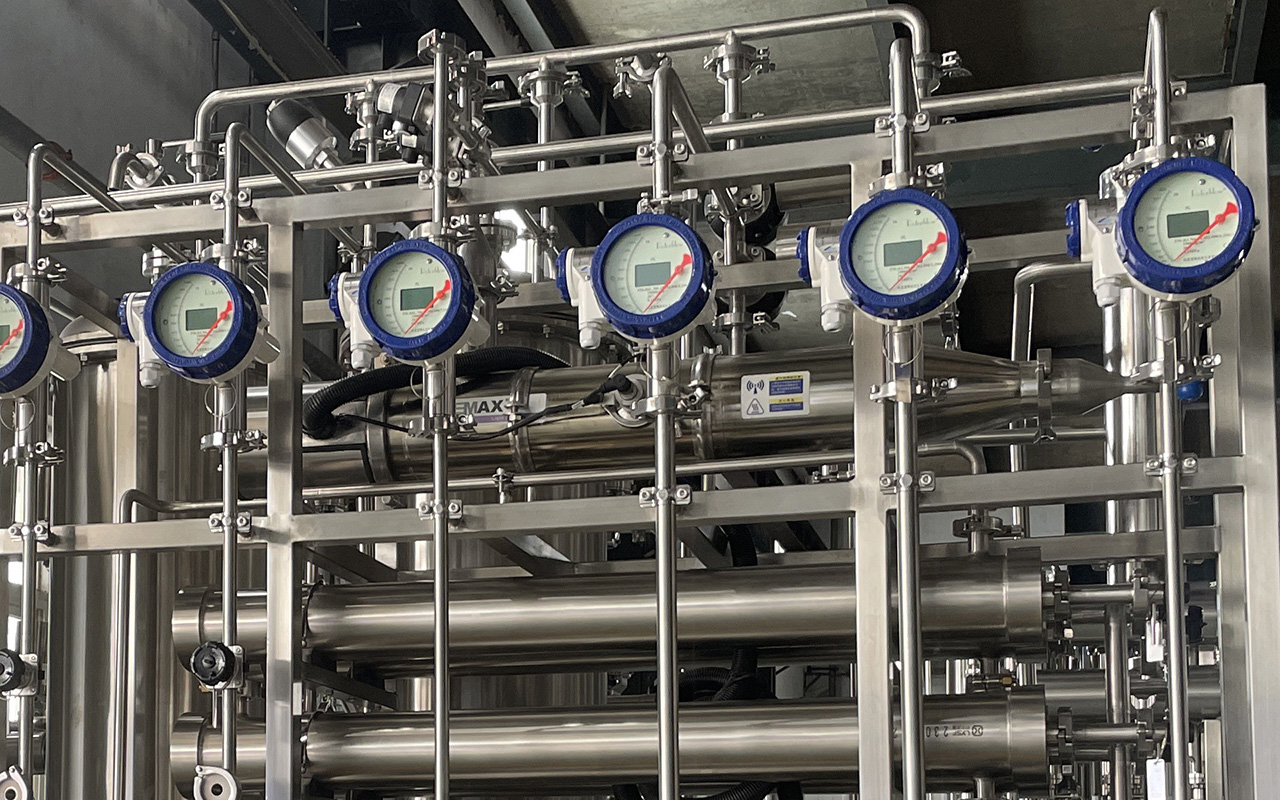
Meta Description: Compare heat and ozone sanitization for pharmaceutical water treatment systems. Learn GMP requirements, costs, water processing system design, and validation.
Introduction
Pharmaceutical water must meet strict limits for conductivity, TOC, and microbial quality. Producing it is only half the challenge—it must also stay under control during storage and distribution.
Sanitization is a critical part of any water treatment strategy. In a GMP water treatment system, microorganisms can form biofilms on tank walls, pipes, and valves, continuously releasing bacteria into the water.
Heat and ozone are two widely used sanitization methods for pharmaceutical water treatment. Both work, but they demand different equipment, operation, and maintenance. The right choice depends on water grade, system design, and long-term cost. This guide compares both for your water treatment system.
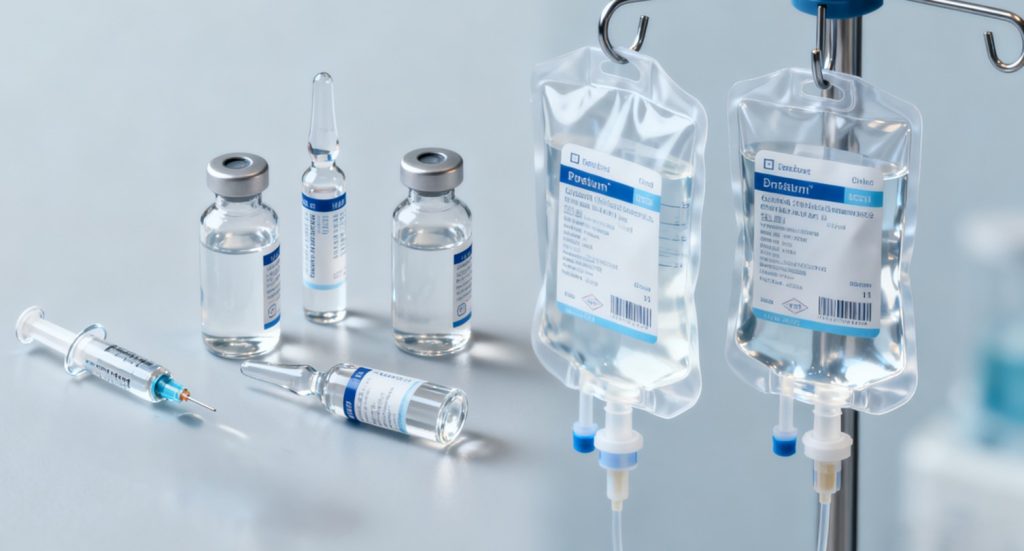
Why Sanitization Matters in GMP Water Treatment
A pharmaceutical water treatment system must keep water quality from production to point of use. Even when purification works, contamination can develop in tanks and distribution loops.
Biofilm is the main challenge. Microorganisms attach to wetted surfaces and build protective layers that shield them from sanitizing agents.
Effective sanitization controls microbial growth and reduces biofilm risk. In any water treatment program, it is part of the overall microbial control strategy, not a standalone cleaning task. The method must suit the water grade, materials, operating conditions, and GMP validation requirements. Heat and ozone offer two different ways to meet this goal within a water processing system.
Heat Sanitization: A Proven Method
Heat sanitization circulates hot water through the tank and distribution loop for a defined period. Temperature and holding time are set through design and validation.
For purified water loops, thermal sanitization is typically 80°C or higher. WFI loops are often maintained above 70°C, with sanitization cycles reaching higher temperatures. Higher is not automatically better—it increases stress on materials.
Heat damages microbial proteins and cell structures. When the temperature reaches all wetted surfaces for sufficient time, contamination is effectively reduced. A major advantage: no chemical sanitant is added, so nothing needs to be removed afterward.
Advantages
-
Well-established: Long history in pharmaceutical water treatment.
-
No chemical sanitant: No added disinfectant left in the loop.
-
Suitable for hot WFI: Matches elevated-temperature circulation.
-
Easy monitoring: Temperature, flow, and time can be recorded.
Limitations
Heating large water volumes costs energy, and the system may need cooling time before production resumes.
Not all components tolerate repeated heat. RO membranes, EDI modules, instruments, and seals have temperature limits. Industry experience suggests about one heat cycle every three months keeps an EDI module life near five years. Compatibility must be checked before choosing thermal sanitization for your water treatment system.
Heat must also reach every wetted surface. Poorly designed branches and dead legs create cold spots where control fails. Temperature mapping and proper circulation design are essential in any GMP water treatment system.

Ozone Sanitization: A Flexible Approach
Ozone is a strong oxidizing agent. An on-site generator produces it, and the gas dissolves into water at a controlled concentration. Ozonated water then circulates through the tank and loop.
Ozone damages microbial cells through oxidation and helps reduce biofilm formation when the water processing system is properly designed. Unlike heat, it works at ambient temperature—ideal for systems without continuous hot water circulation.
Advantages
-
Low-temperature operation: No need to heat the whole loop.
-
Frequent application: Can run continuously or periodically. Cold water systems typically hold above 50 ppb short-term and at least 20 ppb long-term.
-
Biofilm control: Reaches beyond bulk-water microorganisms.
-
Lower heating demand: Avoids repeated heating and cooling.
-
Less downtime: Reduces interruption from thermal cycles.
Limitations
Ozone needs a generator, concentration monitors, control equipment, and a UV destruction unit. Vent gas destruction and ventilation are also required for safety.
Material compatibility matters. Ozone is highly reactive and can damage certain elastomers and seals over time. Wetted materials must be chosen carefully.
Ozone decomposes quickly, so maintaining effective concentration across a long loop requires proper injection points, monitoring locations, and circulation design. Residual ozone is normally removed by a validated UV unit before the point of use.
Ozone does not solve every biofilm problem. Thick, established biofilms may limit penetration, so cleaning, surface design, and microbial monitoring remain necessary in any water treatment program.
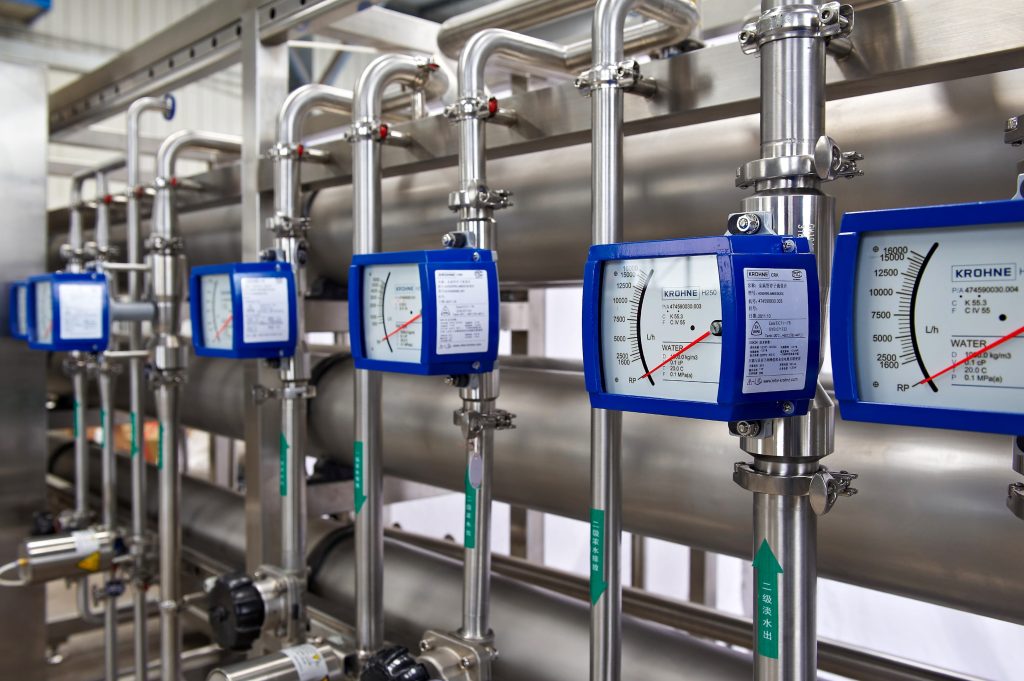
Heat vs. Ozone: Side-by-Side Comparison
| Consideration | Heat Sanitization | Ozone Sanitization |
|---|---|---|
| Operating temperature | Typically 80°C+ for PW; WFI above 70°C | Ambient or controlled low temperature |
| Working principle | Thermal inactivation | Oxidation of cell structures |
| Effect on RO and EDI | Requires temperature protection | Avoids thermal stress |
| Application frequency | Periodic; about every 3 months protects EDI | Continuous or periodic; frequent use without wear |
| Chemical sanitant | None added | Ozone used and must be controlled |
| Residual control | No removal needed | UV destruction before point of use |
| Biofilm control | Controls growth; may not remove established biofilm | Helps reduce biofilm; thick layers limit penetration |
| Energy demand | Higher heating demand | Lower heating; adds ozone and UV equipment |
| Capital cost | Lower with existing heat infrastructure | Higher; needs generation and monitoring equipment |
| Typical application | Hot PW and WFI loops | Ambient-temperature storage and distribution |
Neither method fits every case. Judge the whole water processing system, not just the sanitization equipment.
Key Takeaways
-
Heat suits hot WFI loops and facilities with existing thermal infrastructure, but stresses RO and EDI.
-
Ozone suits ambient purified water systems needing frequent control without heating or downtime.
-
Water grade drives the choice: WFI favors heat; ambient PW often favors ozone.
-
Design follows the method: heat needs insulation and thermal provisions; ozone needs compatible materials, venting, and UV destruction.
-
Total cost of ownership beats equipment price.
How to Choose the Right Method
Start with water grade. For WFI, hot circulation is well established; the FDA notes about 80°C is common for continuously circulating WFI systems. For ambient purified water, ozone offers more flexibility. Ozone can also suit certain WFI designs, depending on production method, temperature, materials, and validation.
Then check material compatibility. For heat, review temperature limits of RO/EDI, tanks, piping, pumps, valves, instruments, and seals. For ozone, confirm wetted parts resist oxidation at expected concentrations. These checks prevent premature damage and unexpected costs in your water treatment system.
Next, compare operating costs: equipment investment, heating or ozone energy, UV lamp replacement, component life, downtime, water consumption, and validation effort. The lowest price rarely means the lowest total cost.
Finally, plan validation. Heat requires documented temperature, holding time, flow, and surface coverage. Ozone requires concentration, contact conditions, loop distribution, UV performance, and residual control. Routine microbial monitoring confirms the water treatment system stays under control.
How SKE&EAGLE Approaches System Design
At SKE&EAGLE, we design and manufacture pharmaceutical water treatment systems for GMP-regulated facilities. We do not pick a sanitization method because it is popular. We start with your water quality requirements, capacity, utilities, and operating conditions.
For WFI already using hot circulation, heat sanitization may be practical if all components suit the conditions. For ambient purified water, ozone can reduce heating demand and allow more frequent control without thermal cycling.
Design must follow the choice. A heat-sanitized loop needs insulation, thermal expansion provisions, circulation capacity, and temperature monitoring. An ozone-based water treatment system needs compatible materials, controlled injection, concentration monitoring, ventilation, vent gas destruction, and a properly sized UV unit.
We consider these requirements at the design stage to help customers build reliable production, storage, and distribution systems.

Frequently Asked Questions
1. Which method is more cost-effective?
Depends on the facility. Heat has lower initial cost when steam or hot water infrastructure exists. Ozone costs more upfront but cuts heating energy and downtime. Compare total cost of ownership, not equipment price.
2. Can ozone be used in a WFI system?
Yes, for appropriately designed systems. Suitability depends on production method, storage temperature, distribution design, material compatibility, and validation. Hot WFI loops usually rely on thermal control.
3. How often should a GMP water treatment system be sanitized?
There is no single frequency. Set it through qualification, risk assessment, and microbial monitoring. For EDI systems, about every three months is a practical starting point. Ozone can run continuously or periodically.
4. Does ozone leave residue?
Ozone decomposes naturally. A validated UV unit normally removes residual ozone before the point of use. The UV unit must be sized, validated, and monitored.
5. Can a heat system be converted to ozone?
Yes, but it needs engineering assessment. Check loop compatibility and add ozone generators, monitors, UV destruction, and vent gas treatment as needed. Update control strategy and validation documents. Early evaluation reduces cost and downtime.
Conclusion
Heat and ozone both play important roles in pharmaceutical water microbial control. Heat is proven for elevated-temperature systems, especially hot WFI loops. Ozone suits ambient systems needing flexible, frequent sanitization.
There is no universal best method. The choice depends on water grade, material compatibility, microbial control needs, operating costs, and GMP validation. Sanitization belongs in the overall water treatment strategy from day one—not as an add-on.
For new systems or upgrades, consider sanitization at the start of design. A well-designed water processing system maintains water quality, reduces contamination risk, and supports reliable long-term production.
Contact Email: info@ske-eagle.com
Follow us on Facebook for the latest industry insights: SKE & Eagle Facebook
Business Inquiries: Visit our official website and submit the contact form at the bottom.