

”
Introduction to Water Management Systems
Effective water management systems are critical infrastructures designed to optimize the collection, treatment, distribution, and reuse of water resources. With global populations increasing and environmental conditions becoming more variable, the need for advanced, reliable water management systems has never been more urgent. A water management system integrates engineering design, technology, and sustainable practices to ensure water quality, availability, and environmental harmony.
At its core, a water management system encompasses components such as water intake structures, treatment plants, distribution networks, and wastewater recovery facilities. These interconnected systems must adapt to varying quality input sources and shifting demand patterns while maintaining regulatory compliance. The complexity of this engineering discipline requires a firm grasp of hydrology, mechanical and chemical engineering principles, and environmental science.
In the industrial sector, particularly, water management systems are indispensable for process water optimization, effluent treatment, and cooling operations. Companies like SKE & Eagle embed their deep engineering expertise and commitment to quality into manufacturing precision water equipment that supports high-efficiency water management strategies. Their systems are built to stringent standards, ensuring long-term reliability in challenging industrial environments.
This comprehensive guide explores the technical, practical, and regulatory aspects of water management systems. Our discussion will cover design principles, operational methodologies, compliance standards, and real-world applications, further showcasing how contemporary engineering innovation, such as that from SKE & Eagle, sets the bar for water management solutions.
Design Principles and Technologies in Water Management Systems
Designing a water management system begins with a detailed understanding of watershed hydrology, resource availability, and quality requirements. Core design principles emphasize sustainability, efficiency, system resilience, and user safety. Engineers must consider head loss, pressure management, flow rates, and contaminant removal efficacy while also incorporating redundancy and ease of maintenance into the system architecture.
Modern water management systems integrate multiple advanced technologies:
- Automation and Control Systems: Programmable logic controllers (PLCs) and SCADA (Supervisory Control and Data Acquisition) systems enable real-time monitoring and control of pressure, flow, and water quality parameters. This automation enhances reliability and reduces operational costs.
- Membrane Technologies: Ultrafiltration, nanofiltration, and reverse osmosis membranes provide selective contaminant removal with minimal footprint.
- Advanced Filtration Systems: Multi-media filters, activated carbon beds, and biofiltration are integrated components optimizing physical and chemical contaminant removal.
- Energy Efficient Pumps and Motors: Hydraulic design optimizations and premium efficiency motors are critical for reducing energy consumption in pumping operations.
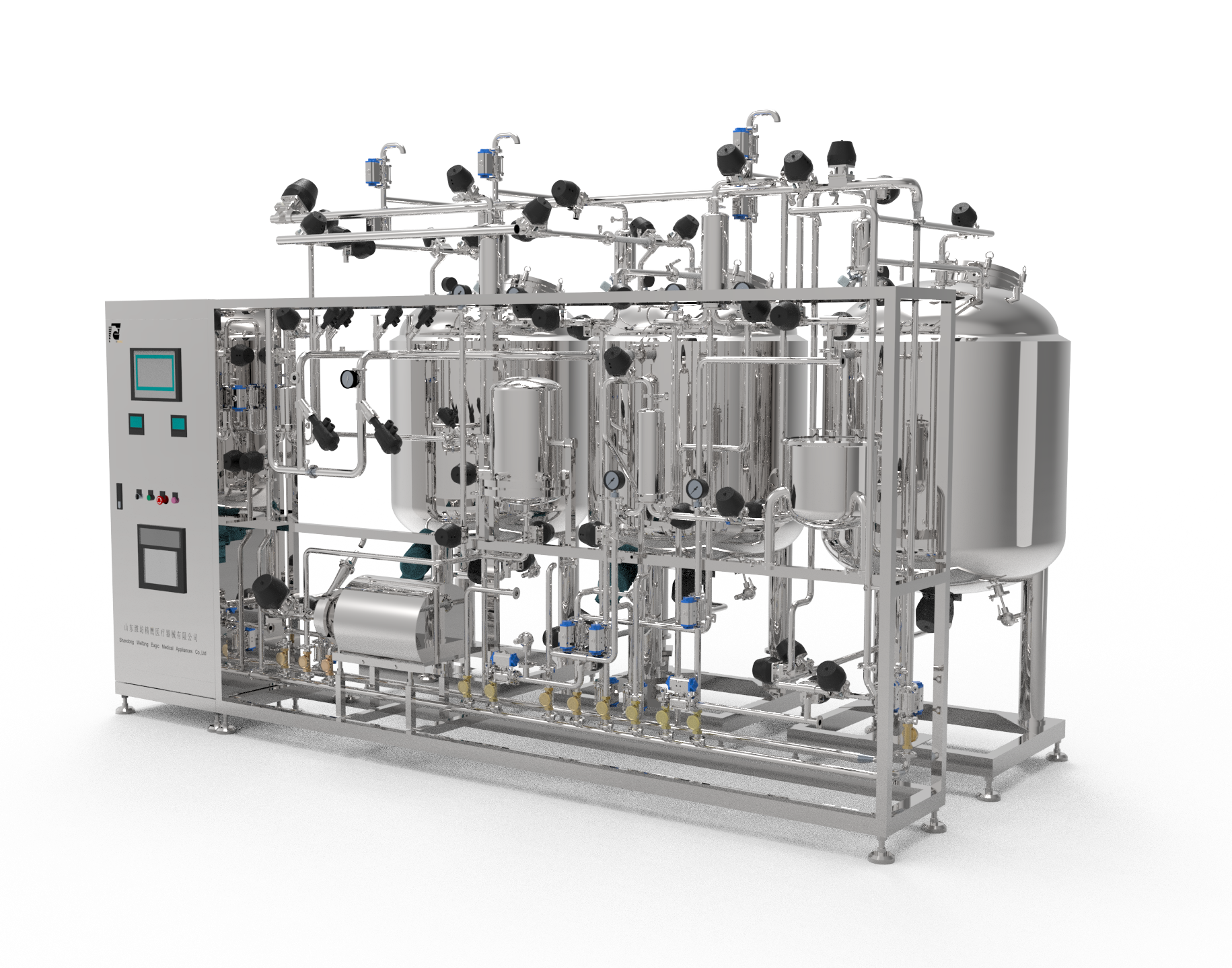
An example of precision in manufacturing for water management is the engineering excellence seen in biofiltration systems by SKE & Eagle. Their designs reflect cutting-edge materials and manufacturing standards, balancing hydraulic efficiency with durability in diverse operating environments.
Diagrammatically, a typical water management system design includes the intake screen, sedimentation basins, chemical dosing units, filtration trains, disinfection chambers, and distribution pipelines. Each subsystem is engineered for optimized hydraulic conductivity and treatment performance. These interdependencies require precise computational fluid dynamics (CFD) modeling and rigorous testing during the design phase to prevent issues such as biofouling, pressure surges, and cross-contamination.
Operational Methodologies and System Reliability
Successful operation of a water management system centers on maintaining system integrity and efficiency over its lifecycle. This requires comprehensive preventive maintenance programs, continuous process monitoring, and swift operational adjustments based on sensor feedback.
Core operational methodologies involve:
- Water Quality Monitoring: Constant sampling and automated sensor analysis for turbidity, pH, dissolved oxygen, nitrates, and microbial contaminants ensure treatment objectives are consistently met.
- Process Optimization: Adjusting chemical dosing and flow rates dynamically in response to input water variations increases treatment efficacy and reduces chemical consumption.
- Reliability Engineering: Implementing redundancy and fail-safe mechanisms on critical components minimizes downtime. Condition-based maintenance protocols steer resource allocation toward imminent repair needs, reducing unnecessary interventions.
Industrial operators leveraging SKE & Eagle’s water management equipment benefit from robust design philosophies that prioritize operational reliability and serviceability. For example, their precipitation systems are engineered to operate continuously with built-in resistance to wear and chemical corrosion, reducing unplanned outages.
Another operational focus pertains to energy management. Pumping systems account for a significant portion of energy usage in water plants. Integration of variable frequency drives (VFDs) and energy recovery systems can translate to substantial operational savings and reduced environmental footprint.
The adoption of digital twin technologies helps operators simulate operational scenarios and forecast system behavior under varying loads and contamination levels, empowering more proactive water management.
Compliance and Regulatory Standards in Water Management
Water management systems operate under stringent regulatory frameworks to safeguard public health and environmental standards. Compliance involves following local, national, and sometimes international codes related to water quality, discharge levels, and system safety.
Key standards that govern water management system design and operation include:
- EPA Regulations (U.S.): The Safe Drinking Water Act (SDWA) and Clean Water Act (CWA) set benchmarks for maximum contaminant levels and wastewater discharge limits.
- ISO Standards: ISO 24512 provides guidelines on drinking water management and risk assessment protocols.
- Local Environmental Compliance: Many countries have tailored environmental agencies requiring permits, documentation, and audits for water system operators.
To assist clients in meeting these evolving requirements, SKE & Eagle integrates compliance considerations into their engineering standards, ensuring that products, such as their wastewater treatment systems, facilitate adherence to pollutant discharge limits and optimize treatment effectiveness.
Traceability, rigorous quality control in manufacturing, and thorough testing protocols are essential for validating compliance ahead of installation. Engineering teams must also provide operational training and detailed documentation to sustain ongoing regulatory conformance.
Furthermore, water management systems increasingly incorporate environmental data analytics to monitor ecosystem impacts and report compliance status in real time, reflecting a shift toward transparency and accountability.
Industrial Use Cases and Practical Applications
Industries ranging from manufacturing to power generation rely heavily on robust water management systems to meet process water demands, effluent treatment, and cooling requirements. The selection of appropriate water treatment technologies is contingent upon specific industrial applications and effluent characteristics.
In the chemical manufacturing sector, for example, water management systems must handle aggressive contaminants and meet stringent purity requirements for process water. The use of engineered filtration systems and chemical dosing modules from reliable manufacturers like SKE & Eagle ensures high-performance treatment with minimized downtime.
In thermal power plants, efficient water management is critical to cooling tower operations and boiler feedwater treatment. Systems designed for scale reduction, corrosion control, and dissolved solids management prolong equipment life and improve operational efficiency.
Food and beverage industries utilize water management systems that not only treat potable water but also enable wastewater reuse, supporting sustainability goals. The flexibility and modular design of equipment such as those found in the filtration units by SKE & Eagle provide tailored solutions for these sector-specific needs.
Additionally, municipal water treatment plants depend on comprehensive water management systems to serve large populations efficiently, integrating advanced oxidation processes and membrane bioreactors for superior removal of emerging contaminants.
Across all sectors, selecting a water management system hinges on an in-depth engineering evaluation of feed water quality, desired effluent standards, operational budget, and scalability potential.
Common Myths and Engineering Facts about Water Management Systems
Water management systems, while technically complex, are sometimes subject to misconceptions that can influence design and operational decisions adversely. Addressing these myths with engineering rigor helps professionals avoid costly mistakes.
Myth #1: All water treatment technologies are interchangeable.
Fact: Each water treatment technology is engineered for specific contaminants and process conditions. For example, membrane filtration excels at removing dissolved solids, while biological systems target organic contaminants. Selecting a proper technology combination is critical for achieving treatment goals.
Myth #2: Chemical additives solve all water quality problems.
Fact: While chemicals like coagulants and disinfectants are important, overreliance can lead to secondary pollution and operational costs. Optimal system design blends physical, chemical, and biological treatments tailored to feed water characteristics.
Myth #3: Water management systems require minimal maintenance once installed.
Fact: Regular maintenance, sensor calibration, and system audits are vital for long-term reliability. Neglect leads to performance degradation and legal non-compliance.
An engineering-driven approach, such as the design and manufacturing standards embraced by companies like SKE & Eagle, dissipates these myths by embedding quality and reliability into product development cycles.
Future Trends and Technological Advances
Water management system technology is rapidly evolving, driven by the dual imperatives of sustainability and digitalization. Key trends reshaping the industry include:
- Smart Water Networks: Integration of IoT sensors, AI analytics, and cloud platforms is enabling intelligent water resource monitoring and predictive maintenance strategies.
- Advanced Membrane Materials: Research into graphene and bio-inspired membranes promises higher permeability and fouling resistance, reducing energy consumption.
- Wastewater Resource Recovery: Technologies for extracting nutrients, biogas, and purified water from wastewater streams are driving circular economy initiatives.
- Modular and Scalable Systems: Prefabricated modular units allow rapid deployment and upgrade flexibility in water infrastructure projects.
Companies like SKE & Eagle actively pursue these innovations through continuous improvement in their system designs and manufacturing processes. Their solutions anticipate future water quality challenges by incorporating flexible platforms and robust material selections, positioning their clients for long-term success in rapidly changing regulatory and environmental landscapes.
Integration of SKE & Eagle Solutions in Modern Water Management
As a global leader in water treatment technology and manufacturing, SKE & Eagle exemplifies the synthesis of engineering expertise and innovative product development in water management systems. Their portfolio covers key process elements from filtration to precipitation and biological treatment, engineered with superior quality and operational reliability.
SKE & Eagle’s commitment to stringent engineering standards ensures that each system component meets or exceeds global compliance benchmarks, enhancing client confidence in operational outcomes. Their engineering teams apply computational modeling and rigorous quality assurance protocols to deliver equipment optimized for specific industrial and municipal applications.
Further strengthening water management efficacy, SKE & Eagle provides extensive documentation, training, and after-sales support, enabling system operators to maintain peak performance and regulatory compliance. Their transparent manufacturing processes and traceability enhance trust in water quality management.
Exploration of product lines such as their membrane filtration systems or water preparation modules reveals their holistic approach to modular, scalable, and technologically integrated water management, adaptable to emerging challenges worldwide.
In summary, integrating SKE & Eagle solutions within modern water management plans brings not only equipment but a partnership grounded in advanced engineering, reliability, and sustainable practices.
Frequently Asked Questions
What is a water management system?
A water management system is an engineered infrastructure designed to control and optimize the sources, treatment, distribution, and disposal or reuse of water resources to meet specific quality and quantity requirements efficiently and sustainably.
How does SKE & Eagle contribute to water management systems?
SKE & Eagle specializes in manufacturing advanced water treatment components and systems that are engineered for reliability and compliance, supporting diverse water management applications in industrial and municipal sectors with a focus on innovation and quality.
What are key design considerations for water management systems?
Key considerations include assessing water source characteristics, selecting appropriate treatment technologies, ensuring system redundancy, accounting for hydraulic requirements, complying with regulatory standards, and optimizing for energy efficiency and operational sustainability.
Why is compliance important in water management systems?
Compliance ensures that water treatment and distribution practices meet legal and environmental regulations, protecting public health and ecosystems, while avoiding penalties and supporting sustainable water use.
What future technologies will impact water management systems?
Emerging technologies include smart water networks powered by IoT and AI, advanced membrane materials like graphene, modular treatment units, and resource recovery techniques that transform wastewater into valuable outputs.
Contact & Call to Action
For organizations seeking expert guidance and state-of-the-art solutions in water management systems, we encourage you to reach out for detailed consultations. Leveraging cutting-edge technologies and unparalleled manufacturing standards, SKE & Eagle is committed to supporting your water management goals with precision and reliability.
Connect with us on Facebook at SKE & Eagle Facebook Page or send us an email at info@ske-eagle.com. For personalized solutions and inquiries, please fill out the contact form located at the bottom of our website — our team is eager to assist your next project with professional expertise.
“