

- The FDA issued 303 drug and biologics warning letters in FY2025, up 59% from the prior year, and equipment/environmental monitoring failures now appear in nearly one in three of them (Certainty Software, 2026).
- The same four Form 483 violation categories, quality unit procedures, discrepancy investigations, written procedures, and lab controls, have topped FDA findings since 2021, meaning most cGMP failures are systemic, not one-off mistakes (FDA Inspections, 2026).
- Monitoring-related enforcement actions grew nearly 200% between 2021 and 2025, making equipment monitoring design a growing compliance priority, not a formality (Certainty Software, 2026).
What Is cGMP Equipment?
cGMP (current Good Manufacturing Practice) equipment is machinery and process systems built and maintained to standards that reliably produce products meeting quality specifications, and that generate the documentation to prove it. The “current” in cGMP matters: standards get revisited, and equipment that was compliant five years ago may need updated monitoring or documentation practices today.
FDA enforcement data makes the stakes concrete. FY2025 saw 303 drug and biologics warning letters, a 59% jump from the year before, and equipment or environmental monitoring failures showed up in close to a third of them (Certainty Software, 2026).
What Design Principles Support cGMP Compliance?
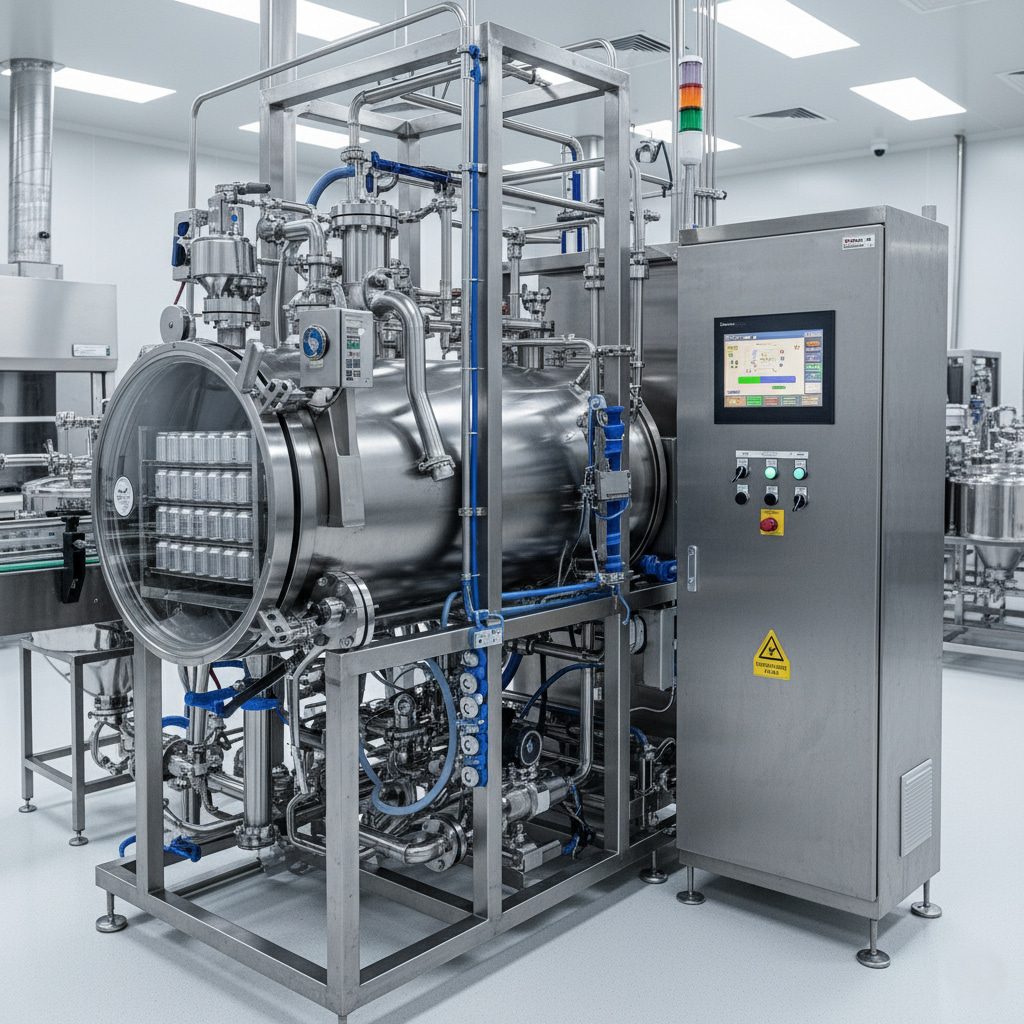
Equipment design supports compliance when it’s built for cleanability, traceable monitoring, and consistent performance from day one, not retrofitted after an audit finding. Sanitary design, smooth surfaces, minimal dead-legs, tri-clamp fittings, reduces the contamination risk that shows up repeatedly in FDA findings. Built-in monitoring and 21 CFR Part 11-compliant data logging give auditors the traceability they’re actually checking for.
Materials matter too: 316L stainless steel and other non-reactive, non-leaching materials prevent the equipment itself from becoming a contamination source. None of this is new guidance, but it’s exactly what keeps showing up as the gap in the equipment and monitoring failures driving nearly a third of recent warning letters.
What Are the Most Common cGMP Equipment Findings?
Four violation categories have topped FDA Form 483 findings every year since 2021: quality unit procedures, discrepancy investigation, written procedures, and lab controls (FDA Inspections, 2026). That consistency tells you these aren’t equipment defects so much as documentation and process-control gaps around the equipment.
Environmental and temperature monitoring failures specifically have grown almost 200% as a share of enforcement actions since 2021 (Certainty Software, 2026). That growth rate suggests inspectors are scrutinizing monitoring data more closely than they were a few years ago, not that equipment is failing more often, which changes how much monitoring documentation rigor actually matters at the design stage.
Where Is cGMP Equipment Used?
cGMP-compliant equipment spans the full pharmaceutical production chain: purified water and WFI systems, CIP/SIP cleaning systems, sterile processing lines, and storage/distribution infrastructure. Any component that contacts product, process water, or a sterile environment falls under cGMP scope, which is why equipment selection and validation planning need to happen together, not as separate procurement and compliance workstreams.
Frequently Asked Questions
What does cGMP stand for and why does the “current” matter?
cGMP stands for current Good Manufacturing Practice. The “current” signals that standards and expectations evolve, equipment and documentation practices compliant several years ago may not satisfy today’s monitoring and data integrity expectations.
What are the most common cGMP equipment-related FDA findings?
Quality unit procedures, discrepancy investigation gaps, written procedure deficiencies, and lab control failures have been the top four Form 483 violation categories every year since 2021, alongside a near-200% rise in monitoring-related findings since 2021.
What design features help equipment pass cGMP audits?
Sanitary design with minimal dead-legs, non-reactive materials like 316L stainless steel, and built-in 21 CFR Part 11-compliant monitoring and data logging address the documentation and traceability gaps that drive most current warning letters.