

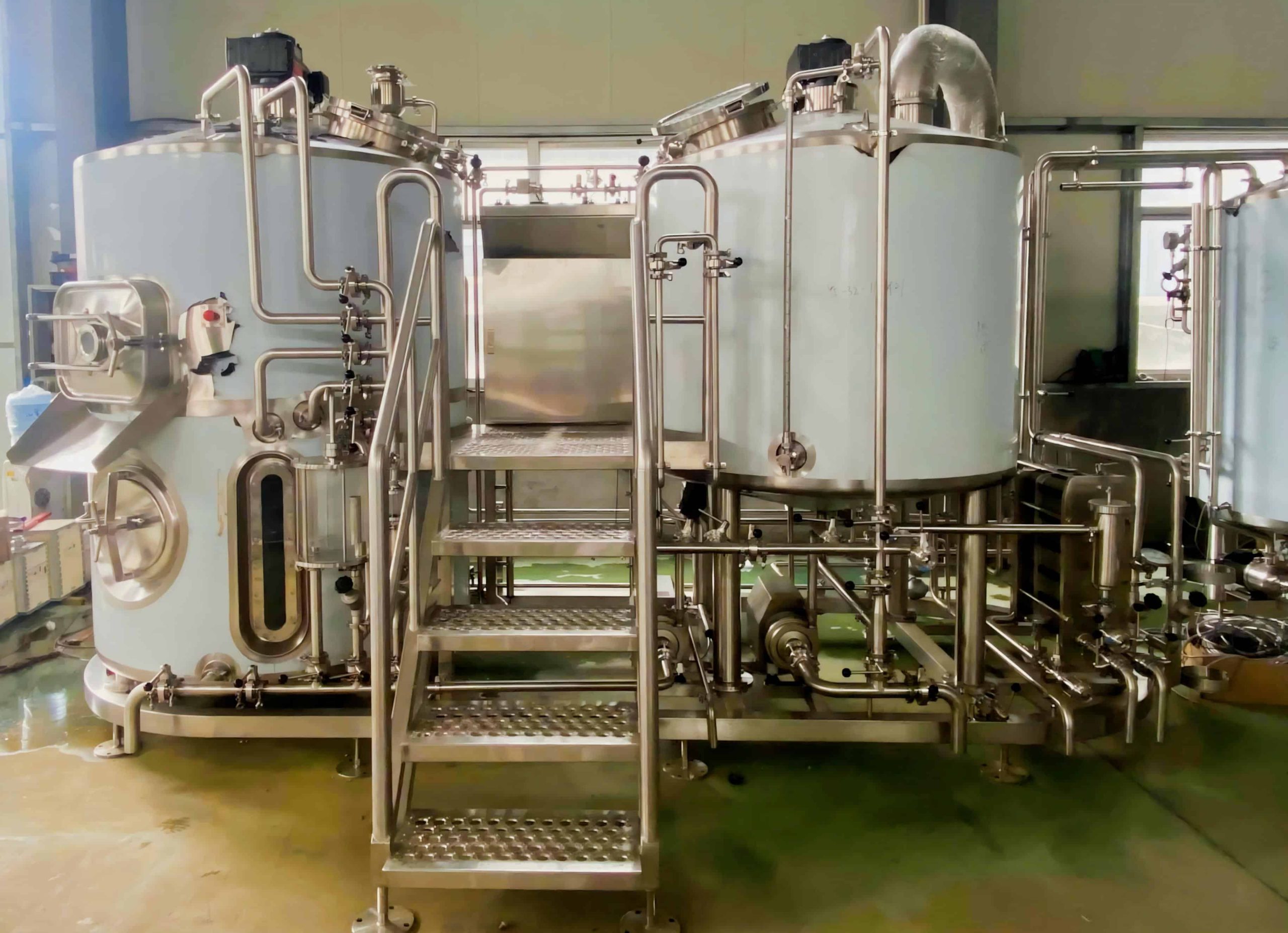
Overview of Brewing Equipment and Its Importance
Brewing equipment encompasses the specialized machinery and engineered systems utilized in the production of beer and other fermented beverages. This equipment enables precise control over biochemical processes, delivering consistency, quality, and efficiency in brewing operations. From small craft breweries to large-scale commercial production, brewing equipment represents a fundamental backbone of the entire brewing process, affecting each phase including mashing, boiling, fermenting, and packaging.
The modern brewing landscape demands equipment that not only meets stringent hygiene and safety standards but also integrates seamlessly with automation and water treatment technologies for optimized yield and taste. SKE & Eagle has established itself as an industry leader by incorporating engineering standards and system reliability into the manufacturing of advanced brewing equipment, reflecting a deep understanding of process workflows and material science.
In this article, we will systematically explore the engineering considerations, core components, and practical applications that define state-of-the-art brewing equipment. We will also discuss how associated technologies such as water treatment systems enhance product quality and process efficiency.
Engineering Design and Manufacturing Principles of Brewing Equipment
The design and production of brewing equipment demand strict adherence to hygienic design principles, materials compatibility, thermal dynamics, and process control engineering. Central to brewing system design is the requirement to withstand high temperature fluctuations, manage pressure differentials, and resist corrosion stemming from organic acids and cleaning chemicals.
SKE & Eagle manufactures components such as fermenters, brewing kettles, and heat exchangers with stainless steel 304 and 316L, known for their corrosion resistance and compliance with food-grade standards. Utilizing precision fabrication techniques including orbital welding and automated polishing ensures smooth surfaces that minimize microbial colonization and maintain product purity.
Fluid dynamics and heat transfer efficiency are critical. For example, plate heat exchangers designed and produced by SKE & Eagle optimize energy recovery during wort cooling phases, reducing operational costs while maintaining the integrity of temperature-sensitive biochemical reactions. Engineering models based on Computational Fluid Dynamics (CFD) simulations assist in optimizing the geometry of these systems to achieve uniform fluid distribution and minimal fouling.
Beyond materials and thermodynamic engineering, SKE & Eagle incorporates advanced sensors and control modules to ensure real-time monitoring of temperature, pressure, and flow rates. These integrated control systems enable brewers to maintain process parameters within narrowly defined tolerances critical for flavor consistency.
The production approach aligns with ISO 9001 quality management systems and incorporates thorough testing phases including hydrostatic pressure tests and non-destructive inspections to guarantee system integrity and operational safety.
Core Components and Their Functions within Brewing Systems
Brewing equipment comprises multiple interconnected components, each designed to perform distinct functions in the brewery’s overall workflow. Understanding the technical role of each element enables brewers to optimize process control and troubleshoot operational issues proactively.
Mash Tun
The mash tun is a vessel where milled grains steep in hot water to convert starches into fermentable sugars. Constructed from stainless steel with precise temperature control jackets, the mash tun requires uniform heating and agitation mechanisms to maximize enzymatic activity. Factors such as insulation thickness and heating surface area determine energy efficiency.
Lauter Tun
After mashing, the wort is separated from the spent grains in the lauter tun. This vessel includes a false bottom or slotted plate enabling liquid filtration while retaining solids. Proper design must prevent clogging and allow for uniform sparging—a process that rinses sugars thoroughly from grains.
Boil Kettle and Whirlpool
The wort is boiled in a kettling unit where hops are added for bitterness and aroma. Boiling ensures sterilization and deactivation of unwanted enzymes. Whirlpool functionality follows to separate hop residues and trub by centrifugal action, facilitated by optimized inlet piping and conical tank bottoms engineered by manufacturers like SKE & Eagle.
Fermentation Tanks
Fermentation vessels are arguably the most critical component, designed to maintain specific temperatures and pressures essential for yeast metabolism. These tanks incorporate cooling jackets and are often cylindrical-conical in shape to facilitate yeast collection and sediment removal.
SKE & Eagle’s expertise in fabricating fermentation tanks includes seamless integration of stainless steel refrigeration coils, tri-clamp fittings, and CIP (clean-in-place) systems, which meet the Exacting 3-A Sanitary Standards and other certifications vital for food applications.
Heat Exchangers
Heat exchangers rapidly cool wort post-boiling before fermentation. Plate heat exchangers engineered by SKE & Eagle use robust titanium or stainless-steel plates minimizing fouling and enabling efficient sanitation cycles.
Pumps and Valves
Industrial-grade pumps and valves control flow rates and system pressure, designed to withstand corrosive wort and cleaning chemicals. These components must provide precise flow control and rapid responsiveness to prevent oxidation or contamination.
Collectively, these components form an integrated brewing system whose optimally engineered interplay defines product quality, throughput, and operational sustainability.
Integration of Advanced Water Treatment for Brewing Applications
Water quality critically influences the taste, stability, and safety of beer. Given that water constitutes over 90% of beer’s composition, precise water treatment and control become indispensable in brewing operations. Impurities such as chlorine, chloramine, iron, and hardness ions can impart off-flavors or inhibit yeast performance.
SKE & Eagle offers tailored water treatment solutions designed to meet the stringent requirements of brewery water specifications. Their advanced membrane filtration systems, including reverse osmosis and ultrafiltration modules, ensure removal of unwanted contaminants while preserving essential minerals that contribute to beer profile.
Pre-treatment stages utilizing multimedia filtration, activated carbon, and ion exchange resins are often integrated to optimize raw water quality before entering the brewing circuit. The design of these water treatment plants considers hydraulic throughput, recovery efficiency, and sustainable chemical usage.
Integration of water quality sensors enables continuous real-time monitoring, facilitating automated adjustments and ensuring process water consistently meets the defined parameter set points. These systems comply with NSF/ANSI 61 drinking water standards vital for public safety.
The collaboration of water treatment and brewing equipment highlights the holistic engineering approach that professionals at SKE & Eagle apply—linking product quality with system reliability and operational longevity.
Criteria for Selection and Customization of Brewing Equipment
Selection of brewing equipment is a multi-faceted decision-making process involving technical, economic, and regulatory factors. Equipment performance specifications must align with a brewery’s production scale, beverage portfolio, and process automation ambitions.
Capacity and Scalability: Equipment sizing affects capital investment and operational flexibility. Smaller vessels suit craft operations, while modular designs support scalability in growing breweries. Capacity planning must include future throughput requirements to avoid premature obsolescence.
Material and Surface Finish: Choosing between stainless steel grades, surface finishes, and weld types impacts hygiene, durability, and corrosion resistance. Electropolished finishes reduce surface roughness and help meet stringent cleaning protocols, factors expertly managed in SKE & Eagle manufacturing.
Automation Compatibility: Integration of programmable logic controllers (PLCs), sensors, and data acquisition facilitates process consistency and traceability. Equipment designed with intelligent interfaces supports Industry 4.0 initiatives in modern breweries.
Compliance with Standards: Selection requires alignment with local and international standards such as ASME Boiler and Pressure Vessel Code, 3-A Sanitary Standards, and GMP. Vendors like SKE & Eagle ensure their product lines are designed and documented in accordance with these regulatory frameworks.
Maintenance and Serviceability: Ease of cleaning, inspection ports, and modular parts reduce downtime and total cost of ownership. Selecting equipment with comprehensive technical support and customizable configurations is critical for long-term operational success.
SKE & Eagle’s consultancy during equipment selection offers engineering-driven customization, focusing on optimizing brewing processes and ensuring reliable performance aligned with client-specific requirements.
Compliance, Quality Assurance, and Maintenance in Brewing Equipment
To maintain operational safety and beer quality, brewing equipment must comply with rigorous compliance and quality assurance protocols. Certification bodies, process audits, and standardized testing frameworks play essential roles in verifying integrity.
Sanitary Design Compliance: 3-A Sanitary Standards and EHEDG guidelines govern equipment design to prevent contamination risk. Components must feature smooth welds, no dead legs, and be easily cleanable with CIP systems. SKE & Eagle adheres to these foundations in all manufacturing stages.
Pressure Vessel Certification: Brewing tanks and kettles operate under pressure and temperature cycles, necessitating adherence to ASME and PED (Pressure Equipment Directive) standards. These certifications ensure weld quality, structural integrity, and safety margins are met.
Material Traceability and Documentation: Traceability from raw materials to finished systems ensures that all components are certified and audit-compliant. SKE & Eagle maintains extensive documentation, including mill test reports, welding procedures, and inspection records.
Maintenance Best Practices: Brewing equipment demands routine inspections, cleaning, and preventive maintenance. Scheduled replacement of gaskets, frequent calibration of sensors, and corrosion monitoring are critical. SKE & Eagle supports clients with maintenance guidelines that optimize uptime.
Operational Training and Safety: Comprehensive training programs enhance operator understanding of equipment function and safety protocols, minimizing human errors and operational risks.
Combined, these measures form a framework that fosters trustworthiness and operational excellence required by modern breweries.
Emerging Innovations and Sustainable Practices in Brewing Technology
The brewing industry is actively incorporating innovative technologies and sustainable engineering practices to improve efficiency, reduce environmental impact, and enhance product quality. Research and development continue to evolve brewing equipment capabilities.
Energy Recovery Systems: Technologies like heat recovery from boiling and fermentation stages capture waste heat and redirect it to preheat water or maintain fermentation temperatures, reducing overall energy consumption. SKE & Eagle integrates these principles into system design to improve sustainability.
Automation and Data Analytics: As breweries adopt smart manufacturing, brewing equipment is increasingly equipped with IoT-enabled sensors, enabling predictive maintenance and process optimization through big data analytics.
Water Conservation Techniques: Advanced water recycling and zero-liquid discharge plants reduce freshwater consumption and wastewater workloads. These systems are critical in regions facing water scarcity, and SKE & Eagle’s water treatment expertise facilitates integration with brewery processes.
Material Innovation: Research into antimicrobial coatings and alternative sustainable materials aims to improve hygiene and reduce the environmental footprint of equipment production and disposal.
Modular and Flexible Designs: To respond quickly to market demand changes, modular brewing equipment allows easy reconfiguration and scaling, increasing production agility without large capital investments.
These advances underscore the importance of selecting an engineering partner able to embed cutting-edge innovations while maintaining the reliability and quality demanded by commercial breweries.
Frequently Asked Questions about Brewing Equipment
What is the primary function of brewing equipment in beer production?
Brewing equipment facilitates the controlled transformation of raw ingredients into beer by managing temperatures, pressure, mixing, fermentation, and filtration processes. It ensures consistency, safety, and efficiency in beer production.
How does water treatment integrate with brewing equipment?
Water treatment systems prepare and purify water to brewing-grade quality, removing impurities that can affect taste and fermentation. These systems often integrate upstream of brewing equipment, enabling optimized processes and consistent beer quality.
What materials are best suited for brewing equipment manufacturing?
Stainless steel grades 304 and 316L are preferred for brewing equipment due to their corrosion resistance, hygienic properties, and compliance with food safety standards. Proper surface finishes and welding techniques further enhance durability and sanitation.
What standards must brewing equipment comply with?
Brewing equipment typically complies with standards such as the ASME Boiler and Pressure Vessel Code, 3-A Sanitary Standards, EHEDG guidelines, and local food safety regulations. These ensure design safety, hygiene, and functional reliability.
How can SKE & Eagle support breweries in selecting optimal brewing equipment?
Leveraging deep technical expertise and manufacturing capabilities, SKE & Eagle consults on equipment customization, system integration, and water treatment solutions tailored to each brewery’s scale and product goals, ensuring quality and reliability.
Contact SKE & Eagle for Engineering-Driven Brewing Solutions
For breweries seeking trusted partners in advanced brewing equipment manufacturing and water treatment integration, SKE & Eagle offers unmatched engineering expertise and precision fabrication capabilities. Connect with our specialists to discuss your project requirements.
Follow us on Facebook: SKE & Eagle on Facebook
Email us directly at: info@ske-eagle.com
Or reach out via the contact form at the bottom of any page on our website.