

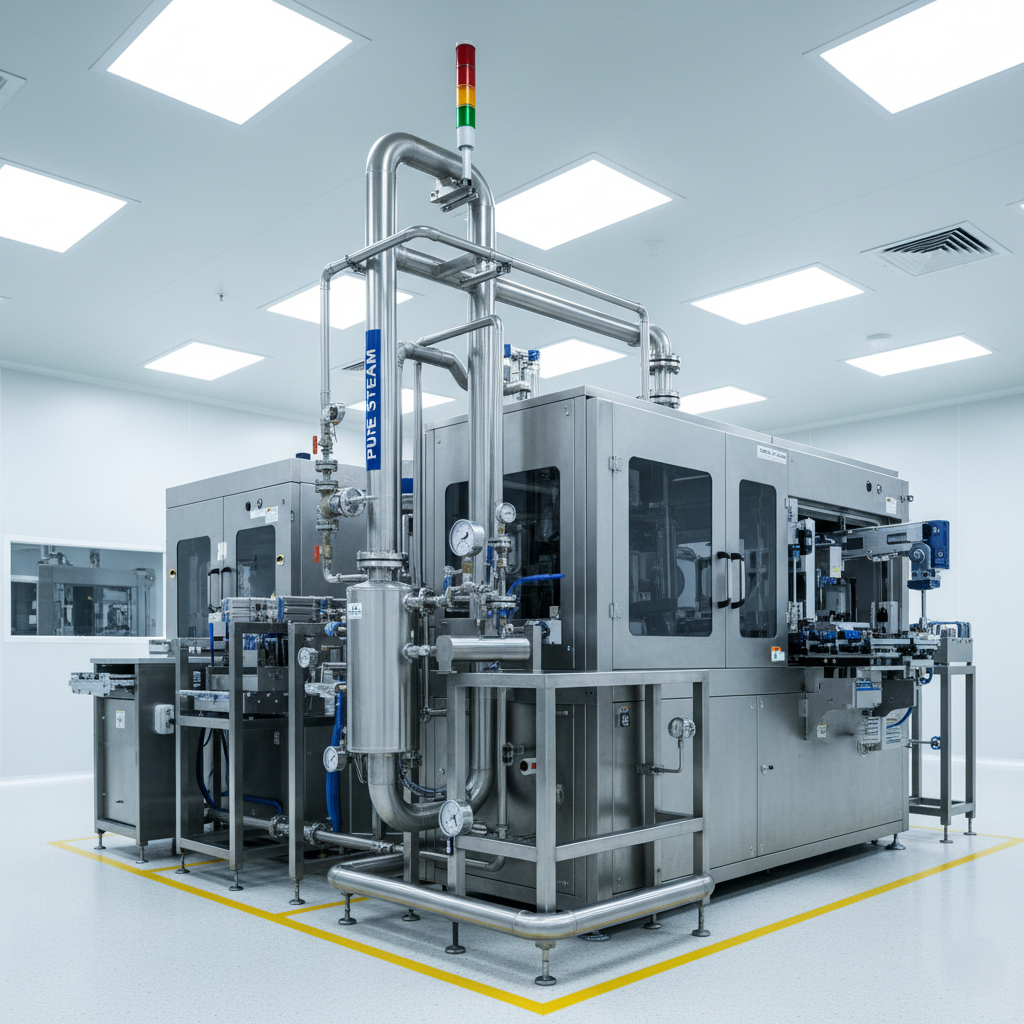
Overview of Brewing System Manufacturers
Brewing systems are specialized manufacturing assemblies designed to facilitate the complex biochemical and physical processes of brewing beer and other fermented beverages.
A brewing system manufacturer is an engineering-driven company focused on delivering integrated solutions covering fermentation, filtration, temperature control, cleaning-in-place (CIP), and packaging workflows.
The industrial brewing market demands precision, reliability, and scalable manufacturing practices combined with deep technological understanding.
Leading brewing system manufacturers, such as SKE & Eagle, integrate advanced manufacturing techniques with comprehensive process engineering.
These companies serve craft breweries to large-scale production facilities, providing turnkey systems or customized components tailored to specific applications.
The manufacturing scope spans pressure vessels, heat exchangers, temperature control units, pumps, automation software, and integrated water treatment systems.
Understanding this breadth is essential for stakeholders aiming to optimize brewing consistency, cycle time, and scalability.
At its core, brewing system manufacturing is a fusion of chemical engineering, mechanical fabrication, process automation, and rigorous quality management.
This ensures that brewers can maintain control over variables like fermentation temperature, fluid dynamics, and sanitation standards to produce consistent high-quality products.
Modern brewing system manufacturers also incorporate sustainability principles with energy-efficient system designs and wastewater treatment solutions to comply with evolving environmental regulations.
Such holistic engineering approaches demonstrate leadership in delivering future-ready brewing infrastructure.
Engineering Standards and Design Principles
The backbone of reliable brewing system manufacture lies in rigorously applied engineering standards and design principles.
A brewing system manufacturer must adhere to international codes such as ASME Boiler and Pressure Vessel Code, 3-A Sanitary Standards, and industry-specific certifications.
Pressure Vessel Integrity: Brew kettles, fermenters, and brite tanks are typically pressure-rated vessels. Compliance with ASME or PED (Pressure Equipment Directive) standards ensures safety and longevity.
This requires precise calculation of wall thickness, welding quality, and materials traceability.
Sanitary Design: Hygienic design eliminates contamination risk. Features include smooth surfaces, crevice-free welds, proper slope angles for drainage, and sanitary fittings.
Manufacturers like SKE & Eagle emphasize these design elements, aligning with 3-A standards to guarantee product purity and ease of cleaning.
Thermal Management: Efficient temperature control minimizes fermentation inconsistencies. Heat exchangers and jackets often use advanced stainless steel alloys for corrosion resistance and heat transfer.
Design simulations such as Computational Fluid Dynamics (CFD) help predict thermal gradients ensuring uniform temperature distribution.
Automation and Process Control: Integration of programmable logic controllers (PLCs), sensors, and actuators enables precise control over parameters such as temperature, flow rates, and pressures.
Systems with intuitive HMI (Human Machine Interface) software allow brewers to automate and monitor entire batches, enhancing repeatability.
Material Selection: 316L stainless steel is the industry standard for wetted surfaces due to its excellent corrosion resistance and cleanability.
Depending on the application, manufacturers may also employ food-grade polymers and advanced coatings to optimize durability and safety.
Manufacturers with proven engineering competence, such as SKE & Eagle, prioritize rigorous testing including hydrostatic, dye penetrant, and ultrasonic inspections to ensure complete integrity before delivery.
Manufacturing Capabilities and Technology Integration
The complexity of brewing systems requires manufacturers to maintain advanced fabrication facilities, combining traditional craftsmanship with modern automation.
Key manufacturing capabilities include precision welding (orbital TIG welding), CNC machining, sheet metal fabrication, and quality surface finishing.
Welding integrity is imperative to prevent leaks and maintain sanitary conditions. Orbital welding allows consistent, automated welds that meet stringent quality demands.
SKE & Eagle utilizes advanced orbital welding processes to achieve uniform bead profiles and minimize post-weld contamination risk.
Computer Numerical Control (CNC) machinery enables precise cutting, milling, and drilling for custom fittings and components. This precision contributes directly to system modularity and ease of field assembly.
Surface finishing processes such as electropolishing remove surface contaminants and microscopically smooth metal surfaces to enhance cleanability and corrosion resistance.
This treatment is critical in parts exposed to wort and beer to prevent bacterial adherence and ensure product stability.
Beyond metal fabrication, manufacturing of automated control panels and integration of sensors, valves, and communication modules demand electronic engineering expertise.
Integrated systems reduce installation complexity and provide robust interfaces for operation.
The ability to engineer custom solutions tailored for batch size, beer style, and facility layout distinguishes high-caliber manufacturing enterprises.
Manufacturers who invest in Research & Development (R&D), prototyping, and testing labs ensure continuous innovation and system optimization aligned with market trends.
For example, SKE & Eagle’s water treatment technologies integrated within brewing systems reflect cross-disciplinary manufacturing capability that improves overall brew quality by optimizing water purity and consistency.
Water Treatment Solutions for Brewing Systems
Water constitutes up to 90% of beer by volume and directly impacts flavor, stability, and process efficiency.
A brewing system manufacturer often incorporates specialized water treatment components to condition water for brewing, cleaning, and wastewater treatment.
Typical brewing water treatment steps include
filtration, softening, pH adjustment, and disinfection.
Filtration removes suspended solids and sediments that could affect clarity.
Ion exchange systems reduce hardness that can cause scaling in equipment and alter flavor profiles.
Reverse osmosis (RO) systems provide precision removal of dissolved salts and impurities, allowing brewers to replicate water profiles ideal for specific beer styles.
This precise control of ion concentration supports consistency in the final product.
Effective water treatment also ensures system longevity. Scale deposits and microbiological growth can degrade heat exchangers, fermenters, and piping.
Integrating these treatment solutions minimizes maintenance cost and downtime.
Manufacturers like SKE & Eagle leverage decades of process engineering experience to deliver turnkey water treatment equipment perfectly matched to brewing operations.
Their modular water treatment systems can be customized to brewery size and raw water quality.
Additionally, compliance with environmental standards is a growing priority. Advanced wastewater treatment solutions reduce effluents that breweries release, addressing regulatory compliance and environmental stewardship.
By embedding water treatment expertise into brewing system design, manufacturers elevate product quality and operational reliability simultaneously.
System Reliability, Quality Assurance, and Compliance
Brewing systems operate under demanding conditions that require peak reliability to avoid production losses and contamination risks.
Reliable system performance is achieved through rigorous quality assurance (QA), preventive maintenance design, and adherence to relevant compliance standards.
Quality control begins from raw material procurement, where certified stainless steel with mill test reports ensures traceability.
Process documentation for each system component, including weld maps, non-destructive testing (NDT) results, and surface finish certificates, builds a complete quality dossier.
Manufacturers perform comprehensive factory acceptance testing (FAT) and site acceptance testing (SAT) to validate operational parameters including pressure retention, temperature control accuracy, and automation functionality.
These tests reveal potential system issues early, allowing corrective action before commissioning.
Compliance with safety and sanitation norms such as OSHA regulations, 3-A Sanitary standards, and FDA guidelines maintains end-user confidence and facilitates regulatory audits.
Certification adherence further demonstrates technical authority and manufacturing discipline.
Design features improving reliability often include built-in redundancy for critical process loops, ease of access for cleaning and maintenance, and corrosion-resistant materials.
Intelligent systems can provide predictive maintenance alerts based on sensor outputs, preventing unplanned downtime.
SKE & Eagle’s adherence to exacting engineering and manufacturing standards exemplifies how integrating quality assurance into every stage guarantees maximum uptime and consistent brewing performance.
Selection Criteria for Brewing System Manufacturers
Selecting a brewing system manufacturer is a strategic decision impacting operational efficiency, product quality, and scalability.
Key evaluation criteria include:
- Technical Competence: Proven engineering expertise in pressure vessel design, automation, and sanitary construction.
- Customization Capability: Ability to develop tailored solutions that address brewery size, beer style, and facility layout.
- Manufacturing Quality: Certifications, testing protocols, and quality control documentation confirming manufacturing integrity.
- After-Sales Support: Availability of commissioning assistance, spare parts, and maintenance services.
- Innovative Integration: Incorporation of novel technologies such as advanced water treatment, IoT-enabled control systems, and energy-efficient designs.
- Environmental Compliance: Commitment to sustainability through waste management solutions and efficient water usage.
- Industry Reputation: References, project portfolio, and published case studies.
SKE & Eagle’s comprehensive offerings cover not only main brewing equipment but also integrated water treatment and advanced automation systems,
making them a preferred choice for breweries seeking holistic system partners.
Evaluating manufacturer alignment with brewery goals and long-term growth plans ensures the greatest return on investment and operational success.
Current Industry Trends and Innovations
The brewing equipment manufacturing sector continuously evolves through technological and environmental innovation.
Several key trends shaping the field include:
Automation and Digitalization: Increased adoption of IoT, data analytics, and cloud-linked control systems enhances batch traceability, process optimization, and remote management.
Real-time monitoring using smart sensors improves quality control and operational decision-making.
Energy and Resource Efficiency: Modern brewing systems incorporate heat recovery, variable speed drives, and optimized water usage to minimize energy consumption.
Water treatment and recycling systems become essential components to meet sustainability targets.
Modular Systems: Prefabricated modular brewing units allow rapid scalability and easier site installation.
This trend supports the growing craft beer market needing flexible solutions.
Advanced Materials: Use of antimicrobial coatings, composite materials for insulation, and next-generation stainless steel alloys improve durability and sanitation.
Process Intensification: Innovations in fermenter design such as conical fermenters with enhanced mixing and conditioning capabilities speed production cycles without compromising quality.
Manufacturers who incorporate these trends, including SKE & Eagle, provide breweries with competitive advantages in efficiency, compliance, and product consistency.
Frequently Asked Questions
What are the main components supplied by a brewing system manufacturer?
A brewing system manufacturer typically supplies key components including fermenters, brite tanks, brew kettles, heat exchangers, pumps, and automation control panels, often integrated with water treatment and cleaning systems to ensure product quality and operational efficiency.
Why is water treatment important in brewing systems?
Water treatment ensures removal of impurities, optimal mineral content, and microbial control which directly affect beer flavor, clarity, and stability. Integrated water treatment by a brewing system manufacturer also protects equipment from scaling and corrosion.
How do brewing system manufacturers ensure sanitary conditions?
Manufacturers implement sanitary design principles by using 316L stainless steel, smooth welds, crevice-free designs, proper drainage slopes, and 3-A compliant fittings. These ensure easy cleaning and prevent microbial contamination.
What factors should be considered when selecting a brewing system manufacturer?
Important factors include technical expertise, customization capability, manufacturing quality, after-sales service, integration of innovative technologies, environmental compliance, and reputation in the brewing industry.
How does SKE & Eagle differentiate itself as a brewing system manufacturer?
SKE & Eagle offers a fusion of engineering excellence, advanced manufacturing techniques, and integrated water treatment solutions, providing robust and customized brewing system solutions aligned with stringent quality, reliability, and sustainability standards.
Contact SKE & Eagle for Expert Brewing System Solutions
For specialized brewing system manufacturing expertise, water treatment integration, and engineered solutions tailored to your brewery’s needs, we invite you to connect with the SKE & Eagle team.
Visit our contact page to fill out the inquiry form or reach us via email and social media:
- Email: info@ske-eagle.com
- Facebook: SKE & Eagle Facebook
Our team strives to support your brewing innovation journey with professional guidance and practical engineering solutions.