

Introduction to Sterilization in Place Equipment
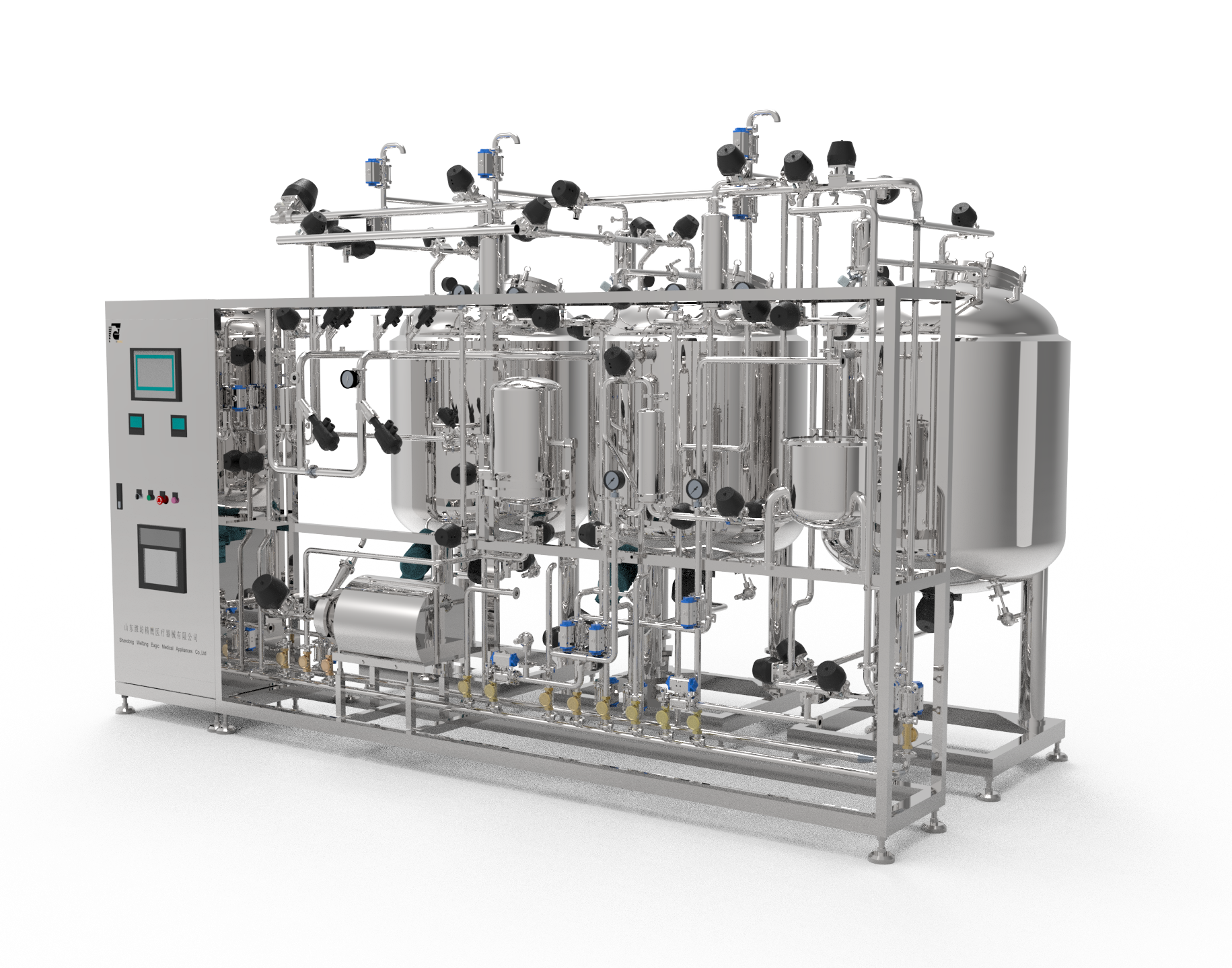
Sterilization in place equipment represents a critical component within the processing facilities of pharmaceutical, biotechnology, food and beverage, and water treatment industries. The sterilization in place (SIP) equipment approach allows facilities to sterilize process vessels, piping, and systems without the need for disassembly, significantly reducing downtime and minimizing contamination risks.
Modern SIP technology integrates engineering precision with stringent regulatory compliance, emphasizing system reliability, repeatability, and process control. Recognizing the role of advanced materials and automation, companies like SKE & Eagle contribute design innovations and produce robust sterilization systems tailored to water treatment and critical processing environments. Their engineering philosophy embraces rigorous quality standards and system dependability, ensuring optimal sterilization performance while supporting environmental and operational sustainability.
This comprehensive guide explores the fundamentals, engineering considerations, industry standards, and practical insights related to sterilization in place equipment. For engineers and plant operators, understanding the nuances of SIP systems helps optimize process safety, efficiency, and compliance.
Types and Configurations of Sterilization in Place (SIP) Equipment
Various configurations of sterilization in place equipment exist, each suited to different system layouts, process volumes, and sterilization requirements. The key types include:
| SIP System Type | Sterilization Medium | Core Advantages | Application Scenarios |
| Steam-Based SIP System | Saturated Steam | Rapid heat transfer, thorough sterilization, cost-effective | Pharmaceutical reactors, food & beverage pipelines, systems without heat-sensitive components |
| Chemical Sterilization SIP System | Hydrogen Peroxide / Peracetic Acid / Sodium Hypochlorite | Low-temperature sterilization, compatible with heat-sensitive materials | Biotechnology fermenters, equipment containing plastic components |
| Hybrid System | Steam + Chemical Agents | Wide sterilization coverage, flexible adaptation to complex processes | Industrial water treatment, process systems with multi-material combinations |
Engineers must carefully evaluate the process conditions to select the appropriate SIP configuration. SKE & Eagle’s industrial water treatment technologies often integrate with steam-based SIP systems for critical surface sterilization combined with water purification processes.
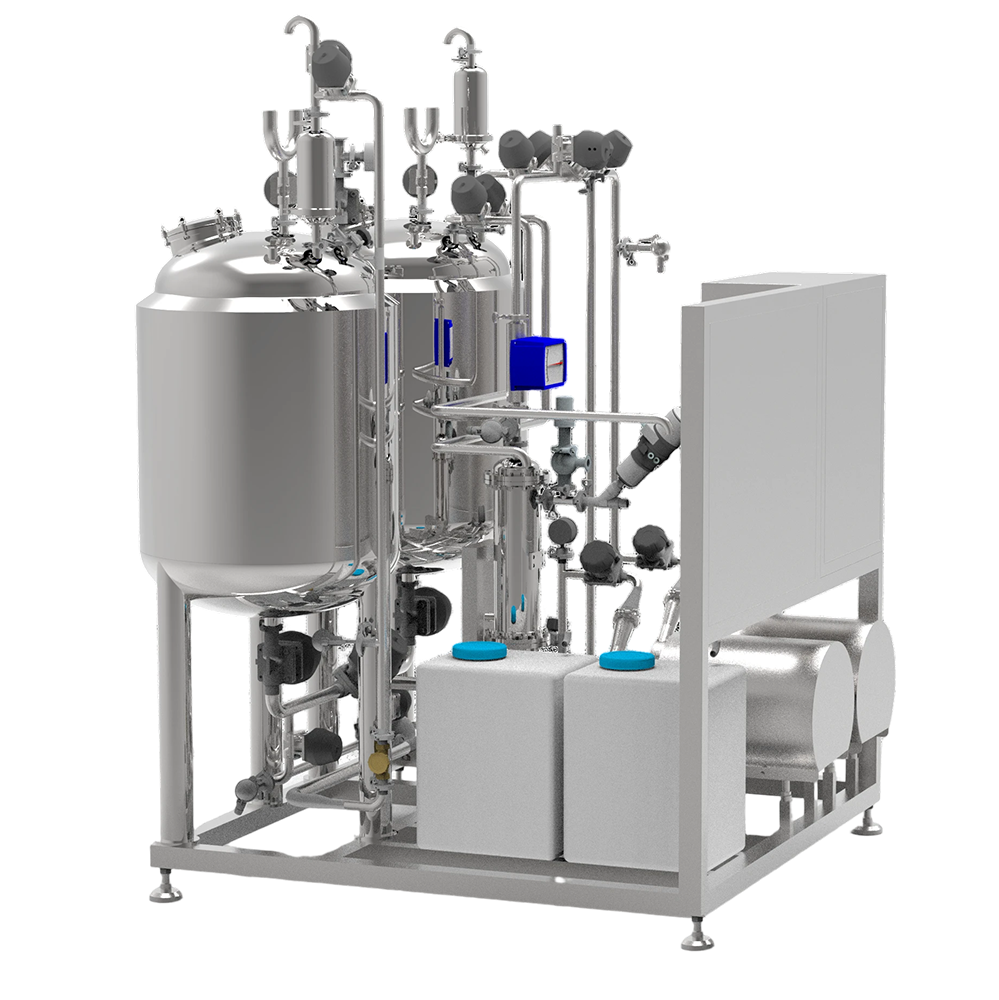
The equipment itself consists of an array of core components: steam generators or sterilant dosing tanks, insulated stainless steel piping, automated control valves, safety and pressure relief devices, temperature sensors, and programmable logic controllers (PLCs). Some advanced SIP systems also feature double-jacketed vessels for improved heat retention and precise temperature control.
Design and Engineering Principles of SIP Systems
At the heart of any effective sterilization in place equipment is sound engineering design founded on thermodynamics, fluid mechanics, and materials science. Optimal SIP systems maintain consistent temperature and pressure profiles throughout the sterilization cycle to ensure microbial lethality and process validation.
Thermodynamic Considerations
Steam sterilization relies on maintaining saturated steam conditions—typically 121°C to 134°C at pressures of 1 to 3 bar gauge—to achieve sterilization cycles lasting 15 to 60 minutes, depending on the load. The steam’s latent heat provides rapid and uniform heat distribution; however, system design must accommodate challenges such as adequate condensate drainage and avoiding dry spots.
Engineering designs incorporate instrumentation for temperature mapping and heat distribution verification. These data support compliance with sterilization cycles conforming to validated protocols.
Material Selection and Construction
Stainless steel, primarily types 304L and 316L, forms the backbone of SIP equipment construction due to its corrosion resistance, smooth surface finish, and capability to withstand repeated sterilization cycles. Surface finish quality affects biofilm formation risks and cleaning efficacy; thus, standards such as SKE & Eagle’s quality assurance guidelines emphasize stringent surface treatment and weld quality.
Automation and Controls Engineering
Modern SIP systems integrate advanced automation via PLCs and SCADA interfaces to control heating rates, sterilant flow, cycle timing, and system safety interlocks. This level of control supports real-time monitoring, alarm management, and process documentation—a necessity for validated sterilization cycles.
Process engineers must collaborate closely with control system engineers to ensure that sensor placement and valve actuation provide reliable and repeatable cycle control.

Practical Applications and Use Cases in Industry
Sterilization in place equipment finds primary applications within industries demanding hygienic processing conditions:
- Pharmaceutical Manufacturing: SIP systems sterilize reactors, tanks, and piping, assuring aseptic conditions for sterile drug production.
- Biotechnology: Critical for fermenter and downstream processing equipment sterilization, preventing contamination in sensitive biologic workflows.
- Food and Beverage: Used to sterilize processing vessels and pipelines, facilitating extended shelf life and product safety.
- Industrial Water Treatment: Ensures sterilization and sanitization of reverse osmosis systems and municipal water distribution networks.
For example, SKE & Eagle’s water treatment solutions incorporate SIP technologies within their modular system designs to enhance microbial control in industrial-scale water purification.
Case studies reveal substantial decreases in contamination-related downtime when SIP protocols are integrated with automated system controls and validated sterilization cycles.
Regulatory Compliance and Operational Standards
Compliance with regulatory frameworks is paramount to valid sterilization in place operations. Key standards and guidelines include:
- FDA 21 CFR Part 11: Governs electronic records and signatures, impacting SIP cycle data logging and validation.
- GMP (Good Manufacturing Practice): Mandates sterilization validation and process control as part of facility operational procedures.
- ISO 13485: Pertains to medical device manufacturers requiring validated sterilization methods.
- ASME BPE Standards: Provide design criteria for bioprocessing equipment ensuring hygienic and sterile systems.
Operationally, SIP systems require routine validation, including installation qualification (IQ), operational qualification (OQ), and performance qualification (PQ) to verify sterilization efficacy and process reproducibility.
Interfacing these standards with manufacturing engineering practices ensures sustainable system operation with traceable documentation. Companies such as SKE & Eagle maintain high engineering standards tailored to meet these exacting demands.
Selection Criteria and Maintenance Best Practices
Choosing the right sterilization in place equipment involves evaluating:
- Process Compatibility: Compatibility with process fluid characteristics and vessel design.
- Throughput Requirements: Systems sized to meet sterilization cycle time and volume demands.
- Material Compatibility: Including corrosion resistance and CIP (clean-in-place) tolerance.
- Integration Capability: Ability to interface with existing control systems and water treatment units.
Additionally, maintenance protocols emphasize scheduled inspection of:
- Instrumentation calibration (temperature, pressure sensors)
- Valve integrity and leak testing
- Steam trap and condensate return systems
- Surface cleaning and sterilant residue verification
Proper maintenance preserves the reliability and safety of SIP systems. Preventive and predictive maintenance methodologies reduce unplanned outages and extend equipment life.
SKE & Eagle’s engineering support includes comprehensive maintenance guidelines, including on-site training and remote monitoring services to support clients’ SIP performance management.
Frequently Asked Questions (FAQ)
What is sterilization in place equipment and how does it differ from clean in place (CIP)?
Sterilization in place equipment is designed to sterilize process equipment and piping systems without disassembly by using steam or chemical agents to kill all microorganisms, including spores. Clean in place (CIP) systems focus on removing soil and residues but do not necessarily sterilize or kill all microbial life. SIP follows CIP to ensure aseptic conditions.
What industries most commonly utilize sterilization in place equipment?
SIP equipment is predominantly used in pharmaceutical, biotechnology, food and beverage, and industrial water treatment industries where maintaining aseptic process conditions is critical.
Are there alternatives to steam sterilization in SIP systems?
Yes. Chemical sterilization using agents like hydrogen peroxide or peracetic acid serves as an alternative for heat-sensitive equipment or processes. Hybrid systems may also combine steam and chemicals depending on application requirements.
How does SKE & Eagle ensure high quality in their sterilization in place equipment?
SKE & Eagle uphold rigorous engineering and manufacturing standards, utilizing corrosion-resistant materials and advanced controls. Their emphasis on system reliability and integration with water treatment systems ensures effective sterilization aligned with industry compliance and performance expectations.
Connect with SKE & Eagle for Expert Sterilization Solutions
For customized system engineering solutions or integration of high-performance water treatment technologies, please contact SKE & Eagle. Our professional team collaborates closely with industrial partners to design, implement, and maintain solutions tailored to your operational needs.
Contact Email: info@ske-eagle.com
Social Media: Follow our Facebook page for the latest updates and industry insights.
Business Inquiries: Visit our official website and submit the contact form at the bottom.