

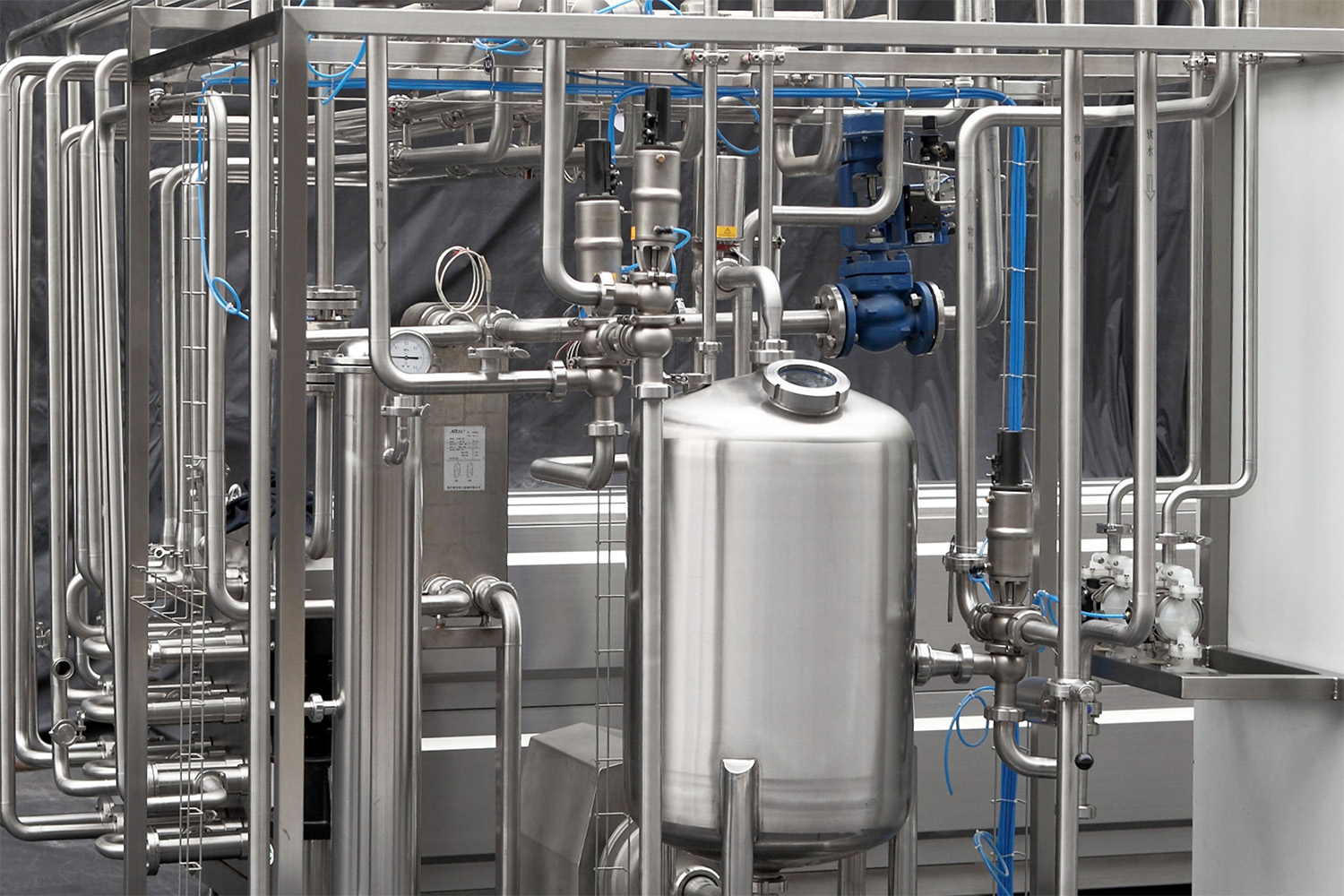
A steam sterilizer is an important part of pharmaceutical manufacturing. It helps control microbial contamination on equipment, components, and product-contact surfaces. In pharmaceutical water systems, steam sterilization also supports the cleaning and sanitization of storage tanks, pipelines, and other critical equipment.
However, steam sterilization is not the only way to control microorganisms in pharmaceutical water systems. Depending on the system design, manufacturers may use hot water circulation, pure steam, or chemical sanitization. Each method has a different purpose and must be properly controlled.
Understanding these differences is important when selecting pharmaceutical water treatment and sterilization equipment. This guide explains how steam sterilizers work, how pure steam supports steam-in-place (SIP) systems, and where tubular high temperature sterilizers fit into pharmaceutical production.
What Is a Steam Sterilizer?
A steam sterilizer is equipment that uses saturated steam under pressure to destroy microorganisms, including bacteria, fungi, and bacterial spores. It is commonly used in pharmaceutical facilities, hospitals, laboratories, and biotechnology production.
The basic principle is that steam transfers heat to the surfaces and materials being treated. When the required temperature is maintained for a validated period, microorganisms are inactivated.
Common reference temperatures for steam sterilization include 121°C and 132°C. However, the required exposure time depends on the equipment, load type, packaging, and sterilization process. A temperature of 121°C for 15 minutes is a familiar reference condition, but it is not a universal sterilization cycle for every application.
The Role of Steam Sterilizers in Pharmaceutical Water Systems
Pharmaceutical water systems must maintain strict microbiological control throughout water generation, storage, and distribution.
Purified Water (PW) and Water for Injection (WFI) must meet the applicable pharmacopoeial requirements for their intended use. Microbial growth, biofilm formation, and bacterial endotoxins are important concerns, especially in systems used for sterile pharmaceutical production.
A steam sterilizer supports this control by treating equipment and components that come into contact with pharmaceutical water or products.
Typical applications include:
1. Storage tank sterilization
Pharmaceutical water storage tanks must be designed to prevent contamination. Depending on the system design, their internal surfaces can be treated using validated pure steam SIP procedures.
2. Pipeline and distribution system sanitization
Distribution pipelines can provide suitable conditions for microbial growth if water becomes stagnant or system design is poor. Hot water circulation or pure steam sanitization may be used to control this risk.
3. Filter housing and component sterilization
Certain filter housings, valves, and removable components can be sterilized using steam when their materials and design are suitable for the required conditions.
4. Equipment and product-contact surface sterilization
Steam sterilization is also used for equipment and components that require a controlled microbial state before production begins.
It is important to understand that a batch steam sterilizer does not replace the sanitization strategy of a complete pharmaceutical water system. The water generation and distribution system needs its own suitable microbial control measures.
Pure Steam Generation and Steam-in-Place (SIP)
Pure steam is particularly important in pharmaceutical facilities because it can be used to sterilize product-contact surfaces without introducing unsuitable boiler additives.
Unlike ordinary plant steam, pure steam is generated from appropriately treated feedwater in a dedicated pure steam generator. The generator and distribution system must be designed to provide steam that meets the quality requirements of its intended application.
When pure steam is used directly for sterilization, its quality must be controlled to prevent contamination.
How Does SIP Work?
Steam-in-place (SIP) is a method of sterilizing equipment without removing it from its installed position.
Instead of taking a storage tank or pipeline to a separate autoclave, the system supplies pure steam directly into the equipment. Steam moves through the internal surfaces and transfers heat to the areas that need treatment.
A typical SIP process includes the following stages:
- Preparation: The equipment is cleaned, and the system is prepared for sterilization.
- Air removal: Air is removed to allow effective steam contact.
- Steam supply: Pure steam enters the tank, pipeline, or equipment.
- Temperature control: Temperature and pressure are monitored at selected locations.
- Exposure: The required sterilization conditions are maintained for the validated period.
- Cooling and protection: The system is cooled under controlled conditions and protected from contamination before use.
Good SIP design requires more than simply connecting a steam supply. Pipelines must have suitable slopes and drainage points so that condensate does not collect in low areas.
Temperature sensors should also be placed at locations identified through risk assessment and validation. These locations help confirm that the most difficult areas to heat receive the required treatment.
For pharmaceutical manufacturers, a properly designed SIP system can improve microbial control, reduce manual handling, and support repeatable production conditions.

Tubular High Temperature Sterilizers for Continuous Fluid Processing
A steam sterilizer is suitable for equipment, components, and certain sealed liquid loads. However, some pharmaceutical manufacturing processes require continuous thermal treatment of flowing liquids.
This is where a tubular high temperature sterilizer can be useful.
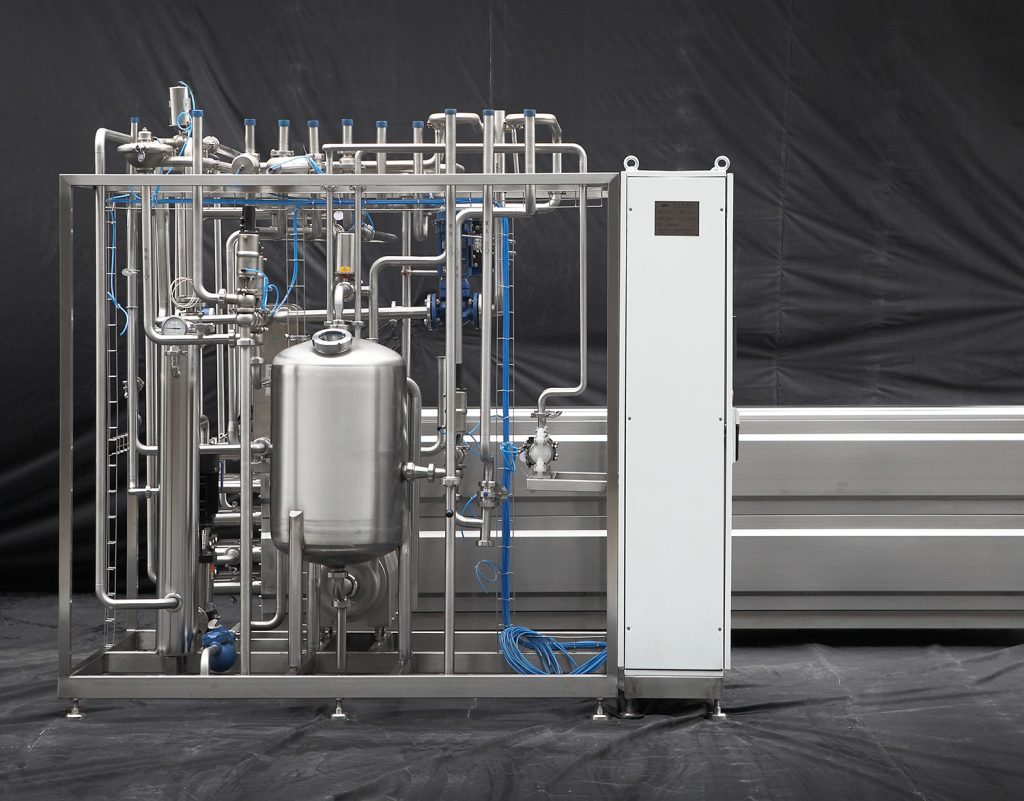
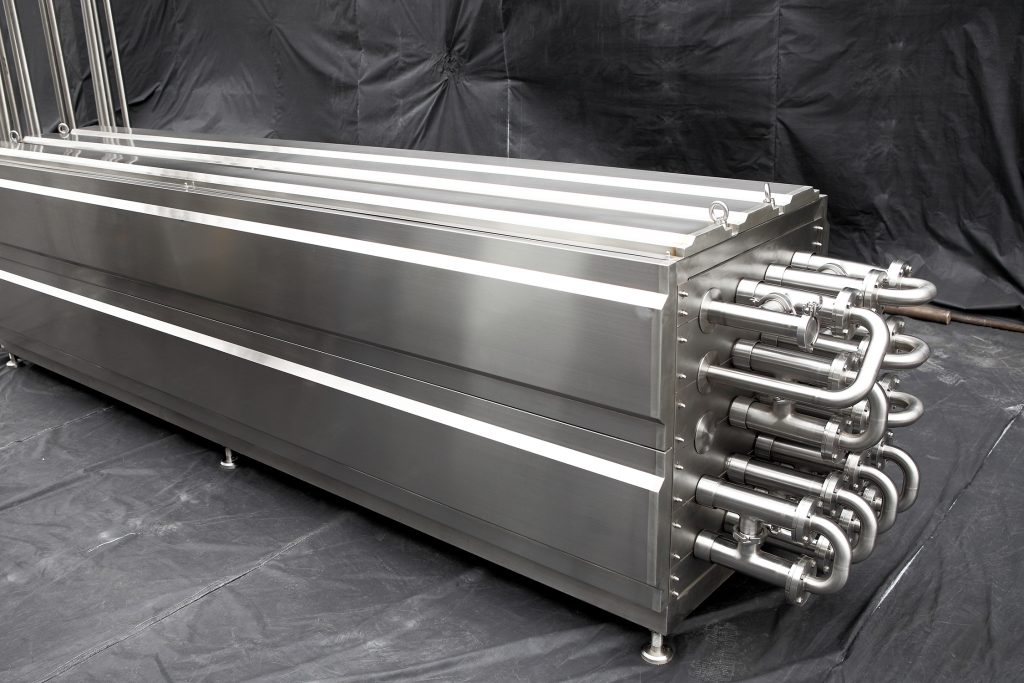
A tubular high temperature sterilizer uses a heat exchanger to raise the temperature of a flowing liquid. The liquid passes through a heating section, remains at the required temperature for a controlled holding time, and then moves through a cooling section.
A typical process includes three stages:
1. Heating
The liquid enters the heat exchanger and is heated to the target temperature.
2. Holding
The heated liquid passes through a holding tube. The tube provides the required residence time under controlled operating conditions.
3. Cooling
After the holding stage, the liquid is cooled before moving to the next processing step.
Unlike a batch autoclave, this system operates continuously. It can therefore support production processes that require stable treatment of flowing liquids.
Important design considerations include flow rate, holding tube dimensions, temperature accuracy, pressure control, and product characteristics. A suitable control system should also prevent liquid that has not received the required treatment from moving forward.
However, a tubular high temperature sterilizer should not automatically be considered a standard solution for PW or WFI distribution loop sanitization. Pharmaceutical water systems normally use validated thermal or chemical sanitization strategies based on their design and intended use.
Tubular sterilization equipment is more appropriately selected for specific continuous fluid-processing applications where the process requirements justify this technology.
Steam Sterilizer vs. Tubular High Temperature Sterilizer
Although both technologies use heat, they have different operating principles and applications.
| Feature | Steam Sterilizer | Tubular High Temperature Sterilizer |
|---|---|---|
| Main treatment target | Equipment, components, and suitable liquid loads | Flowing liquids |
| Operating mode | Batch | Continuous |
| Heating method | Saturated steam | Heat exchanger |
| Typical process | Steam exposure under controlled conditions | Heating, holding, and cooling |
| Main application | Equipment and component sterilization | Continuous thermal processing |
| Key control factors | Steam quality, air removal, temperature, and time | Flow rate, temperature, and holding time |
| Validation focus | Heat distribution and penetration | Temperature control and residence time |
How to Select Pharmaceutical Sterilization Equipment
Selecting the right sterilization equipment requires a clear understanding of the production process. Pharmaceutical manufacturers should evaluate more than the equipment’s maximum temperature or heating capacity.
Several factors deserve attention.
1. Material of Construction
Equipment that contacts pharmaceutical water or products should use suitable sanitary materials. Stainless steel is widely used because of its corrosion resistance, cleanability, and suitability for hygienic processing.
The selected material grade and surface finish should match the process requirements. Material certificates and traceability documents should also be available.
2. Temperature and Pressure Control
Accurate temperature and pressure monitoring is essential for repeatable sterilization.
For steam sterilizers, the system must control the sterilization cycle and ensure that the load receives the required treatment.
For SIP systems, temperature monitoring should cover critical locations, including areas that may heat more slowly.
3. Drainage and Hygienic Design
Poor drainage can allow condensate to collect inside equipment and pipelines. This may reduce steam contact and create areas that are difficult to sanitize.
A good design should include suitable pipe slopes, drainage points, hygienic connections, and accessible maintenance areas.
4. Automation and Process Monitoring
Modern pharmaceutical sterilization equipment often uses automated control systems.
A suitable control system can monitor temperature, pressure, exposure time, alarms, and operating status. Where required, it should also provide secure and traceable process records.
5. Cleaning and Maintenance
Sterilization equipment must remain clean and reliable during long-term operation.
Manufacturers should consider CIP compatibility, maintenance access, replacement parts, and inspection requirements during equipment selection.
6. Qualification and Validation
Equipment design alone cannot prove that a sterilization process is effective.
Pharmaceutical manufacturers should consider Installation Qualification (IQ), Operational Qualification (OQ), and Performance Qualification (PQ), as appropriate.
Validation may include temperature mapping, heat penetration studies, cycle reproducibility, and the evaluation of worst-case operating conditions.
The final validation strategy should be based on the equipment type, process risk, and applicable regulatory requirements.

Pharmaceutical Sterilization Equipment from SKE&EAGLE
Selecting pharmaceutical water and sterilization equipment requires an understanding of both water quality and production processes.
SKE&EAGLE focuses on pharmaceutical water treatment equipment and related engineering solutions. Our work covers water purification, storage and distribution systems, pure steam-related solutions, and thermal processing equipment.
We understand that different applications require different equipment configurations. A pharmaceutical water storage tank, a pure steam system, and a continuous fluid-processing line each have their own design and operating requirements.
FAQ
Q1: What is a steam sterilizer used for in pharmaceutical manufacturing?
A steam sterilizer uses saturated steam under pressure to sterilize suitable equipment, components, and sealed liquid loads. In pharmaceutical water systems, steam sterilization also supports tank and pipeline SIP when the equipment is designed for this application.
Q2: What is the difference between a steam sterilizer and a pure steam generator?
A steam sterilizer uses steam to sterilize equipment or materials. A pure steam generator produces steam of suitable quality for direct contact with pharmaceutical products or product-contact surfaces. The generator supplies the steam, while the sterilizer or SIP system uses it.
Q3: What temperature is commonly used for steam sterilization?
Common reference temperatures include 121°C and 132°C. However, the actual temperature and exposure time depend on the load, equipment design, and validation results. A standard cycle should never be applied without considering the specific process.
Q4: What is SIP in a pharmaceutical water system?
SIP means Steam-in-Place. It uses steam to sterilize the internal surfaces of installed equipment, such as storage tanks and pipelines, without dismantling the system. Proper air removal, condensate drainage, temperature monitoring, and validation are essential.
Q5: Can a tubular high temperature sterilizer replace a steam sterilizer?
No. A steam sterilizer is mainly used for batch sterilization of equipment and suitable loads, while a tubular high temperature sterilizer treats flowing liquids continuously. They serve different process requirements.
Q6: How often should pharmaceutical water systems be sanitized?
There is no single sanitization frequency suitable for every pharmaceutical water system. The frequency depends on system design, operating temperature, water quality trends, microbial monitoring results, and the validated sanitization procedure. Manufacturers should establish a suitable schedule based on risk assessment and ongoing system performance.
Conclusion
Steam sterilization plays an important role in maintaining microbial control in pharmaceutical manufacturing. It supports the sterilization of equipment, components, storage tanks, and product-contact surfaces.
Pure steam and SIP systems provide additional control for installed equipment and distribution pipelines. At the same time, tubular high temperature sterilizers offer a different solution for suitable continuous fluid-processing applications.
The key is to understand the purpose of each technology and select equipment according to actual process requirements.
For pharmaceutical manufacturers, a reliable sterilization strategy should combine hygienic equipment design, suitable steam quality, effective temperature control, proper drainage, and validated operating procedures.
SKE&EAGLE works with pharmaceutical manufacturers to provide water treatment and related equipment solutions that support stable production, effective microbial control, and long-term operational reliability.
Contact Email: info@ske-eagle.com
Follow us on Facebook for the latest industry insights: SKE & Eagle Facebook
Business Inquiries: Visit our official website and submit the contact form at the bottom.