

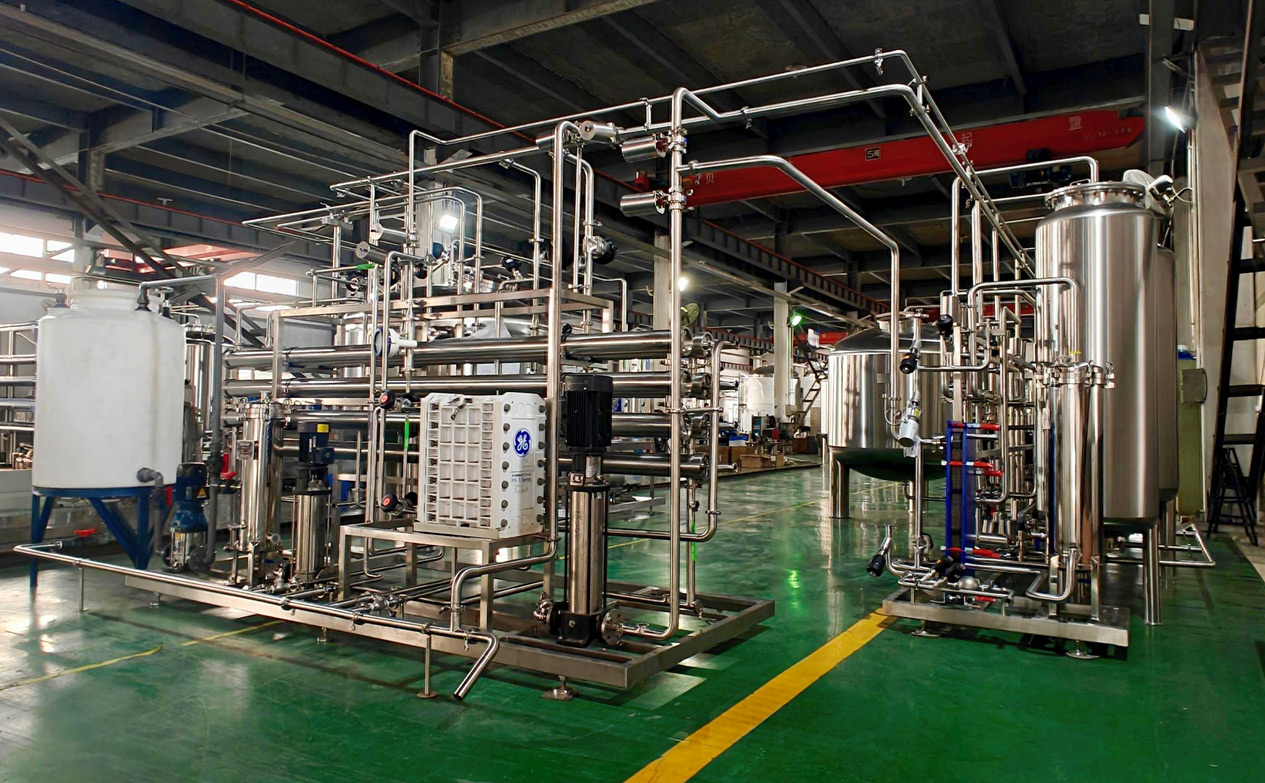
Water is a key part of many businesses. From making drinks to running machines, the quality of water matters. Commercial reverse osmosis water treatment systems help companies control their water quality. These systems remove harmful things from the water.
Many people do not know how to get very pure water. They might think it is too hard or costly. But new technology makes it easier than ever. This guide will explain how commercial reverse osmosis works. We will look at costs for nations pure water systems cost. We will also review the reverse osmosis water purification unit design.
At SKE&EAGLE, we build high-quality systems for drug making. But the ideas here help any business. Whether you run a café, a factory, or a lab, clean water is vital. Let us explore how you can get the best water for your needs.
What is Reverse Osmosis? A Simple Explanation
Reverse osmosis (RO) is a way to clean water. It uses a special cover called a membrane. This membrane has very small holes. Water can pass through, but most bad things cannot. These bad things include salt, bacteria, and chemicals.
Think of it like a very fine net. You pour dirty water through it. The clean water goes to one side. The dirty leftovers stay on the other side. The machine washes these leftovers away. This keeps the membrane clean and working well.
This process is not new. People have used it for many years. But today’s reverse osmosis water purification unit systems are much better. They use less energy. They also make more clean water faster. For a business, this means lower bills and better products.
How Commercial Systems Differ from Home Units
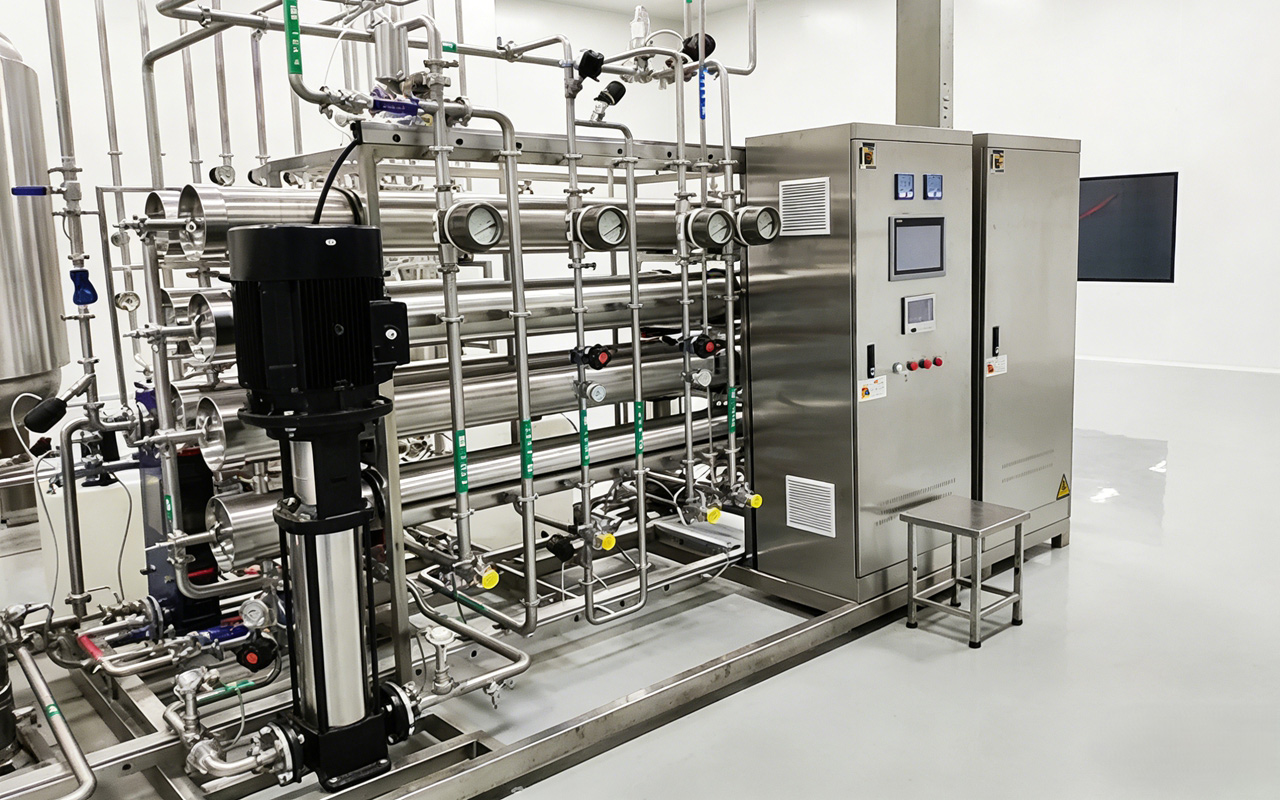
You can buy small RO units for a house. But commercial reverse osmosis water treatment systems are very different. The main difference is size and power.
A home unit might make 10 to 50 gallons per day. A commercial system can make thousands of gallons. Some make over 20,000 gallons each day. This high volume is needed for restaurants, hospitals, and factories.
Commercial systems are also built stronger. They use bigger pipes and stronger pumps. They often run all day and night. Home units run only when you turn on the tap. Commercial gear must work non-stop without breaking. They have smart computers to watch the water quality. If something goes wrong, the system alarms or shuts down safely.
Key Parts of a Commercial RO System
A good commercial reverse osmosis water treatment systems setup has several parts. Each part has an important job.
Pre-filters: Before water hits the RO membrane, it goes through filters. These take out big dirt, sand, and chlorine. Chlorine can hurt the RO membrane. Removing it first makes the membrane last longer.
The High-Pressure Pump: This pump pushes water through the membrane. It needs a lot of force. The pump is the heart of the reverse osmosis water purification unit.
RO Membrane: This is the cleaning part. It removes up to 99% of dissolved solids. The clean water coming out is called “permeate.” The dirty waste is called “concentrate” or “brine.”
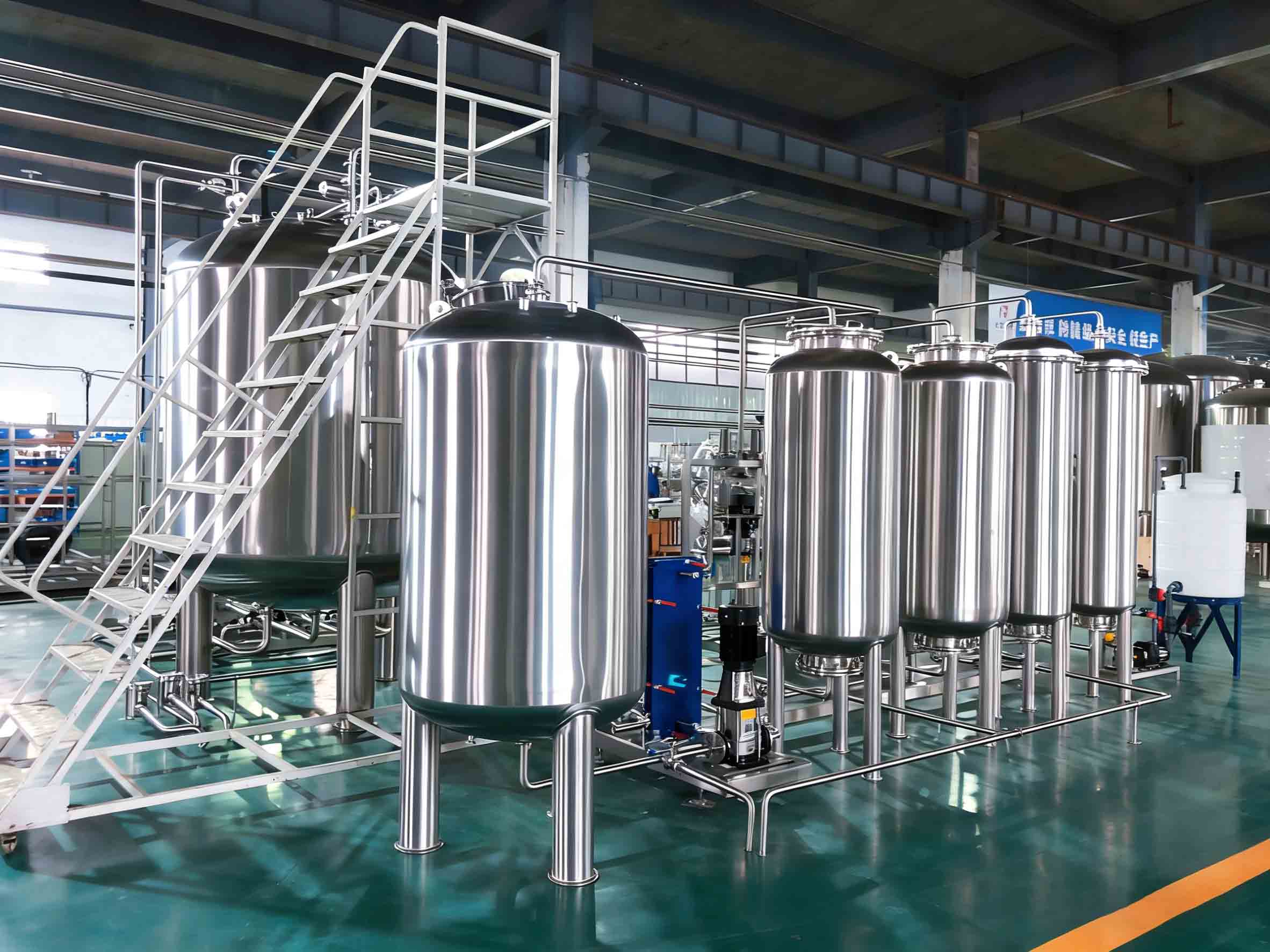
Storage Tank: Clean water goes here until you need it. This tank holds the water so you have it ready.
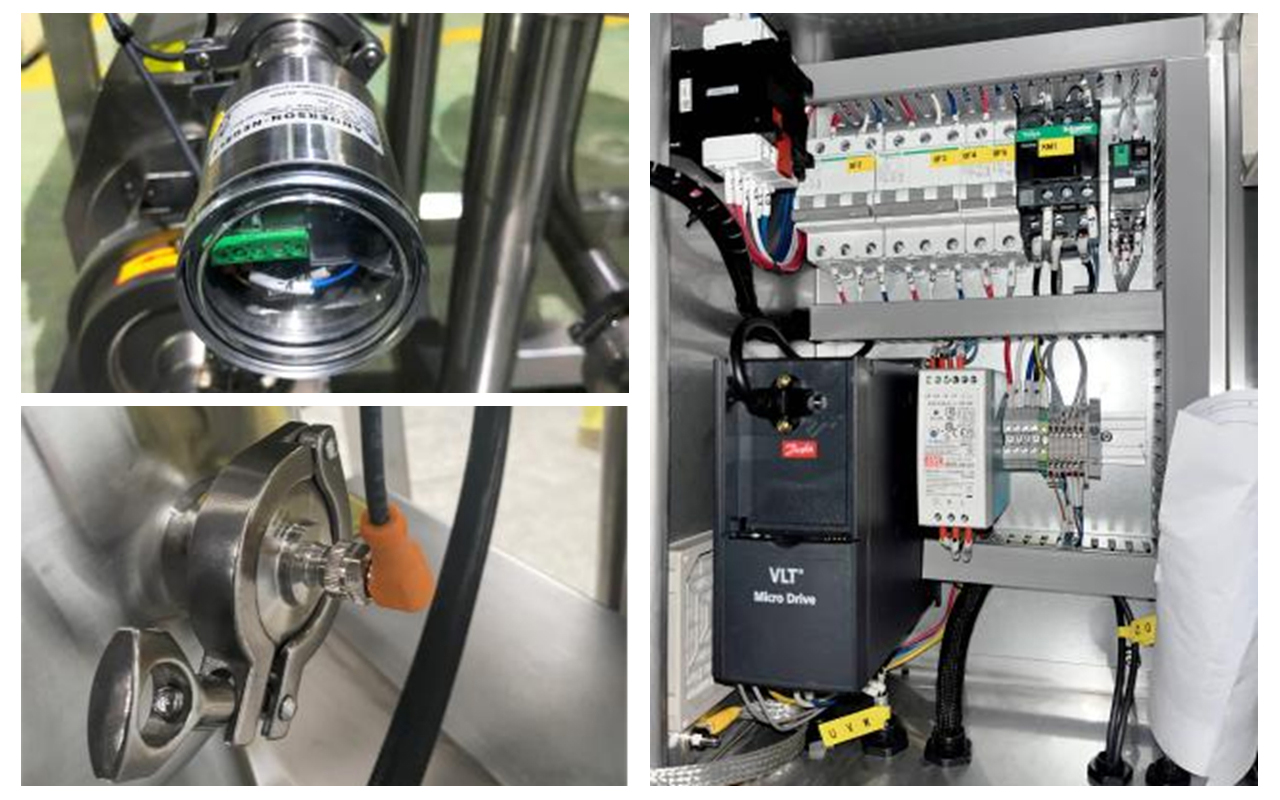
Control Panel: This is the brain. It shows you how the system works. It checks pressure and water quality. If a part fails, the panel tells you.
Where Businesses Use RO Water
Many industries need very pure water. Here are some common uses.
Food and Drink: Coffee shops need pure water for good taste. Breweries use RO water to control beer flavor. Ice makers use it to make clear, hard ice.
Hospitals and Labs: Doctors need clean water for tools. Labs need RO water for tests. Even a tiny bit of dirt can change a medical test result.
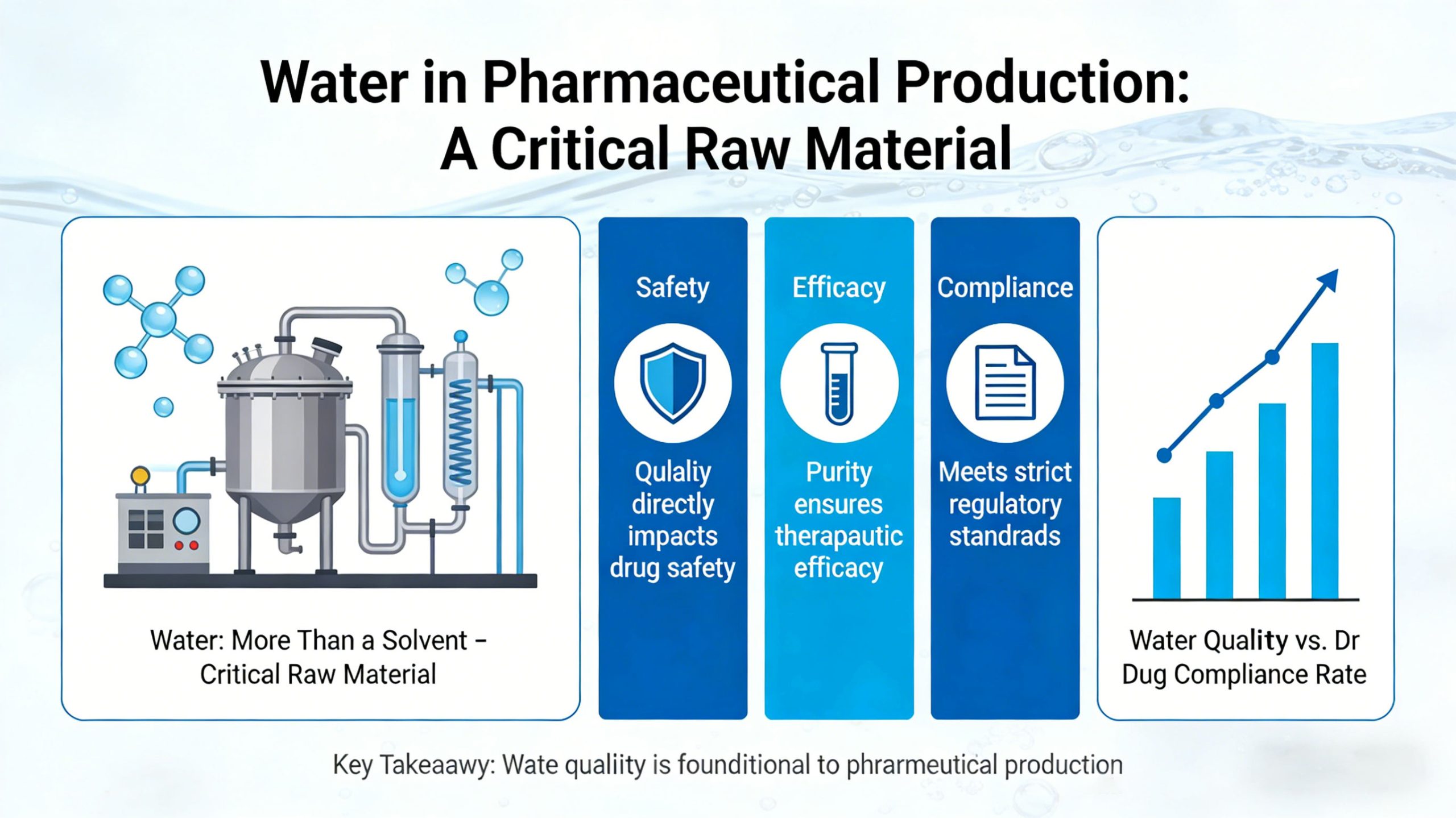
Drug Making: This is where SKE&EAGLE works best. Making medicine requires the highest purity. Water is often an ingredient in drugs. It must be perfect. Our systems follow strict rules for drug safety.
Car Washes: Spot-free car washes use RO water. Regular water leaves white spots from salt. RO water dries clean and shiny.
Hotels: Big hotels treat their own water. They use it for the kitchen, the pool, and the laundry. It saves money on soap and keeps guests happy.
Understanding Nations Pure Water Systems Cost
When you look at nations pure water systems cost, do not just look at the price tag. You have to think about the total value. A cheap system might break often. It might waste a lot of water. It could cost you more over time.
The cost of a system depends on how much water you need. A small café might spend a few thousand dollars. A big factory could spend over $100,000. But remember, buying bottled water costs money every day. An RO system pays for itself over time.
Here is a simple breakdown ofnations pure water systems cost factors:
| Factor | Impact on Cost | Why It Matters |
|---|---|---|
| Daily Volume | High | More gallons per day needs bigger pumps and membranes. |
| Feed Water Quality | Medium | Very dirty water needs more pre-filters. |
| Material Quality | Medium/High | Stainless steel lasts longer than plastic. |
| Automation Level | Medium | Smart controls cost more but save labor. |
| Brand Reputation | Low/Medium | Trusted brands like SKE&EAGLE offer reliability. |
Choosing the right partner is key. SKE&EAGLE offers systems that are built to last. We help you find the balance between upfront cost and long-term savings.
Saving Money with Better Design
New commercial reverse osmosis water treatment systems save money. Old systems wasted a lot of water. For every one gallon of clean water, they threw away four gallons. That is only 20% efficient.
Today’s technology is much better. Some new systems can recover up to 98% of the water. This is called high recovery. It is great for places where water is expensive.
How do they do this? They use smart pumps and special membranes. They also use computers to watch the water pressure. By keeping the pressure just right, they waste less. SKE&EAGLE uses these new ideas. We want to save you money and help the planet.
Keeping Your System Healthy
Like a car, an RO system needs care. The most common job is changing filters and cleaning the membrane. If you ignore the system, it will stop working well.
You should change pre-filters every 3 to 6 months. The RO membrane can last 2 to 5 years. It depends on how dirty your starting water is. You will know it is time to change parts when the water tastes bad or the pressure drops.
Modern units have alerts. A light turns on when service is due. Some even send a message to your phone. This is very helpful for business owners. You do not need to be a water expert. The machine tells you what to do. SKE&EAGLE systems are designed to be easy to fix. This lowers your maintenance costs.
Matching the System to Your Needs
Every business is different. A hospital has different needs than a car wash. SKE&EAGLE does not sell one-size-fits-all boxes. We build solutions.
If you make drugs, you need the strictest quality. We use special materials that do not add chemicals to the water. We also test the systems very hard before they leave our factory. This ensures they work right away.
If you run a restaurant, you might not need that high level. But you do need reliability. A broken RO machine means no ice or coffee. We build strong systems to keep your business running. Tell us your industry. We will design the perfect reverse osmosis water purification unit for you.
How to Choose the Right System
Choosing a system can feel hard. Follow these steps to make it easier.
First, test your incoming water. Do you have hard water? Is there chlorine? Knowing this helps us pick the right pre-filters.
Second, measure your peak usage. How much water do you need at the busiest hour? Buy a system that can handle that rush.
Third, think about space. Some commercial reverse osmosis water treatment systems are very tall. Others sit on a skid (a metal frame). Our SKE&EAGLE team can help you find the right fit for your room.
Fourth, ask about energy use. A cheap system might use a lot of electricity. A more expensive one might pay for itself in a year through lower power bills.
The Future of Water Purification
Water is becoming more precious. Cities are asking businesses to save water. New rules are making companies treat their waste better. This is why commercial reverse osmosis water treatment systems are so important.
Soon, more systems will have AI computers. These computers will predict when a part will break. They will order replacement parts by themselves. They will also link to your building’s main computer system. This is called the Internet of Things (IoT). SKE&EAGLE is ready for the future. We are building smart systems for tomorrow’s world.
We also see a rise in “drainless” systems. These send the waste water to toilets or hot water heaters. Nothing is wasted. This is the best choice for the environment.
Why Trust SKE&EAGLE?
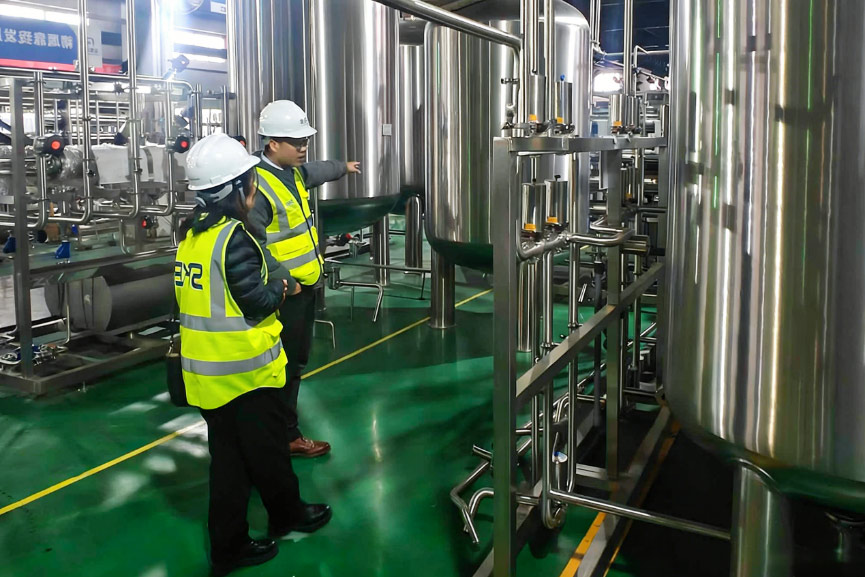
With so many brands out there, why choose us? SKE&EAGLE specializes in high-purity water. We do not just sell boxes. We engineer solutions. Our team has decades of experience in the drug industry. Those are the strictest rules in the world.
If we can make water pure enough for drugs, we can make it pure enough for your business. We use the best materials. We test our commercial reverse osmosis water treatment systems before they leave. We stand behind our work.
We also know that every business has a budget. When we talk about nations pure water systems cost, we are honest. We show you the price and the savings. We want to be your partner for the long term. Your success is our success.
Frequently Asked Questions (FAQ)
Q: How much water does a commercial RO system waste?
A: Older systems waste a lot, about 4:1. New commercial reverse osmosis water treatment systems from SKE&EAGLE can be very efficient. Some recover over 90% of the water, wasting very little.
Q: What is the difference between “permeate” and “concentrate”?
A: Permeate is the good, clean water you want to use. Concentrate (or brine) is the leftover water with the dirt and salt. The concentrate is usually sent down a drain or treated again.
Q: How long does a reverse osmosis water purification unit last?
A: The machine itself (the frame and tanks) can last 15-20 years. The internal parts like the RO membrane need to be changed every 2 to 5 years. Regular filter changes help the whole unit last longer.
Q: Can I install an RO system myself?
A: Small units for a coffee shop might be simple. Big industrial systems need a professional. SKE&EAGLE offers installation help. We want to make sure it is safe and works perfectly.
Q: Does RO water taste different?
A: Yes, it tastes cleaner. Many people prefer it. Removing the chlorine and minerals leaves a fresh, crisp taste. It makes coffee and tea taste much better.
Contact SKE & Eagle for Advanced Solutions
For customized system engineering solutions or integration of high-performance water treatment technologies, please contact SKE & Eagle. Our professional team collaborates closely with industrial partners to design, implement, and maintain solutions tailored to your operational needs.
Official Website: pharmaceutical purified water generator
Contact Email: info@ske-eagle.com
Follow us on Facebook for the latest industry insights: SKE & Eagle Facebook
Business Inquiries: Visit our official website and submit the contact form at the bottom.