

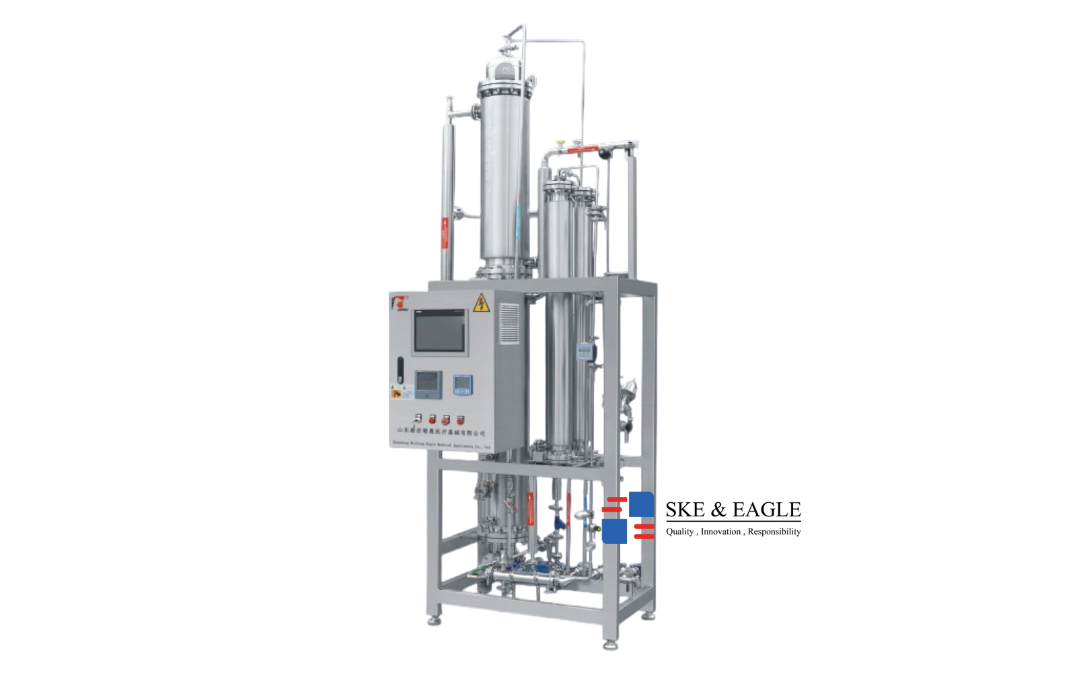
In the world of pharmaceutical manufacturing, sterility is not merely a goal—it is an absolute necessity. Contamination can lead to product recalls, regulatory fines, and most critically, patient harm. To achieve the rigorous standards required for parenteral (injectable) drugs, biopharmaceuticals, and medical devices, manufacturers rely heavily on a specific piece of equipment: the Clean Steam Generator.
Unlike industrial steam used for heating, clean steam is a pure form of steam that comes into direct contact with product contact surfaces. It is free from pyrogens, bacteria, and volatile additives typically found in standard boiler steam. For companies like SKE&EAGLE, a dedicated manufacturer of purified water systems and pharmaceutical equipment, understanding the nuances of clean steam generation is fundamental to ensuring end-user compliance with Good Manufacturing Practices (GMP).
This article will explore the technical specifications, applications, and selection criteria for clean steam generators. We will focus specifically on the role of the clean steam generator for sterilization processes, the importance of sourcing from reputable clean steam generator manufacturers, and how this technology integrates into the broader ecosystem of pharmaceutical utilities.
What is a Clean Steam Generator?
A Clean Steam Generator (CSG) is a specialized heat exchanger designed to produce steam that meets the stringent chemical and biological purity requirements of the pharmaceutical and biotechnology industries. It takes high-quality feed water—typically Purified Water (PW) or Water for Injection (WFI)—and uses industrial plant steam or electric energy to convert it into pure steam.
The fundamental difference between clean steam and house steam lies in the chemical treatment. Industrial boilers often contain additives like amines, hydrazine, and phosphates to prevent corrosion and scaling within the boiler system. These chemicals are hazardous if they come into contact with a drug product. A CSG eliminates this risk by using a “clean” side and a “dirty” side. The heating medium (industrial steam) remains isolated, while the generated steam is composed solely of pure water.
The Science of Generation: How It Works
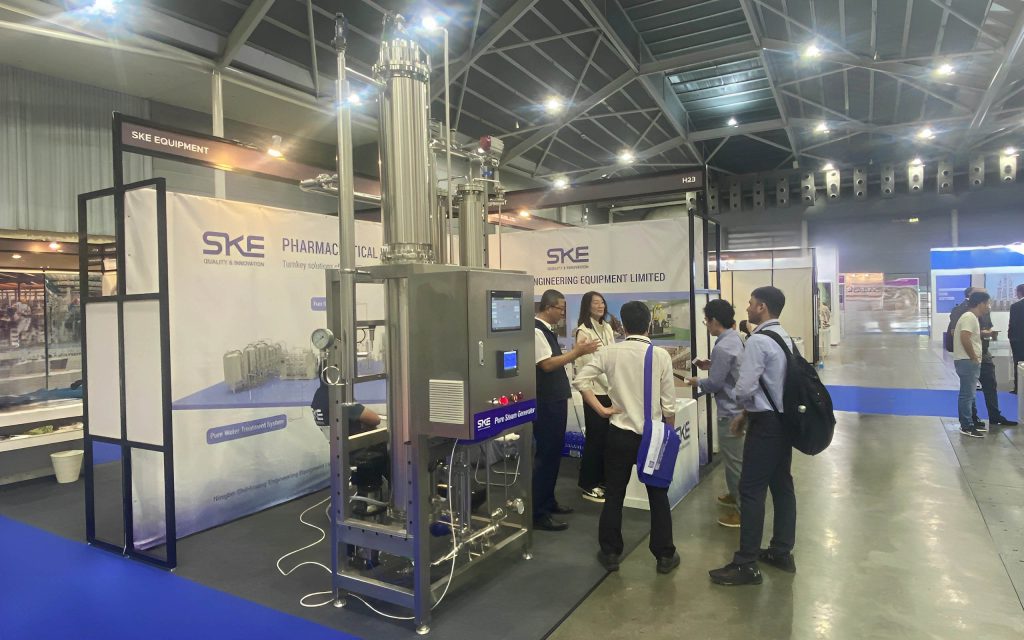
The operational principle of a clean steam generator is centered on thermal transfer and phase change, executed within a sanitary envelope. Most modern systems utilize a falling film or rising film evaporation principle to maximize efficiency and maintain purity.
In a typical shell-and-tube or plate-and-frame design, industrial steam (or electricity) heats a series of coils or plates. Purified Water is introduced into the system. As the water heats past its boiling point, it transforms into steam. The design ensures that only the pure water molecules are carried forward; non-volatile residues and potential endotoxins are left behind in a concentrated blow-down stream.
One of the most critical aspects of this process is the separation of droplets. High-quality CSGs incorporate centrifugal separators or baffles to remove water droplets that might contain impurities. This ensures the resulting steam has a dryness fraction suitable for sterilization cycles. The condensate produced from this steam must meet the same standards as WFI or Purified Water, confirming that no cross-contamination has occurred during the generation phase.
Key Applications: Why Sterility Demands Clean Steam
While clean steam has several applications in pharmaceutical plants, its primary function remains sterilization. The clean steam generator for sterilization is the backbone of sanitary processing. Autoclaves, bioreactors, sterile storage tanks, and transfer piping all require clean steam to achieve sterility assurance levels (SAL).
SIP (Sterilization-in-Place) is a common process where clean steam is circulated through process piping and vessels to kill microorganisms and inactivate endotoxins. Unlike chemical sanitization, steam sterilization is rapid, non-toxic, and leaves no residue. It penetrates crevices and gaskets that chemical agents might miss.
Beyond SIP, clean steam is also used for humidification in critical areas like cleanrooms where humidity must be controlled without introducing particulate matter. However, the most rigorous application remains the sterilization of product-contact surfaces in the manufacture of sterile injectables. Without a reliable clean steam source, a pharmaceutical facility cannot produce sterile products safely.
Comparing Clean Steam vs. Industrial Steam
To fully appreciate the engineering behind a clean steam generator, it is essential to understand the chemical and physical differences between clean steam and standard plant steam. The table below illustrates the critical distinctions that dictate their respective applications.
| Feature | Clean Steam | Industrial (Plant) Steam |
|---|---|---|
| Feed Water Quality | Purified Water (PW) or Water for Injection (WFI) | Potable water (softened/treated) |
| Chemical Additives | None; no corrosion inhibitors or anti-foaming agents | Contains amines, phosphates, hydrazine, and oxygen scavengers |
| Material of Construction | Sanitary 316L stainless steel, electro-polished | Carbon steel or lower-grade stainless |
| Primary Use | Sterilization (SIP), product contact, critical humidification | Heating, HVAC, non-critical equipment |
| Condensate Quality | Meets PW/WFI chemical and endotoxin limits | Non-potable; contains boiler chemicals |
| Regulatory Oversight | Direct Impact System (GMP, FDA validation) | Indirect Impact or No Impact |
This table highlights why switching or mixing these two steam types is strictly prohibited in regulated environments. The cost of a clean steam system is justified by the reduced risk of product contamination and regulatory compliance.
Selecting a Manufacturer: What to Look For
When investing in this critical utility, choosing among the various clean steam generator manufacturers requires careful technical scrutiny. Not all manufacturers are equal, especially when dealing with global regulatory standards like ASME BPE (Bioprocessing Equipment), FDA guidelines, and the European Medicines Agency (EMA) requirements.
A reputable manufacturer, such as SKE&EAGLE, should offer fully validated systems that adhere to ASME pressure vessel codes and are constructed with high-grade 316L stainless steel. The internal surface finish is crucial; electro-polished surfaces prevent bacterial adhesion and biofilm formation, which are common pitfalls in inferior systems.
Furthermore, the manufacturer should provide comprehensive documentation, including Design Qualification (DQ), Installation Qualification (IQ), and Operational Qualification (OQ) protocols. Since a CSG integrates with your purified water loop, it is advantageous to work with a single-source provider who understands both water purification and steam generation to ensure seamless integration and simplified validation.
Efficiency and Energy Recovery
In the past, clean steam generators were often criticized for being energy-intensive. However, modern engineering has introduced significant efficiency improvements that reduce operational expenditure. The key to efficiency lies in energy recovery systems.
Traditional designs simply discharged the condensate from the industrial heating loop to the drain, wasting significant thermal energy. Contemporary systems utilize plate-and-frame heat exchangers or thermocompressors to recover this waste heat. By preheating the incoming purified water with the outgoing industrial condensate, manufacturers can reduce energy consumption by 10-20%.
Additionally, electric clean steam generators are gaining popularity for smaller-scale applications or facilities where plant steam is unavailable. While electricity has a higher operational cost per unit than gas-fired boilers, electric CSGs offer precise control, lower installation costs (no flue or gas lines), and are often preferred for R&D facilities or pilot plants where flexibility is paramount.
Regulatory Compliance and Validation
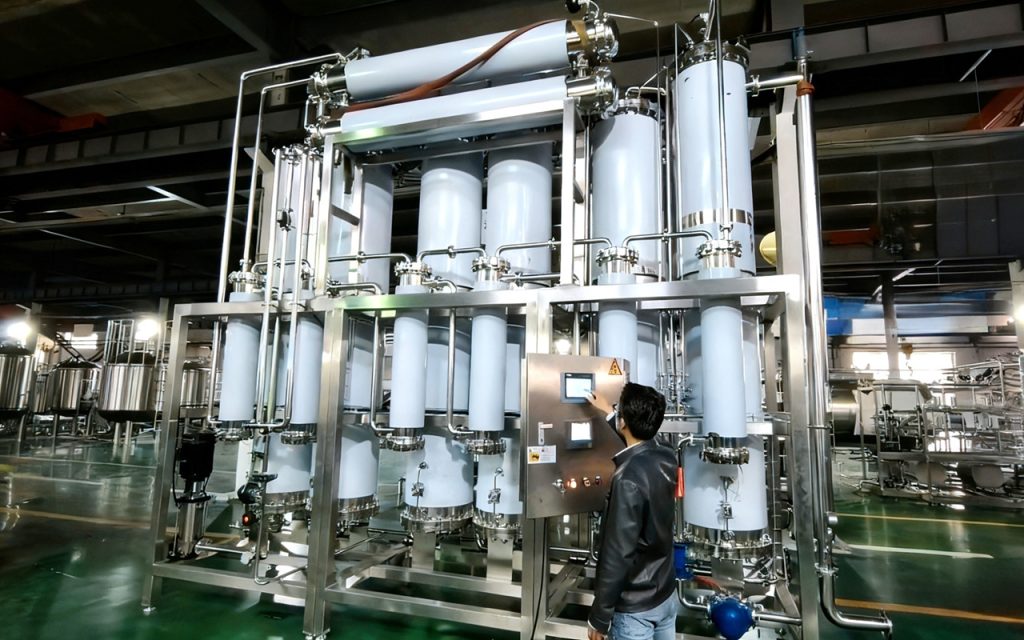
Validation is the most critical phase in the lifecycle of a clean steam generator. From a regulatory perspective, the system must be proven to consistently produce steam that meets defined purity standards. The validation process typically follows a three-phase approach.
During Phase 1 (the initial intensive period), the system is tested daily for chemical parameters such as conductivity, total organic carbon (TOC), and endotoxins. Phase 2 involves continued testing to demonstrate consistency over time. Phase 3 ensures long-term reliability under normal operating conditions.
A key differentiator for high-quality clean steam generator manufacturers is the ability to provide factory acceptance testing (FAT) and site acceptance testing (SAT) that simulate these conditions. Automated controls are also critical. Modern systems utilize programmable logic controllers (PLCs) with SCADA integration, allowing for full data logging, alarm management, and batch reporting—features that are essential for demonstrating compliance during an FDA or EMA audit.
Maintenance and Long-Term Reliability
To maintain the integrity of a clean steam generator, a preventative maintenance strategy is essential. The high purity of the feed water minimizes scaling, but mechanical wear and tear can still compromise the system if left unchecked.
One of the primary maintenance tasks is inspecting and cleaning the steam traps. Failed steam traps can allow condensate to build up, leading to water hammer—a phenomenon that can damage piping and instruments. Additionally, the gaskets and seals in the sanitary piping should be replaced periodically to prevent leaks that could compromise sterility.
Another critical component is the blow-down system. Regular automatic blow-downs remove concentrated impurities from the evaporator chamber. If this is neglected, impurities can carry over into the steam, resulting in failed endotoxin tests. SKE&EAGLE recommends a proactive maintenance schedule that aligns with your facility’s overall utility management plan to ensure the generator remains operational for 15-20 years without significant degradation.
Integrating with Purified Water Systems
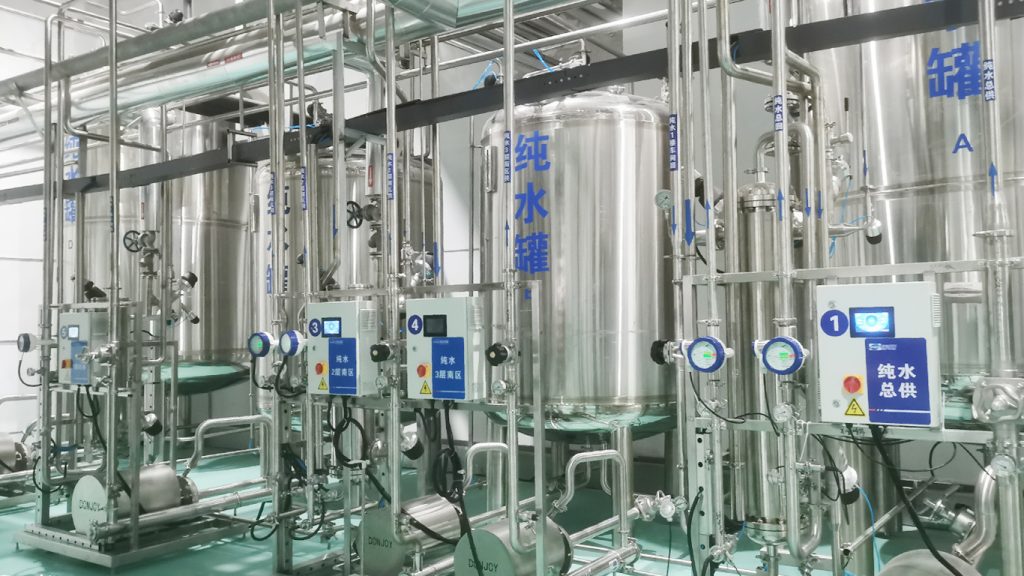
A clean steam generator does not operate in isolation; it is the logical extension of the purified water generation and distribution system. Since the feed water for the CSG is typically Purified Water or WFI, the quality of the feed water directly impacts the quality of the steam.
If the feed water has high conductivity or high TOC, the resulting steam will also be out of specification, leading to failed sterilization cycles. Therefore, the CSG must be integrated with the purified water loop in a way that ensures constant flow and proper pressure.
At SKE&EAGLE, we design our systems to communicate directly with the water purification skid. This integration ensures that the steam generator cannot operate if the feed water is out of specification, acting as a fail-safe. This holistic approach simplifies validation, reduces the number of interfaces, and ensures that the entire water and steam utility loop operates as a unified, compliant system.

Conclusion
The clean steam generator is more than just a piece of mechanical equipment; it is a guardian of pharmaceutical quality. For facilities manufacturing sterile products, it is impossible to overstate the importance of a reliable, well-maintained CSG. From providing the thermal energy required for SIP to ensuring that cleanroom humidification does not become a source of contamination, this utility forms the backbone of aseptic processing.
Selecting the right partner for this critical system is paramount. By choosing an experienced manufacturer like SKE&EAGLE, pharmaceutical companies benefit from integrated expertise in both purified water and steam generation. Our commitment to ASME BPE standards, energy efficiency, and comprehensive validation support ensures that your facility remains compliant, efficient, and audit-ready.
Whether you are constructing a new facility or upgrading existing infrastructure, investing in a high-quality clean steam generator is a decision that pays dividends in product safety, operational efficiency, and regulatory peace of mind.
Frequently Asked Questions (FAQ)
1. What is the difference between a clean steam generator and a standard boiler?
A standard boiler uses treated potable water and adds chemicals to prevent corrosion, making the steam unsuitable for product contact. A clean steam generator uses Purified Water or WFI as feed water and contains no chemical additives. It is constructed from sanitary 316L stainless steel specifically for pharmaceutical sterilization applications.
2. How often should a clean steam generator be validated?
Initial validation is required before commissioning. After that, periodic reviews are typically conducted annually or bi-annually depending on the facility’s change control and risk assessment. Continuous monitoring of parameters like conductivity, TOC, and endotoxins ensures ongoing compliance between major validation cycles.
3. Can I use a clean steam generator for both sterilization and heating?
While technically possible, it is not recommended. Clean steam is expensive to produce. Using it for non-critical heating applications (like space heating) is economically inefficient. It is best reserved for direct product contact, sterilization-in-place (SIP), and critical cleanroom humidification to justify the operational costs.
4. What materials are used in high-quality clean steam generators?
The highest quality generators are constructed from 316L stainless steel with an electro-polished finish. This material offers superior corrosion resistance to the high-purity water and steam, while the electro-polishing reduces surface roughness (Ra < 0.5 µm) to prevent biofilm growth and facilitate cleaning.
5. How does SKE&EAGLE ensure energy efficiency in their systems?
SKE&EAGLE designs systems with integrated energy recovery units. By utilizing plate-and-frame heat exchangers, we capture waste heat from the industrial steam condensate to preheat the incoming purified water. This reduces overall energy consumption significantly, lowering the carbon footprint and operational costs for the facility.
Contact SKE & Eagle for Advanced Solutions
For customized system engineering solutions or integration of high-performance water treatment technologies, please contact SKE & Eagle. Our professional team collaborates closely with industrial partners to design, implement, and maintain solutions tailored to your operational needs.
Official Website: https://www.ske-eagle.com/
Contact Email: info@ske-eagle.com
Follow us on Facebook for the latest industry insights: SKE & Eagle Facebook
Business Inquiries: Visit our official website and submit the contact form at the bottom.