

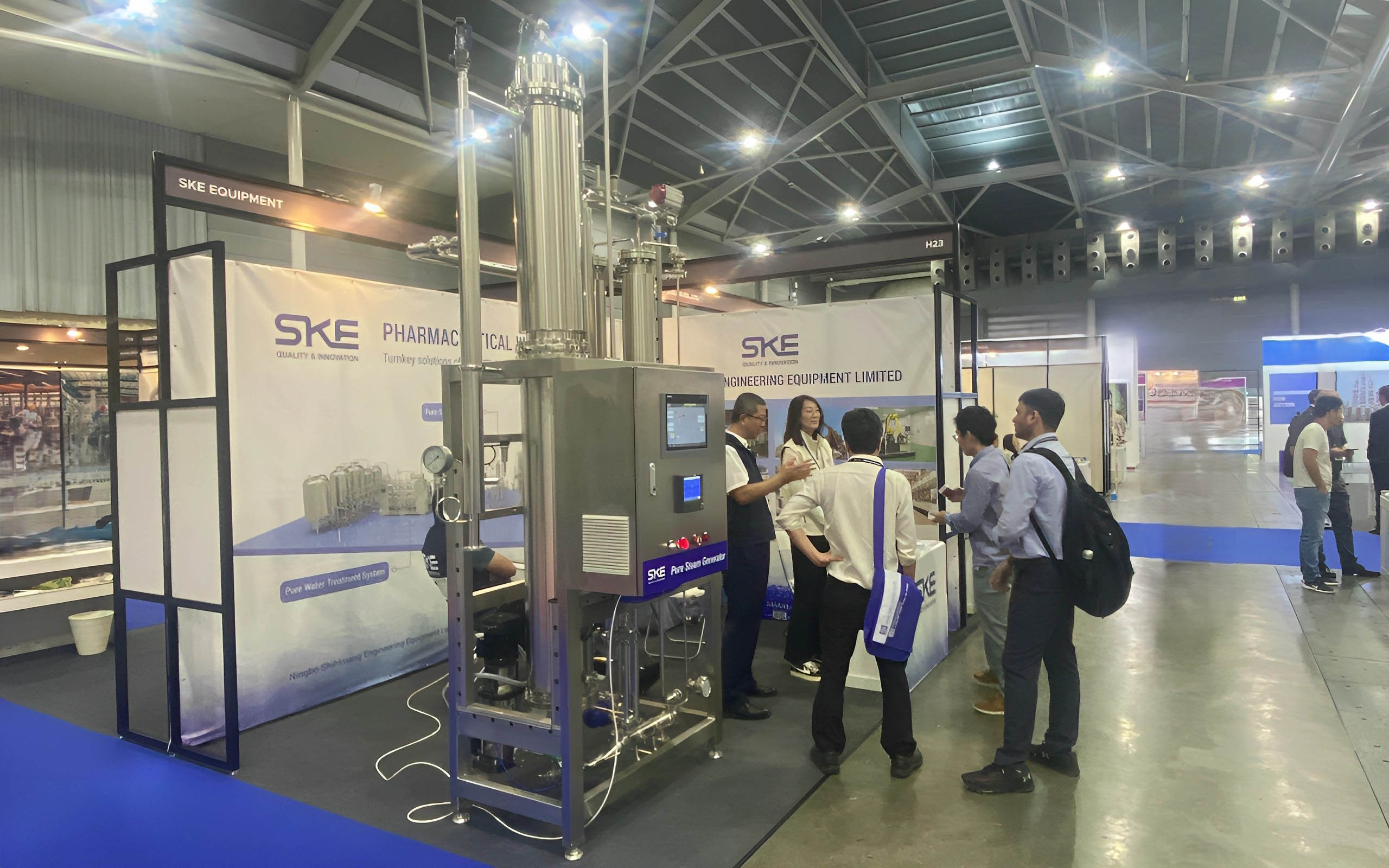
In the world of pharmaceutical manufacturing, sterility is not merely a goal; it is an absolute prerequisite. The margin for error in processes involving injectable drugs, biologics, and sterile medical devices is zero. At the heart of ensuring this sterility lies a piece of equipment that is often misunderstood yet critically vital: the Pure Steam Generator (PSG).
For professionals involved in Facility, Engineering, and Maintenance (FEM), the specification and maintenance of a PSG system represent a complex challenge involving thermodynamics, material science, and stringent regulatory compliance. As a specialized manufacturer of pharmaceutical water systems, SKE&EAGLE understands that the quality of pure steam directly dictates the safety of the final product.
This article aims to provide a technical overview of pure steam generation, exploring its differences from standard industrial steam, the mechanics of generation, and the ancillary technologies—such as the direct steam injection water heater—that support these critical systems.
What is a Pure Steam Generator?
A Pure Steam Generator is a specialized distillation system designed to produce steam that meets the stringent quality standards required for pharmaceutical and biotechnology applications. Unlike conventional industrial steam used for heating, pure steam (often referred to as “clean steam”) must be free from pyrogens, endotoxins, and chemical contaminants.
The operational principle of a PSG involves the evaporation of purified water (typically Water for Injection, or WFI) using a heating medium, usually industrial steam. The process relies on the phase change phenomenon; as water evaporates, impurities are left behind in the liquid phase, ensuring that the resulting steam condensate meets the pharmacopoeial standards set by the USP, EP, and JP.
The construction materials are also critical. High-grade stainless steel (316L) is standard, with electropolished surfaces to prevent biofilm formation and corrosion. For pharmaceutical manufacturers, the PSG is not just a utility generator; it is a direct impact system where the output quality affects product safety.
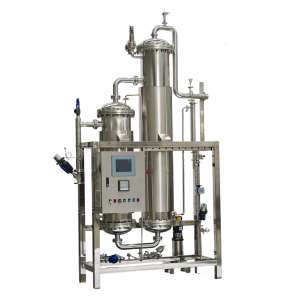
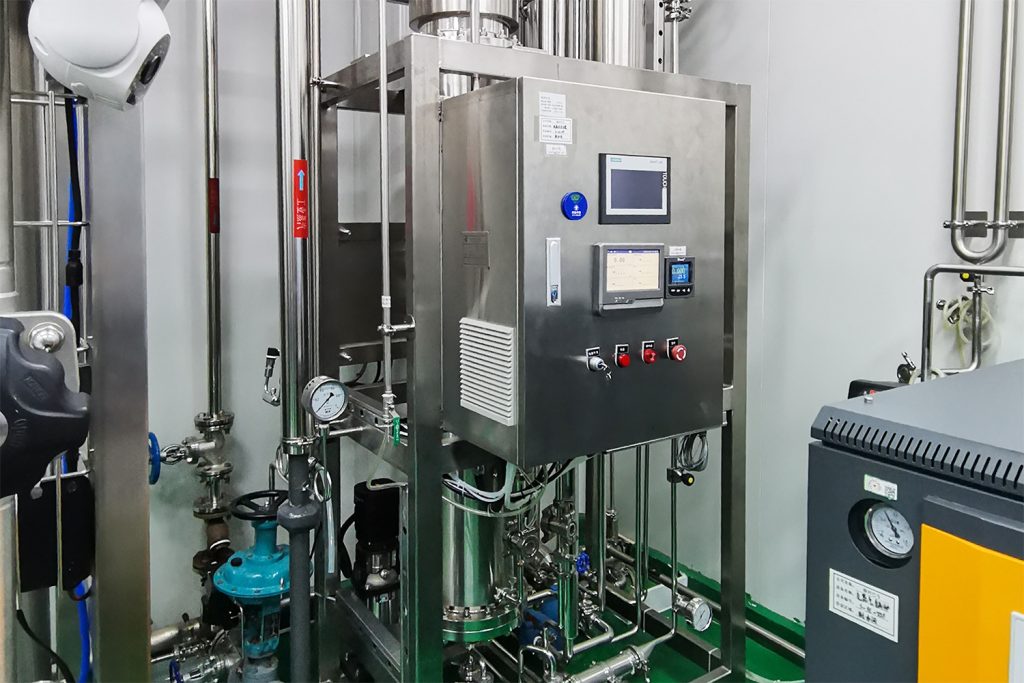
How a Pure Steam Generator Works: The Thermodynamic Process
Understanding the operational cycle of a PSG is essential for effective maintenance and troubleshooting. Most modern systems utilize a rising film or falling film evaporator design. The process begins with pre-heated purified water entering the evaporation chamber. Simultaneously, industrial steam (the heating medium) enters the jacket surrounding the chamber.
As the purified water heats, it rises through vertical tubes within the evaporator. The high temperature causes the water to boil rapidly, creating a “rising film” effect. This maximizes the surface area for evaporation, ensuring efficient separation of pure steam from the concentrated blow-down water.
The vapor is then passed through a stainless steel demister or centrifugal separator. This component is crucial for removing entrained water droplets that could carry over impurities, including endotoxins. The resulting pure steam is then routed to the point of use, such as sterilizers (autoclaves), bioreactors, or sanitary piping systems. The condensate collected from this steam must test negative for endotoxins and have a conductivity level that matches the feed WFI quality.
Key Components of a High-Performance PSG
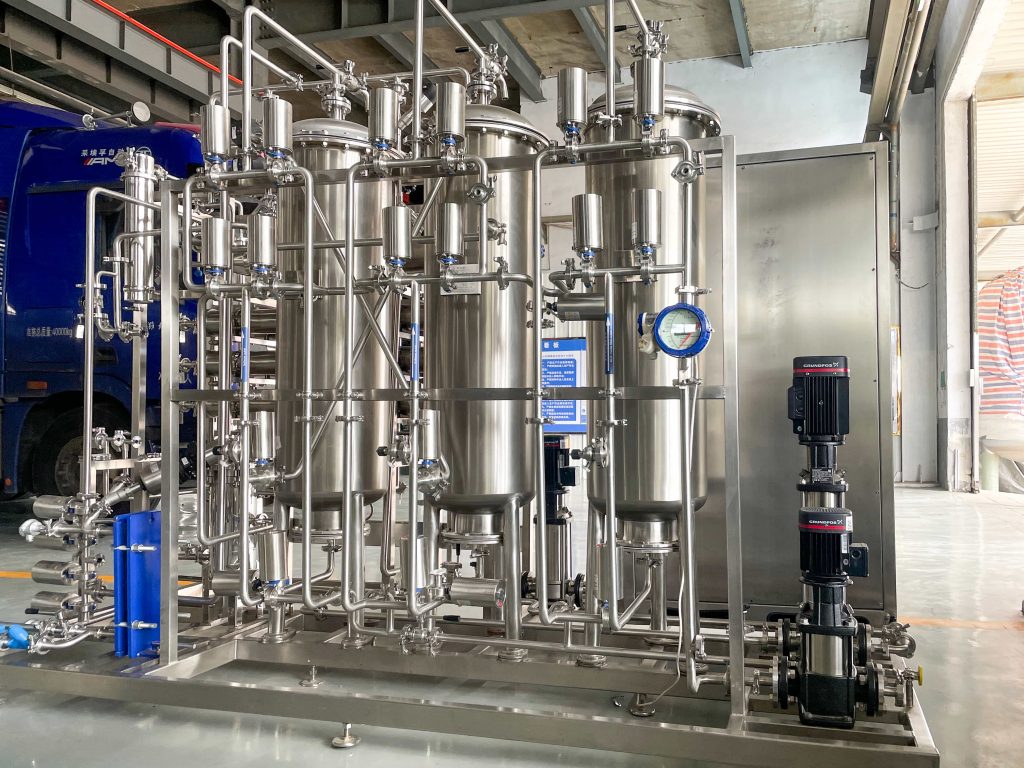
A reliable Pure Steam Generator is defined by the quality of its components. At SKE&EAGLE, we emphasize robust engineering to ensure longevity and compliance. Here are the critical subsystems:
-
Evaporator Chamber: Typically designed as a shell and tube heat exchanger. The design must facilitate efficient heat transfer while allowing for complete drainability (no dead legs) to prevent contamination.
-
Feed Water Pre-heater: To optimize thermal efficiency, the feed water (WFI) is pre-heated using the energy from the pure steam condensate or the blow-down water. This reduces the overall industrial steam consumption by up to 20%.
-
Separation System: High-efficiency centrifugal separators are standard. Some advanced models use double separation stages to guarantee the removal of pyrogens.
-
Control System: A Programmable Logic Controller (PLC) with Human-Machine Interface (HMI) monitors conductivity, temperature, pressure, and flow rates. It ensures that the system operates within validated parameters and triggers alarms if parameters deviate.
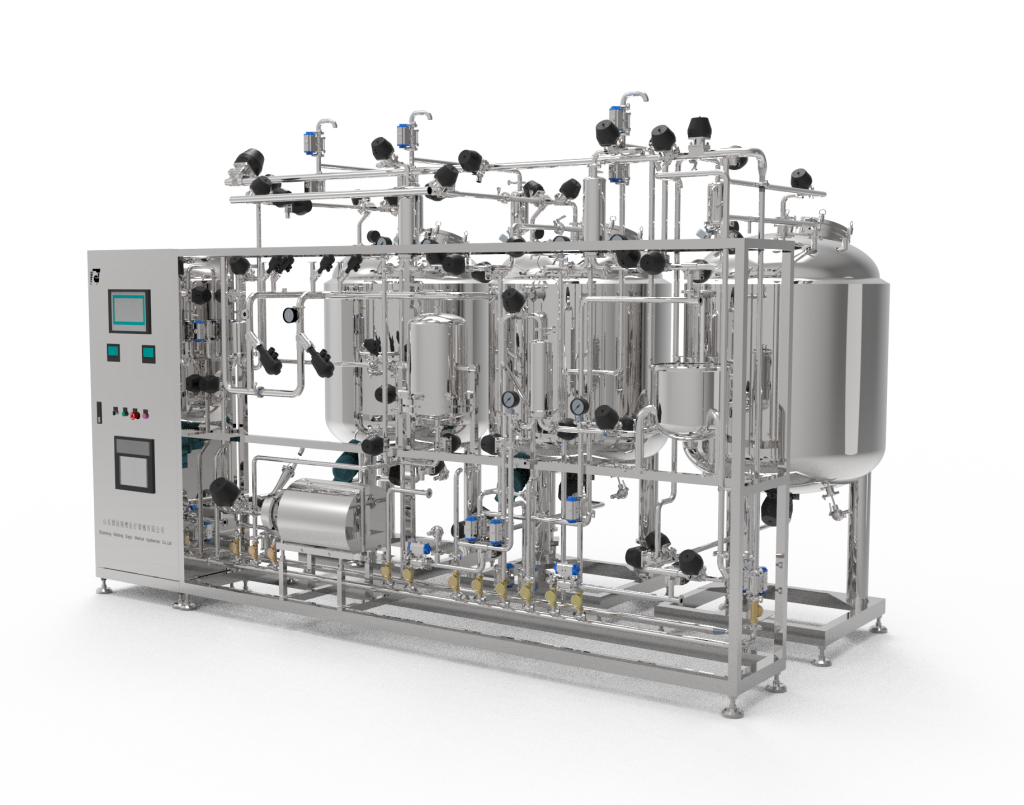
Clean Steam Generator for Sterilization: Meeting Regulatory Standards
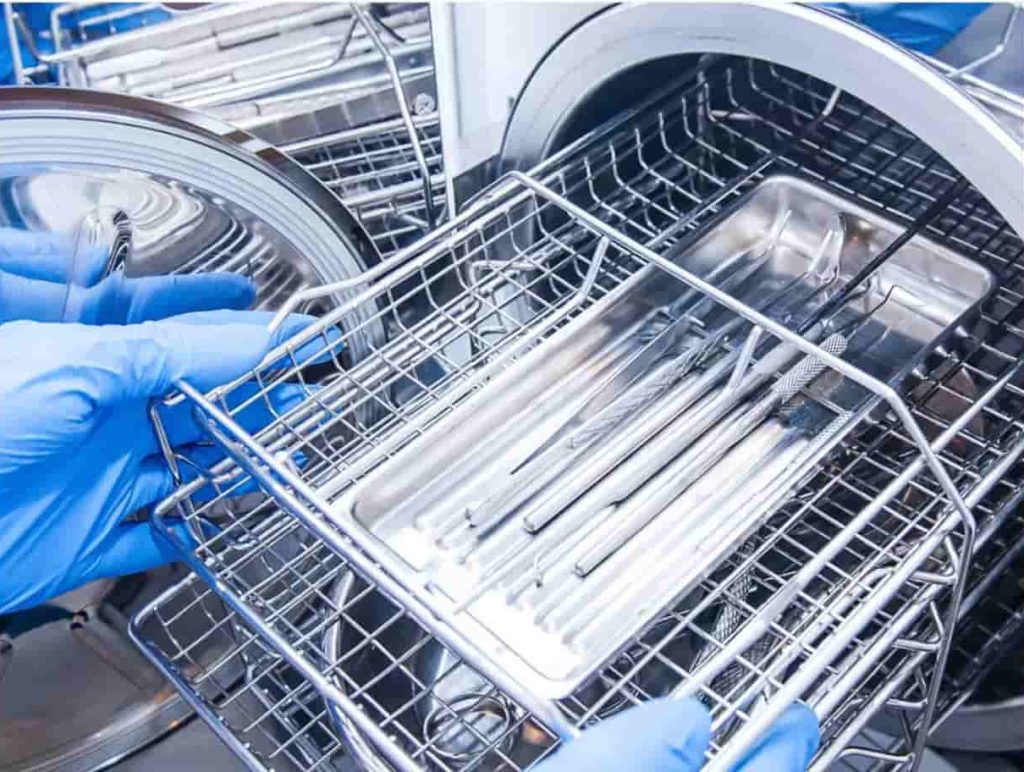
When discussing pharmaceutical sterilization, the term clean steam generator for sterilization is often used interchangeably with PSG, though there are nuances. While pure steam is generally considered the highest grade, a clean steam generator is specifically optimized to supply steam to sterilization equipment like autoclaves, SIP (Sterilization-in-Place) systems, and freeze dryers.
The key differentiator is the validation protocol. A clean steam generator for sterilization must undergo rigorous qualification processes:
-
Installation Qualification (IQ): Verifying that the equipment is installed correctly according to blueprints and material certifications.
-
Operational Qualification (OQ): Testing alarms, interlocks, and operational parameters.
-
Performance Qualification (PQ): Demonstrating that the steam produced consistently meets chemical (conductivity, TOC) and biological (endotoxin) specifications over three consecutive cycles.
For end-users, selecting a generator that supports these validation protocols is critical. Non-compliance can lead to failed regulatory audits from bodies like the FDA or EMA, resulting in costly production stoppages.
The Role of Direct Steam Injection in Pre-Heating Systems
While the PSG is the heart of sterile processing, the supporting utility systems ensure its efficiency. One such supporting technology is the direct steam injection water heater. In pharmaceutical plants, these systems are often used to pre-heat feed water or to sanitize distribution loops.
A direct steam injection water heater operates by injecting industrial steam directly into a stream of water. Unlike indirect heat exchangers (shell and tube), direct injection offers near 100% thermal efficiency because all the latent heat and condensate from the steam are absorbed by the water.
However, caution is required. In a pure steam context, direct injection is typically used on the non-product side (e.g., heating boiler feed water or cleaning solutions). If used incorrectly, it can introduce boiler chemicals into the process water. Modern designs utilize steam spargers or high-turbulence mixing chambers to ensure silent operation and eliminate water hammer, which is a common hazard in poorly designed steam injection systems.
Advanced Applications: The Direct Steam Injection Heater in Biotech
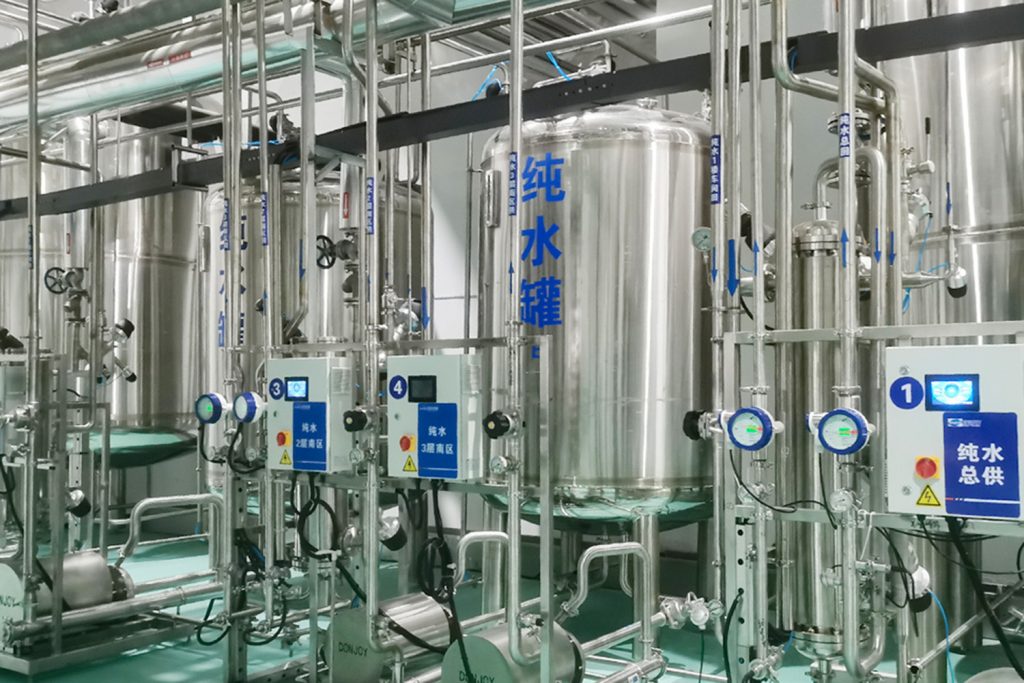
Expanding on the previous concept, the direct steam injection heater finds specialized applications within the biotech sector, specifically in the preparation of hot WFI and in bioreactor heating.
In many modern pharmaceutical facilities, the direct steam injection heater is favored for its instantaneous response. Traditional heat exchangers require a buffer tank to store hot water, which can become a breeding ground for biofilm if not managed properly. In contrast, a direct injection system heats water on-demand.
For a bioreactor, maintaining a precise temperature during fermentation or cell culture is critical. A direct steam injection heater can inject clean steam directly into the jacket water loop or, in some specific applications, directly into the media (if the system is designed for it). This provides rapid heating without the lag time associated with shell-and-tube exchangers. The challenge lies in controlling the “noise” of steam injection—uncontrolled injection leads to vibration and inconsistent temperatures. High-quality systems utilize modulating control valves to maintain a set point with precision, ensuring cell viability is not compromised.
Comparative Analysis: PSG vs. Conventional Industrial Steam
It is a common misconception that filtered industrial steam can replace pure steam. To clarify the technical differences, SKE&EAGLE has compiled a comparison matrix highlighting why a dedicated Pure Steam Generator is non-negotiable in sterile manufacturing.
| Feature | Pure Steam (PSG Output) | Conventional Industrial Steam |
|---|---|---|
| Feed Water | Water for Injection (WFI) / Purified Water | Softened or treated potable water |
| Materials of Construction | 316L Stainless Steel, Electropolished | Carbon steel, copper, or lower-grade steel |
| Chemical Additives | None | Corrosion inhibitors, amines, phosphates |
| Condensate Quality | Meets USP/EP conductivity & endotoxin limits | High conductivity; contains boiler chemicals |
| Application | Direct contact with product; sterilization of equipment | Heating, humidification, non-contact utilities |
| Validation | Full IQ/OQ/PQ required; documented compliance | Standard operational check only |
Why Material Selection Matters in Pure Steam Systems
Corrosion is the enemy of sterility. In a Pure Steam Generator, even minor rust or pitting provides a niche for biofilm formation. Biofilms are communities of bacteria that are notoriously resistant to chemical sanitization. Once established, they can shed endotoxins into the steam, ruining entire batches of pharmaceutical product.
To prevent this, manufacturers like SKE&EAGLE utilize 316L stainless steel with a specific surface finish. Electropolishing is preferred over mechanical polishing because it removes the “smear layer” left by mechanical abrasion, revealing a clean, chromium-rich surface that is passive and resistant to corrosion.
Furthermore, welds must be orbital or autogenous (filler-free) and must be inspected via borescope to ensure smoothness. The design philosophy must adhere to the “3D rule”—dead legs in the piping must be less than three times the pipe diameter to prevent stagnant water pockets where bacteria can proliferate.
Optimizing Energy Efficiency in PSG Operation
Pharmaceutical manufacturers are under increasing pressure to reduce their carbon footprint while maintaining operational excellence. A Pure Steam Generator is an energy-intensive asset. However, several strategies can optimize its efficiency:
-
Heat Recovery: As mentioned, using the hot blow-down water to pre-heat the incoming feed water recovers significant BTUs that would otherwise go to drain.
-
Insulation: High-quality insulation of the generator body and all distribution piping minimizes heat loss to the environment.
-
Condensate Return: Returning pure steam condensate to the feed water tank (provided it meets quality standards) reduces the energy required to heat cold make-up water.
-
Variable Frequency Drives (VFDs): Using VFDs on feed pumps allows the system to ramp production up or down based on real-time demand, rather than cycling on and off, which is inefficient.
By implementing these measures, manufacturers can reduce industrial steam consumption by 15-25%, resulting in substantial annual cost savings.
Common Challenges and Maintenance Strategies
Even the most robust Pure Steam Generator requires a proactive maintenance strategy. Common issues include:
-
Scaling: Although the feed water is WFI, over time, silica or other trace minerals can concentrate in the evaporator chamber, forming scale. This reduces heat transfer efficiency. Regular blow-down cycles and periodic chemical cleaning (CIP) are necessary.
-
Valve Wear: The blow-down valves and steam outlet valves are subject to high temperatures and pressures. Diaphragm valves with PTFE membranes are standard, but they require periodic inspection for fatigue or cracking.
-
Instrument Drift: Conductivity sensors and pressure transmitters can drift out of calibration. A strict calibration schedule (typically every 6-12 months) is essential to maintain data integrity and compliance.
-
Gasket Integrity: Sanitary gaskets (typically EPDM or PTFE) can harden over time due to thermal cycling. Regular replacement prevents leaks that could compromise sterility or pose safety risks.
Conclusion: The SKE&EAGLE Commitment to Quality
Navigating the complexities of pure steam generation requires a partner with deep technical expertise and a commitment to quality. At SKE&EAGLE, we specialize in designing, manufacturing, and validating pharmaceutical water systems that meet the highest global standards.
Whether you require a new Pure Steam Generator, need to upgrade your existing clean steam generator for sterilization, or are looking to integrate a direct steam injection water heater for pre-heating efficiency, our engineering team is ready to deliver solutions tailored to your facility’s needs.
We understand that every component—from the electropolished surface finish to the calibration of the conductivity sensor—plays a role in protecting your product and your patients.
Frequently Asked Questions (FAQ)
Q1: What is the difference between Pure Steam and Clean Steam?
A: While the terms are often used interchangeably in the pharmaceutical industry, there is a subtle distinction. “Pure Steam” strictly adheres to pharmacopoeial specifications (USP, EP) for condensate quality, including endotoxin limits. “Clean Steam” may refer to steam used in sterilization processes that meets chemical purity standards but may not always have the same stringent endotoxin requirements. However, for critical applications like sterilization of injectable drugs, a Pure Steam Generator is the standard.
Q2: Can I use a direct steam injection water heater to heat my WFI distribution loop?
A: It depends on the application. A direct steam injection water heater is highly efficient for instantaneous heating, but if used directly in a WFI loop, you must ensure the injected steam is pure steam, not industrial steam. Industrial steam contains boiler additives that would contaminate the WFI. For sanitization loops, it is common to use pure steam injection to maintain high temperatures.
Q3: How often should a Pure Steam Generator be validated?
A: Initial validation (IQ/OQ/PQ) is required before commissioning. After that, a re-validation is typically performed annually, or more frequently if significant modifications are made. However, with modern automated systems, a Continuous Process Verification (CPV) approach is often adopted, where critical parameters are monitored continuously to ensure the system remains in a state of control.
Q4: What causes water hammer in a direct steam injection heater, and how do I prevent it?
A: Water hammer occurs when steam condenses rapidly in a cold water line, creating a vacuum that causes water to slam into the pipe walls. To prevent this in a direct steam injection heater, ensure the system uses a modulating control valve, a proper sparger or mixing nozzle, and that the water flow is established before the steam valve opens.
Q5: What is the lifespan of a typical Pure Steam Generator?
A: With proper maintenance and operation, a high-quality Pure Steam Generator constructed from 316L stainless steel can last 20 years or more. Critical components like gaskets, diaphragms, and control valves will require replacement every 2-5 years, but the core pressure vessel and heat exchanger should remain serviceable for decades if water treatment and blow-down schedules are adhered to.
Contact SKE & Eagle for Advanced Solutions
For customized system engineering solutions or integration of high-performance water treatment technologies, please contact SKE & Eagle. Our professional team collaborates closely with industrial partners to design, implement, and maintain solutions tailored to your operational needs.
Official Website: https://www.ske-eagle.com/
Contact Email: info@ske-eagle.com
Follow us on Facebook for the latest industry insights: SKE & Eagle Facebook
Business Inquiries: Visit our official website and submit the contact form at the bottom.