

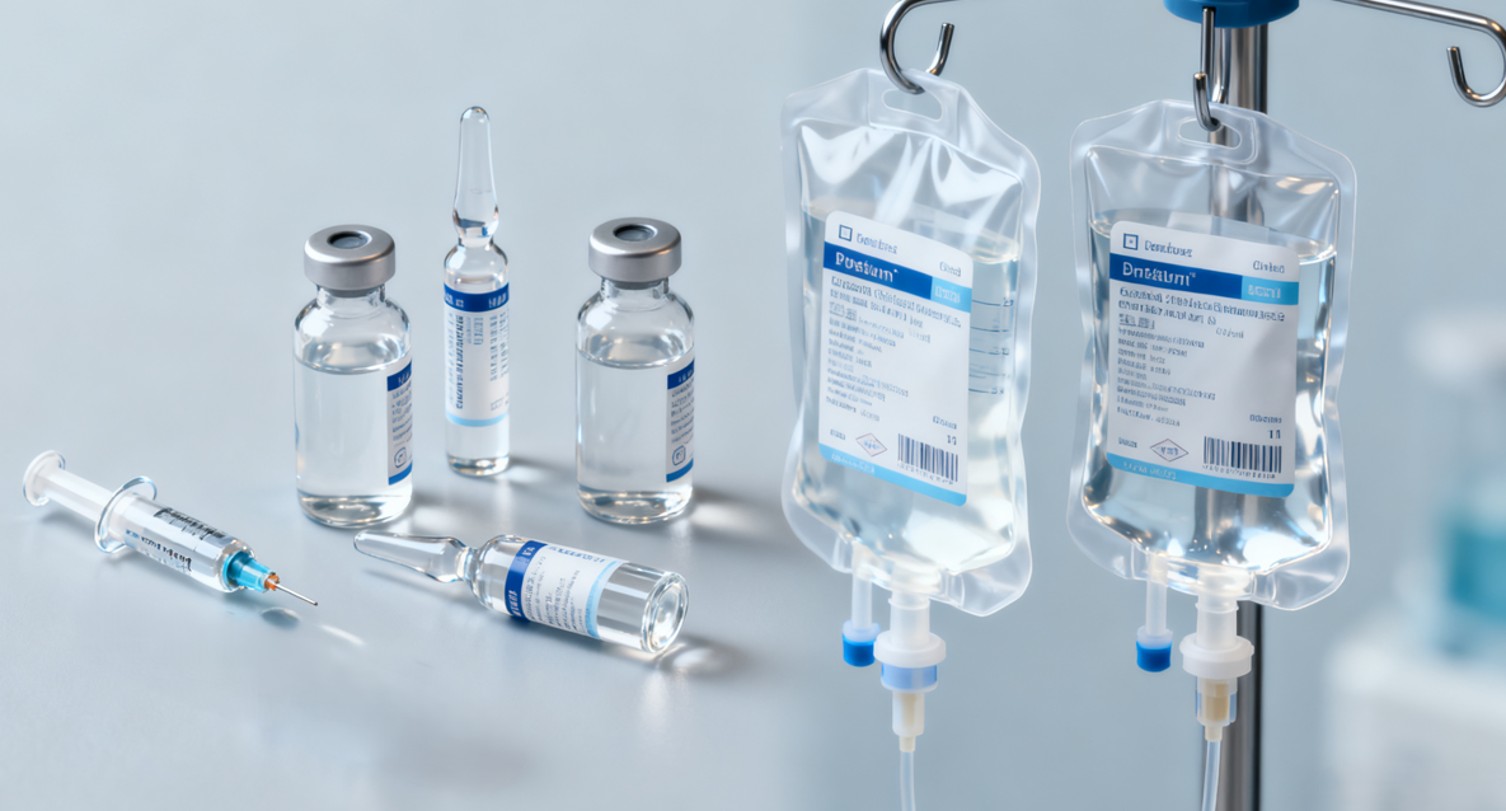
In the global pharmaceutical manufacturing landscape, water is far more than a basic utility—it is a regulated, mission-critical raw material that directly impacts drug safety, efficacy, and regulatory compliance. Water for pharmaceutical standards are enforced by top authorities including the USP, EP, and WHO, leaving zero room for error in purification, handling, and quality control. Even minor deviations in water purity can lead to batch failures, costly recalls, regulatory fines, and irreversible damage to brand reputation. For pharmaceutical equipment manufacturers and production facilities alike, mastering the science and compliance of pharmaceutical water is non-negotiable for sustainable operations.
Unlike tap water or industrial purified water, water for pharmaceutical undergoes rigorous purification and testing to eliminate contaminants, microbes, endotoxins, and organic impurities. Every stage of production, from raw material formulation to equipment sanitation, relies on compliant water sources. This guide breaks down the essential truths about pharmaceutical water, explores cutting-edge purification technologies like reverse osmosis, and clarifies regulatory requirements to help global manufacturers stay ahead of compliance curves and avoid costly pitfalls.
Why Water for Pharmaceutical Is Non-Negotiable for Drug Manufacturing
The use of water in pharmaceutical industry spans every operational corner, making it the most widely used raw material in drug production. It serves as a solvent for active pharmaceutical ingredients (APIs), a cleaning agent for production equipment and storage vessels, a component in oral and topical formulations, and a utility for laboratory testing and aseptic processing. Without consistent, compliant water for pharmaceutical, manufacturers cannot meet GMP (Good Manufacturing Practices) standards or produce medications that meet global quality benchmarks.
Contaminated pharmaceutical water poses severe risks: microbial growth can compromise drug sterility, heavy metals and organic compounds can cause adverse patient reactions, and endotoxins can trigger life-threatening inflammatory responses. Regulatory bodies conduct stringent audits of water systems, and non-compliance results in halted production, product seizures, and permanent barriers to international markets. Investing in high-quality pharmaceutical water systems is not an expense—it is a strategic safeguard for regulatory approval and patient trust.

Reverse Osmosis Pharmaceuticals: The Gold Standard for Purification
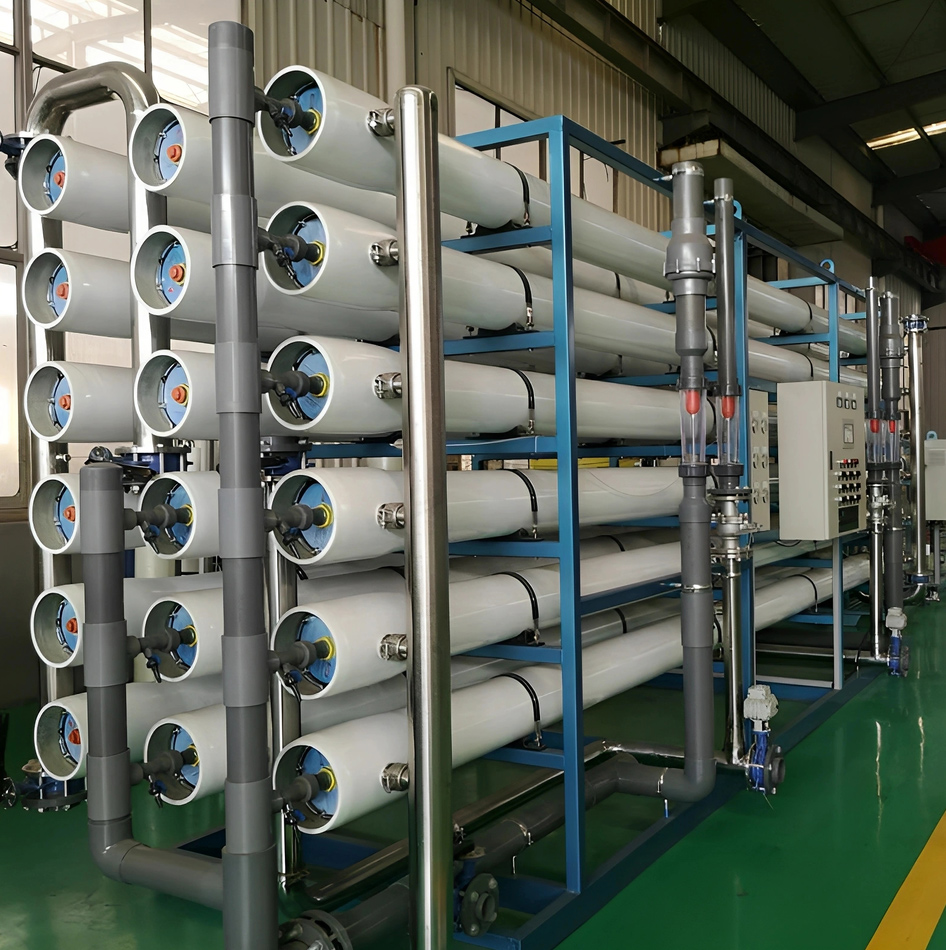
When it comes to producing compliantwater for pharmaceutical, reverse osmosis pharmaceuticals systems stand as the industry’s most reliable and cost-effective purification solution. Reverse osmosis (RO) technology uses a semi-permeable membrane to filter out dissolved solids, bacteria, viruses, ions, and organic contaminants at the molecular level, delivering consistent purified water that meets pharmacopeial standards. Unlike outdated distillation methods, RO systems are energy-efficient, scalable, and easy to integrate into existing production lines.
Modern reverse osmosis pharmaceuticals setups are often paired with complementary purification technologies—such as deionization (DI), ultrafiltration (UF), and UV sterilization—to create a multi-stage treatment train. This hybrid approach ensures water purity exceeds minimum regulatory thresholds, making it suitable for a wide range of pharmaceutical applications. For manufacturers, RO systems reduce long-term operational costs, minimize maintenance downtime, and eliminate the risks associated with inconsistent manual purification processes.
Key Grades & Uses of Purified Water in Pharmaceutical Manufacturing
Not all pharmaceutical water is created equal; the use of purified water in pharmaceutical production varies based on purity grade and intended application. Regulatory bodies define distinct water grades, each with strict chemical, microbial, and endotoxin limits. Understanding these grades is critical to selecting the right purification system and avoiding misapplication that leads to compliance failures. Below is a comprehensive breakdown of the primary pharmaceutical water grades, their specifications, and approved uses:
| Water Grade | Core Purification Method | Regulatory Standards (USP/EP/WHO) | Primary Use of Purified Water in Pharmaceutical |
| Purified Water (PW) | Reverse Osmosis + Deionization | TOC ≤500ppb, Microbial ≤100CFU/mL | Non-parenteral formulations, equipment cleaning, laboratory reagents |
| Highly Purified Water (HPW) | Double-pass RO + Ultrafiltration | Strict endotoxin limits, TOC ≤400ppb | Sterile non-injectable products, pre-treatment for WFI |
| Water for Injection (WFI) | Distillation or Validated RO/UF System | Microbial ≤10CFU/100mL, Endotoxin ≤0.25EU/mL | Injectable drugs, ophthalmic preparations, aseptic processing |
This table highlights the direct link between purification technology and compliant usage. The use of purified water in pharmaceutical production must align with its grade; using lower-purity water for sterile applications is a critical violation that risks patient harm and regulatory action. Partnering with a trusted equipment manufacturer like SKE&EAGLE ensures your RO systems are calibrated to produce the exact water grade your operations require.
3 Hidden Dangers of Poor-Quality Water for Pharmaceutical
Many pharmaceutical manufacturers underestimate the risks of subpar water systems, focusing only on upfront costs instead of long-term compliance and quality. Poorly designed or maintained water for pharmaceutical systems create three catastrophic risks that can derail entire operations. First, microbial biofilm growth in piping and storage tanks leads to persistent contamination, requiring costly system shutdowns for deep cleaning and validation.
Second, inconsistent water purity causes batch-to-batch variability in drug products, leading to failed quality testing and wasted raw materials—expenses that directly erode profit margins. Third, non-compliant water systems trigger regulatory audits and import alerts, blocking access to critical global markets. These dangers are entirely avoidable with robust, validated purification systems like reverse osmosis pharmaceuticals setups and routine monitoring protocols.
Optimizing the Use of Water in Pharmaceutical Industry for Efficiency & Compliance
Balancing operational efficiency and regulatory compliance is key to maximizing the use of water in pharmaceutical industry operations. Smart manufacturing facilities implement closed-loop water systems, which recycle and re-purify wastewater from non-critical processes to reduce consumption and costs. Pairing these loops with real-time monitoring tools for conductivity, TOC, and microbial levels ensures continuous compliance with water for pharmaceutical standards.
Staff training is equally vital: even the most advanced RO systems will fail if operated incorrectly. Regular training on system maintenance, sampling protocols, and contamination response ensures every team member understands their role in preserving water purity. Additionally, conducting annual system validation and risk assessments identifies potential issues before they escalate, keeping production on track and compliant with evolving global regulations.
How to Select the Right Reverse Osmosis Pharmaceuticals System
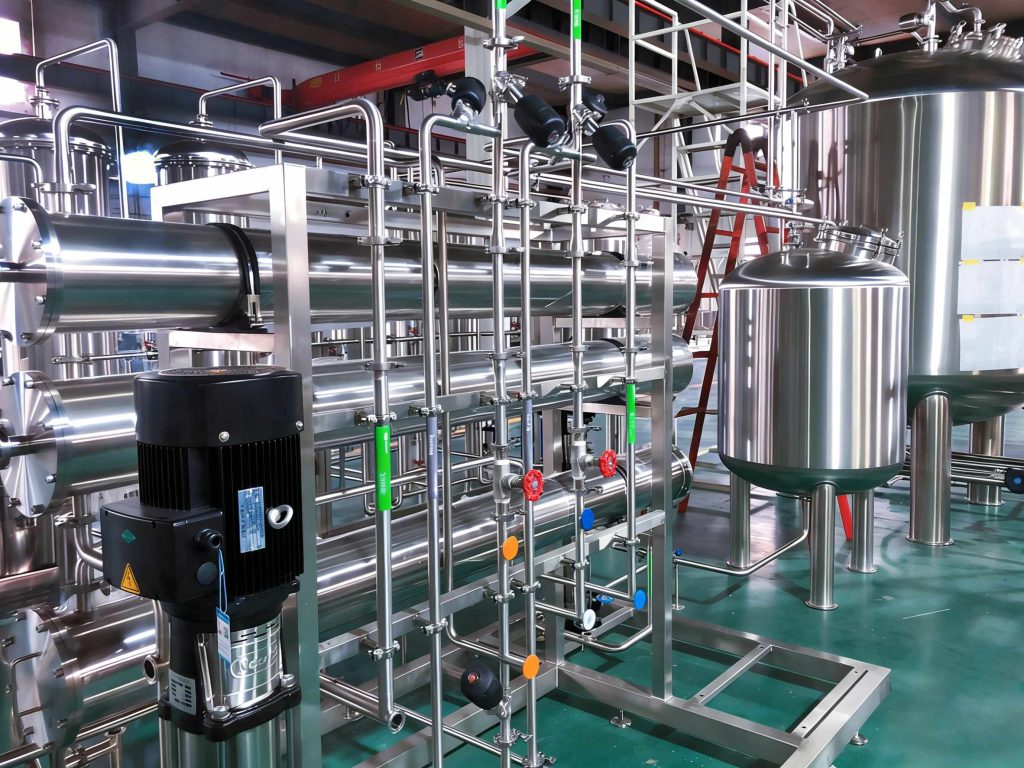
Not all RO systems are designed for pharmaceutical use, and selecting the wrong equipment is a costly mistake. When choosing a reverse osmosis pharmaceuticals system, prioritize GMP-compliant design, sanitary materials (such as 316L stainless steel), and automated monitoring capabilities. The system should be scalable to match production growth and customizable to meet specific water grade requirements for your product line.
Partner with a manufacturer that offers end-to-end support, from system design and installation to validation and ongoing maintenance. SKE&EAGLE specializes in custom pharmaceutical water purification systems, engineered to meet strict global water for pharmaceutical standards. Our RO setups are tested for performance consistency, easy sanitization, and minimal downtime, ensuring your facility maintains uninterrupted, compliant water supply.
Future Trends: Evolving Standards for Water for Pharmaceutical
Regulatory standards for water for pharmaceutical are continuously evolving to enhance patient safety, with stricter limits on contaminants and more rigorous validation requirements. The industry is shifting toward fully automated, IoT-connected water systems that enable real-time data tracking, remote monitoring, and predictive maintenance—reducing human error and improving compliance transparency. Additionally, sustainable purification technologies are gaining traction, as manufacturers aim to reduce water waste and energy consumption.
The use of purified water in pharmaceutical production will also expand as personalized medicine and biotech manufacturing grow, demanding even higher purity levels and more flexible purification systems. Staying ahead of these trends requires investing in modular, upgradeable RO systems and partnering with equipment manufacturers that prioritize innovation and regulatory expertise.
Frequently Asked Questions (FAQ)
Q1: What is the primary difference between purified water and water for pharmaceutical grades?
A: Standard purified water is designed for general industrial use, while water for pharmaceutical grades meet strict USP, EP, and WHO standards for chemical purity, microbial control, and endotoxin levels. The use of purified water in pharmaceutical manufacturing is limited to specific non-sterile applications, whereas pharmaceutical-grade water is validated for use in drug production and regulated at every stage of production and distribution.
Q2: Why is reverse osmosis the preferred method for pharmaceutical water purification?
A: Reverse osmosis pharmaceuticals systems deliver consistent, scalable purification that removes 99% of contaminants, including dissolved solids, bacteria, and organic compounds. Unlike distillation, RO is energy-efficient, cost-effective, and easily integrated into multi-stage treatment trains to meet strict water for pharmaceutical standards. It also requires less maintenance and space, making it ideal for both small-scale labs and large production facilities.
Q3: How often should pharmaceutical water systems be validated and tested?
A: Initial validation ofwater for pharmaceutical systems requires three phases of testing over at least 12 months to account for seasonal water quality changes. Routine testing includes daily online monitoring of conductivity and TOC, weekly microbial testing, and monthly full chemical analysis. Annual system re-validation and risk assessments are mandatory to maintain GMP compliance and ensure consistent performance of reverse osmosis pharmaceuticals setups.
Q4: Can I use the same purified water for all pharmaceutical manufacturing processes?
A: No, the use of water in pharmaceutical industry is strictly graded based on application. Purified Water (PW) is used for non-sterile products and equipment cleaning, while Water for Injection (WFI) is required for injectable and sterile medications. Using incorrect water grades violates regulatory standards and compromises drug safety. Always match water purity to the specific manufacturing process and regulatory requirements.
Q5: What are the most common contaminants that affect water for pharmaceutical quality?
A: Common contaminants include bacteria, fungi, endotoxins, dissolved ions, heavy metals, total organic carbon (TOC), and particulate matter. These contaminants are effectively removed by properly designedreverse osmosis pharmaceuticals systems with multi-stage filtration. Regular monitoring and sanitization prevent biofilm growth and contamination, ensuring water remains compliant with water for pharmaceutical standards.
Final Thoughts
In the pharmaceutical industry, water is not a resource to overlook—it is the foundation of safe, compliant drug manufacturing. Water for pharmaceutical purity directly impacts product quality, regulatory approval, and patient trust, making investments in high-performance purification systems imperative. By leveraging reverse osmosis pharmaceuticals technology, optimizing the use of purified water in pharmaceutical processes, and adhering to strict regulatory guidelines, manufacturers can eliminate risks, reduce costs, and scale their global operations confidently.
At SKE&EAGLE, we design and manufacture cutting-edge pharmaceutical water purification systems tailored to global regulatory standards. Our expert team delivers custom solutions, end-to-end validation, and ongoing support to ensure your facility maintains flawlesswater for pharmaceutical quality. Contact us today to learn how our reverse osmosis systems can elevate your manufacturing compliance and efficiency.