

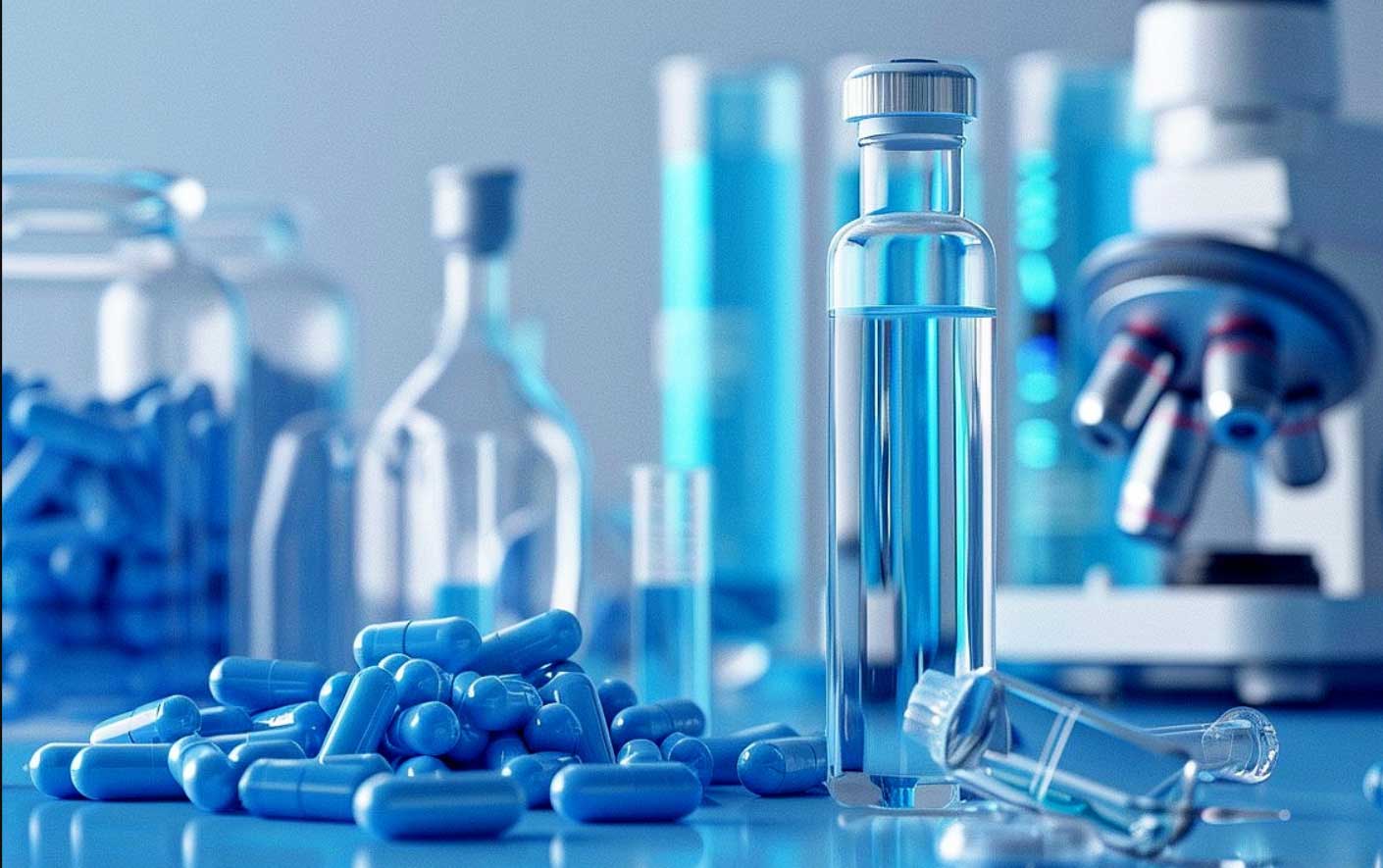
Water is the unsung hero of pharmaceutical manufacturing, serving as a solvent, cleaning agent, and even an active ingredient in many medications. However, ordinary tap water or groundwater is far from suitable for pharmaceutical use—its impurities, microbes, and dissolved solids can ruin drug efficacy, compromise patient safety, and lead to costly regulatory penalties. This is where water purification in pharmaceutical industry becomes non-negotiable, acting as a critical barrier between raw water and safe, compliant pharmaceutical products. For pharmaceutical manufacturers and healthcare facilities worldwide, understanding the importance of high-quality water purification systems is key to maintaining industry standards and avoiding devastating setbacks.
SKE&EAGLE, a leading global pharmaceutical equipment manufacturer, specializes in designing and supplying cutting-edge water purification system in pharmaceutical industry and water purification systems for hospitals. With years of expertise in meeting strict international standards (including USP, EP, and FDA requirements), we help businesses overcome water purification challenges, ensuring consistent, reliable, and compliant water quality for every stage of pharmaceutical production and hospital operations. In this article, we break down the most essential aspects of water purification in pharmaceutical industry, from its core importance to common pitfalls and solutions.
1.The Devastating Risks of Neglecting Water Purification in Pharmaceutical Industry
Neglecting proper water purification in pharmaceutical industry is not just a regulatory violation—it’s a threat to patient lives and a company’s reputation. Pharmaceutical products are highly sensitive to contaminants; even trace amounts of heavy metals, bacteria, endotoxins, or organic compounds can render a medication ineffective, cause adverse reactions, or lead to product recalls. For example, endotoxins in water used for injectable drugs can trigger severe fever, sepsis, or even death in patients, while dissolved solids can alter the chemical composition of medications, reducing their potency.
Beyond patient safety, poor water purification leads to costly consequences for manufacturers. Regulatory bodies like the FDA and EMA impose strict fines for non-compliant water quality, and product recalls can cost millions in lost revenue and brand damage. In contrast, investing in a high-quality water purification system in pharmaceutical industry mitigates these risks, ensuring compliance, protecting patients, and safeguarding your business from avoidable losses. Don’t let a preventable mistake undermine your hard work—prioritize water purification to avoid these catastrophic outcomes.
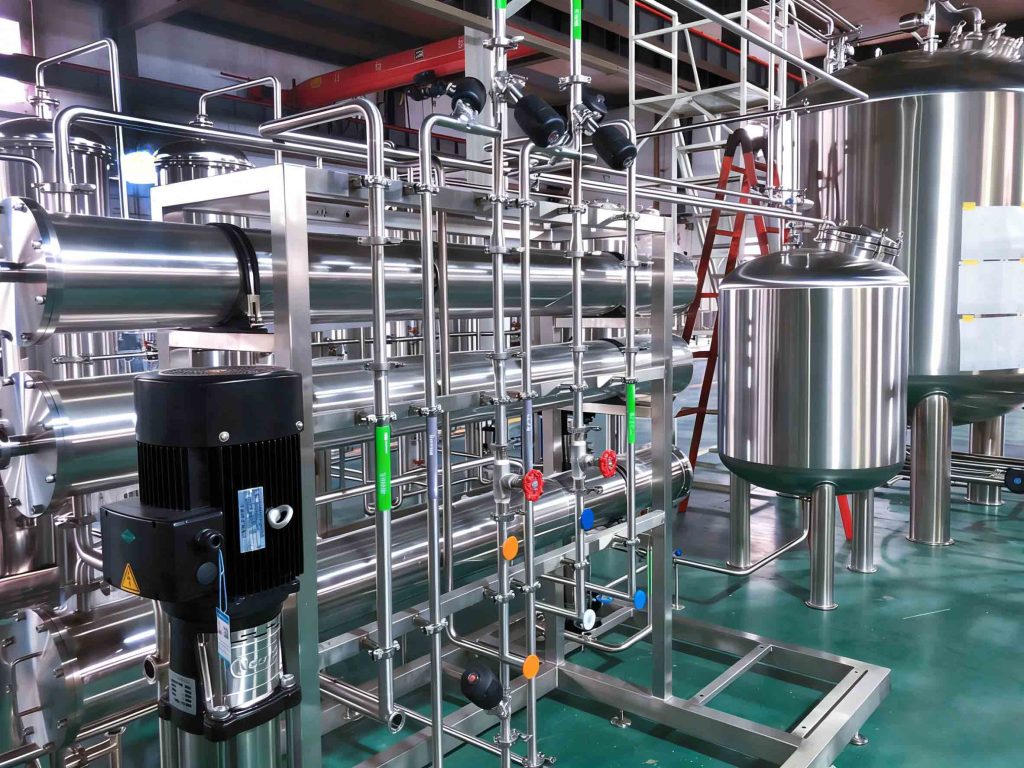
2.Key Differences Between Water Purification System in Pharmaceutical Industry and Water Purification Systems for Hospitals
While both water purification system in pharmaceutical industry and water purification systems for hospitals share the goal of producing clean, safe water, their design, requirements, and applications differ significantly. Pharmaceutical water purification systems must meet extremely strict standards for purity, as water is used directly in drug formulation, raw material washing, and equipment sterilization. These systems often require advanced technologies to remove even the smallest contaminants, including endotoxins and trace organic compounds.
On the other hand, water purification systems for hospitals are tailored to meet the diverse needs of healthcare settings, such as dialysis, surgical instrument cleaning, laboratory testing, and patient care. While purity is still critical, hospital systems may prioritize different contaminants (e.g., bacteria for surgical equipment, dissolved solids for dialysis) and must be designed for continuous, reliable operation to support 24/7 hospital workflows. Understanding these differences is essential for choosing the right system for your specific needs.
| Feature | Water Purification System in Pharmaceutical Industry | Water Purification Systems for Hospitals |
| Primary Purpose | Drug formulation, raw material cleaning, equipment sterilization, and compliance with pharmaceutical standards (USP, EP, FDA) | Dialysis, surgical instrument cleaning, laboratory testing, patient care, and infection control |
| Purity Requirements | Extremely high—removal of endotoxins, trace heavy metals, organic compounds, and microbes (often <10 CFU/mL) | High—focus on bacteria, dissolved solids, and contaminants that impact patient safety and medical equipment |
| Key Technologies | Reverse Osmosis (RO), EDI (Electrodeionization), UV sterilization, and advanced filtration | RO, carbon filtration, softening, UV sterilization, and sterile filtration |
| Regulatory Standards | USP, EP, FDA, and GMP (Good Manufacturing Practices) | ISO, FDA, and healthcare-specific standards (e.g., YY0572 for dialysis water) |
3.Essential Technologies Powering Effective Water Purification in Pharmaceutical Industry
Achieving the strict purity standards required for water purification in pharmaceutical industry relies on a combination of advanced technologies, each targeting specific contaminants. No single technology can address all impurities, so the most effective systems integrate multiple processes to ensure comprehensive purification. At SKE&EAGLE, we design systems that combine these technologies to deliver consistent, compliant water, tailored to each client’s unique needs.
Reverse Osmosis (RO) is the backbone of most pharmaceutical water purification systems, using a semi-permeable membrane to remove up to 99% of dissolved solids, bacteria, viruses, and organic compounds. This technology is critical for reducing the initial contaminant load, making it easier for subsequent processes to achieve the required purity. EDI (Electrodeionization) is another key technology, combining ion exchange and electrolysis to remove trace ions and endotoxins, producing high-purity water without the need for chemical regeneration—making it eco-friendly and cost-effective.
UV sterilization and ozone treatment are also essential for eliminating microbes, ensuring that the final water is free from bacteria, fungi, and viruses. UV light disrupts the DNA of microbes, preventing them from reproducing, while ozone acts as a powerful oxidizer to destroy contaminants. Together, these technologies create a robust purification process that meets the most stringent pharmaceutical standards, ensuring safe and effective medications.
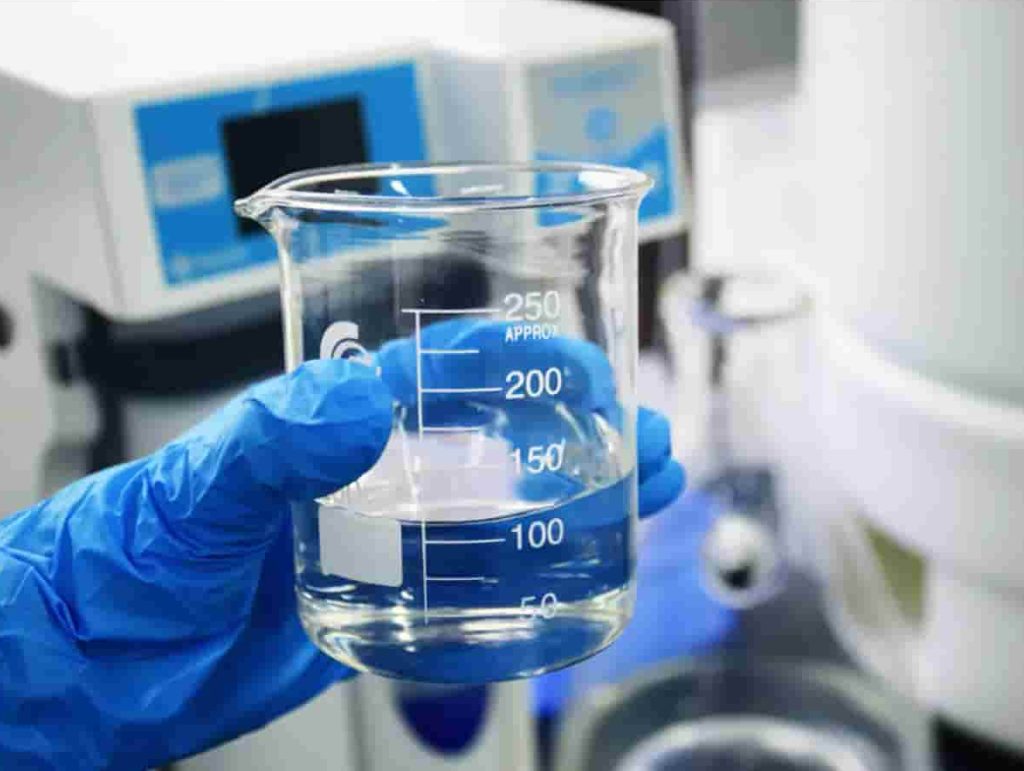
4.Common Challenges in Water Purification in Pharmaceutical Industry (And How to Solve Them)
Even with advanced technologies, water purification in pharmaceutical industry faces several common challenges that can compromise water quality and system efficiency. One of the most significant issues is inconsistent feed water quality—seasonal changes, variations in groundwater composition, and industrial pollution can all affect the raw water, leading to fluctuations in purification performance. This inconsistency can result in non-compliant water, requiring costly rework or product disposal.
Another major challenge is system maintenance. Pharmaceutical water purification systems are complex, with multiple components that require regular inspection and upkeep. Neglecting maintenance can lead to membrane fouling, reduced efficiency, and even system failure, which can halt production and cause significant downtime. Additionally, regulatory compliance is an ongoing challenge, as standards are constantly updated, requiring manufacturers to adapt their systems to meet new requirements.
SKE&EAGLE addresses these challenges with proactive solutions. Our systems include advanced monitoring tools to track feed water quality in real time, adjusting purification processes automatically to maintain consistency. We also offer comprehensive maintenance services, ensuring that your system operates at peak efficiency and remains compliant with the latest standards. With our expertise, you can overcome these common pitfalls and ensure reliable, compliant water purification.
5.Why SKE&EAGLE’s Water Purification Solutions Stand Out for Pharmaceutical and Hospital Needs
When it comes to water purification in pharmaceutical industry and water purification systems for hospitals, not all manufacturers are created equal. SKE&EAGLE has established itself as a trusted partner for global pharmaceutical and healthcare companies, thanks to our commitment to quality, innovation, and customer satisfaction. Our systems are designed to meet the strictest international standards, ensuring compliance and reliability for every client.
We pride ourselves on offering customized solutions—no two pharmaceutical facilities or hospitals have the same needs, so we work closely with our clients to design systems that fit their specific requirements, from small-scale laboratory systems to large-scale production lines. Our team of experts has years of experience in the industry, providing technical support, installation, and maintenance services to ensure that your system operates seamlessly, minimizing downtime and maximizing efficiency.
Additionally, SKE&EAGLE’s systems are designed with sustainability in mind, reducing water waste and energy consumption while maintaining high purification performance. We understand the importance of reducing environmental impact, and our solutions help our clients achieve their sustainability goals without compromising on quality or compliance. Choose SKE&EAGLE for reliable, efficient, and eco-friendly water purification solutions.
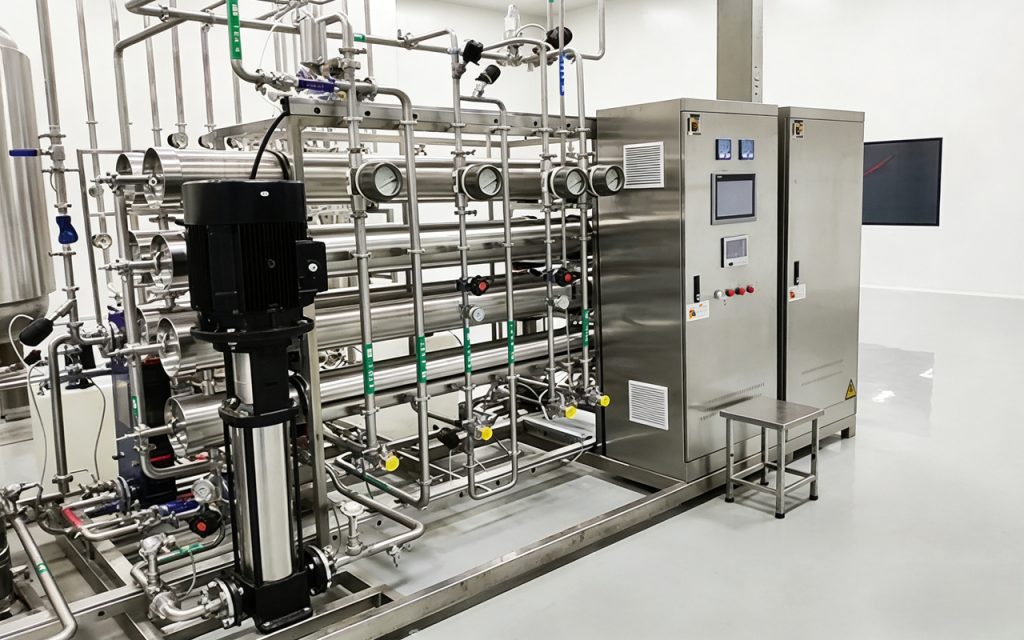
FAQ: Everything You Need to Know About Water Purification in Pharmaceutical Industry
Q1: What are the key regulatory standards for water purification in pharmaceutical industry?
A1: The most important regulatory standards include the United States Pharmacopeia (USP), European Pharmacopeia (EP), Food and Drug Administration (FDA) guidelines, and Good Manufacturing Practices (GMP). These standards define the required purity levels for pharmaceutical water, including limits for endotoxins, microbial count, conductivity, and total organic carbon (TOC). Compliance with these standards is mandatory for pharmaceutical manufacturers to ensure patient safety and avoid regulatory penalties.
Q2: How often should a water purification system in pharmaceutical industry be maintained?
A2: The frequency of maintenance depends on the system size, technology, and usage, but most systems require monthly inspections and routine maintenance (e.g., membrane cleaning, filter replacement) every 3–6 months. Annual comprehensive audits are also recommended to ensure compliance and system efficiency. SKE&EAGLE offers customized maintenance plans to fit your system’s specific needs, reducing the risk of breakdowns and non-compliance.
Q3: Can the same water purification system be used for both pharmaceutical manufacturing and hospital applications?
A3: In most cases, no—water purification system in pharmaceutical industry and water purification systems for hospitals have different design requirements and purity standards. Pharmaceutical systems require higher purity to meet drug formulation needs, while hospital systems are tailored to specific healthcare applications (e.g., dialysis, instrument cleaning). However, SKE&EAGLE can design versatile systems that can be adapted to meet multiple needs, depending on your facility’s requirements.
Q4: What are the most common contaminants in pharmaceutical water, and how are they removed?
A4: Common contaminants include dissolved solids, bacteria, viruses, endotoxins, heavy metals, and organic compounds. These are removed using a combination of technologies: RO for dissolved solids and microbes, EDI for trace ions and endotoxins, UV sterilization for microbes, and carbon filtration for organic compounds and chlorine. SKE&EAGLE’s systems integrate these technologies to ensure comprehensive contaminant removal.
Q5: How does SKE&EAGLE ensure its water purification systems meet international standards?
A5: SKE&EAGLE’s systems are designed and tested in accordance with USP, EP, FDA, and ISO standards. We use high-quality components from trusted suppliers, conduct rigorous quality control checks during manufacturing, and provide documentation to prove compliance. Our team of experts stays up-to-date with the latest regulatory changes, ensuring that our systems always meet or exceed industry requirements.
6.The Future of Water Purification in Pharmaceutical Industry: Trends to Watch
The pharmaceutical industry is constantly evolving, and water purification technology is no exception. One of the most significant trends in water purification in pharmaceutical industry is the shift toward more sustainable and energy-efficient systems. As environmental regulations become stricter and companies prioritize sustainability, there is a growing demand for systems that reduce water waste, energy consumption, and chemical use.
Another key trend is the integration of digital technology and automation. Smart water purification systems, equipped with real-time monitoring, data analytics, and remote control capabilities, are becoming increasingly popular. These systems allow manufacturers to track water quality, detect issues early, and optimize system performance, reducing downtime and ensuring compliance. SKE&EAGLE is at the forefront of this trend, incorporating smart technology into our systems to provide our clients with greater control and efficiency.
Additionally, there is a growing focus on modular and scalable systems. Pharmaceutical manufacturers and hospitals often need to expand their operations, and modular systems allow for easy scaling without significant downtime or additional infrastructure costs. SKE&EAGLE’s modular water purification solutions are designed to grow with your business, ensuring that you always have the capacity to meet your changing needs.
7.Final Thoughts: Prioritize Water Purification in Pharmaceutical Industry for Long-Term Success
Water purification in pharmaceutical industry is not an optional expense—it’s an investment in patient safety, regulatory compliance, and business success. Neglecting proper water purification can lead to devastating consequences, including product recalls, fines, and damage to your brand. By investing in a high-quality water purification system in pharmaceutical industry or water purification systems for hospitals, you can ensure consistent, compliant water quality, protect your patients, and position your business for long-term growth.
SKE&EAGLE is committed to helping pharmaceutical and healthcare companies worldwide meet their water purification needs. With our customized solutions, advanced technology, and comprehensive support, we make it easy to achieve and maintain the strictest water quality standards. Whether you need a system for pharmaceutical manufacturing, hospital operations, or laboratory use, we have the expertise and experience to deliver a solution that fits your needs.
Don’t wait until a problem arises—contact SKE&EAGLE today to learn more about our water purification solutions and how we can help you succeed in the competitive pharmaceutical and healthcare industries. Your patients, your business, and your reputation depend on it.