

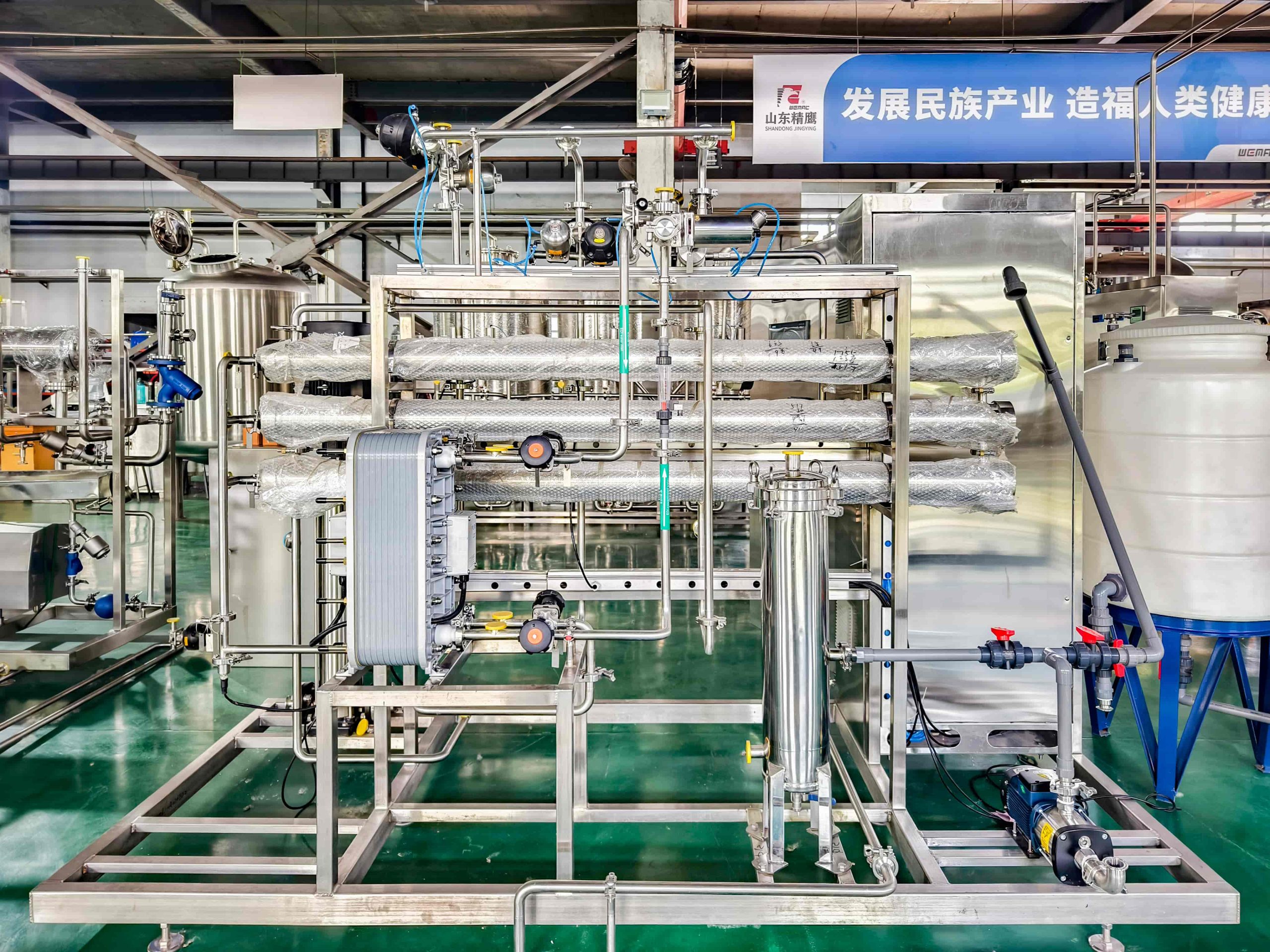
- 3-A Sanitary Standards require equipment to be nontoxic, cleanable, inspectable, and durable enough for its intended use, verified through third-party (TPV) inspection before the 3-A symbol can be displayed (Food Safety Magazine, 2025).
- Baseline surface finish requirements call for 300-series stainless steel at 32 Ra microinch or better on product-contact surfaces, with critical systems often specifying electropolished finishes well below that.
- P3-A Sanitary Standards specifically cover pharmaceutical production equipment, separate from the core dairy/food-focused 3-A standards.
What Are 3-A Sanitary Standards?
3-A Sanitary Standards are hygienic design standards published by 3-A Sanitary Standards, Inc. (3-A SSI), an independent nonprofit, covering equipment used across food, dairy, beverage, and pharmaceutical manufacturing. The system splits into four parts: core 3-A Sanitary Standards, 3-A Accepted Practices, E3-A (egg processing equipment), and P3-A, which covers pharmaceutical production equipment specifically (Food Safety Magazine, 2025).
What Are the Core Technical Requirements?
The fundamental criteria are simple to state and demanding to meet: equipment must be nontoxic, cleanable, inspectable, and able to withstand its intended operating conditions. In practice this means 300-series stainless steel construction, a minimum 32 Ra microinch surface finish on product-contact surfaces, self-draining geometry, and full accessibility for cleaning and inspection.
“Product-contact surfaces” is defined broadly, it covers not just surfaces the product directly touches, but any surface where residue, liquid, or contaminants could drip, drain, or be drawn back into contact with the product stream. That’s a stricter definition than many manufacturers assume when they’re first designing to the standard.
How Does 3-A Certification Work?
A Third-Party Verification (TPV) inspection checks materials of construction and every applicable clause in the relevant 3-A standard, each one reviewed and marked conforming or not applicable by a Certified Conformance Evaluator before a report can be approved. Only after that process is complete can equipment display the 3-A symbol.
How Do 3-A Standards Apply to Pharmaceutical Equipment?
P3-A Sanitary Standards adapt the same nontoxic/cleanable/inspectable framework specifically for pharmaceutical production equipment, tanks, piping, valves, and process vessels. Combined with tri-clamp fittings and validated CIP/SIP cleaning systems, 3-A-compliant sanitary design reduces the contamination risk that shows up repeatedly in equipment-related regulatory findings across both food and pharmaceutical manufacturing.
Frequently Asked Questions
What is the difference between 3-A and P3-A standards?
Core 3-A Sanitary Standards cover dairy and food processing equipment, while P3-A Sanitary Standards apply the same hygienic design principles specifically to pharmaceutical production equipment.
What surface finish does 3-A certification require?
The baseline requirement is 300-series stainless steel with a minimum 32 Ra microinch surface finish on product-contact surfaces, though critical pharmaceutical applications often specify electropolished finishes well below that minimum.
How is equipment certified to 3-A standards?
A Certified Conformance Evaluator performs a Third-Party Verification inspection covering materials of construction and every applicable standard clause. Only equipment that passes this review can display the 3-A symbol.