
...

SKE & EAGLE

ske-eagle food equipment

Comprehensive Guide to cGMP Equipment: Standards, Design, and Applications


Understanding cGMP and Its Importance in Manufacturing

Current Good Manufacturing Practice, widely known as cGMP, is a critical regulatory framework that governs the manufacturing processes and equipment used across pharmaceutical, biotechnology, food, and other high-integrity industries. cGMP mandates standards that ensure quality, safety, and efficacy through rigorous controls on manufacturing equipment, facility design, operational methods, and comprehensive documentation.

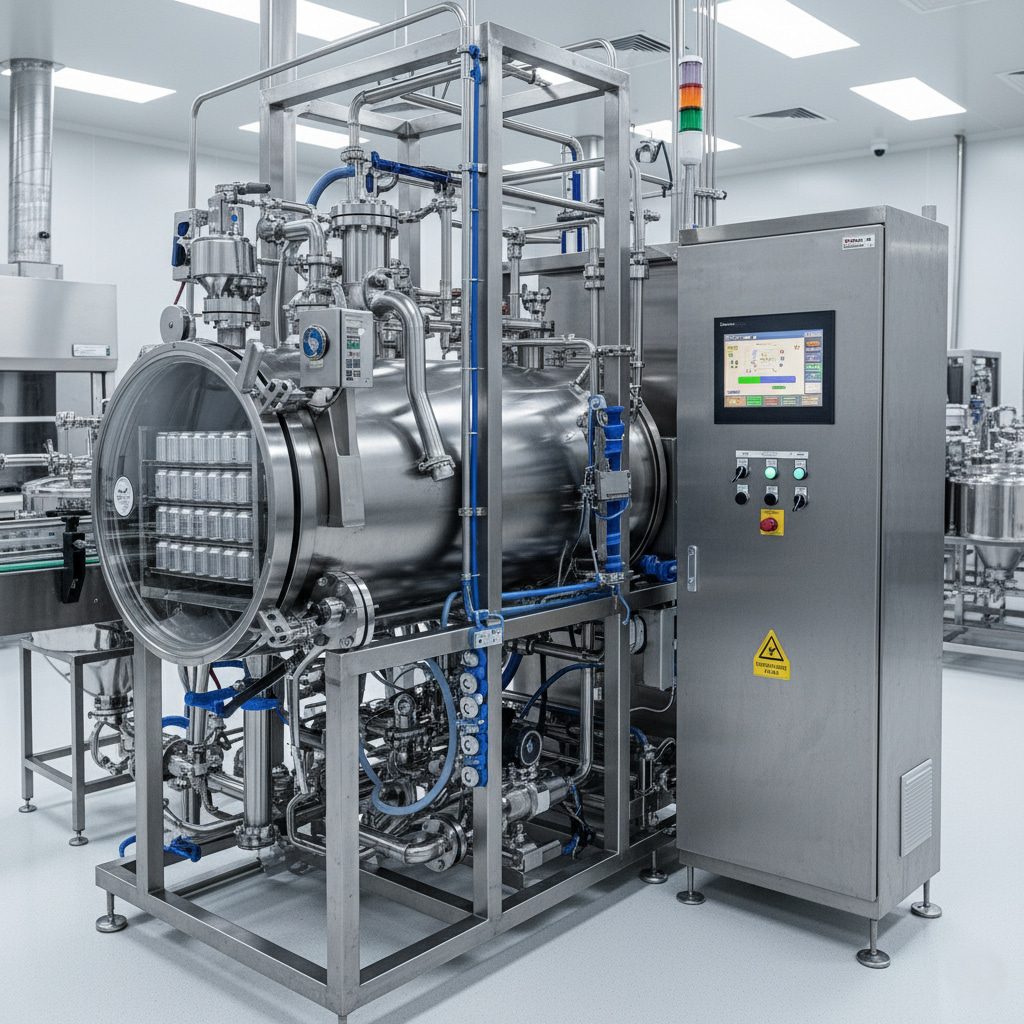
cGMP equipment specifically refers to machinery and apparatus that comply with these standards to prevent contamination, cross-contamination, and ensure reproducibility. The main keyword, cGMP equipment, embodies the technological and engineering solutions that meet or exceed these stringent norms.

The philosophy behind cGMP is founded on the principle that manufacturing quality cannot be tested into the end product but must be built into the process. Therefore, the design, selection, and maintenance of equipment are paramount. This includes ensuring sanitary design, cleanability, material compatibility, and validation capabilities.

From an engineering standpoint, cGMP equipment integrates advanced materials like stainless steel 316L, electropolished surfaces, and hygienic seals to maintain aseptic environments. These design choices link to FDA and EMA requirements, harmonizing with global quality standards.

Moreover, with the adoption of Industry 4.0 technologies, cGMP equipment now incorporates automation, data traceability, and advanced monitoring to uphold integrity and enable immediate corrective actions in manufacturing environments. This blend of stringent compliance and modern engineering forms the backbone of quality system reliability.

Understanding cGMP equipment is essential not only for regulatory compliance but also for optimizing operational consistency, reducing batch failures, and ultimately safeguarding public health.

Technical Design Principles of cGMP Equipment

The technical design of cGMP equipment demands a methodical approach rooted in engineering excellence and a deep understanding of regulatory expectations. Key design principles focus on ensuring that equipment supports aseptic processing, prevents contamination, and facilitates validated cleaning and maintenance operations.

Material selection is foundational. Industries adhering to cGMP standards typically require equipment fabricated from corrosion-resistant, non-porous materials such as 316L Stainless Steel. These materials provide smooth, electropolished surfaces that minimize microbial adhesion and biofilm formation, critical for maintaining sterile manufacturing conditions.

Surface finish quality is quantitatively specified, often as a Ra value below 0.4 micrometers (~16 microinches). Advanced surface treatments like electropolishing reduce surface roughness, enhancing cleanability by eliminating microscopic crevices.

Mechanical design must anticipate and prevent product entrapment or dead legs within fluid handling and process piping systems. This is achieved by employing sanitary fittings such as tri-clamp connections and adhering to hygienic design codes like those from 3-A Sanitary Standards.

Operational automation is gracefully integrated with control systems ensuring precise process parameters are maintained and data recording complies with ALCOA+ principles (Attributable, Legible, Contemporaneous, Original, Accurate, plus Complete, Consistent, Enduring, and Available). This integration supports electronic batch records and facilitates audit-readiness.

Diagram: Typical Sanitary CIP (Clean-In-Place) Loop in cGMP Equipment Design
The illustration shows a closed-loop cleaning system with valves and sensors arranged to allow automated detergent and rinse cycles without disassembly, preserving sterility.

When designing cGMP equipment, the principles of modularity and ease of disassembly are crucial, particularly for inspection and maintenance tasks. Modular design reduces downtime and enhances operational efficiency.

At SKE & Eagle, engineering rigor ensures that all cGMP equipment designs comply with international standards such as ISO 13485 for medical devices and FDA 21 CFR Part 11 for data integrity, integrating advanced engineering methods tailored to meet precision manufacturing requirements.

Key Compliance Standards and Regulatory Considerations

cGMP compliance is governed by multiple regulatory frameworks globally, which provide detailed guidelines for equipment design, validation, and operation. The U.S. Food and Drug Administration (FDA), European Medicines Agency (EMA), and International Council for Harmonisation (ICH) among others play pivotal roles in defining these standards.

One of the most influential documents is FDA’s 21 CFR Parts 210 and 211, which articulate specific requirements for the design and control of manufacturing equipment, including installation qualification (IQ), operational qualification (OQ), and performance qualification (PQ) processes.

Regulators expect the implementation of validation protocols to verify that cGMP equipment consistently produces outputs within predetermined specifications. These protocols are often supported by comprehensive documentation such as design specifications, user requirements specifications (URS), and risk assessments adhering to standards like ISO 14971 for risk management.

Compliance also extends to manufacturing environment control, where equipment plays a role in supporting cleanrooms classified under ISO 14644 standards. Proper airflow, filtration, and environmental monitoring systems integrated with cGMP equipment ensure aseptic conditions and reduce particulate and microbial contamination risks.

The pharmaceutical and biotech sectors must also satisfy electronic record regulations outlined in FDA 21 CFR Part 11, requiring secure auditing and traceability features embedded within automated cGMP equipment systems.

Moreover, cGMP equipment must be designed to support cleaning and sanitization validation according to USP Cleaning Validation chapters and comparable EMA guidelines. This is critical for multi-product facilities to mitigate cross-contamination risks.

Organizations such as SKE & Eagle integrate these regulatory mandates into every product development cycle, employing a quality-by-design (QbD) approach to ensure compliance and facilitate smoother regulatory inspections and approvals.

Applications of cGMP Equipment in Different Industries

The application spectrum of cGMP equipment spans multiple high-stakes industries where product integrity and safety are paramount. Although cGMP originated in pharmaceuticals, its scope now includes medical devices, food and beverage production, biotechnology, and cosmetics manufacturing.

In pharmaceutical manufacturing, cGMP equipment is utilized in batch reactors, filtration systems, aseptic filling lines, and lyophilizers. Each unit incorporates sanitary design features to maintain sterility and enable rigorous cleaning validation. For example, SKE & Eagle’s skid-mounted ultrafiltration systems are designed with hygienic pipework and automated CIP/SIP capabilities to ensure consistent product quality.

Biotechnology applications require equipment that handles sensitive biological materials without contamination or loss of viability. This includes bioreactors and downstream processing systems that demand precise temperature and pH controls integrated into validated equipment designs.

The food and beverage sector applies cGMP principles to liquid processing, blending, and packaging equipment to comply with FDA Food Safety Modernization Act (FSMA) requirements. Although the microbiological hazards differ from pharmaceuticals, the emphasis on hygiene, product safety, and traceability aligns with cGMP equipment standards.

Medical device manufacturing also benefits from cGMP equipment standards, especially in assembly and sterilization processes. Equipment compliant with ISO 13485 is often aligned with cGMP concepts to ensure device safety and effectiveness.

Across these industries, equipment manufacturers like SKE & Eagle provide tailored solutions that include modular clean-in-place skid systems, sanitary pumps, and valves engineered to meet each sector’s specific regulatory and process needs, ensuring scalable and reliable production.

SKE & Eagle’s Engineering Expertise in cGMP Equipment Solutions

SKE & Eagle leverages decades of engineering expertise to deliver highly reliable, quality-driven cGMP equipment tailored for complex manufacturing environments. Their design philosophy aligns with industry best practices for hygienic process equipment, integration flexibility, and lifecycle serviceability.

Rooted in precision water treatment and fluid control experience, SKE & Eagle supports cGMP process requirements by offering advanced skid-mounted systems incorporating ultrafiltration, reverse osmosis, and ultraclean water production—critical utilities in biopharmaceutical manufacturing.

With a solid foundation in material sciences and manufacturing reliability, SKE & Eagle ensures the use of premium-grade stainless steel, high-precision machining, and electropolishing techniques to meet stringent surface finish requirements vital for aseptic processing.

Additionally, the company implements project management and documentation practices that support regulatory audits, including design history files (DHF), equipment qualification protocols, and preventive maintenance programs customized for each client’s manufacturing scale.

For readers interested in learning more about their state-of-the-art water treatment technologies and system designs integral to cGMP processes, refer to their detailed overview of Industrial Water Treatment Systems. This is a valuable resource illustrating how water purity is maintained at levels compliant with regulatory standards.

Moreover, their focus on system reliability is evident through their design integration of automated control systems, remote monitoring, and data logging ensuring operational transparency and compliance with electronic record-keeping standards.

Selection Criteria and Maintenance Strategies for cGMP Equipment

Choosing appropriate cGMP equipment involves a thorough evaluation process balancing compliance requirements, operational efficiency, and lifecycle costs. Several technical and practical factors guide this selection:

  • Regulatory Compatibility: Confirming the equipment meets FDA, EMA, and other jurisdiction-specific cGMP standards, including validation and qualification documentation availability.
  • Material Construction: Prioritize corrosion resistance, biocompatibility, and surface finish quality to reduce contamination risks and facilitate cleaning.
  • Process Integration: Equipment must seamlessly incorporate with existing plant automation, data integrity systems, and utilities infrastructure, ensuring traceability and control.
  • Cleaning & Sanitization: Equipment must be designed for effective CIP/SIP and rapid turnaround times to maintain production throughput while ensuring safety.
  • Maintenance Accessibility: Modular design and component standardization reduce downtime and simplify preventive maintenance routines.

Maintenance strategies underpin the long-term compliance and reliability of cGMP equipment. Proactive maintenance plans should include:

  • Calibration schedules aligned with process criticalities and regulatory guidelines.
  • Routine inspections for wear, corrosion, and microbial contamination.
  • Documentation of all maintenance activities to support audit readiness.
  • Training personnel on SOPs that emphasize aseptic techniques and equipment-specific protocols.

SKE & Eagle supports customers with comprehensive lifecycle services—from installation and commissioning to ongoing preventive service contracts—ensuring equipment consistently operates within cGMP specifications over the product lifecycle.

For further insights on maintaining water systems that support cGMP production, their article on Water Treatment Solutions is an excellent reference.

Implementing advanced sensors, predictive maintenance software, and smart diagnostics can further enhance uptime and regulatory compliance, reflecting SKE & Eagle’s commitment to innovation within cGMP manufacturing environments.

Frequently Asked Questions about cGMP Equipment

What defines cGMP equipment in pharmaceutical manufacturing?

cGMP equipment in pharmaceuticals is designed and manufactured to comply with current Good Manufacturing Practices, focusing on sanitary construction, validation capability, and ensuring contamination control throughout operations.

How does SKE & Eagle ensure their equipment meets cGMP standards?

SKE & Eagle integrates rigorous engineering practices, premium materials, documented validation processes, and ISO-certified manufacturing systems to deliver equipment fully aligned with global cGMP requirements.

Why is surface finish important in cGMP equipment design?

Surface finish affects cleanability and microbial control. Smooth, electropolished surfaces reduce sites where contaminants can hide, enhancing sanitization efficacy and compliance with cGMP hygiene standards.

What industries benefit most from using cGMP equipment?

Pharmaceuticals, biotechnology, medical devices, and food & beverage manufacturers rely heavily on cGMP equipment to ensure product quality, safety, and regulatory compliance.

How does automation contribute to cGMP equipment effectiveness?

Automation enhances process control, data integrity, and repeatability, enabling real-time monitoring and reducing human error, all essential for meeting stringent cGMP standards.

Connect with SKE & Eagle for Expert cGMP Equipment Solutions

To discuss how our engineering expertise can support your compliance and manufacturing goals with precision cGMP equipment, visit our contact page and fill out the inquiry form.

Stay connected via Facebook or reach out directly at info@ske-eagle.com.

Our team is ready to provide insights tailored to your industry’s specific requirements.

Please enable JavaScript in your browser to complete this form.
Your contact info
Please enable JavaScript in your browser to complete this form.
Your contact info