

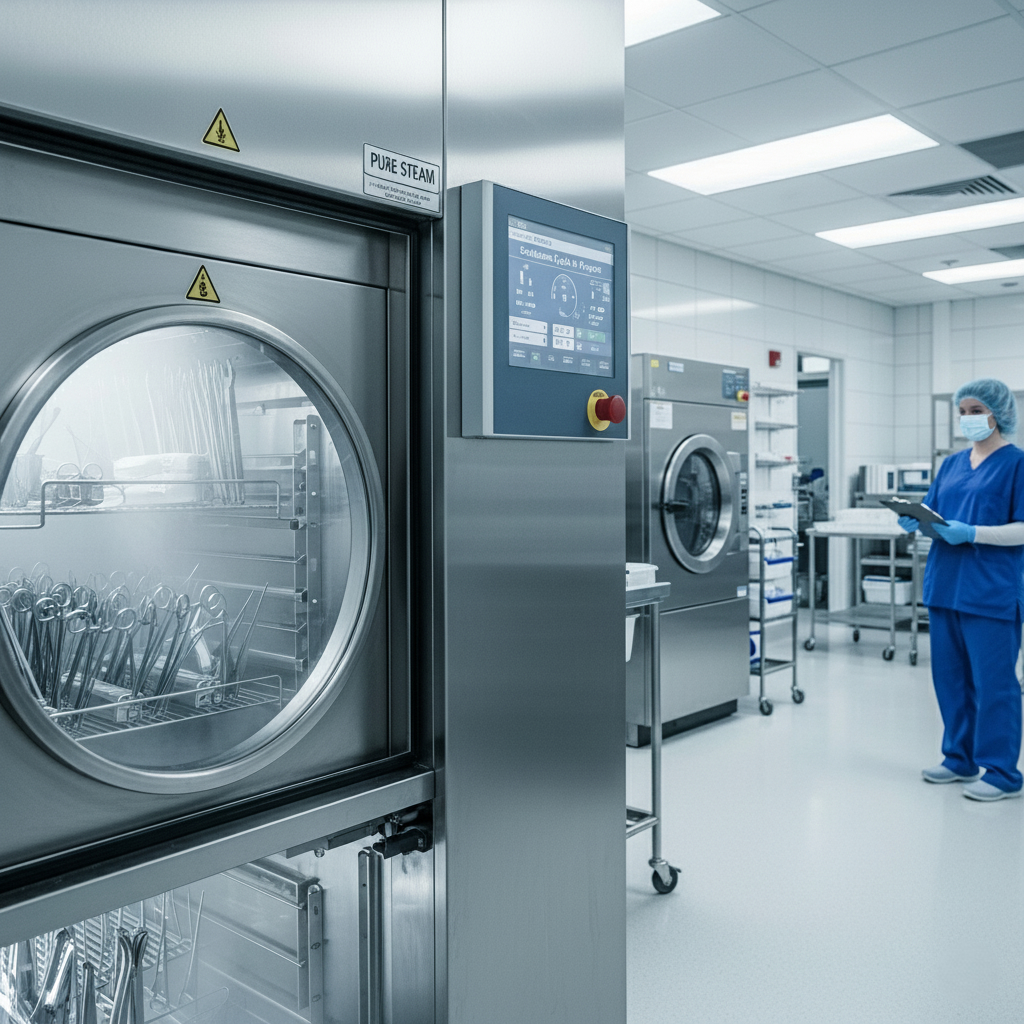
Introduction to Cleanroom Equipment
The term cleanroom equipment encompasses an array of specialized components and systems designed to maintain stringent environmental conditions within controlled spaces. These environments are essential across a variety of industries including semiconductor manufacturing, pharmaceutical production, biotechnology, aerospace, and medical device assembly. Cleanrooms are engineered to regulate particulate contamination, microbial presence, temperature, humidity, and air pressure—ensuring product integrity, safety, and compliance with regulatory protocols.
At SKE & Eagle, our expertise in precision manufacturing and engineered solutions allows us to contribute advanced technology and design philosophies to the cleanroom equipment market. Our core manufacturing capabilities include high-grade materials handling, precision machining, and integrated system designs that align with rigorous quality standards, underpinning system reliability and operational excellence.
This article dives deep into the various facets of cleanroom equipment, from technical specifics to practical applications, emphasizing the latest compliance standards and operational best practices. We aim to provide a resource for engineers, facility managers, and quality assurance professionals seeking authoritative guidance on cleanroom equipment selection, maintenance, and innovation.
Types of Cleanroom Equipment
Understanding the diversity of cleanroom equipment is fundamental to selecting the appropriate technology for a specific cleanroom classification and operational requirement. Key categories include:
- Air Filtration and HVAC Systems: These maintain air cleanliness and environmental control by using HEPA or ULPA filters, maintaining laminar or turbulent airflow patterns, and controlling temperature and humidity. SKE & Eagle’s expertise in system reliability supports the implementation of precise airflow modules tailored to facility demands.
- Cleanroom Furniture and Workstations: Designed with materials such as stainless steel and anti-microbial composites to reduce particle generation and facilitate easy cleaning. Ergonomic designs ensure operator efficiency while maintaining contamination control.
- Garment Systems and Pass-Through Chambers: Sterile garments and airlocks reduce contamination transfer between external and cleanroom zones. These systems are engineered for optimal sealing and ease of use, critical for pharmaceutical and biomedical applications.
- Process Equipment: Includes equipment for chemical processing, fluid handling, and assembly, engineered to meet stringent surface finish and material compatibility criteria essential for maintaining sterility and contamination control.
- Monitoring and Control Equipment: Particle counters, microbiological samplers, and environmental sensors ensure continuous compliance. Integrated control systems developed by SKE & Eagle enable real-time monitoring and adaptive control functionalities.
Each equipment type serves a unique function in the overall cleanroom ecosystem, and their integration demands detailed engineering specifications and operational synergies. This categorization helps facilities tailor solutions optimized for their unique contamination control requirements.
Engineering Design and Material Considerations
The engineering of cleanroom equipment requires an uncompromising emphasis on material selection, contamination control engineering, and design principles to maintain ISO and GMP classification standards.
Materials must be non-shedding, non-corrosive, and easy to clean. Stainless steel (304 and 316 grades), anodized aluminum, and specialized polymers with anti-microbial properties are industry standards. SKE & Eagle applies stringent engineering practices ensuring that every component meets exact tolerances and surface finish requirements to minimize particulate generation and microbial adherence.
Design considerations extend to modularity, ergonomic accessibility, and ease of maintenance. For example, air handling units incorporate removable, sealed filter cassettes facilitating quick replacement without contamination risks. In fluid handling, precision-machined valves and pumps reduce dead volumes and microbial growth potential.
Conceptual Diagram Describing an Air Handling Unit (AHU) in a Cleanroom Setup:
| Pre-Filter Unit | ———————> | Filter Module | ——————>
+——————+ +——————+
| ^
v |
Return Air from Cleanroom ————————–
High-precision engineering ensures laminar flow patterns and minimal turbulence, reducing particulate deposition risks.
Furthermore, SKE & Eagle’s engineering standards enforce traceability and validation protocols, ensuring every piece of equipment delivers reliable, long-term performance within demanding cleanroom environments.
Operation, Maintenance, and System Reliability
Effective operation and maintenance of cleanroom equipment are critical to sustained contamination control and uptime. This is particularly vital in industries such as pharmaceuticals and precision electronics manufacturing, where production interruptions or contamination breaches result in costly consequences.
The operational framework involves routine inspections, filter changes, calibration of monitoring equipment, and validation of airflow and pressure differentials. SKE & Eagle’s holistic approach incorporates advanced diagnostics and predictive maintenance capabilities embedded in their water treatment and filtration products, which are adaptable for cleanroom integration.
Reliability engineering at SKE & Eagle is centered on the use of high-grade components, redundancy systems to ensure fail-safe operation, and comprehensive lifecycle support services. For instance, cleanroom HVAC systems may integrate variable frequency drives (VFDs) for energy-efficient airflow management with real-time sensor feedback loops.
Maintenance schedules must align with industry compliance standards such as ISO 14644 and GMP, with documented protocols and traceable quality assurance measures. Ensuring personnel are trained in contamination control best practices is another fundamental pillar in maintaining the integrity of cleanroom equipment and environments.
Regulatory Compliance and Industry Standards
Cleanroom equipment must comply with a stringent set of international and industry-specific standards to assure environmental quality and product safety. Key regulations and standards include:
- ISO 14644 Series: Defines cleanroom classifications, testing methods, and equipment performance criteria, including airborne particulate limits and airflow requirements.
- Good Manufacturing Practice (GMP): Enforced by FDA and EMA for pharmaceutical and biotechnological facilities, addressing equipment design, maintenance, and process control to ensure product quality.
- ASME BPE: Engineering standard for bioprocessing equipment quality and surface finish requirements, fundamental when cleanroom equipment contacts fluids or sterile processes.
- IEST Standards: Provide guidance on cleanroom operations and equipment qualification procedures.
SKE & Eagle incorporates these compliance elements in every design and manufacturing stage. This integration guarantees that products not only meet but exceed regulatory demands, simplified through rigorous quality assurance and control protocols.
Documentation such as equipment qualification reports (IQ/OQ/PQ) and validation protocols are critical tools ensuring cleanroom equipment remains compliant throughout its operational lifespan.
Applications and Practical Use Cases
Industries that depend heavily on cleanroom equipment include semiconductor fabrication, pharmaceuticals, biotechnology, aerospace, healthcare, and food manufacturing. Detailed examples include:
- Pharmaceutical Production: Use of cleanroom environments to manufacture sterile injectable drugs requires advanced equipment such as isolators and barrier systems paired with precision air filtration. SKE & Eagle’s solutions in filtration and system design help maintain aseptic conditions in these critical environments.
- Semiconductor Fabrication: Equipment demands ultra-low particle counts and precise temperature/humidity control. SKE & Eagle’s engineering standards in fluid handling ensure high purity chemical delivery systems essential to wafer processing.
- Biotechnology Labs: Require small-scale cleanroom setups integrating monitoring instrumentation and fluid treatment systems to prevent cross-contamination.
- Food and Beverage Manufacturing: Equipment such as laminar flow cabinets enable contamination-free packaging and processing, supporting compliance with safety standards.
Case studies of integrating SKE & Eagle wastewater treatment technology within pharmaceutical cleanroom facilities reinforce the importance of a comprehensive contamination control strategy across interconnected systems beyond just air and surfaces.
Common Myths and Misconceptions
The field of cleanroom equipment is often surrounded by misconceptions that can hinder optimal facility design or operation. Below are some clarified misunderstandings:
- Myth #1: More air changes per hour always improve cleanliness. While air changes are important, excessively high rates can create turbulence that increases contamination risks and energy costs. Proper engineering balance is critical, a principle emphasized in SKE & Eagle’s HVAC design approach.
- Myth #2: All stainless steel is the same for cleanroom use. Materials vary by alloy and finish. SKE & Eagle’s engineering protocols specify surface roughness thresholds and alloy grades tailored to each application to prevent microbial harborage.
- Myth #3: Cleanroom equipment only controls particles. Effective systems also manage microbiological contamination, chemical vapors, and static electricity, each requiring specific design elements.
Recognizing these nuances is essential when selecting or specifying cleanroom equipment to ensure that expectations align with technical realities and regulatory requirements.
Integration of SKE & Eagle Solutions in Cleanroom Environments
SKE & Eagle’s industry-leading expertise in manufacturing and system engineering affords cleanroom facility designers and operators unique advantages in equipment performance, reliability, and regulatory compliance. Our water treatment units designed for contaminant-free industrial usage demonstrate how specialized equipment integration enhances overall cleanroom operational quality.
Our precision-manufactured components benefit from continuous quality monitoring and real-world testing across semiconductor, pharmaceutical, and advanced manufacturing sectors. The emphasis on modular system design facilitates scalable solutions that can adapt to evolving cleanroom classification demands.
By leveraging deeply engineered filtration systems, monitoring instrumentation, and contamination control technologies, SKE & Eagle supports cleanroom facilities to achieve superior environmental control with operational confidence and documented compliance.
Explore more about our water treatment solutions, core manufacturing capabilities, and engineering quality standards that underpin our contributions to cleanroom equipment excellence.
FAQ About Cleanroom Equipment
What defines cleanroom equipment?
Cleanroom equipment includes all technical and structural devices designed to maintain controlled environmental conditions such as particle count, air quality, temperature, and humidity, ensuring contamination-free operations within a cleanroom.
How does cleanroom equipment contribute to regulatory compliance?
Cleanroom equipment is engineered to meet specific standards such as ISO 14644 and GMP, enabling facilities to control contamination and validate environmental criteria required by regulatory bodies.
What are typical maintenance practices for cleanroom equipment?
Regular inspections, filter replacements, cleaning schedules, calibration of sensors, and documentation are critical maintenance activities to ensure the optimal performance and longevity of cleanroom equipment.
What role does SKE & Eagle play in cleanroom equipment solutions?
SKE & Eagle provides advanced manufacturing capabilities, engineering expertise, and high-quality filtration and fluid handling systems designed to integrate seamlessly into cleanroom environments, enhancing operational reliability and regulatory compliance.
Contact SKE & Eagle for More Information on Cleanroom Equipment
We invite you to reach out with your questions or project requirements related to cleanroom equipment and contamination control solutions. Our team of experts is ready to assist you in designing or optimizing your cleanroom systems for maximum performance and compliance.
Connect with us on Facebook, email us directly at info@ske-eagle.com, or fill out the contact form available at the bottom of our website.