

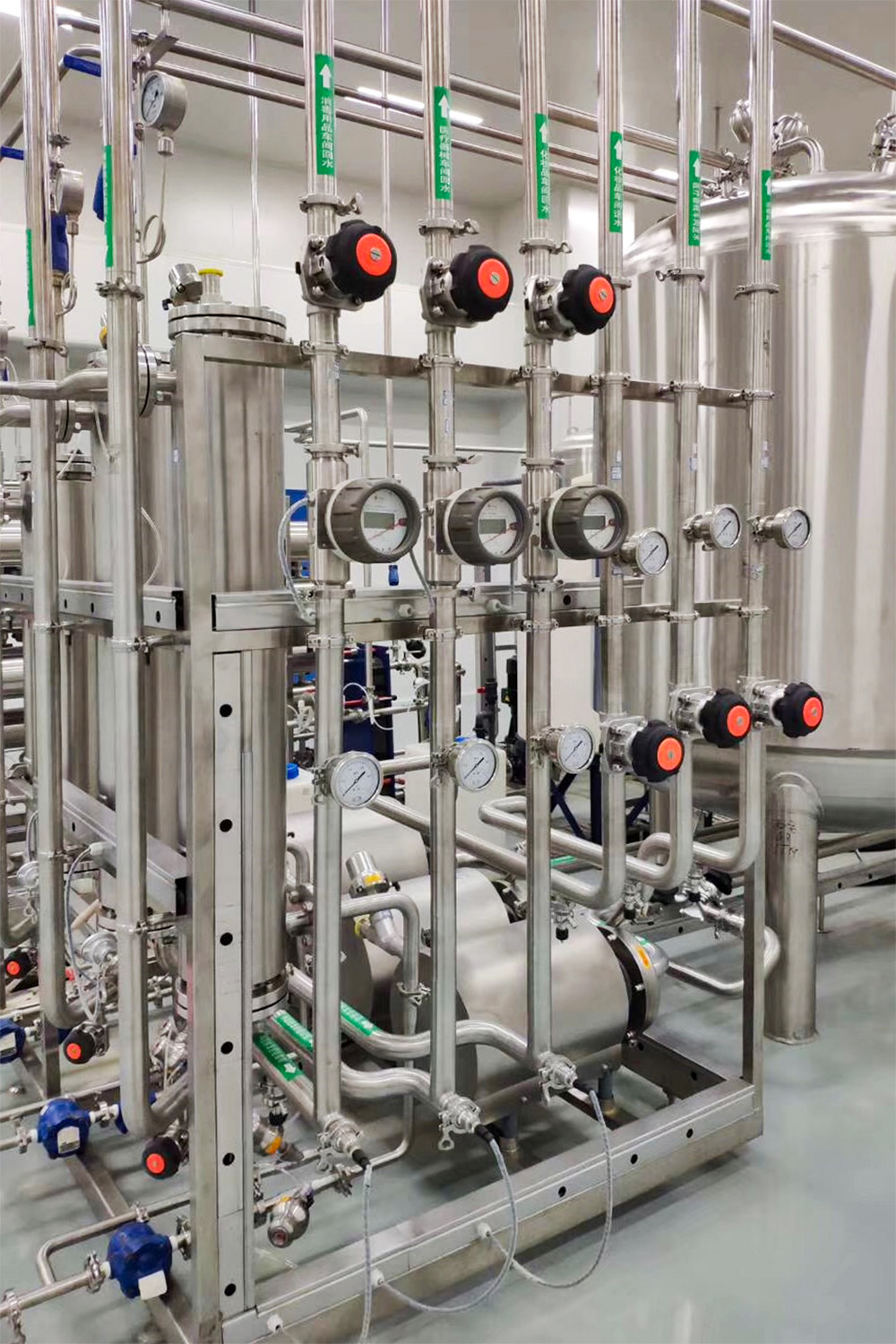
1. Fundamentals of Pharmaceutical Extraction Systems
Extraction systems are integral to pharmaceutical manufacturing, serving as a cornerstone for isolating, purifying, and concentrating active pharmaceutical ingredients (APIs) from natural or synthetic sources. At their core, extraction systems pharmaceutical rely on principles of solvent interaction, mass transfer, and selective solubility.
The primary objective of these systems is to maximize yield and purity while minimizing degradation and contamination risks. Extraction may involve various techniques such as liquid-liquid extraction, solid-liquid extraction, supercritical fluid extraction, and more. Each technique differs in operational mechanics, solvent usage, and scalability.
Understanding the basic engineering concepts underlying extraction systems is crucial. These concepts include:
- Mass Transfer Kinetics: Governing the rate at which solutes move from one phase to another.
- Phase Equilibria: Dictating the distribution of compounds between solvent and substrate phases.
- Thermodynamics: Influencing solubility and extraction efficiency through temperature and pressure control.
- Fluid Dynamics: Ensuring uniform mixing and solvent contact through optimized flow regimes.
The pharmaceutical industry demands extraction systems designed for strict contamination control and reproducibility. Reliable solvent recovery and waste management further complicate system design.
At SKE & Eagle, our engineering teams integrate these principles into scalable, compliant extraction solutions, employing rigorous standards and industry best practices to enhance both process efficiency and environmental sustainability.
2. Design Criteria and Engineering Considerations
Designing a pharmaceutical extraction system requires a multidisciplinary engineering approach, balancing process efficiency, regulatory compliance, and operational reliability. The critical design criteria include:
2.1 Material Selection and Compatibility
Materials must be compatible with pharmaceutical solvents and reactants to prevent contamination or degradation. Stainless steel alloys (such as 316L) are standard for contact parts due to their corrosion resistance and ease of sterilization.
2.2 Process Flow and Scalability
The flow design should ensure optimal contact time and mass transfer. Modular construction is preferred to allow capacity scaling from pilot to full production scale.
2.3 Containment and Safety
Containment systems protect operators and environment from hazardous solvents or APIs. Designs must comply with ATEX / NFPA standards for flammable solvent handling.
2.4 Temperature and Pressure Controls
Precise control is paramount; exothermic processes or supercritical extractions require robust temperature regulation and pressure containment technologies.
2.5 CIP / SIP Integration
Clean-in-place (CIP) and steam-in-place (SIP) capabilities simplify validation and reduce downtime, aligning with GMP requirements.
SKE & Eagle’s core manufacturing capabilities emphasize precision engineering and custom fabrication to meet these stringent design demands. Our advanced process engineering expertise ensures systems are not only efficient but inherently reliable and maintainable.
For a detailed overview of our engineering standards and technology portfolio, visit our engineering capabilities page to explore how these design criteria translate to real-world projects.
3. Key Extraction Technologies in Pharma Production
Pharmaceutical extraction processes employ various technologically advanced systems optimized to the nature of the raw material and the target API. Below we overview the predominant extraction technologies:
3.1 Liquid-Liquid Extraction (LLE)
LLE separates compounds based on their solubility in two immiscible liquids. It is widely used for APIs that partition well between aqueous and organic phases. Critical parameters include phase volume ratio, mixing intensity, and solvent selection.
3.2 Solid-Liquid Extraction (SLE)
Also known as maceration or percolation, SLE extracts soluble compounds from solid matrices using solvents. This technique is prevalent in herbal extract preparation where active components dissolve into the solvent while solids remain.
3.3 Supercritical Fluid Extraction (SFE)
SFE uses supercritical CO₂ or other fluids, combining properties of gases and liquids for highly selective and environmentally friendly extractions. This method reduces solvent residues and thermal degradation risks.
3.4 Pressurized Liquid Extraction (PLE)
PLE applies elevated temperature and pressure for rapid extraction kinetics. It is advantageous when faster turnaround times are necessary without compromising solvent safety.
Modern extraction systems integrate sensors, automated controls, and data analytics for precision process management. SKE & Eagle’s continuous improvement philosophy promotes incorporation of state-of-the-art instrumentation to uphold system productivity and quality assurance.
For further insights into process engineering and control integration, it is worthwhile exploring SKE & Eagle’s advanced pharmaceutical water treatment solutions, which provide foundational purity and consistency essential for extraction systems.
4. Quality, Compliance, and Process Validation
Extraction systems used in pharmaceutical production operate under stringent regulatory environments. Quality assurance is embedded throughout design, construction, and operations.
4.1 Good Manufacturing Practices (GMP)
GMP compliance requires validation of each process step to demonstrate reproducibility, control of contamination, and traceability. Extraction vessels, piping, and instrumentation must be qualified, and processes must be documented meticulously.
4.2 Validation Protocols
Prospective process validation includes Installation Qualification (IQ), Operational Qualification (OQ), and Performance Qualification (PQ). Extraction systems must be qualified for solvent recovery efficiency, residual solvent limits, and product purity.
4.3 Documentation and Traceability
Comprehensive documentation supports audits and regulatory submissions. Equipment logs, cleaning records, and batch data are digitized in modern facilities. SKE & Eagle supports clients by delivering systems engineered with traceability and quality integration from the start.
4.4 Risk Management
Hazard Analysis and Critical Control Point (HACCP) and Failure Mode and Effects Analysis (FMEA) tailor risk mitigation to extraction processes, including solvent hazards and mechanical failures.
Through combining engineering excellence with compliance expertise, SKE & Eagle ensures extraction system solutions enable pharmaceutical producers to consistently meet evolving quality standards.
5. Integration of Water Treatment in Extraction Systems
Water purity and treatment play critical roles in pharmaceutical extraction systems. Water may be used as a solvent or in cleaning cycles, thus meeting pharmacopeia standards for purity is essential.
SKE & Eagle’s water treatment technologies provide ultra-pure and consistent water supply, ensuring extraction processes are free from microbiological and chemical impurities that could compromise drug quality.
5.1 Types of Water Required
Depending on the extraction process, purified water, water for injection (WFI), or sterile water might be required. Each has distinct treatment and monitoring parameters.
5.2 Treatment Technologies
SKE & Eagle utilizes a combination of pretreatment, reverse osmosis, deionization, and ultrafiltration for water purification systems that integrate seamlessly with extraction processes.
5.3 Process Impact
Proper water treatment reduces scaling, corrosion, and microbial contamination risks in extraction equipment. It also ensures effective and reproducible CIP cycles.
To understand more about how water treatment aligns with pharma process engineering, the water treatment solutions section on SKE & Eagle’s website details our integrated approach ensuring system reliability and product safety.
6. Maintenance & Reliability Engineering for Extraction Systems
Long-term operational reliability is a crucial consideration when designing pharmaceutical extraction systems. Unscheduled downtime or contamination can cause significant financial and reputational damage.
6.1 Predictive and Preventive Maintenance
Implementing robust predictive maintenance using vibration analysis, thermal imaging, and inline process sensors allows early detection of mechanical wear or process drift. Preventive maintenance schedules are vital to maintain GMP standards.
6.2 Component Durability and Spare Parts
Critical components such as seals, valves, and agitators are selected for durability given solvent exposure and frequent cleaning cycles. SKE & Eagle’s expert supply chain ensures availability of OEM replacement parts minimizing production disruption.
6.3 Operator Training and SOPs
Skilled operators equipped with detailed standard operating procedures (SOPs) enhance system reliability by ensuring correct startup, shutdown, and emergency responses.
6.4 Continuous Improvement
Regular audits and data analytics support continuous improvement programs optimizing extraction performance and extending equipment life span.
SKE & Eagle’s commitment to engineered excellence extends post-delivery through comprehensive service and maintenance support aligned with pharmaceutical industry demands.
7. Case Study: SKE & Eagle’s Role in Optimizing Extraction Systems
Drawing from advanced manufacturing expertise and deep understanding of pharmaceutical process demands, SKE & Eagle successfully partnered with a leading pharma client to upgrade their extraction system.
The project involved redesigning solvent handling and material contact surfaces to enhance purity levels and throughput. SKE & Eagle developed custom-engineered extraction vessels with integrated CIP capabilities, compliant with GMP and ATEX standards.
Key outcomes included:
- 30% increase in extraction yield due to enhanced mass transfer design
- Reduced solvent waste by 20% owing to optimized solvent recovery loops
- Downtime cut by 15% through modular system design and facilitated maintenance access
- Full process documentation supporting regulatory submission and validation
This successful collaboration underscores the value of SKE & Eagle’s engineering-driven approach that melds process innovation with operational rigor, delivering extraction systems pharmaceutical manufacturers trust.
To explore how these capabilities might apply to your operations, visit our pharmaceutical equipment solutions page.
8. Frequently Asked Questions (FAQ)
What defines an extraction system pharmaceutical process?
An extraction system pharmaceutical process isolates active ingredients from raw materials through solvent-based separation techniques under controlled conditions that ensure product purity, yield, and compliance with regulatory standards.
How does SKE & Eagle ensure quality in pharmaceutical extraction systems?
SKE & Eagle integrates GMP-compliant engineering design, validated cleaning systems, and materials chosen for biocompatibility. Their service includes thorough documentation and qualification support to meet pharmaceutical manufacturing quality standards.
What role does water treatment play in extraction system pharmaceutical applications?
Pure and controlled water sources are critical for solvents, cleaning cycles, and process consistency in extraction system pharmaceutical applications. SKE & Eagle’s water treatment solutions ensure compliance with pharmacopeia-grade water quality requirements.
What common myths exist around pharmaceutical extraction systems?
A common myth is that larger solvent volumes always improve extraction yield. However, without optimized solvent selection and process parameters, higher solvent quantities can reduce efficiency and increase contamination risk.
Contact SKE & Eagle for Your Pharmaceutical Extraction Needs
For expertise in designing and optimizing extraction system pharmaceutical processes, trust the industry knowledge and engineering precision of SKE & Eagle.
Connect with us on Facebook or email us directly at info@ske-eagle.com. We encourage you to fill out the contact form located at the bottom of our website for personalized consultation.