

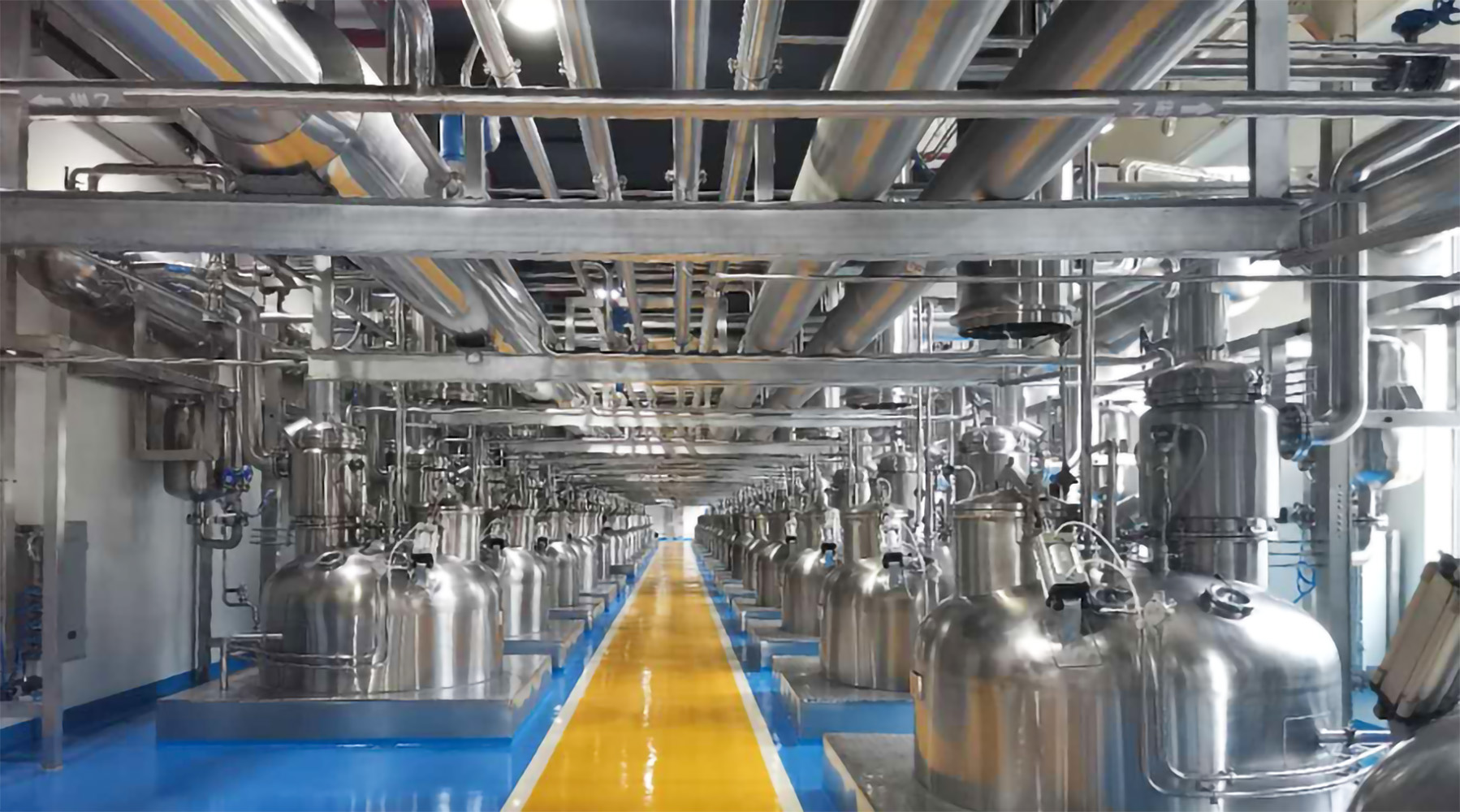
Material Selection and Grades for Brewing Equipment
Stainless steel brewing equipment forms the backbone of modern brewery infrastructure, mandating materials that sustain harsh operational conditions, chemical exposure, and rigorous cleaning regimes. The choice of material grade directly impacts corrosion resistance, structural integrity, and long-term reliability.
Primarily, grades 304 and 316L stainless steel dominate brewing applications. Grade 304 (18-20% chromium, 8-10.5% nickel) offers substantial corrosion resistance against typical brewing chemicals, wort constituents, and ambient humid conditions. However, 316L stainless steel, with molybdenum addition (2-3%), specifically combats chloride-induced pitting corrosion, which is prevalent in breweries located in coastal areas or utilizing chlorinated water sources.
Both 304 and 316L stainless steel exhibit excellent weldability and mechanical strength suitable for vessels, piping, heat exchangers, and fermenters in brewery setups. Surface finishing also is fundamental: a 2B finish or electropolished surfaces promote hygienic conditions by minimizing bacterial adhesion and facilitating CIP (Cleaning In Place) procedures.
The material thickness and mechanical tolerance design follow precise engineering calculations to withstand internal pressures during carbonation, thermal cycling from wort boiling to refrigeration, and mechanical loads during automation operations. SKE & Eagle employs comprehensive material testing, including tensile strength, elongation, and corrosion resistance, ensuring that every stainless steel component meets the demanding criteria characteristic of beverage-grade manufacturing.
Understanding and specifying the correct stainless steel grade is vital for flow dynamics and long-term system health. For instance, the lower carbon content in 316L mitigates carbide precipitation during welding, crucial for maintaining sanitary weld integrity in fermenters. This attention to metallurgical principles by SKE & Eagle contributes to system longevity, cutting downtime and maintenance costs.
Design and Engineering Principles of Stainless Steel Brewing Systems
Designing stainless steel brewing equipment requires a convergence of fluid mechanics, thermodynamics, materials science, and sanitary engineering. The engineering philosophy emphasizes modularity, operational efficiency, easy scale-up, and stringent hygiene compliance.
The brewery process stream includes various vessels: mash tuns, lauter tuns, brew kettles, whirlpool tanks, fermenters, and bright tanks. Each vessel demands custom design considerations regarding volume, pressure, thermal transfer, and agitation capabilities.
SKE & Eagle integrates 3D CAD modeling and computational fluid dynamics (CFD) to optimize flow regimes inside vessels, ensuring thorough mixing, temperature uniformity, and sediment removal. For example, kettle and whirlpool designs include specially angled tangential inlets and conical bottoms engineered to facilitate effective whirlpool separation of hop particles and trub. The precise geometric engineering reduces product loss, enhances clarity, and improves filtration downstream.
Thermal control design involves double-jacketed vessels or internal coil heat exchangers made of stainless steel or copper alloy. Material compatibility with beer chemistry and thermal conductivity optimization are crucial. SKE & Eagle’s expertise in water-based thermal systems integrates perfectly with their water treatment solutions to conserve energy and maximize heat exchange efficiency.
Vessel design also incorporates certified pressure relief valves, vacuum breakers, and manways designed per the American Society of Mechanical Engineers (ASME) Boiler and Pressure Vessel Code, ensuring safe operation under fermentation pressures reaching 15 psi or higher. Ergonomic loading ports and CIP spray balls enhance operational accessibility and sanitation.
Instrumentation and automation interfaces are embedded during design, facilitating real-time monitoring of temperature, pressure, pH, dissolved oxygen, and CO2 levels. The seamless integration of sensors within stainless steel vessels upholds process control and quality assurance. This control strategy minimizes human error, standardizes production quality, and aligns with modern Brewery Management Systems (BMS).
Manufacturing Processes and Quality Control
Manufacturing stainless steel brewing equipment requires a seamless blend of advanced fabrication techniques and meticulous quality control. SKE & Eagle’s manufacturing capabilities leverage state-of-the-art CNC machining, robotic welding, and precision polishing to produce equipment that meets exacting engineering specifications.
The fabrication process begins with precision sheet metal cutting using laser and plasma technologies allowing for intricate components with minimal thermal distortion. The forming stage employs automated press brakes and rolling machines to achieve the precise curvature and vessel shape.
Welding is a critical phase with TIG (Tungsten Inert Gas) and MIG (Metal Inert Gas) methods preferred for their ability to produce clean, leak-proof, and sanitary welds. SKE & Eagle’s engineers conduct weld inspections using X-ray radiography and dye penetrant testing to detect any sub-surface defects.
Surface finishing practices include electropolishing which removes surface contaminants and produces a mirror-like finish. This finish decreases microbial adherence and enhances corrosion resistance vital for maintaining sanitation in breweries. Mechanically polishing to a finish of 0.4 μm Ra or better is industry standard for tanks and piping.
Dimensional accuracy is verified with 3D metrology tools and coordinate measuring machines (CMM) to ensure system assembly consistency. Post-fabrication pressure testing, including helium leak detection and hydrostatic tests, confirm vessel integrity under operational loads.
SKE & Eagle’s commitment to quality is embodied in their ISO 9001-certified quality management system, guaranteeing traceability and consistent delivery of high-grade brewing equipment that addresses both small craft brewers and large industrial-scale production plants.
Water Treatment Technologies in Brewing Equipment
Water quality is paramount in brewing; impurities directly impact beer flavor, stability, and fermentation kinetics. SKE & Eagle’s water treatment solutions complement their stainless steel brewing equipment by addressing hardness, chlorine content, microbial loads, and dissolved solids through expertly engineered filtration and treatment systems.
Reverse osmosis (RO) and ultrafiltration (UF) membranes integrated into pretreatment systems effectively reduce ions and organic compounds. This treated water meets stringent brewing water specifications outlined by organizations such as the Beer Judge Certification Program (BJCP).
Activated carbon filters remove chloramines and chlorine, preventing off-flavors. Ion exchange resins adjust water alkalinity and hardness to match specific beer styles, enabling breweries to replicate classic world-renowned recipes accurately.
Custom water treatment modules designed by SKE & Eagle are constructed entirely from stainless steel to integrate seamlessly with brewing vessels and piping. This prevents cross-contamination and allows for continuous monitoring and automated dosing of water additives.
Additionally, SKE & Eagle’s patented UV disinfection systems complement equipment installations to mitigate microbial contamination without chemical residues, supporting compliant HACCP (Hazard Analysis and Critical Control Points) programs.
The synergy between water treatment and stainless steel brewing equipment is critical in maintaining system reliability, reducing operational expenses, and ensuring the consistent quality of the final product, which is a hallmark of SKE & Eagle’s engineered solutions.
Operation, Cleaning, and Maintenance Best Practices
The operational longevity and performance of stainless steel brewing equipment hinge on comprehensive maintenance and cleaning regimens. Stainless steel facilitates routine Cleaning In Place (CIP) systems, which enforce hygienic standards without vessel disassembly.
CIP systems typically circulate caustic and acid cleaning solutions through spray balls positioned strategically within tanks, ensuring effective detachment of organic residues and biofilms. The smooth electropolished surface of stainless steel vessels enables rapid drainage and prevents bacterial harboring.
Operators must balance cleaning inhibitor concentrations and temperature to prevent corrosion while effectively sanitizing equipment. Regular inspection for signs of pitting or stress corrosion cracking is essential.
Mechanical parts such as agitators and valves require periodic lubrication with food-grade lubricants and functional testing. SKE & Eagle recommends a preventative scheduled maintenance plan combined with IoT-enabled sensor alerts to preempt unscheduled downtime.
Properly maintained stainless steel brewing equipment ensures product purity, operational efficiency, and environmental compliance through reduced chemical usage and wastewater generation. SKE & Eagle provides operational training and detailed maintenance documentation tailored to each custom installation, boosting process uptime and reliability.
Compliance and Sanitary Standards in Brewing Equipment
Compliance with industry standards is non-negotiable in brewing production to meet both regulatory demands and consumer safety expectations. Stainless steel brewing equipment must conform to FDA 21 CFR Part 117 for food contact surfaces and comply with the sanitation requirements defined in 3-A Sanitary Standards.
ASME Section VIII governs pressure vessel design, stipulating material traceability, design thickness, testing, and certification. SKE & Eagle ensures all equipment manufactured adheres to these codes rigorously, reducing liability and operational risk.
National Sanitation Foundation (NSF) certifications further validate potable water and food-grade material standards. Craft breweries aiming for organic or specialty certifications benefit from SKE & Eagle’s transparent compliance documentation and sanitary system design.
Environmental regulations governing wastewater discharge influence system design. Advanced water treatment integration minimizes chemical and thermal effluents, aligning with Clean Water Act requirements and local environmental statutes.
Regular audits, validation testing, and traceability protocols embedded by SKE & Eagle’s quality management system provide the documentation trail crucial for brewery inspections and customer confidence.
Future Trends and Technological Innovations
The field of stainless steel brewing equipment is evolving rapidly with advances in digitalization, materials science, and sustainable manufacturing. Industry 4.0 initiatives incorporate automation, sensor integration, and data analytics to enhance operational efficiency and product consistency.
SKE & Eagle actively develops smart brewing vessels that communicate real-time data on fermentation kinetics, temperature gradients, and system health via cloud-based platforms. This remote monitoring capability allows brewers to optimize batch performance and reduce labor costs.
Material innovations such as duplex stainless steel alloys offer higher strength-to-weight ratios and improved corrosion resistance, potentially replacing traditional 304/316 grades in select applications. These new alloys can reduce vessel weight, lower energy consumption during heating/cooling, and increase durability.
Sustainable manufacturing practices such as modular, pre-fabricated vessel skids reduce onsite construction time and improve installation quality. Energy recycling through integrated heat-pump systems is also gaining traction to minimize carbon footprint.
Ongoing collaboration between material scientists, fluid dynamicists, and brewers—supported by companies like SKE & Eagle—remains essential to innovate brewing equipment that meets emerging market demands and regulatory pressures.
Frequently Asked Questions About Stainless Steel Brewing Equipment
What are the advantages of using stainless steel brewing equipment?
Stainless steel brewing equipment offers exceptional corrosion resistance, durability, ease of cleaning, and ensures product purity, which is essential for efficient brewery operations.
How does SKE & Eagle ensure quality in stainless steel brewing systems?
SKE & Eagle applies rigorous engineering standards, precision manufacturing, and tailored water treatment solutions to optimize the reliability and operational longevity of stainless steel brewing equipment.
What materials are commonly used in stainless steel brewing equipment fabrication?
Primarily 304 and 316L stainless steel grades are used for their corrosion resistance, mechanical strength, and sanitary properties compliant with food-grade standards.
Interested in Expert Stainless Steel Brewing Equipment Solutions?
For further inquiries or to discuss how precision-engineered stainless steel brewing equipment and advanced water treatment solutions can optimize your brewery, please reach out to SKE & Eagle.
Connect with us on Facebook or email us at info@ske-eagle.com.
We encourage you to visit our website and fill out the contact form for personalized consultation.