

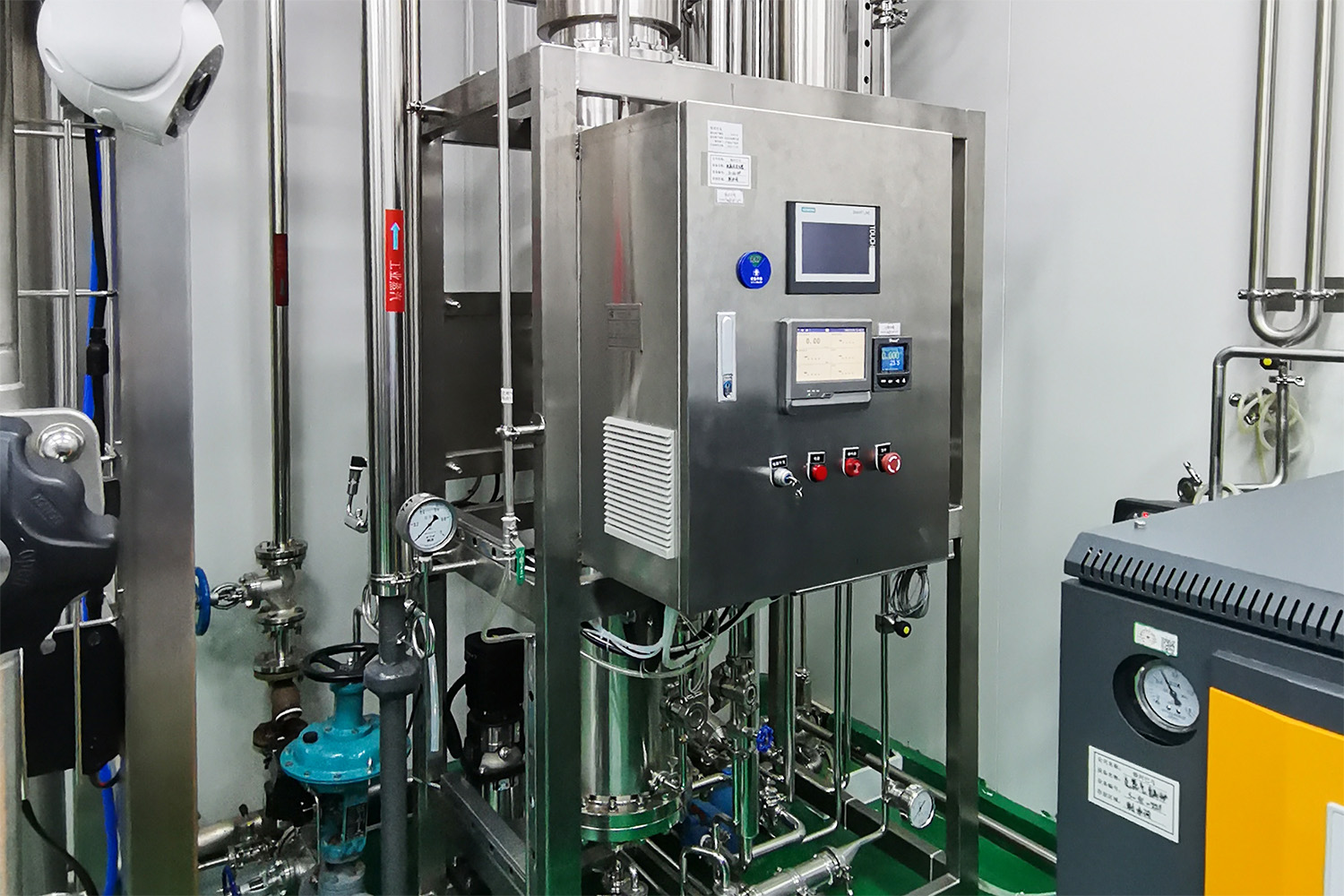
Overview of Modular Brewery Equipment
Modular brewery equipment represents a transformative approach in the beer production industry, allowing brewers to scale production efficiently while maintaining high standards of quality and operational flexibility. These integrated, prefabricated systems are engineered to meet the growing demands of microbreweries, craft breweries, and large-scale production facilities alike.
The fundamental concept behind modular brewery equipment is to manufacture units or modules in controlled environments that can be quickly installed or expanded on site. This approach minimizes downtime, reduces installation complexity, and offers a high level of customization to meet specific brewing process requirements.
At SKE & Eagle, innovation in modular design is aligned with the latest industry practices ensuring high system reliability and streamlined water treatment integration, which is indispensable for maintaining product consistency. The modular systems facilitate seamless integration of brewery vessels, heat exchangers, pumps, and control systems engineered for peak efficiency.
Additionally, modular brewery equipment supports environmental sustainability goals, optimizing energy usage and water treatment solutions integral to eco-friendly brewing operations. For detailed insights on water treatment integration, see our page on
water treatment solutions.
Engineering Design Principles of Modular Brewery Equipment
The engineering design of modular brewery equipment centers on the principles of modularity, scalability, and standardization. Each module is carefully designed to encapsulate a specific brewing process segment—such as mash conversion, lautering, boiling, fermenting, cooling, or filtration—with interfaces engineered for easy interconnection.
Key design considerations include:
- Process Flow Optimization: Ensuring minimal fluid path lengths to reduce heat loss and contamination risks.
- Material Selection: Stainless steel 316L is typically employed due to its corrosion resistance, hygienic properties, and compliance with food-grade standards.
- Thermal Efficiency: Employing jacketed vessels and advanced insulation to improve energy retention during temperature-critical steps.
- Automation and Control Systems: Integrated programmable logic controllers (PLCs) and SCADA facilitate precision control, data logging, and remote operation.
- Modularity Interface Standardization: Utilizing uniform piping connections, electrical and utility hookups to facilitate rapid assembly and maintenance.
For example, the design of heating systems within modular breweries often includes sophisticated steam and hot water circuits, ensuring uniform heat distribution critical for wort boiling. Additionally, engineering for CIP (Clean-In-Place) systems incorporated into modular units enhances sanitation efficiency and regulatory compliance.
SKE & Eagle’s engineering standards emphasize precision fabrication and system robustness, making their modular brewery equipment a benchmark of quality and reliability in manufacturing. Their advanced manufacturing capabilities, including precision welding and automated machining, ensure that each modular component meets stringent tolerance and hygiene requirements.
For a comprehensive understanding of advanced manufacturing capabilities that underpin modular brewery equipment, explore SKE & Eagle’s
precision manufacturing capabilities.
Manufacturing Standards and Quality Control
Manufacturing modular brewery equipment demands adherence to rigorous quality standards to ensure system durability, sanitary safety, and operational efficiency. These standards span industry-recognized certifications such as ASME Boiler and Pressure Vessel Code (BPVC), 3-A Sanitary Standards for food processing equipment, and ISO 9001 quality management systems.
At the core of manufacturing quality control is dimensional accuracy, weld integrity, and surface finishing. Automated non-destructive testing (NDT) techniques such as ultrasonic inspection and dye penetrant testing verify weld quality and detect imperfections before assembly.
Surface finishes on wet-side components are polished to a surface roughness (Ra) of 0.4 microns or better to prevent microbial adhesion and simplify cleaning operations. These hygienic standards are imperative in minimizing contamination risk within brewery processes.
SKE & Eagle leverages state-of-the-art CNC machining centers and advanced metrology tools to consistently deliver products conforming to the highest industry specifications. Their rigorous inspection protocols align with food-grade engineering best practices, ensuring modular brewery equipment operates with consistent performance and longevity.
Furthermore, modular systems undergo factory acceptance testing (FAT), where operational parameters are validated in controlled environments to simulate on-site working conditions. This pre-installation verification significantly reduces commissioning time and mitigates operational risks.
System Reliability and Maintenance Best Practices
Reliability of modular brewery equipment is foundational to uninterrupted brewing operations. The modular nature facilitates easier servicing, quick replacement of faulty modules, and incremental upgrades without extensive retrofitting.
Critical to system reliability are:
- Preventive Maintenance Schedules: Regular inspection and servicing of pumps, valves, and sensors to preclude failures.
- Component Redundancy: Inclusion of backup units such as extra pumps or sensors to maintain operations during component failure.
- Real-time Monitoring: Use of condition monitoring systems enabled via PLCs that alert operators to abnormalities in process parameters or equipment health.
- Cleaning and Sanitation: Implementing CIP protocols to ensure efficient microbial control, essential for maintaining product integrity.
SKE & Eagle’s modular equipment packages benefit from decades of engineering experience focused on maximizing uptime through design for maintainability. Advanced diagnostics integration and modular parts standardization reduce maintenance turnaround time and spare part inventories.
Detailed maintenance guidelines and troubleshooting procedures are provided with each system, ensuring that brewery operators maintain optimal performance and longevity of equipment.
Practical Applications and Use Cases
Modular brewery equipment finds diverse applications across various brewery scales and setups. From small craft brewers aiming for rapid market entry to large production facilities needing scalable expansions, modular systems provide tailored solutions.
Common applications include:
- Microbreweries: Modular systems cater to small batch sizes with flexibility for frequent recipe changes.
- Craft Breweries: Support specialty beer production where volume scalability is combined with stringent quality control.
- Centralized Large Scale Breweries: Employ modules to optimize process efficiency, space usage, and streamline maintenance schedules.
In practical use, modular equipment has been deployed in brewpubs for quick setup and in distributed brewing networks to maintain consistent quality across locations. Integration with advanced water treatment modules facilitates meeting water quality standards essential for beer flavor profiles.
One notable example is the implementation of modular fermentation tanks manufactured with precision sterile welding and integrated temperature control by SKE & Eagle, allowing fine-grained yeast management and process scalability.
Selection Criteria for Modular Brewery Equipment
Choosing the right modular brewery equipment depends on multiple technical and operational factors, each influencing efficiency, cost, and product quality. Considerations include:
- Production Capacity Requirements: Define batch sizes and anticipated volume growth to select appropriately sized modules.
- Process Complexity: Assess specialty processing needs such as hop infusion, dry hopping, or unique fermentation methods.
- Space Constraints: Modular designs must accommodate physical footprint restrictions while offering easy expandability.
- Integration Capabilities: Compatibility with existing water treatment, cooling, and automation systems is crucial.
- Regulatory Compliance: Equipment must meet applicable hygienic and safety standards relevant to the brewery’s location.
Engaging with experienced manufacturers such as SKE & Eagle ensures a comprehensive evaluation of technical requirements, leading to a tailored modular solution aligned with brewery objectives. Their expertise in system design and manufacturing quality supports optimal equipment selection informed by engineering best practices.
To further explore customized solutions, their detailed offerings on
brewery solutions provide valuable specification guidelines.
Compliance and Industry Regulations
Modular brewery equipment must comply with a range of industry regulations designed to safeguard product quality, consumer health, and environmental safety. This includes food and beverage processing standards, machinery safety directives, and environmental controls.
Principal regulatory frameworks include:
- Food Safety Regulations: Compliance with FDA, USDA, and equivalent bodies ensuring sanitary design and cleanability.
- Pressure Vessel Codes: Adherence to ASME BPVC for vessels operating under pressure to guarantee structural integrity.
- Electrical Safety Standards: Conformance to IEC and NEC codes for electrical components integrated within modular brewery equipment.
- Environmental Compliance: Regulations on effluent discharge and water treatment processes, often requiring integration of advanced filtration and chemical management.
Industry benchmarks such as the 3-A Sanitary Standards and EHEDG (European Hygienic Engineering & Design Group) guidelines heavily influence the design and certification processes of modular brewery equipment.
SKE & Eagle’s commitment to rigorous engineering standards ensures all equipment meets or exceeds these regulatory requirements, providing breweries with peace of mind regarding compliance and sustainability.
Frequently Asked Questions on Modular Brewery Equipment
What advantages does modular brewery equipment offer over traditional brewery setups?
Modular brewery equipment allows for rapid installation, easy scalability, enhanced process control, and reduced downtime compared to traditional fixed brewery systems, supporting flexible production and quicker market responsiveness.
How does SKE & Eagle ensure the quality and reliability of their modular brewery equipment?
SKE & Eagle applies stringent manufacturing protocols including precision machining, hygienic welding, comprehensive inspection, and factory acceptance testing, aligning with ASME and 3-A Sanitary Standards to guarantee high-quality, reliable modular brewery equipment.
What are the key factors to consider when selecting modular brewery equipment for a new brewery?
Important factors include target production capacity, desired level of process automation, available installation space, integration with water treatment systems, and compliance with applicable industry regulations.
Can modular brewery equipment be customized for unique brewing processes?
Yes, modular brewery equipment can be engineered with customizable modules tailored to accommodate specific brewing techniques such as dry hopping, fermentation temperature profiling, and specialized filtration.
Connect with us on Facebook or send an email to info@ske-eagle.com. Visit our website to fill out the contact form and start the conversation about your project today.