

”
- Standard CIP cycles run 30 minutes to 2 hours for 3-step and 5-step processes; more rigorous 7-step CIP cycles common in pharmaceutical facilities typically take 60-90 minutes (4MA Valves, 2025).
- Smart CIP systems with IoT sensors and real-time analytics are reducing cleaning variability by giving operators direct visibility into chemical concentration, temperature, and flow rate during the cycle, not just pass/fail results afterward.
- CIP validation has to demonstrate reproducible cleaning effectiveness, not just a single successful cycle, which is why cycle parameter documentation matters as much as the cleaning result itself.
Introduction to CIP Systems: Principles and Importance
A CIP (Clean-in-Place) system is an automated method for cleaning the interior surfaces of process equipment, pipes, vessels, and associated fittings without requiring disassembly. This technology is fundamental in industries with stringent hygiene and sanitization needs such as food and beverage, pharmaceuticals, biotechnology, and water treatment. The essence of a CIP system lies in its ability to significantly reduce downtime, minimize manual labor, and ensure repeatable cleanliness, contributing to operational efficiency and product safety.
Fundamentally, CIP systems leverage cycles of detergents, water, and sanitizers circulated through the process equipment in a closed loop. The cleaning phases typically include pre-rinse, detergent wash, acid wash (when necessary), post-rinse, and final sanitization. The entire process is engineered to remove product soils, microbial contaminants, and mineral scale without risk of recontamination.
Modern CIP systems integrate advanced sensors, programmable logic controllers (PLCs), and remote monitoring capabilities to enhance reliability and traceability. The importance of a well-designed CIP system is paramount to maintain the highest standards of hygiene without compromising process efficiency. SKE & Eagle exemplifies this through their commitment to robust water treatment solutions tailored to optimize process cleanliness and water usage.
Moreover, integrating CIP technology aligns with sustainability goals by reducing chemical consumption and wastewater output when engineered properly. The versatility and automation of CIP systems represent a critical technological evolution, championing industry standards and operational excellence.
Key Design Components and Engineering Standards of CIP Systems
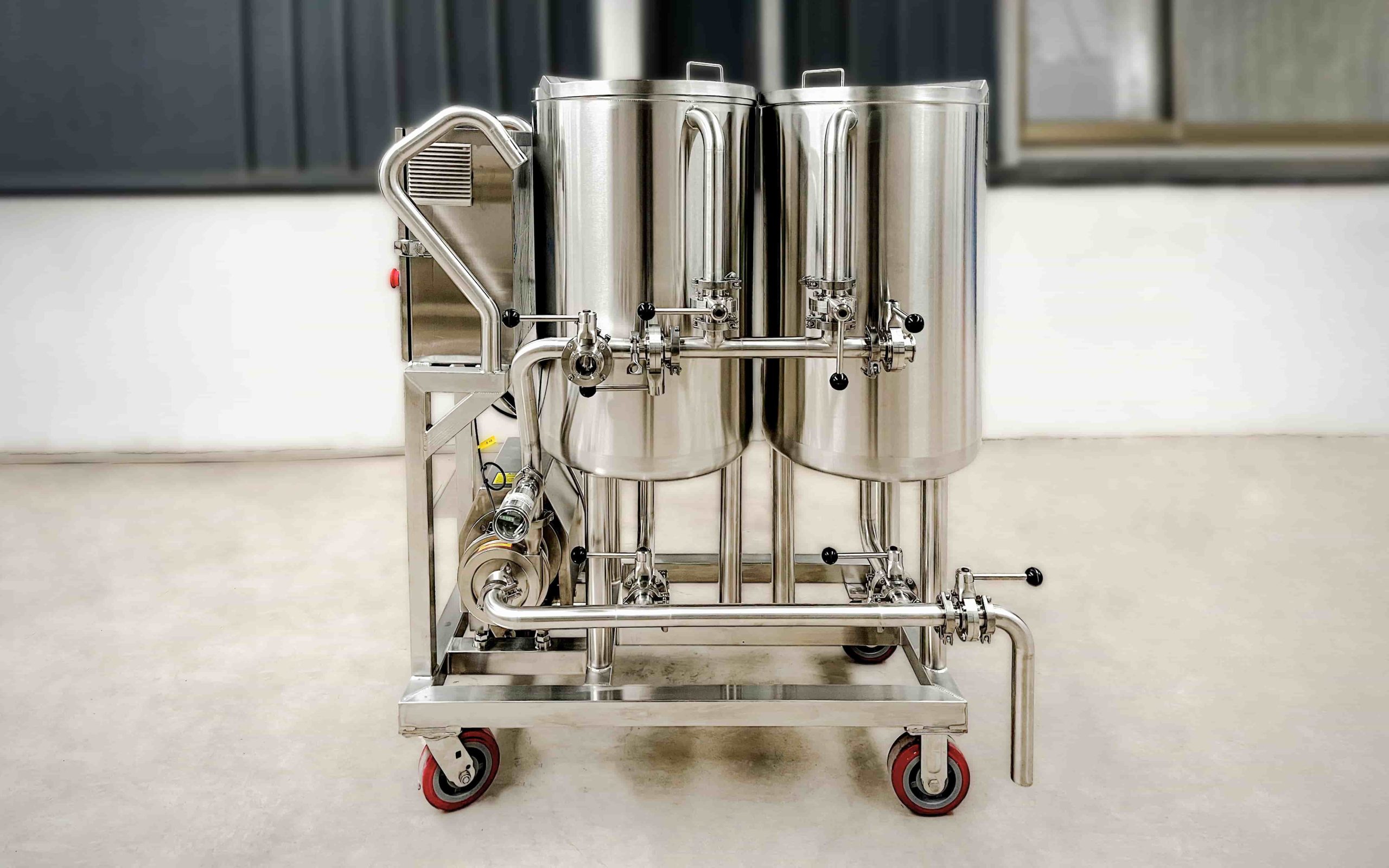
The design of a CIP system requires a multidisciplinary engineering approach, incorporating fluid mechanics, chemical engineering, sanitary design principles, and automation technology. Core components of CIP systems include:
- CIP Tanks and Storage Vessels: Typically, separate tanks for caustic and acidic detergents are used. These tanks are designed in stainless steel conforming to sanitary standards (such as ASME BPE or 3-A Sanitary Standards).
- Pump Systems: Pumps circulate cleaning fluids with adequate pressure and flow rate to ensure turbulence and proper wetting of internal surfaces.
- Heat Exchangers: Often employed to control cleaning fluid temperatures, which plays a critical role in cleaning efficacy.
- Flow Control Valves and Piping: Sanitary design minimizes dead legs and optimizes flow patterns. Piping materials often comply with FDA or EU Food Contact Materials regulations.
- Sensors and Instrumentation: Temperature, flow rate, conductivity, turbidity, and pH sensors enable real-time monitoring of cleaning parameters.
- Programmable Logic Controllers (PLCs): Integrated control systems automate cycle sequences, alarms, and data logging, facilitating compliance and process verification.
Diagram: A schematic representation of a CIP system includes tanks, pumps, heat exchangers, valves, piping loops, and control panels, designed to prevent contamination and allow seamless cleaning cycles without disassembly.
Engineering standards heavily influence the design. SKE & Eagle’s solutions leverage international compliance standards such as EHEDG (European Hygienic Engineering & Design Group) and ISO 14971 for risk management in medical and food processing equipment. This ensures system reliability and sanitation integrity.
Additionally, material selection and surface finish specifications (e.g., electropolished 0.4 μm Ra maximum) are critical to avoid bacterial harborage and ensure cleanability. The integration of advanced water treatment technologies from SKE & Eagle enhances the quality of rinse water, extending the life cycle of CIP system components and minimizing fouling.
Operation Optimization and Control Strategies in CIP
Optimizing the operational performance of a CIP system involves precise control over process parameters including time, temperature, flow velocity, chemical concentration, and rinsing efficiency. These variables are interdependent and dictate cleaning efficacy and resource consumption.
Time is a key factor—insufficient cleaning cycles risk residual contamination while excessively long cycles waste water and chemicals. Best practices recommend validation studies tailored to soil types and process equipment, leveraging ATP bioluminescence or microbiological testing.
Temperature control is equally critical. Higher temperatures enhance detergent performance and microbial kill rates but pose risks for equipment corrosion or deformation. SKE & Eagle incorporate robust thermal management systems with heat exchangers that maintain optimum temperature ranges, ensuring consistent cycles.
Flow velocity must be sufficient to generate turbulent flow inside pipes and process vessels to mechanically dislodge debris and biofilms. Laminar flow zones and dead legs are minimized via intelligent piping routing and automated valve sequencing.
Automation and digital controls through advanced PLCs facilitate dynamic programming of cleaning recipes, remote monitoring, and historical data logging to support regulatory compliance and continuous improvement. These systems can integrate with plant-wide SCADA platforms for seamless process integration.
Water quality is another core aspect. The use of SKE & Eagle’s water treatment systems ensures rinse water purity, reducing microbial loads and particulate matter, which is essential when water reuse strategies are applied.
In summary, CIP system operation demands a fine balance between cleaning effectiveness, environmental sustainability, and cost-efficiency. Applying engineering rigor and leveraging SKE & Eagle’s expertise guarantees superior performance.
CIP Systems in Various Industries: Use Cases and Benefits
The application spectrum of CIP systems spans multiple industries requiring hygienic processing and contamination control. Below are some key sectors leveraging CIP technology:
- Food and Beverage Manufacturing: From dairy and brewing to soft drinks and sauces, CIP systems maintain stringent microbial control while enabling rapid production changeovers.
- Pharmaceutical and Biotechnology Production: CIP systems are applied in sterile manufacturing areas, cleanroom environments, and sterile fermenters with emphasis on validation and reproducibility.
- Chemical Processing: Specialty chemical and flavor production facilities employ CIP for efficient switching between product batches and reducing waste.
- Water Treatment Facilities: CIP is integral to maintaining filtration units, membrane modules, and ion exchange columns, preventing fouling and scaling.
In these industries, the advantages of a well-designed CIP system include:
- Enhanced product safety due to consistent sanitation
- Reduced production downtime through automated cleaning cycles
- Lower labor costs and improved worker safety by minimizing manual cleaning tasks
- Water and chemical savings via optimized cleaning protocols
- Regulatory compliance with audit-ready data collection and system validation
For instance, SKE & Eagle’s water treatment and filtration solutions specifically complement CIP systems in food and beverage lines, ensuring optimal process water quality and protecting equipment from scale and microbial contamination. Their expertise in system design and material selection ensures that CIP systems perform flawlessly under severe operational demands.
Case studies from food and pharmaceutical sectors detail how customized CIP cycles and robust water pretreatment help achieve sanitary standards while minimizing environmental impact.
Quality, Safety, and Compliance Standards for CIP Systems
Compliance with national and international standards is foundational for the design, implementation, and operation of CIP systems. Key regulatory frameworks include:
- FDA (Food and Drug Administration): Guidance on process validation and sanitation in food and pharmaceutical manufacturing.
- EHEDG Guidelines: Hygienic design and cleanability criteria for equipment and processing lines.
- 3-A Sanitary Standards: Address sanitary design of dairy and other food processing equipment.
- ISO 22000 and GMP (Good Manufacturing Practices): Food safety management and quality assurance practices.
CIP systems must also be validated according to these standards to prove cleaning efficacy. Validation protocols typically involve swabbing for residual soils, microbiological testing, and documentation of critical cleaning parameters.
SKE & Eagle applies a stringent quality assurance process throughout manufacturing and integration, from sourcing high-grade 316L stainless steel components to precision welding certified by ASME Section IX standards. The engineering team also performs risk assessments following ISO 14971 to ensure system safety and reliability.
Moreover, operational safety features such as interlock systems, temperature and pressure sensors, and emergency stop functions guarantee safe cleaning cycles while protecting personnel and equipment.
Internal links to SKE & Eagle’s advanced water treatment technologies and core manufacturing capabilities show SKE & Eagle’s holistic approach towards compliant and robust CIP system solutions.
Common Myths and Misconceptions about CIP Systems
Despite their widespread adoption, CIP systems are often misunderstood. Below are several myths clarified using expert insights:
- Myth: CIP systems always conserve water compared to manual cleaning. While CIP systems can be more efficient, poor design or operation can lead to excessive water usage. Optimization and integration of water treatment by experts like SKE & Eagle are necessary to achieve true conservation.
- Myth: CIP removes all contaminants without exception. CIP is highly effective but not infallible. Strong biofilms or heavy scaling may require manual intervention or specialized cleaning cycles. Proper validation ensures effective sanitation.
- Myth: All CIP systems are the same. CIP systems vary widely in complexity, from simple batch cleaners to fully automated integrated systems with real-time data analytics. Selection must consider process requirements and engineering standards.
- Myth: Installing a CIP system eliminates the need for manual cleaning. Some equipment components may still require manual cleaning or inspection. CIP complements rather than replaces manual practices.
These clarifications emphasize the importance of engaging with expert engineering and technology providers such as SKE & Eagle to design, operate, and maintain CIP systems aligned with industry best practices.
Future Trends and Advances in CIP Technology
The evolution of CIP systems continues with innovations driven by digitization, sustainability, and advanced materials science:
- Digital Twin and AI Integration: Predictive analytics to optimize cleaning cycles, anticipate maintenance, and reduce chemical/water use.
- Eco-friendly Cleaning Agents: Development of biodegradable, non-toxic detergents reducing environmental impact.
- Advanced Surface Coatings: Anti-adhesive and antimicrobial surface treatments reduce cleaning frequency and increase operational uptime.
- Modular and Scalable Systems: Facilitating flexible process lines and easier upgrades.
- Energy Recovery and Water Recirculation: Integration with water treatment systems like those offered by SKE & Eagle supports sustainability goals.
SKE & Eagle is actively incorporating these trends into their product offerings, ensuring their customers stay at the forefront of process hygiene and operational efficiency through innovative CIP system designs and integrated water treatment solutions.
Frequently Asked Questions About CIP Systems
What is a CIP system and why is it important?
A CIP system (Clean-in-Place) is an automated cleaning method that cleans the interior surfaces of process equipment without disassembly. It is important because it ensures efficient, repeatable sanitation, reduces downtime, and supports compliance with strict hygienic standards.
How does water quality affect CIP system performance?
Water quality impacts CIP performance by influencing cleaning efficacy and equipment longevity. Poor water quality can cause scaling, microbial contamination, and ineffective rinse cycles. Leveraging quality water treatment solutions, such as those from SKE & Eagle, helps maintain optimal CIP function.
What industries commonly use CIP systems?
CIP systems are common in industries requiring stringent hygiene including food and beverage, pharmaceuticals, biotechnology, chemical processing, and water treatment facilities.
Can CIP systems be customized for different processes?
Yes, CIP systems are highly customizable. Factors such as equipment size, soil types, cleaning agent chemistry, and operational constraints guide system design. Tailored solutions ensure operational efficiency and compliance with hygiene standards.
What are common challenges in CIP system operation?
Common challenges include ensuring uniform cleaning coverage, managing water and chemical consumption, validating effectiveness, avoiding biofilm formation, and integrating with other process systems. Continuous optimization and expert support, like that offered by SKE & Eagle, mitigate these challenges.
Get Expert Insights on CIP Systems and Water Treatment
At SKE & Eagle, we are committed to advancing your process hygiene and water treatment solutions with expert engineering and innovative technologies.
Connect with us on Facebook or reach out via email at info@ske-eagle.com. For tailored advice, please fill out the contact form at the bottom of our website to speak directly with our experts.
“`
“
Frequently Asked Questions
How long does a CIP cycle typically take?
Standard 3-step and 5-step CIP cycles run 30 minutes to 2 hours. More rigorous 7-step cycles common in pharmaceutical and dairy applications typically take 60 to 90 minutes.
What is the difference between CIP and SIP?
CIP (Clean-in-Place) cleans equipment surfaces using detergents and water in a closed loop without disassembly. SIP (Sterilize-in-Place) uses pharmaceutical-grade steam to sterilize equipment after cleaning, typically as a follow-on step to CIP in pharmaceutical applications.
What does CIP validation require?
CIP validation requires demonstrating that the cleaning procedure reliably and reproducibly removes product soils and microbial contamination across repeated cycles, not just a single successful test run, with full documentation of cycle parameters (temperature, concentration, flow rate, time).