

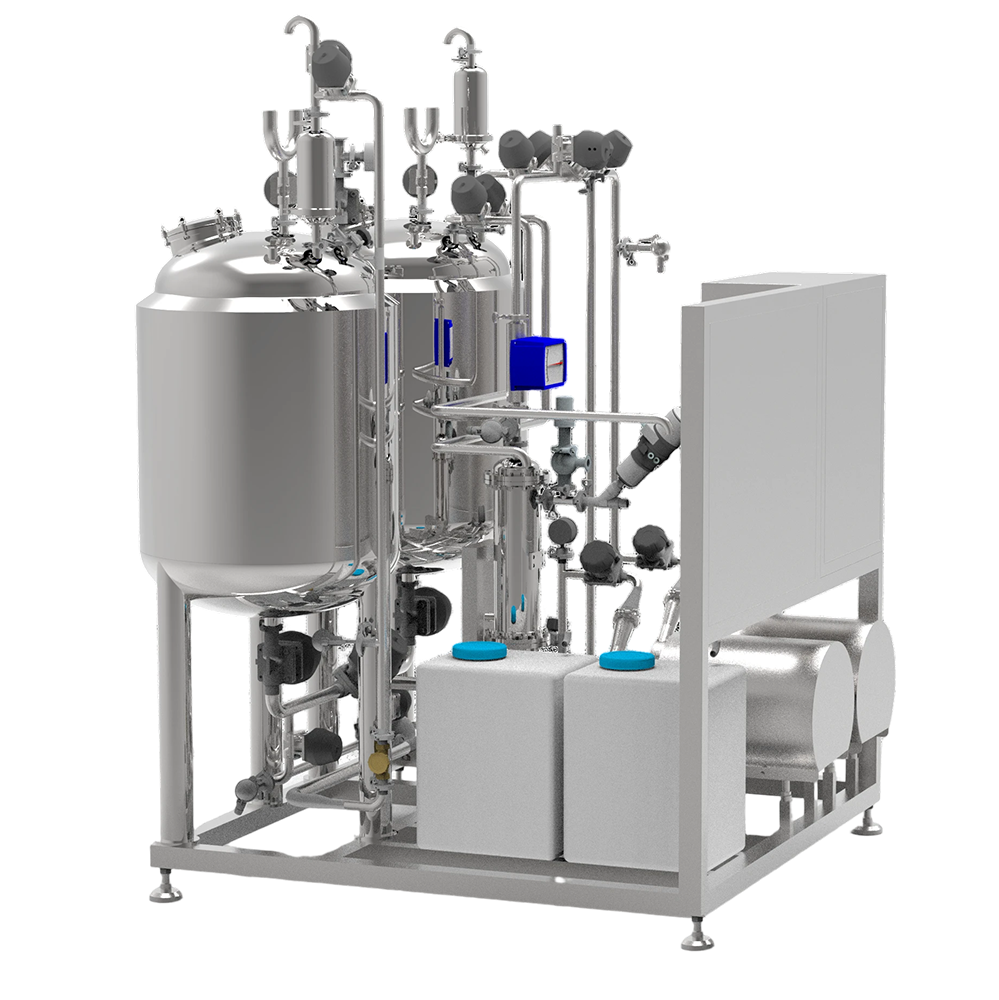
Introduction to Clean In Place Systems
A clean in place system (CIP system) is a critical engineering solution designed to clean the interior surfaces of pipes, vessels, process equipment, and associated fittings without complete disassembly. This technology revolutionizes industrial hygiene and operational efficiency, especially in water treatment facilities, food and beverage, pharmaceutical, and chemical manufacturing sectors.
The essence of CIP lies in its automation and closed-loop method that enables rapid and effective cleaning while minimizing downtime. The importance of such systems resonates with SKE & Eagle’s commitment to producing reliable and high-quality industrial water treatment equipment that upholds stringent sanitary and engineering standards.
This article will delve deep into the technical design, operation, and standards of clean in place systems, integrating insights from SKE & Eagle’s advanced manufacturing capabilities and process optimization expertise. For a detailed exploration of tailored water treatment and filtration solutions, SKE & Eagle offers precision-engineered technologies that support CIP deployment with optimized process integration.
Design Principles and Engineering of CIP Systems
The engineering foundation of a clean in place system is rooted in fluid dynamics, thermodynamics, and control systems engineering. Effective CIP design ensures thorough cleaning of equipment without physical dismantling, leveraging controlled flow rates, temperature management, chemical dosing, and strategically sequenced cleaning cycles.
At the heart of CIP system design is the optimization of cleaning efficiency balanced with resource conservation. SKE & Eagle’s design philosophy emphasizes modularity, system reliability, and high precision control to enable seamless integration into existing industrial processes.
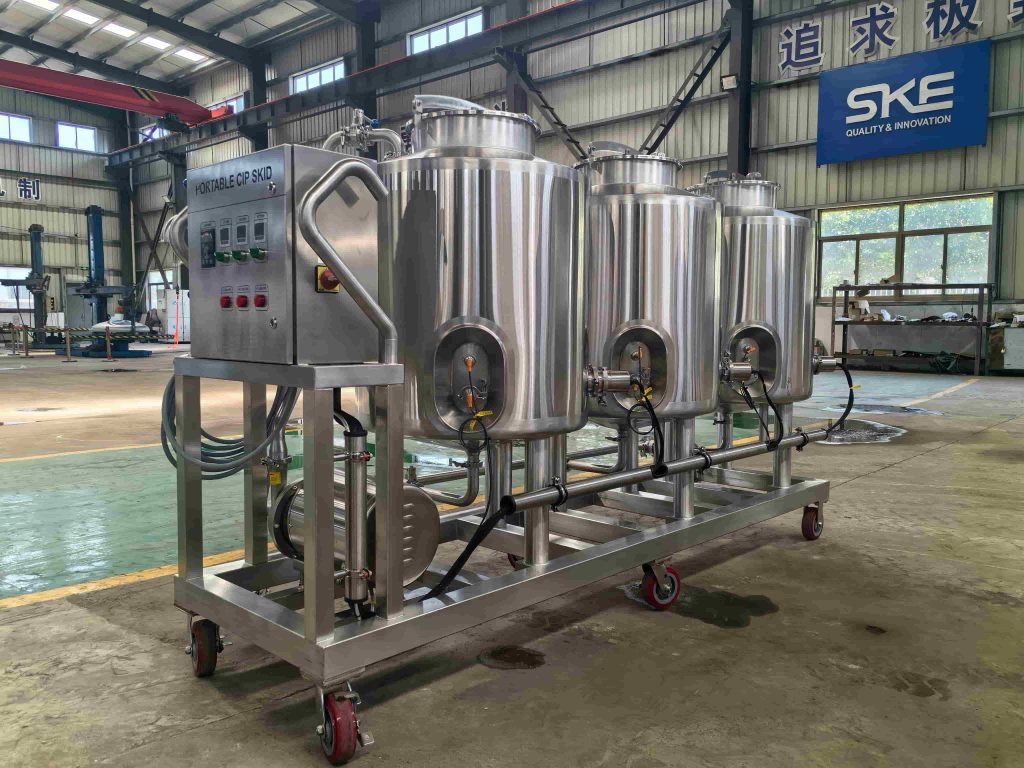
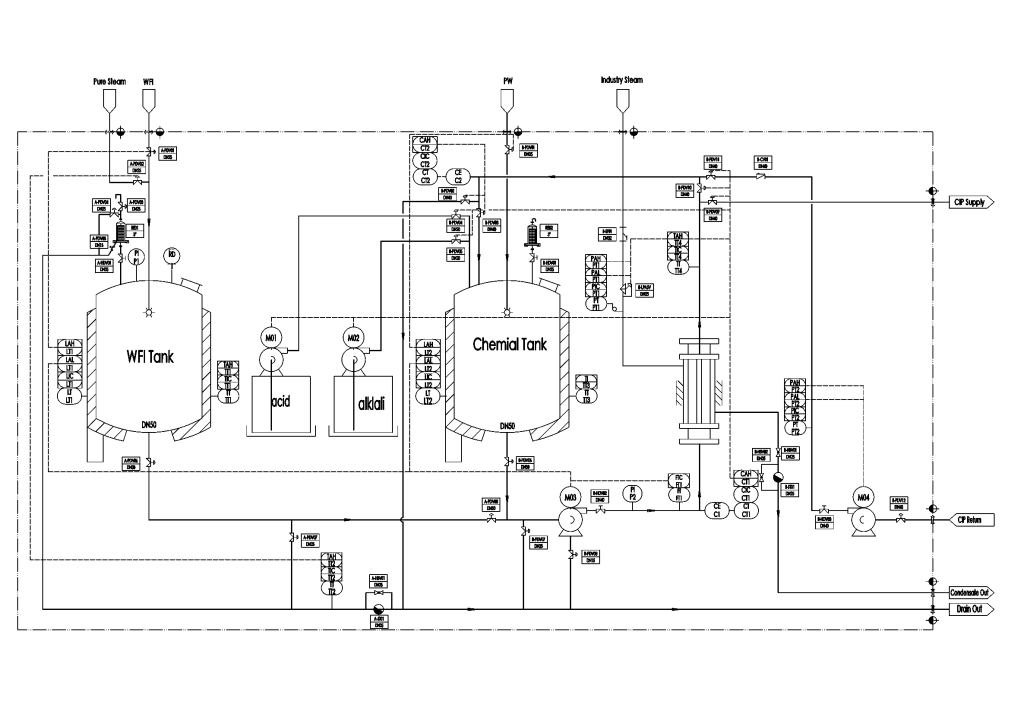
Typically, a CIP system includes a cleaning skid, supply tanks for detergents and rinsing water, pumps, valves, and instrumentation to monitor parameters such as temperature, pressure, conductivity, and flow. Engineering robust piping and structural elements from corrosion-resistant materials ensures longevity and compliance with hygienic codes.
Flow Dynamics & Cleaning Efficiency: Engineers prioritize turbulent flow regimes within process piping to maximize shear force against deposits. Flow rates are calculated to exceed the minimum turbulent transition threshold, often requiring detailed computational fluid dynamics (CFD) simulations to validate cleaning coverage.
Thermal and Chemical Parameters: Temperature profiles must be optimized according to the process residues to enhance detergency while preserving equipment integrity. SKE & Eagle’s temperature-controlled injection systems tailor CIP parameters rigorously for each cleaning phase, avoiding material degradation or shock.
Control and Automation: Advanced PID controllers and PLCs orchestrate the cleaning cycles dynamically, adjusting parameters based on sensor feedback. This closed-loop control mitigates risks of incomplete cleaning and excessive chemical use, aligning with sustainable operational aims.
Integration of remote monitoring and diagnostics, powered by SKE & Eagle’s process control solutions, enhances predictive maintenance of CIP systems, facilitating uptime maximization and resource optimization.
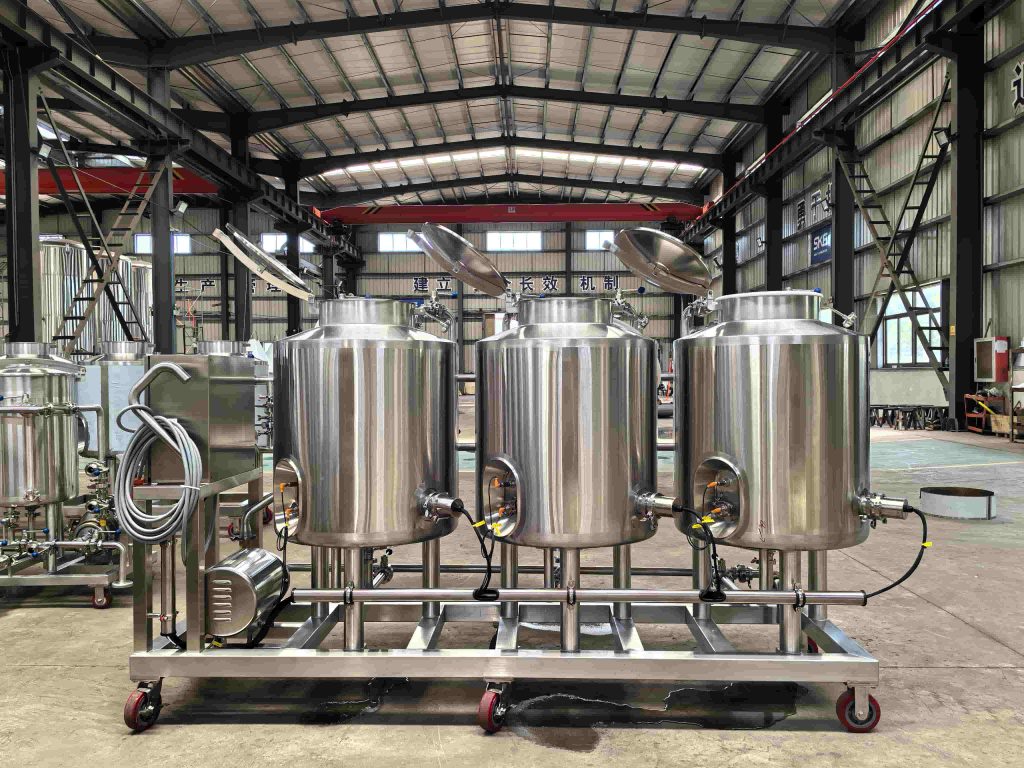
Applications and Use Cases in Water Treatment
The versatility of the clean in place system is profoundly evident in water treatment applications. Efficient, reliable cleaning of filtration units, membrane modules, and piping prevents biofilm formation, scaling, and particulate buildup that degrade system performance.
SKE & Eagle’s advanced engineering of water treatment modules—including ultrafiltration and microfiltration systems—incorporates CIP compatibility at the design phase, enabling streamlined maintenance that preserves membrane integrity and extends operational life.
Typical use cases in water treatment include:
- Membrane cleaning: CIP removing fouling layers from ultrafiltration or reverse osmosis membranes through chemical and physical cleaning cycles.
- Filter element regeneration: In multimedia or cartridge filtration, CIP systems can clean medium and housing without dismantling.
- Pre-treatment equipment: Flocculation tanks or clarifiers benefit from regular automated cleaning to prevent sediment buildup.
Careful selection of cleaning agents is imperative in water treatment to avoid membrane damage or chemical residues that affect downstream water quality. SKE & Eagle’s expertise includes ensuring that CIP regimes utilize industry-compatible detergents and acids, conforming strictly to environmental and safety regulations.
In industrial water systems, CIP also supports compliance with hygiene standards by minimizing microbial contamination risks through validated cleaning protocols. These applications entail close coordination between process engineers, chemical specialists, and operational teams.
Key Components and Technologies
The effectiveness of a clean in place system hinges on the seamless function of its components working in concert. Rigorous engineering design and high-quality materials are pivotal to sustain operational longevity and cleanliness assurance.
Core components include:
- CIP Skid: The centralized platform supporting pumps, tanks, and control valves. SKE & Eagle’s skid designs incorporate corrosion-resistant stainless steel and modular layouts for flexible deployment.
- Cleaning Agents Storage: Tanks and containers for acids, alkalis, and detergents with secure dosing systems ensure proper chemical concentration control, critical for effective cleaning and safety.
- Pumping Systems: Reliable centrifugal or positive displacement pumps engineered for chemical compatibility and stable flow rates under varied viscosities and temperatures.
- Heating Systems: Electric or steam heaters that bring cleaning solutions to optimal temperatures, improving detergent efficacy and sanitization.
- Instrumentation: Flow meters, temperature sensors, pressure gauges, and conductivity sensors provide real-time feedback enabling dynamic cycle control and validation.
- Automation Controls: PLCs programmed with cleaning sequences, fault detection, and data logging. SKE & Eagle integrates advanced controls with user-friendly HMI interfaces for operational transparency.
Integration of these components adheres to international standards governing hygienic design, electrical safety, and environmental compliance. Material choices like 316L stainless steel avoid corrosion and contamination that degrade cleanability.
The synergy of the above components yields a CIP system that meets the exacting standards required in modern industrial water treatment and manufacturing applications.
Compliance Standards and Quality Assurance
Industry standards and regulatory compliance underpin the design and operation of any clean in place system. Adhering to recognized codes ensures cleaning effectiveness, safety, and system longevity.
Key standards relevant to CIP systems include:
- 3-A Sanitary Standards: Establish criteria for sanitary equipment design and cleanability, especially in the food and beverage sectors.
- EHEDG Guidelines: European Hygienic Engineering & Design Group’s documents provide frameworks for hygienic process equipment design, including CIP validation.
- ASME BPE: Standards for bioprocessing equipment specify materials, construction, and testing requirements relevant to pharmaceutical water treatment CIP systems.
- ISO 14644: Cleanroom and associated controlled environments where CIP systems help maintain cleanliness integrity.
Quality assurance in CIP design and maintenance includes validation protocols such as:
- Cleaning Validation: Demonstrating the removal of defined soil residues under prescribed CIP cycles using analytical verification.
- Sterility and Microbial Control: Regular monitoring to ensure the absence of pathogenic contamination post-cleaning.
- Material Integrity Testing: Routine inspections for corrosion, pitting, or wear compromising cleanability.
SKE & Eagle adheres strictly to these regulations through expert engineering, manufacturing to code, and thorough system testing that guarantees reliable and compliant CIP operation within water treatment systems.
Operational Best Practices and Troubleshooting
The operational efficiency of a clean in place system depends on adherence to best practices and proactive troubleshooting to prevent system failures and maintain cleaning performance.
SKE & Eagle emphasizes the following operational guidelines:
- Cycle Programming: Accurate definition of pre-rinse, detergent wash, post-rinse, and sanitization steps, tailored to the type of soil and process equipment.
- Monitoring Key Parameters: Continual observation of flow, pressure, temperature, and chemical concentration via sensors and control systems to ensure cleaning efficacy and detect anomalies.
- Preventive Maintenance: Scheduled inspection and servicing of pumps, valves, sensors, and piping prevents unexpected downtime and contamination risk.
- Record Keeping: Documenting cleaning cycle data supports validation, compliance auditing, and continuous improvement.
Troubleshooting Common Issues:
| Fault Type | Typical Manifestations | Quick Troubleshooting Steps | Solutions |
| Inadequate Cleaning | High effluent turbidity, continuous decline in membrane flux | 1.Verify chemical concentration; 2. Check pump flow rate; 3. Clean clogged nozzles | Adjust chemical dosage; Overhaul pump unit; Unblock clogged components |
| Equipment Corrosion | Pitting corrosion on pipeline inner walls, discoloration of storage tank materials | 1.Detect residual pH; 2. Verify chemical compatibility; 3. Inspect temperature control system | Add final rinsing step; Replace with compatible chemicals; Optimize temperature control parameters |
| Sensor Malfunction | Abnormal control parameters, no real-time data feedback | 1.Clean then sensor ; 2.Recalibrate the sensor ; 3. Inspect wiring connections | Replace faulty sensors; Conduct regular calibration; Reinforce wiring connections |
| Pump/Valve Malfunction | Sudden drop in flow rate, interruption of cleaning cycle, valve leakage | 1. Check pump operating status ; 2. Disassemble valve to inspect sealing performance | Replace pump seals; Repair faulty valves; Implement regular lubrication and maintenance |
Expertise in diagnostics and process optimization, as demonstrated by SKE & Eagle, empowers operators to sustain high CIP system performance and system reliability across the lifecycle.
Frequently Asked Questions
What is a clean in place system and why is it important?
A clean in place system is an automated cleaning technology that cleans interior surfaces of process equipment without disassembly. It’s important because it ensures sanitation, reduces downtime, and maintains system efficiency especially in water treatment and industrial processes.
How does SKE & Eagle ensure reliability in their CIP system components?
SKE & Eagle upholds stringent engineering standards using corrosion-resistant materials, precise machining, and robust control systems. Their CIP skid designs incorporate modular construction and validated instrumentation to maximize system reliability and simplify maintenance.
Can CIP systems be customized for different industrial applications?
Yes. CIP systems are highly customizable in terms of cleaning cycles, chemical dosing, temperature, and flow parameters to meet the unique needs of water treatment, pharmaceutical, food processing, and chemical industries, with engineering guidance from manufacturers like SKE & Eagle.
What standards govern the design of clean in place systems?
Design and operation of CIP systems are governed by 3-A Sanitary Standards, EHEDG guidelines, ASME BPE codes, and ISO cleanroom standards, among others. Compliance ensures hygienic design, safety, and effective cleaning validation.
How do clean in place systems support sustainable water treatment practices?
CIP systems optimize water and chemical usage through controlled dosing and recycling processes, reducing waste. By maintaining equipment cleanliness and extending component lifespan, they contribute to sustainable operational efficiency in water treatment facilities.
Contact SKE & Eagle for Advanced CIP Solutions
Contact Email: info@ske-eagle.com
Social Media: Follow our Facebook page for the latest updates and industry insights.
Business Inquiries: Visit our official website and submit the contact form at the bottom to initiate your cooperation journey for CIP technology optimization and operational excellence.