

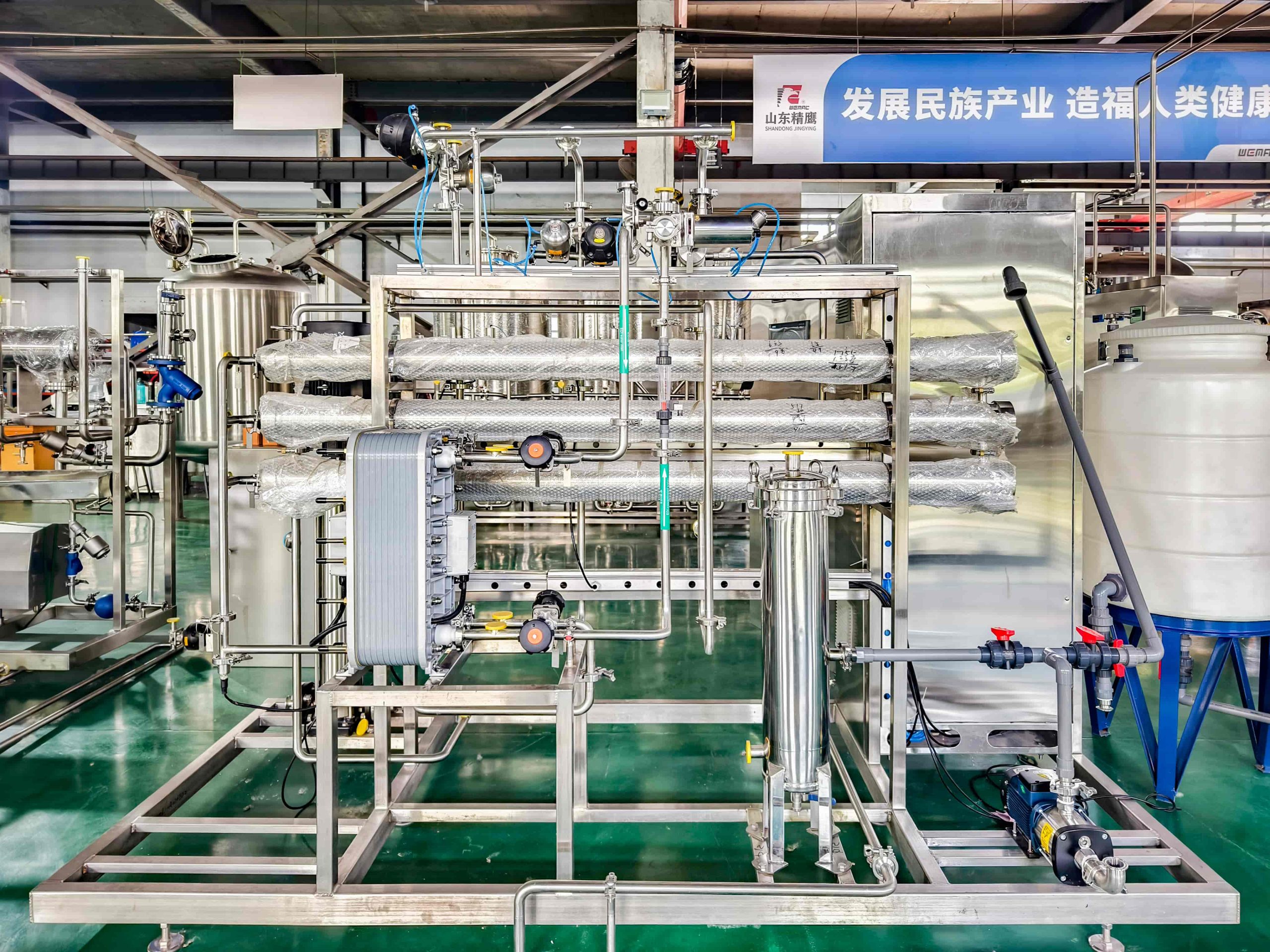
Overview of 3A Sanitary Equipment
The term 3A sanitary equipment refers to machinery and components constructed and engineered according to the stringent hygienic standards set by the 3-A Sanitary Standards, Inc. These standards are pivotal in industries such as dairy, food, beverage, pharmaceutical, and biotechnology, where product integrity and cleanliness are critical.
3A sanitary equipment ensures that all product-contact surfaces are designed, fabricated, and finished in such a way to permit easy cleaning, prevent microbial contamination, and maintain a sterile environment where applicable. This is achieved through specific engineering requirements covering everything from surface smoothness to the elimination of dead legs and crevices.
The implementation of 3A standards is not just a regulatory compliance measure but also a critical factor enhancing process reliability, product quality, and operational safety. Companies like SKE & Eagle leverage these principles in designing water treatment and processing systems that embed sanitary equipment complying rigorously with 3A standards, optimizing both hygiene and performance.


Design Principles and Engineering Standards
The fundamental objective of 3A sanitary equipment design is to create surfaces and assemblies that can be thoroughly cleaned and sanitized with minimal effort and risk of product contamination. Engineering such equipment demands adherence to strict guidelines that influence every aspect of design, from geometry to finish, welds, and connections.
Key design principles include:
- Self-draining geometry: All surfaces must be oriented and contoured to allow complete drainage of fluids, preventing stagnant residues.
- Elimination of dead legs and crevices: These areas can harbor microbes and are extremely difficult to clean. 3A design demands smooth flow paths without interrupted areas.
- Smooth and polished surfaces: Typically, surface finishes must achieve a Ra value of 20 microinches (0.5 microns) or better to minimize bacterial adhesion.
- Welded joints and seals: Welds must be continuous, smooth, and polished to sanitary quality. Seals should prevent ingress of contaminants and be compatible with sanitizing chemicals.
- Modular and maintainable construction: Equipment should be designed for easy disassembly to facilitate inspection, repair, and validation.
These design elements are codified in the 3-A Sanitary Standards publications, which cover various types of equipment.
In collaboration with partners like SKE & Eagle’s engineering team, manufacturers refine designs to meet both 3A and customer-specific standards, ensuring system reliability and long-term operational integrity.
Material Selection and Surface Finishes
The choice of material is one of the most critical factors influencing the compliance and performance of 3A sanitary equipment. Materials must not only satisfy the mechanical and chemical demands of the process but also enable the required smooth surface finishes and maintain corrosion resistance under rigorous cleaning protocols.
The most commonly used materials include:
- 304 and 316L Stainless Steel: Among these, 316L stainless steel is preferred for its superior corrosion resistance, especially in chloride-rich environments. Both grades can be polished to meet 3A surface finish requirements.
- Specialty alloys: In high-temperature or highly corrosive environments, alloys such as duplex stainless steel or Hastelloy may be used but require precise finishing processes.
- Polymers and elastomers: Used primarily in seals or gaskets, materials like EPDM, PTFE, and silicone must be FDA-compliant, inert, and compatible with cleaning agents.
Surface finishing processes are essential to achieve a roughness average (Ra) of typically 20 microinches or less. Techniques include:
- Mechanical polishing: Using progressively finer abrasives to smooth surfaces and remove weld marks or imperfections.
- Electropolishing: An electrochemical process that removes a thin layer of metal to reduce surface asperities and enhance corrosion resistance.
- Passivation: Chemical treatments that enhance the formation of the protective chromium oxide layer on stainless steel surfaces.
Selecting the appropriate material pairings, surface finish, and joining techniques is integral to the long-term durability and sanitary integrity of equipment. For water treatment and processing systems, as engineered by SKE & Eagle, these choices ensure consistent product quality and ease of maintenance.
Additionally, surface finish verification through profilometry or replica tape measurement is a standard part of quality assurance, confirming conformity to 3A standards before equipment deployment.
Water Treatment Integration in Sanitary Systems
Water quality is paramount in applications requiring 3A sanitary equipment, especially in the dairy, beverage, and pharmaceutical industries, where water serves either as an ingredient or in cleaning processes. Integrating advanced water treatment systems is necessary to meet the stringent purity criteria demanded by these standards.
SKE & Eagle specializes in state-of-the-art water treatment solutions, providing engineered systems designed for redundancy, system reliability, and continuous quality monitoring. Their offerings include reverse osmosis membranes, UV disinfection, filtration modules, and customized automation controls that seamlessly integrate with sanitary processing equipment.
The integration is founded on several engineering principles:
- Material compatibility: Water treatment components must not introduce contaminants and must maintain sanitary seals consistent with 3A standards.
- Sanitizable designs: Treatment units should be cleanable-in-place (CIP) compatible, allowing chemical cleaning without disassembly.
- Automation and monitoring: Real-time sensors and control systems ensure water quality meets microbial and chemical specifications continuously, improving process validation.
A typical integrated water treatment workflow in 3A compliant facilities starts with raw water pre-treatment, proceeds through reverse osmosis and UV disinfection, and ends with distribution through sanitary piping systems designed to prevent biofilm formation and bacterial ingress.
The synergy between 3A sanitary equipment and advanced water treatment ensures cohesive system performance, meets regulatory expectations, and optimizes operational uptime — substantial advantages highlighted by the engineering focus of SKE & Eagle’s system solutions group.
Compliance, Certification, and 3A Standards
Compliance with 3A sanitary standards is verified through rigorous certification processes. Equipment manufacturers must submit their products for evaluation by authorized 3A inspectors to confirm conformity to the detailed construction and design criteria.
The 3-A Sanitary Standards and Accepted Practices are developed and maintained by a consortium including industry stakeholders, regulatory bodies, and academia. These documents define the expectations for the design, fabrication, inspection, and testing of equipment.
Certification involves:
- Design review: Detailed examination of design drawings, materials, and processes.
- On-site fabrication audits: Inspection of welding quality, surface finishes, and assembly.
- Sampling and testing: Verifying surface roughness, weld integrity, and sanitary finishes.
- Documentation and traceability: Ensuring full record-keeping and compliance evidence.
Companies such as SKE & Eagle employ comprehensive quality assurance programs aligning with both 3A standards and international quality systems like ISO 9001. This dual approach enhances not only sanitary compliance but also overall product reliability and system performance.
Keeping compliant also involves adherence to relevant regulations from organizations like the FDA, USDA, EHEDG, and the European Union’s GMP guidelines. Regular internal audits and re-certification ensure continued compliance and focus on continuous improvement.
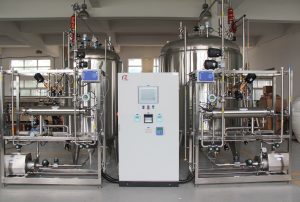
Industrial Applications and Use Cases
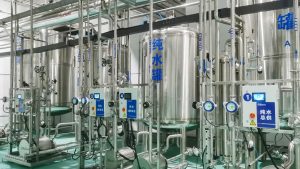
The adoption of 3A sanitary equipment spans a wide range of industries where hygienic processing is non-negotiable. Leading sectors and their typical applications include:
- Dairy Industry: Milk pasteurization systems, cheese vats, and whey handling equipment demand 3A sanitary pumps and valves to prevent cross-contamination.
- Beverage Production: Brewing tanks, bottling lines, and flavor additive systems rely on sanitary equipment to maintain product purity and shelf life.
- Pharmaceutical Manufacturing: Clean-in-place (CIP) reactors, isolators, and filtration modules utilize 3A-compliant components to meet regulatory and safety standards.
- Food Processing: Equipment for sauces, dressings, and nutraceuticals often feature sanitary valves and fittings to ensure contamination-free processing.
- Biotechnology: Culture media preparation and bioreactor systems integrate 3A sanitary sanitary pumps and instrumentation for aseptic processing.
Common Myths and Facts about 3A Sanitary Equipment
Despite widespread acceptance, several misconceptions about 3A sanitary equipment persist. Clarifying these is vital for engineers and procurement teams considering or working with 3A-certified products.
| Common Myths | Facts |
| 3A sanitary equipment is only suitable for dairy processing | Although 3A standards originated in the dairy industry, they are now widely applied across all sectors requiring hygienic design, including food, beverage, pharmaceutical, and biotechnology industries |
| Obtaining 3A certification means the equipment itself is sterile | 3A standards only ensure that the equipment features a hygienic design conducive to effective sanitization. Actual sterility during production depends on process control and the implementation of cleaning and sanitization protocols |
| Only stainless steel can meet 3A standards | Stainless steel is the mainstream choice due to its superior performance, but other materials can also obtain 3A certification provided they meet the design and surface finish requirements specified in 3A standards |
| Cleaning 3A equipment incurs higher costs and involves more complex procedures | 3A-compliant equipment eliminates hard-to-clean dead legs, which in turn shortens cleaning time, reduces detergent consumption, and ultimately lowers overall operational costs |
Frequently Asked Questions about 3A Sanitary Equipment
What does 3A sanitary equipment mean?
3A sanitary equipment refers to equipment designed and fabricated according to the 3-A Sanitary Standards, which ensure hygienic design to allow easy cleaning and prevent contamination, primarily used in food, beverage, pharmaceutical, and biotech industries.
What materials are typically used for 3A sanitary equipment?
Common materials include 304 and 316L stainless steel due to their corrosion resistance and ability to be polished to sanitary finishes. Additionally, polymers compatible with sanitary standards are used for seals and gaskets.
How does 3A sanitary equipment integrate with water treatment systems?
Integration requires using sanitary-grade materials and designs in water treatment components, ensuring compatibility with cleaning regimes and maintaining water purity to meet process requirements. Companies like SKE & Eagle design these systems to optimize hygiene and system reliability.
Why is certification important for 3A sanitary equipment?
Certification verifies that equipment meets rigorous design and fabrication criteria, ensuring hygienic integrity, facilitating regulatory compliance, and building trust in product safety and quality.
Contact and Further Information
For more expert guidance on 3A sanitary equipment and integration with advanced water treatment solutions, please feel free to reach out to the SKE & Eagle team. Our engineering and manufacturing specialists are ready to assist with your project requirements and technical inquiries.
Connect with us on Facebook, or send an email to info@ske-eagle.com. We invite you to complete the contact form available at the bottom of our website to engage directly with our experts.
Partner with SKE & Eagle for reliable, sanitary, and innovative equipment solutions that elevate your production quality and compliance standards.